





 Portuguese
  English
  Spanish
  3 min of reading
  0 comments



Despite The Fall Just After The Launch, Company And Authorities Celebrate Technological Advance And Promise New Tests
The first rocket from Australia fell just 14 seconds after takeoff, in a historic launch that took place on Tuesday night (29), Brasília time. Developed by Gilmour Space Technologies, the rocket Eris was launched from a spaceport in Queensland, aiming to place satellites into Earth orbit.
Even with the failure, the company and the local government classified the test as successful. It was the first attempt at an orbital launch entirely designed on Australian soil in over 50 years. There were no injuries or damage to the launch structure.
What Happened To Australia’s First Orbital Rocket?
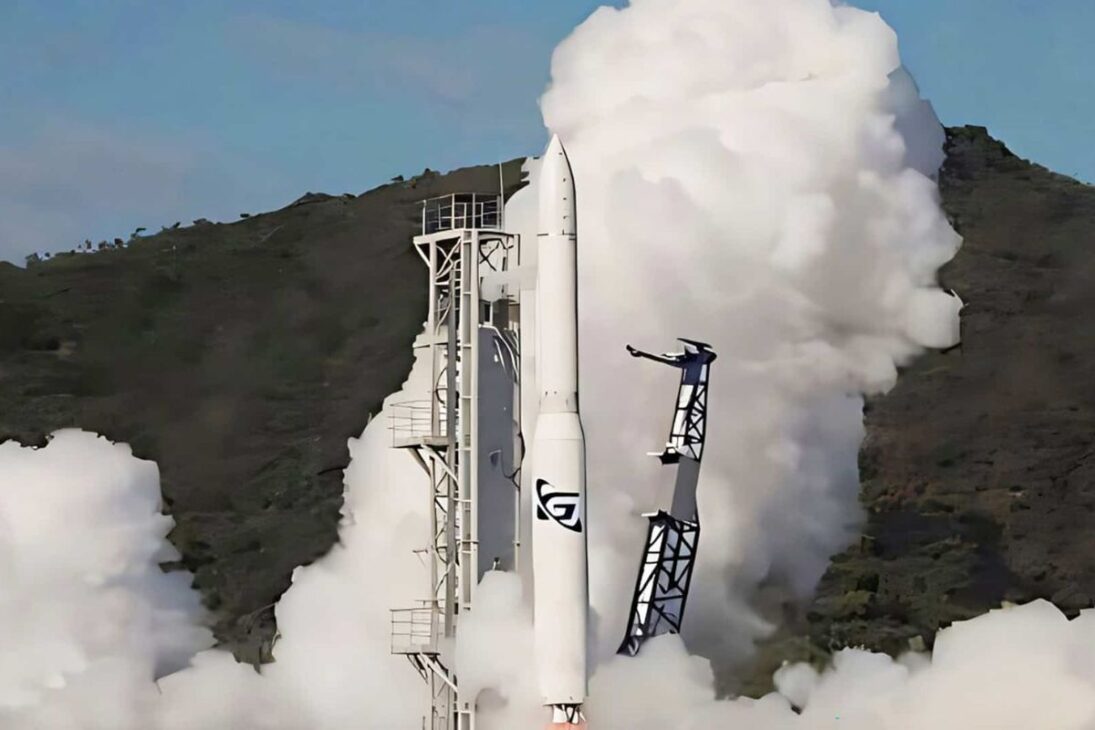
The rocket Eris was designed to carry small satellites into space. The test flight took off from a spaceport near the town of Bowen, in northern Queensland. Fourteen seconds after takeoff, the vehicle lost power and fell, disappearing amid clouds of smoke.
-
In Mexico, a 3,000-year-old Maya site with the dimensions of an entire city may have been built as a colossal map of the cosmos, created to represent the order of the universe and reveal how this people organized space, time, and rituals.

-
Japan wants to build a solar ring of 10,900 kilometers on the Moon to continuously send energy to Earth.
-
Weighing almost 1 ton, with temperatures of up to 3,000°C, the ability to launch 10,000 fragments within a radius of 1 km, capable of penetrating concrete and melting steel, Turkey’s terrifying bomb emerges as one of the most destructive non-nuclear weapons ever presented.

-
After a submarine disappeared beneath the “Doomsday Glacier,” scientists announce a new monstrous machine capable of operating at 3,000 meters depth to return to the heart of the ice and investigate a threat that could raise sea levels worldwide.


According to a statement from Gilmour Space Technologies, the four hybrid engines were activated correctly and the system operated for 23 seconds — of which 14 with the vehicle in flight. The company believes that the main objective of the test was achieved: to get the rocket off the ground and collect technical data for the next steps.
Why Did The Company Celebrate Even With The Fall?
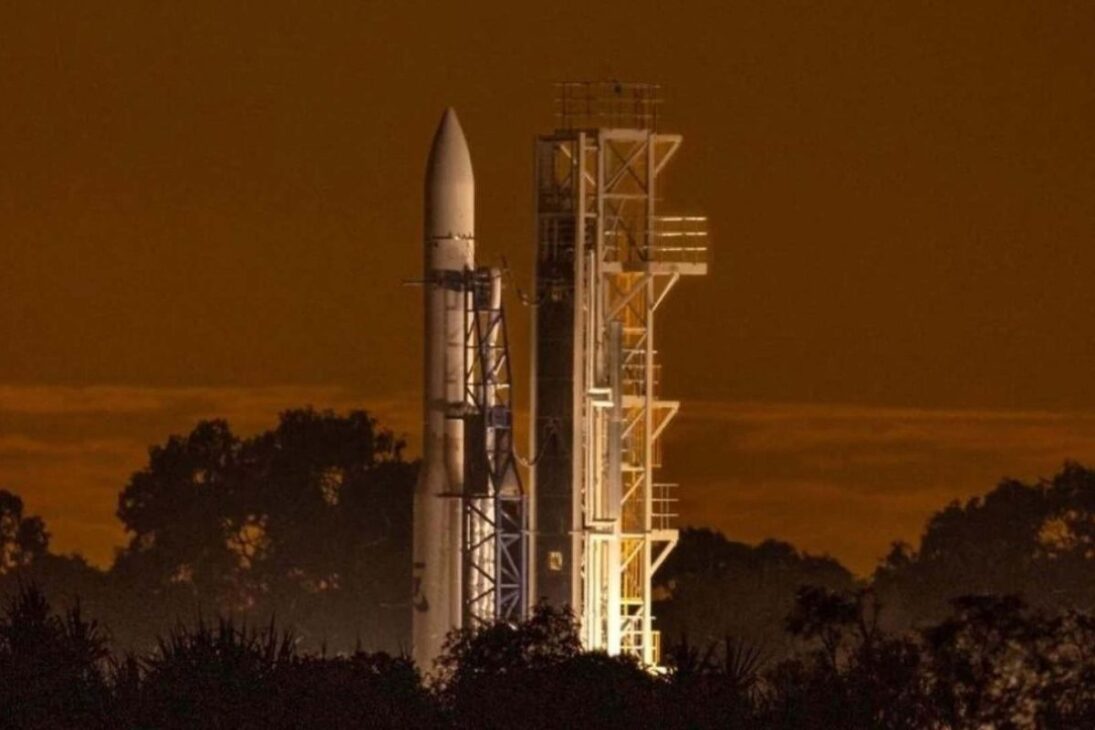
The CEO of Gilmour Space, Adam Gilmour, stated that “very few private companies achieve total success on the first orbital flight.” On social media, he highlighted that the rocket surpassed the launch tower, which already represents a milestone for the Australian space industry.
Australia is heavily investing in the space sector. The federal government and regional authorities have been funding projects to transform the country into a hub for the new space economy. This launch was the first since the 1970s to attempt to reach orbit with a national rocket.
What Is The Impact For Australia’s Space Future?
The launch of the Eris is considered a watershed moment for the Australian aerospace industry. The mayor of the Whitsunday region, Ry Collins, stated that this step “marks the beginning of a commercial industry in the space sector.” The goal now is to conduct new tests with upgraded versions of the rocket.
With this, Australia enters a technological race with countries like India, Japan, South Korea, and Brazil, which also invest in small rockets for commercial launches. The partial success of the Eris could open doors for international contracts and the development of local technologies.
Will The Eris Rocket Be Launched Again?
Gilmour Space has already confirmed that it will continue testing. Previous attempts have been postponed due to technical issues and unfavorable weather. The company plans to conduct new flights in 2025, with adjustments based on data collected from this launch.
The technology used in the Eris includes hybrid engines and reusable components. This could lower the cost per launch and attract clients looking to place small satellites into orbit from the Southern Hemisphere.
Do you believe Australia can become a space power? Or should this type of project be exclusive to more advanced countries in the sector? Share your opinion — we want to know what you think about the future of the space race.








-

-

-

-

6 pessoas reagiram a isso.