





 Portuguese
  English
  Spanish
  3 min of reading


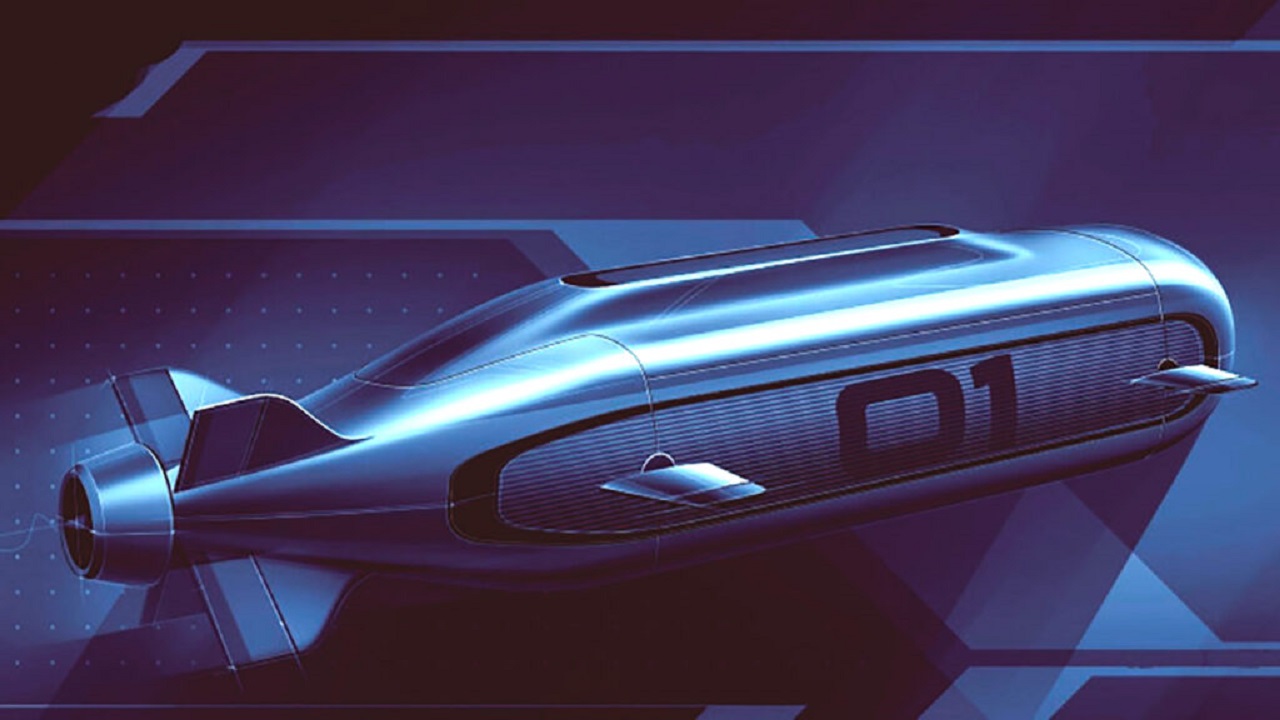
Company Develops The First Submarine In The World Powered By Hydrogen And Battery. A Fleet Of The Model Can Reduce 27 Tons Of CO2 During Cargo Transport
In September, Grant Shapps, UK Secretary of State for Transport, announced 55 winning projects from an ecological maritime R&D competition. Among the projects was the world’s first sustainable submarine. The fully automated “positive liquid” submarine was named Emerald 01, being entirely powered by green hydrogen and a battery. The submarine can help clean the oceans by collecting microplastics during cargo transport.
Read Also
Submarine Fleets Can Reduce Up to 27 Tons Of CO2 Per Year
The hydrogen-powered submarine features a three-phase microplastic filtration system. Oceanways, its developer, is preparing the project for its pilot route between Belfast, Northern Ireland and Glasgow, Scotland. According to the company, a fleet of these hydrogen submarines could ensure a savings of up to 27 tons of CO2 emissions during cargo transport in its inaugural year, with a goal of reducing 300 million tons of CO2 as the fleet expands.
According to Dhruv Boruah, CEO and Founder of Oceanways, time is running out, and it is imperative not to settle for just 1% more efficiency in an existing system, but instead to rethink from other angles so that innovative solutions can be discovered.
-
With 74% of companies facing difficulties in hiring, technicians and engineers in renewable energy are becoming scarce in Brazil and are essential to support the expansion of solar, wind, and green hydrogen projects.

-
Europe is trying to create an ammonia-powered marine engine without auxiliary fuel, which could unlock the race for giant emission-free ships. The technology aims to eliminate one of the biggest obstacles to clean maritime propulsion.
-
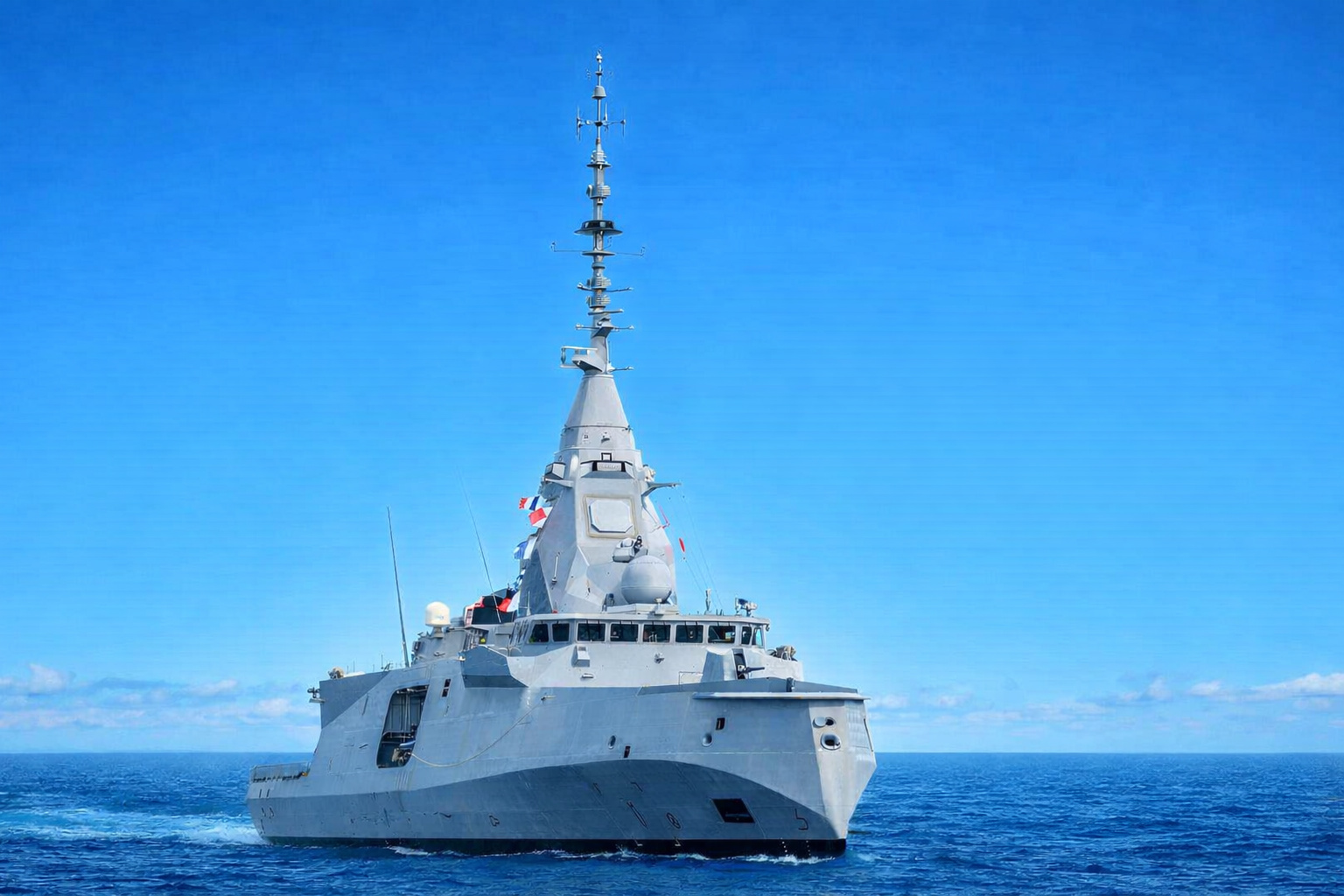
A 4,500-ton frigate with just over 100 crew members, state-of-the-art radar, and cruise missiles is being touted as the new standard of naval warfare in the 21st century.
-
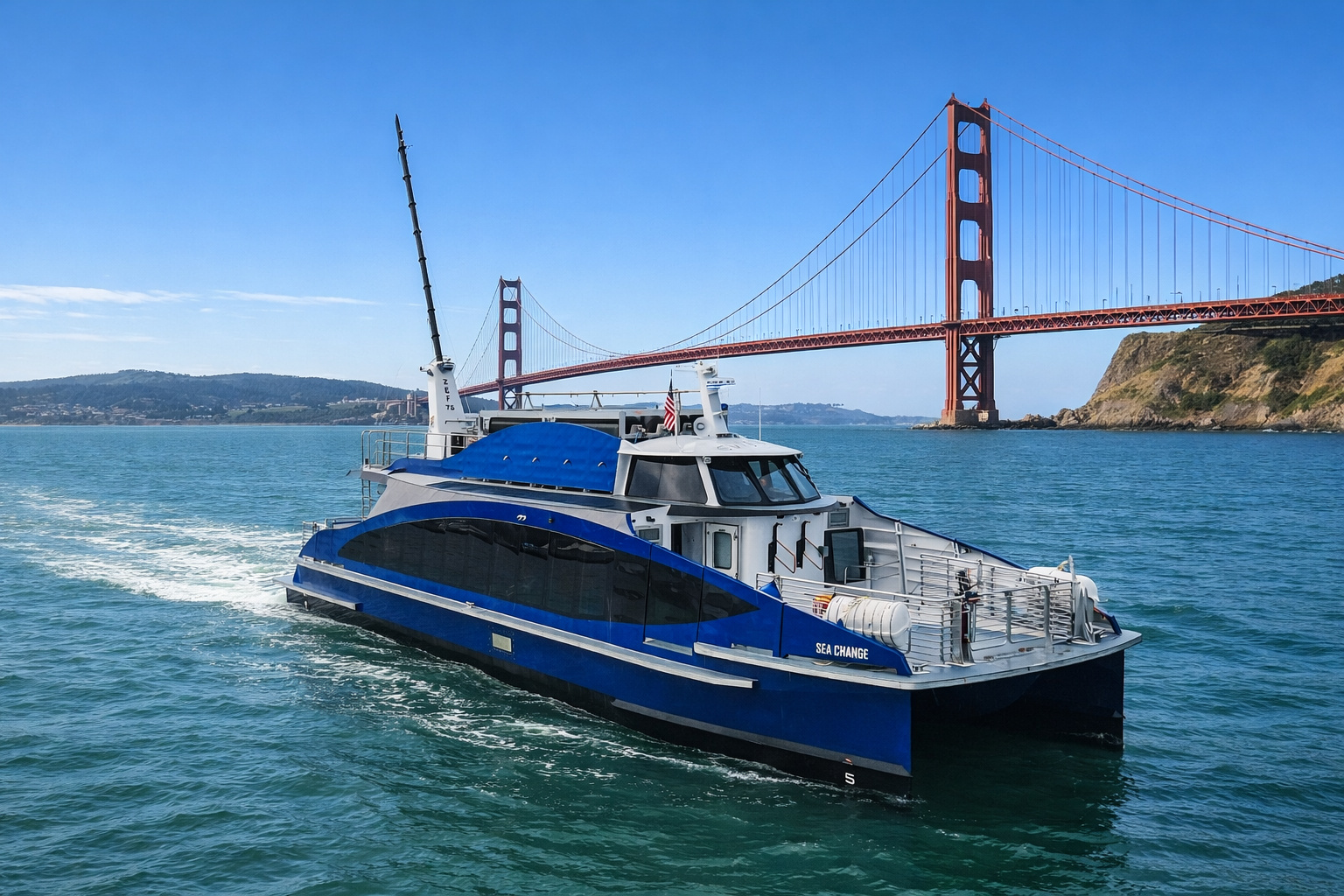
The first commercial hydrogen-powered ferry enters operation in the U.S., eliminates the use of diesel, uses fuel cells to generate clean energy on board, and transforms San Francisco Bay into a landmark of the new era of emission-free navigation.

According to the company’s CEO, Oceanways has assembled a world-class team to lead SubZero, creating a new market for positive underwater cargo transportation systems using zero-emission battery and hydrogen submarines as an innovative tool to clean the ocean and decarbonize cargo transport.
Projects to Clean Oceans Advance and Seek Investments
In addition to the hydrogen-powered battery submarine that cleans the sea during cargo transport, another project gaining attention is a fully electric charging point connected to an offshore wind turbine.
The points will serve to supply electric boats using 100% clean energy generated by the turbine, offering a potential savings of 131,100 tons of annual CO2 emissions. Equivalent to removing 62,000 combustion cars from the roads.
Similar to electric car charging points, these will be operated by semi-automated control, meaning sailors can dock their ships at the wind turbine charging point and charge them.
Brazil Advances With Use of Nuclear Sources in the Navy
In the interior of SP, the Brazilian Navy is about to test the first submarine powered by nuclear technology, which has been entirely developed within the country and is part of the project to renew the Brazilian submarine fleet.
The engine uses a technology mastered by only six countries. The entire engine is being created in full size for the possibility of simulating reactor operation and making precise modifications before the engineers finalize construction.
The technology will be installed on the last of the five underwater vehicles being built in Rio de Janeiro. The first nuclear-powered engine is expected to start operations in a submarine later this year, with deliveries scheduled by 2034.








Seja o primeiro a reagir!