





 English
  Francês
  Alemão
  Italiano
  Japonês
  Norueguês
  Portuguese
  Spanish
 3 min of reading
  0 comments


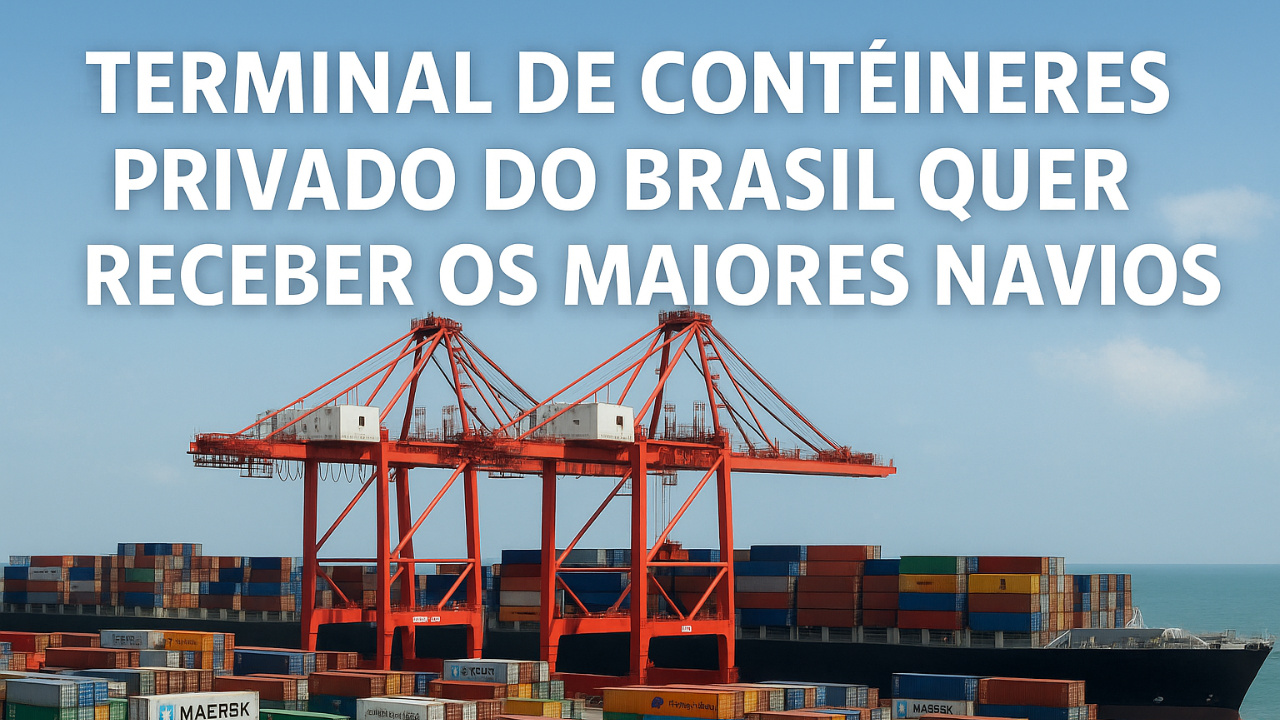
The First Private Container Terminal in Brazil Wants to Receive the Largest Ships in the World and Expands Its Structure.
The first private container terminal in Brazil wants to receive the largest ships in the world, and to achieve this, Portonave in Navegantes (SC) is promoting one of the largest expansion works ever carried out in the national port sector.
The company, which is part of the MSC Group and recently celebrated its 18th anniversary, started a structural adaptation at the dock to allow the operation of vessels up to 400 meters in length, which are still unprecedented in the country.
The works began at the Santa Catarina terminal and are expected to be completed in the second half of next year, mobilizing approximately R$ 2 billion in investments and changing the logistical capacity of the region.
-
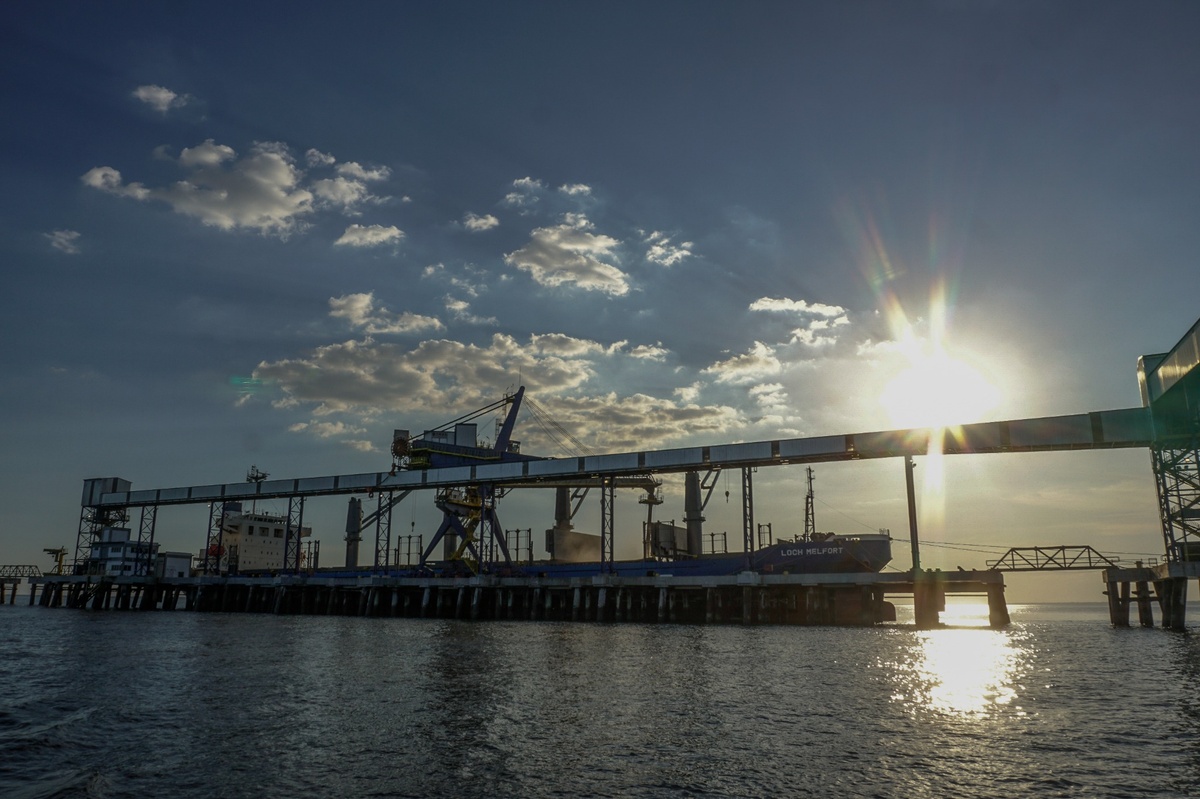
Private ports increased by 14.1% in January 2026 and lead port activity with 66% of the cargo, driven by oil, agribusiness, and exports.
-
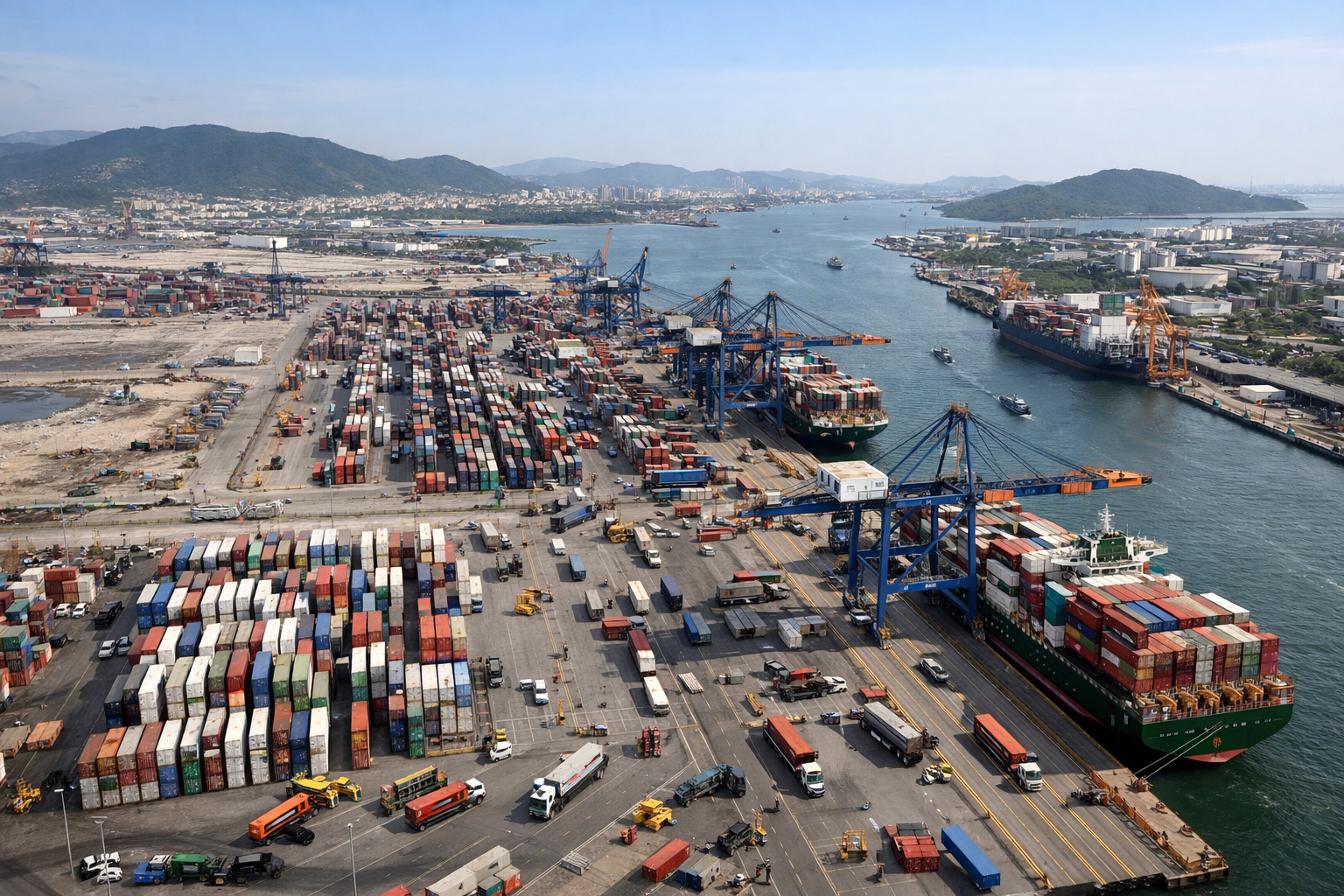
Government Releases R$ 5.1 Billion to Modernize Ports and Generate Over 5,000 Direct Jobs in Brazil
-
Merchant Marine Fund Approves R$ 5.1 Billion for Port Projects Aiming to Accelerate Port Modernization, Expand Logistics Infrastructure, and Generate Over 5,000 Jobs in Brazil
-
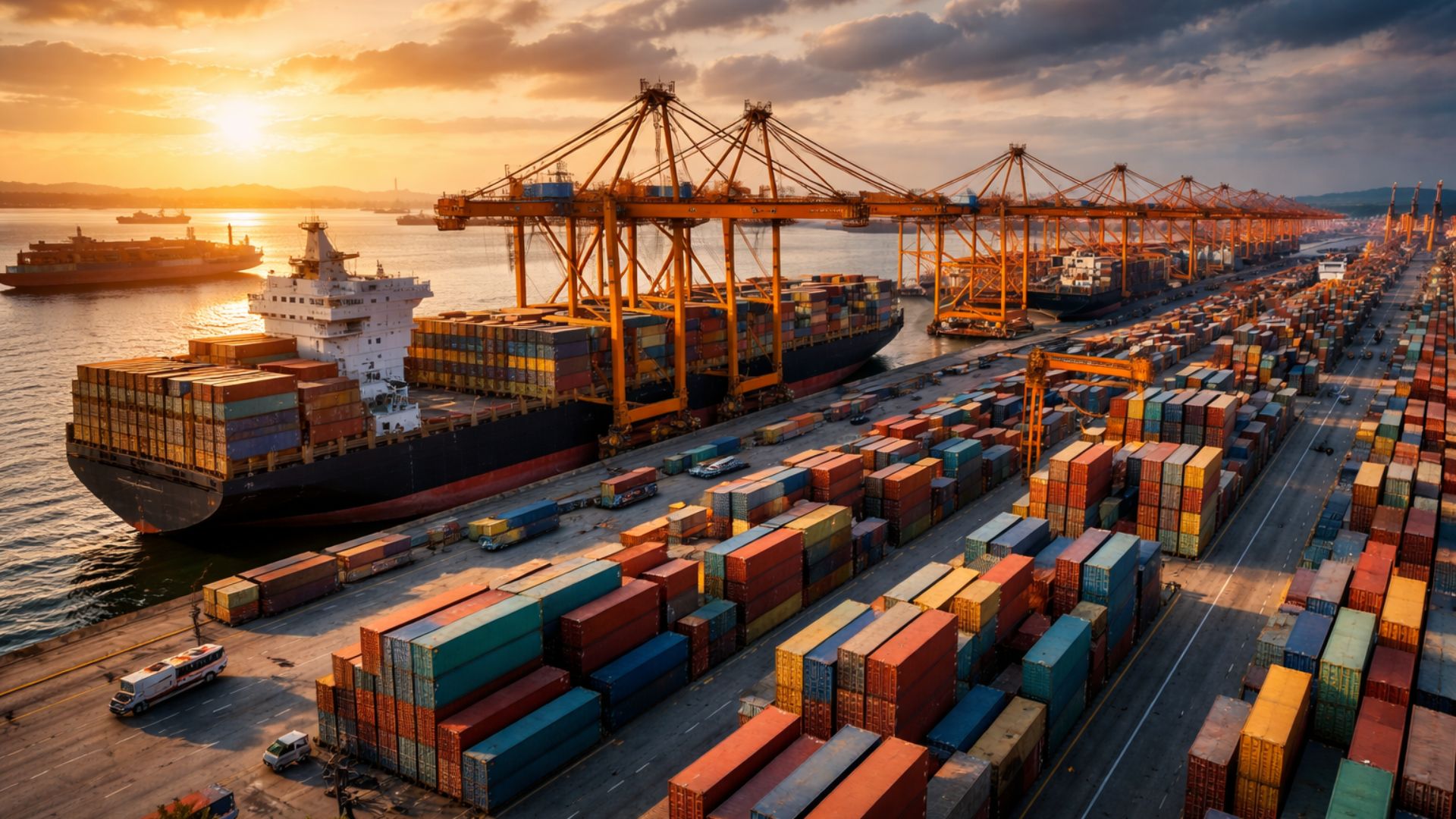
Giant of World Trade: Largest Port in Latin America Is in Brazil, Covers 7.8 Million Sq. Meters on São Paulo Coast, Accounts for 25% of All Exports, and Now May Undergo Historical Expansion That Triples Its Area and Changes the Future of National Logistics
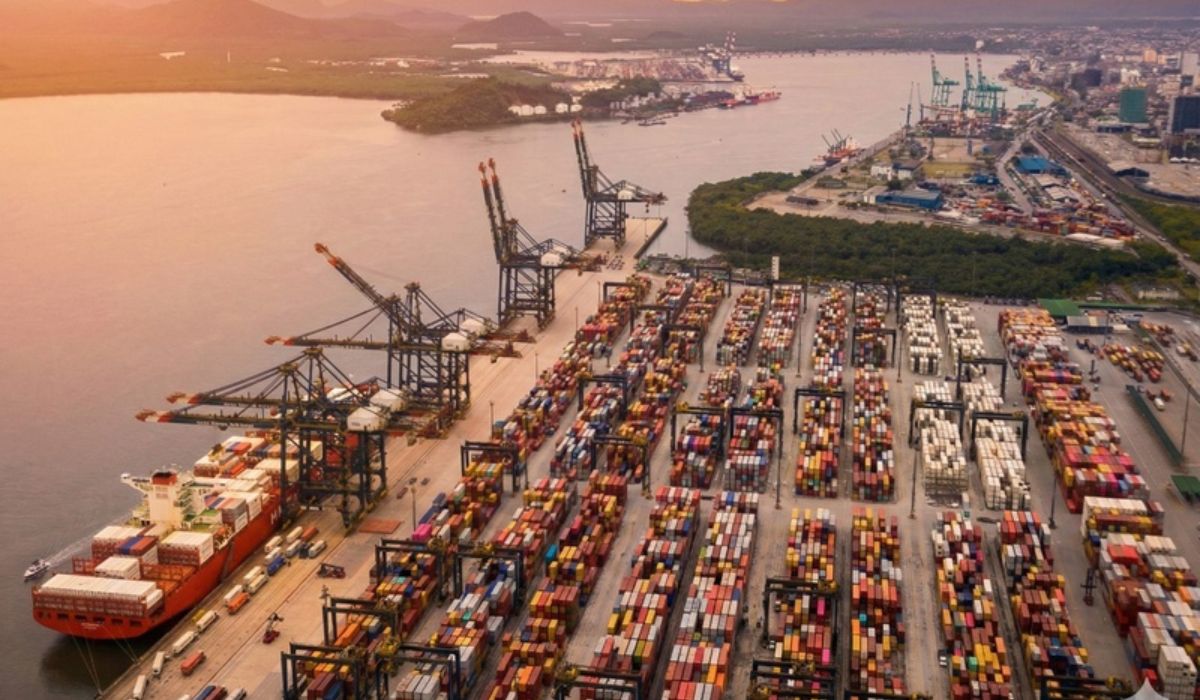
Historic Expansion to Receive Giant Ships
The central objective is clear: the first private container terminal in Brazil wants to receive the largest ships in the world and, with that, increase its competitiveness.
As explained by Portonave’s Administrative Superintendent Director, Osmari de Castilho Ribas, the adaptation is a direct response to the global demand for larger vessels.
“There is an immediate demand for the 366-meter ship (…). Our intention is, with this work, to enable these ships to operate here,” Ribas states.
In addition, he projects an increase in the navigation channel depth from 14 to 17 meters, an essential step to allow safe and more efficient maneuvers.
Reinforced Structure and Deep Interventions at the Dock
According to Portonave’s Special Projects Manager, José Mario Batista Cunha, the interventions at the dock involve the construction of two new beams with more robust foundations, reaching 56 meters in depth.
“The entire dock is being developed with a 400-meter length project in mind. All this study was done to achieve economies of scale and lower freight costs,” Cunha explains.
Even with the intense pace of works, the terminal continues to operate.
Operations are occurring with only one berthing facility, while the others undergo structural reinforcements.
In the future, the 900-meter dock could accommodate up to three ships simultaneously, depending on the size of the vessels.
“We are working at full speed and productivity (…). We are using all our capacity, confined in just one berth,” Cunha adds.
New Equipment and Unique Technology in Brazil
The investment package also includes R$ 439 million in new equipment, all electric. Among them:
2 Ship-to-Shore (STS) cranes;
14 Rubber Tyred Gantry (RTG) cranes;
1 Reach Stacker already in operation since August;
2 container scanners installed in September.
Thus, after the completion of civil works, the terminal will also be able to install shore power, a unique technology in Brazil, which provides electric power directly to docked ships, allowing for reduced emissions and noise.
“All this set enables us to operate larger ships and, consequently, to handle a larger volume of cargo being moved at the terminal,” comments Ribas.
Access Channel Auction and Expectations for 2026
Another decisive variable for the expansion is the concession of the access channel in Itajaí, infrastructure that also serves Navegantes.
Thus, the auction will take place in the first quarter of 2026.
“We are looking, together with shipowners, to see what the feasibility of this will be (…). It is important to have this implementation schedule,” Ribas asserts.
Importance of Private Use Terminals and Debate on the New Ports Law
Private Use Terminals (TUPs) account for about 60% of Brazilian port traffic.
The Executive Director of the Association of Private Port Terminals (ATP), Gabriela Costa, emphasizes that the sector depends on efficient public infrastructure to ensure competitiveness.
“We need to provide the TUPs with all the necessary national infrastructure (…). If we do not have efficient road, rail, and waterway access, we will never capitalize on these investments as we should,” she says.
Gabriela also highlights the discussion of PL 733/2025, the new Ports Law, advocating for specific adjustments to the current legislation, rather than a completely new framework.









Seja o primeiro a reagir!