





 Portuguese
  English
  Spanish
  5 min of reading
  1 comment


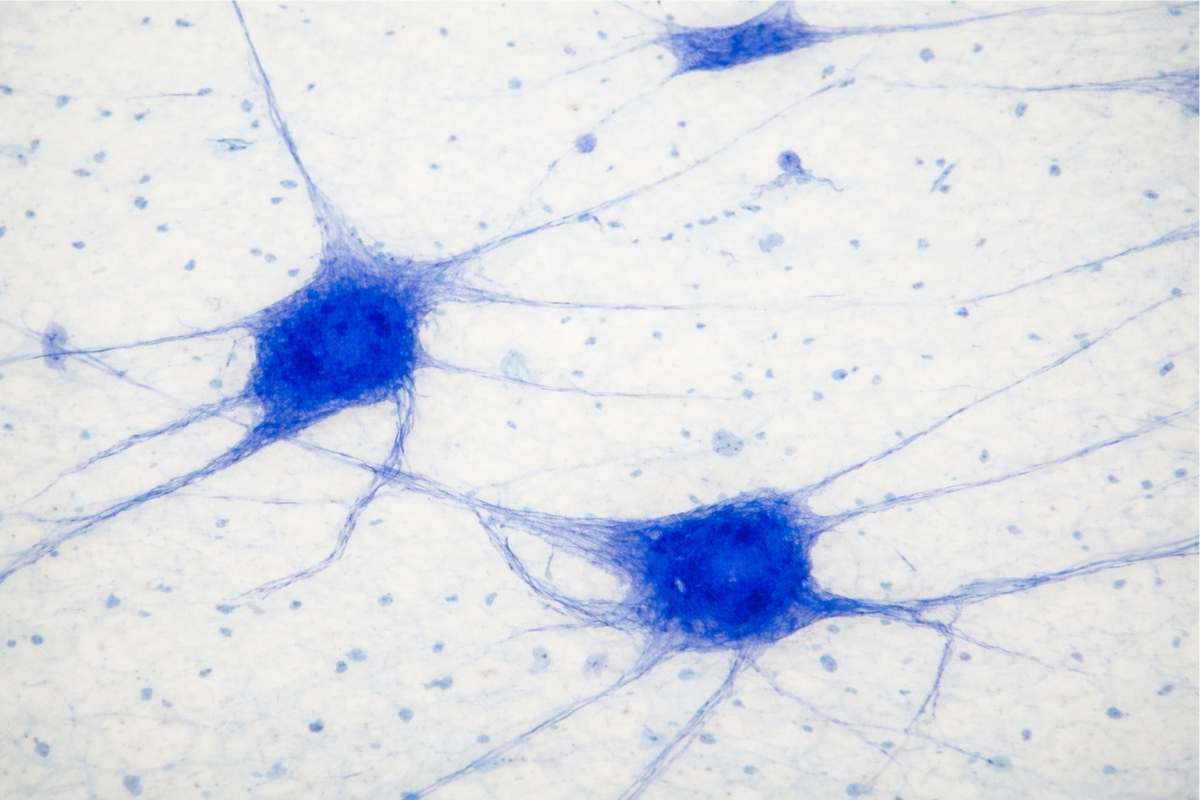


After Making Human Neurons Learn to Play Doom in Just One Week, The Same Company Now Advances in Creating Biological Data Centers and Attempts to Take This Technology to Unprecedented Scale
The Australian startup Cortical Labs aims to elevate biological computing to a new level with the construction of two data centers powered by chips with neural cells. The proposal places Melbourne and Singapore at the center of a race that blends computing, energy, and scalability.
The move draws attention because traditional data centers consume large volumes of electricity, while the demand for chips remains high. In this scenario, the company tries to carve out space for a model that uses living neurons instead of relying solely on conventional silicon.
Melbourne Will Have 120 CL1 Units and Opens the First Physical Scale of The Project
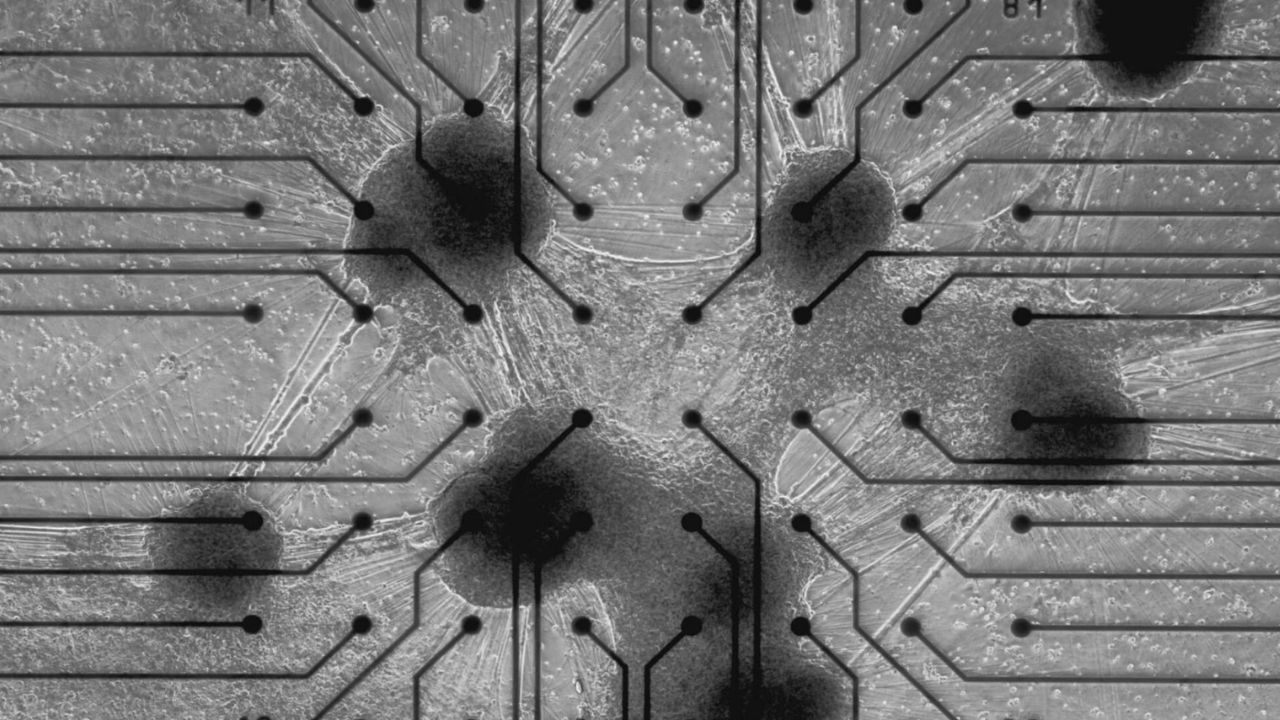
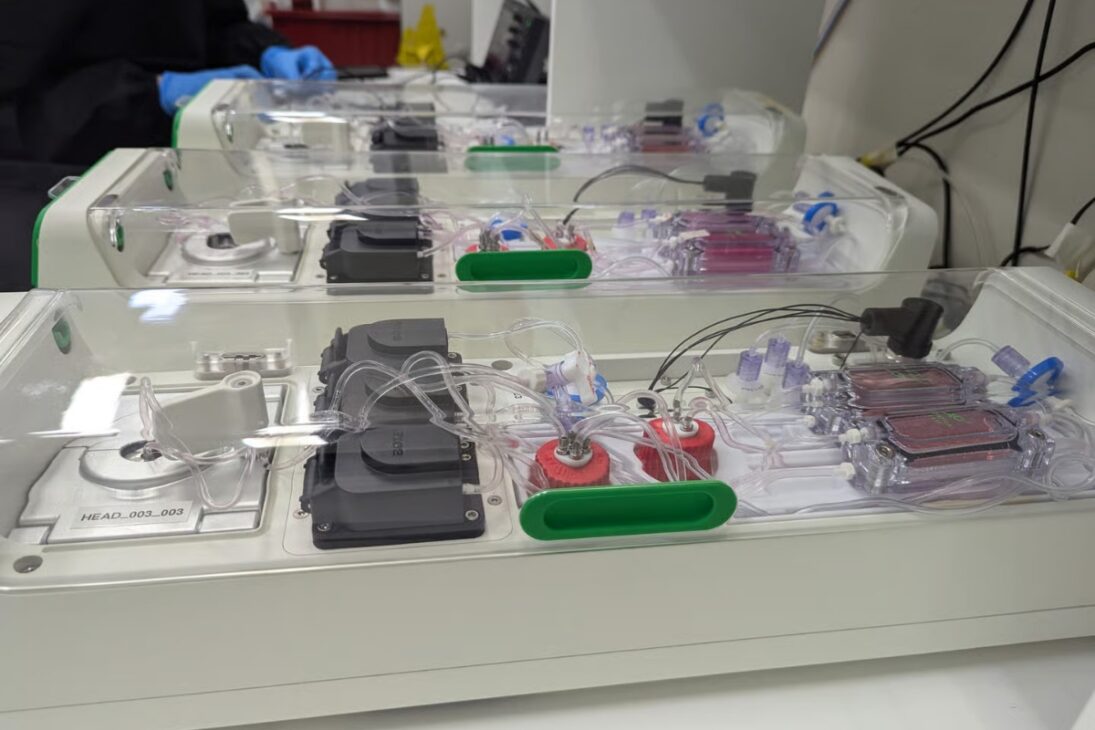
The first center will be installed in Melbourne and is expected to gather around 120 CL1 units. This number gives a more concrete dimension to the project, which until now was considered more for its experimental nature than for a physical application at scale.
-
A startup sends robotic gloves for users to wear at home while washing dishes, folding clothes, and making coffee; every finger movement is recorded and sent back to train a domestic robot that has already learned 10 million real tasks without ever having entered a kitchen.

-
In a flooded well, archaeologists found a 1,700-year-old Roman egg that still contains clear and yolk intact inside the very thin shell.

-
Something is happening around the Earth: Inside the huge explosion of fireballs in 2026

-
A hot air bubble coming from Argentina expands over Brazil, causing thermometers to exceed 38 degrees with a thermal sensation of 40 degrees in late March, affecting 6 states at once.


The basis of this technology is neural cells connected to microelectrode arrays, structures capable of stimulating the neurons and measuring their responses when receiving data. In simple terms, the system attempts to transform biological activity into useful processing for specific tasks.
The company had already demonstrated that its main computer, the CL1, managed to learn to play Doom in one week. This achievement helps illustrate the platform’s potential, but also makes it clear that the progress is still tied to limited and controlled tasks.
Singapore Starts with 20 Systems and Aims for 1000 Units After Approval
The second center is being developed in collaboration with the National University of Singapore. In the initial phase, the installation will have 20 CL1 units, but the company’s goal is to expand this number to 1000 units in a larger center, provided there is regulatory approval.
This expansion is strategic because it can enhance cloud computing services based on neurons. In practice, Cortical Labs attempts to move from patch demonstration to broader access for researchers and teams who currently find it difficult to set up this type of system on their own.
Michael Barros from the University of Essex notes that platforms of this type often require considerable effort, money, and laboratory work. Therefore, making this infrastructure accessible at scale could represent a significant change for those researching biological computing.
According to New Scientist, a British Science and Technology Magazine, Each CL1 Consumes 30 Watts and Aims to Impact the Energy Bill
The energy promise is one of the strongest points of the project. Cortical Labs claims that each CL1 needs about 30 watts, while a conventional high-end chip aimed at artificial intelligence can require thousands of watts.
This contrast helps explain why the proposal generates interest. Instead of only competing for raw power, the company seeks to engage in the discussion from the efficiency side, especially at a time when the electricity consumption of data centers has become a central theme in the technology sector.
Paul Roach from Loughborough University assesses that the savings could be significant when these systems occupy entire rooms, as is already the case with traditional servers. He also highlights that biological chips require resources to keep neurons alive, such as nutrients, but tend to need less cooling, which could alleviate some of the energy pressure.
Learning Doom in One Week Is Still Far From the Leap to Larger Models
Despite the progress, experts say that the current stage is still far from something ready for widespread use. Reinhold Scherer, also from the University of Essex, states that it is still unclear exactly how these neurons function in learning tasks or what the best way to train them is.
The central point is that neurons are not programmed like ordinary computers. Instead of following rigid instructions, they need to be trained and observed differently, which makes the process less predictable and much more delicate.
Tjeerd olde Scheper from Oxford Brookes University summarizes this moment as an initial phase of development. Steve Furber from the University of Manchester sees a significant gap between a small set of neurons playing a game and much more complex systems, such as language models.
The scale comparison also weighs in. The proposed biological center will have hundreds of chips, while the largest artificial intelligence data centers operate with hundreds of thousands of GPUs. This shows that the project may be relevant as an experiment and research platform, but is not yet competing on the same ground as the giants in the sector.


Limited Memory and New Training Every 30 Days Still Hinder Scaling
One of the biggest obstacles is storing the learned data. There is still no clear answer on how to store the results of neuron training in a stable form of memory, nor how to execute complete computational algorithms in this biological environment.
Another problem arises when the cell culture comes to an end. Scherer highlights that what has been learned is lost with the cessation of life of that culture, necessitating new training. If this cycle needs to be repeated every 30 days, the technology faces a significant practical limit for continuous operation.
This point directly impacts the commercial future of the proposal. Without a stable way to preserve learning and reuse results, the gain in energy efficiency may be hindered by an operational cost that has yet to be resolved.
The initiative by Cortical Labs places Melbourne and Singapore in a rare showcase of biological computing, with numbers that already attract attention and a proposal aimed at reducing energy consumption in a sector increasingly pressured by scale.
At the same time, the technical limits are still significant. The project expands the presence of this new technological front and redefines the strategic reading on the future of data centers, but the real race is just beginning.










Matrix começou assim….