





 Portuguese
  English
  Spanish
  5 min of reading
  0 comments



Archeological Study in Southern Cone Analyzes Faunal Remains Associated with Ancient Human Occupations and Points to Food Consumption Patterns at the End of the Pleistocene, a Period Marked by Profound Environmental Changes and the Disappearance of Large Mammals.
A scientific study analyzed faunal remains associated with human occupations in the Southern Cone and indicates that large animals, known as megafauna, were among the main prey of human groups at the end of the Pleistocene.
The research evaluated archeological assemblages located in Argentina, Chile, and Uruguay and indicates that mammals weighing over 44 kilograms appear predominantly in the records prior to the disappearance of these species.
The gathered data encompasses about 20 archeological assemblages with estimated chronologies ranging from approximately 13,000 to 11,600 years ago, a transitional period leading into the Holocene.
-
With a cost per shot close to zero, the DragonFire laser could change naval warfare in 2027 and provide British ships with nearly unlimited defense against drones.

-
A British startup creates tires that generate electricity in electric vehicles when passing over potholes, speed bumps, and cracks.

-
Scientists have created robots made with living cells that have their own nervous system, swim on their own, explore the environment, and self-organize without any genetic engineering, and now they want to do the same with human cells.

-
Students create a solar-powered ambulance that operates without a plug, without fuel, and still keeps medical equipment running in remote areas.

According to the authors, in 15 of these assemblages, the bones of megafauna animals outnumber those of smaller species, and in 13 cases represent over 80% of the identified material.
Archeological Evidence and Human Diet at the End of the Pleistocene
The analysis included sites recognized for concentrating ancient evidence of human presence associated with Late Pleistocene fauna.
Among them are Campo Laborde in the Pampas region, Cueva Fell in Patagonia, Tagua Tagua in Central Chile, and Monte Verde II, also in Chile.
According to the study, the recurrence of large mammals at these sites suggests that the exploitation of this type of prey occurred in different environmental contexts in the southern part of South America.
By examining the composition of the faunal assemblages, the researchers observed regional variations.
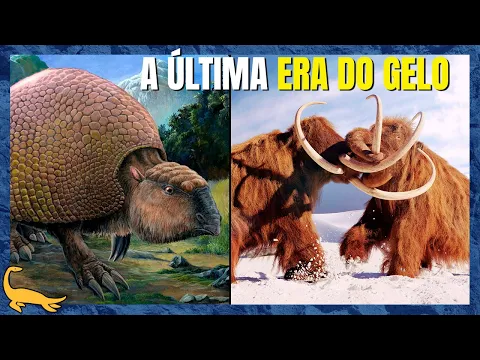
In Patagonia, remains attributed to the giant ground sloth Mylodon darwinii appear at a high frequency.
In the Pampas, records highlight Megatherium americanum.
Meanwhile, in Central Chile, there is a greater presence of Notiomastodon platensis, an extinct proboscidean related to elephants.
Although the assemblages also include medium and small species, such as other mammals and smaller animals, these remains appear in reduced proportions compared to those of the megafauna.
For the authors, this pattern indicates that, while these large animals were available, they played a significant role in the diet recorded at the analyzed sites.

Energy Models Explain Hunting Choices
To assess whether hunting large animals would be compatible with subsistence strategies, the researchers applied prey choice models.
These models are used to estimate the balance between the effort required to capture an animal and the energy return obtained, considering factors such as amount of meat, fat, and available calories.
Based on these calculations, the study points out that several extinct large species would present high energy returns after encounters, even accounting for the costs associated with hunting and processing the carcasses.
According to the authors, this type of analysis helps explain why large prey appears recurrently in the archeological assemblages, despite the difficulties involved in capturing them.
The research emphasizes that the predominance of megafauna cannot be attributed solely to preservation processes or how the sites were excavated.
In the presented interpretation, the repetition of this pattern in different regions reinforces the idea that these animals were systematically integrated into the subsistence strategies of some human populations during the period.
Changes in Consumption After the Decline of Megafauna
The study also relates changes in the composition of faunal assemblages to the progressive reduction of megafauna.
According to the gathered chronologies, the availability of these large animals begins to sharply decline from around 12,500 years ago, with near-total disappearance by around 11,600 years ago.


With the reduction of this resource, the models used suggest a widening of the dietary spectrum, with greater inclusion of smaller animals.
This pattern is observed in later archeological contexts, where records of medium species, such as camelids and cervids, increase, along with other resources that vary according to the local environment.
Still, the main focus of the analysis is on the assemblages prior to this collapse.
In these, the participation of megafauna remains high, which, according to the authors, differentiates these contexts from more recent periods and helps to understand changes in subsistence strategies over time.
Scientific Debate on Extinctions in the Southern Cone
The relationship between human presence and the extinction of megafauna continues to be a topic of debate in archaeology and paleoecology.
Previous research has already pointed out that climate changes associated with the end of the last glacial period caused significant environmental alterations, considered by many experts to be a central factor in the disappearance of large mammals in different parts of the world.
At the same time, there are divergences regarding the role of human hunting in this process.
Part of the literature maintains that the direct influence of human groups was limited, while other studies argue that the pressure exerted by hunter-gatherers significantly contributed to the decline of megafauna populations.
The journal Popular Archaeology summarizes this debate by highlighting the coexistence of these interpretations in recent scientific production.
In the South American context, the authors of the study acknowledge limitations in the archeological record.
The scarcity of sites with unequivocal associations between human remains and extinct animals, along with preservation and chronological resolution issues, complicates establishing direct causal relationships between hunting and extinction.
Despite these restrictions, the finding that megafauna occupies a central position in many assemblages prior to their disappearance broadens the debate about the role of human populations at the end of the Pleistocene in the Southern Cone.
According to the researchers, this data indicates the need to reassess the relative importance of human exploitation in conjunction with broader environmental factors.







-

Uma pessoa reagiu a isso.