





 Portuguese
  English
  Spanish
  4 min of reading
  0 comments



A Strong Industrial Policy Is Essential For Sustainable Development, As There Is No Large Country Without Industrial Advances.
Neoindustrialization is a process that has been increasingly discussed in the context of the global economy. The term refers to the modernization and enhancement of industry, through the incorporation of new technologies and production methods. In Brazil, the National Confederation of Industry (CNI) plays a fundamental role in promoting neoindustrialization, seeking to boost the development of the sector and increase the competitiveness of Brazilian companies in the international market.
Neoindustrialization is seen as a response to the challenges of the Industrial Revolution, which transformed the way production was carried out. With the adoption of innovative initiatives and investments in research and development, companies seek to adapt to the new demands of the market and ensure their relevance in the economic landscape. The actions of leaders like Ricardo Alban, president of the National Confederation of Industry (CNI), are crucial to promote the modernization and sustainable growth of the industrial sector.
New Cycle of Neoindustrialization in Brazil – Strategies to Leverage the Sector
I start my new term with much enthusiasm and energy, aware of the magnitude of the work ahead of us. This is a crucial moment for the Brazilian industry, and we need to remain tireless in our deliveries. The productive sector is facing challenges in its ability to compete in global markets, and this is something we cannot ignore. Our challenge is to seek strategies aimed at elevating the productivity of the industry and driving its growth in a solid and sustainable manner, so as to make Brazil a prominent competitor.
-
Historic bankruptcy of Centauro shocks the market, and the century-old company puts more than 500,000 products, machines, and complete infrastructure up for online auction.

-
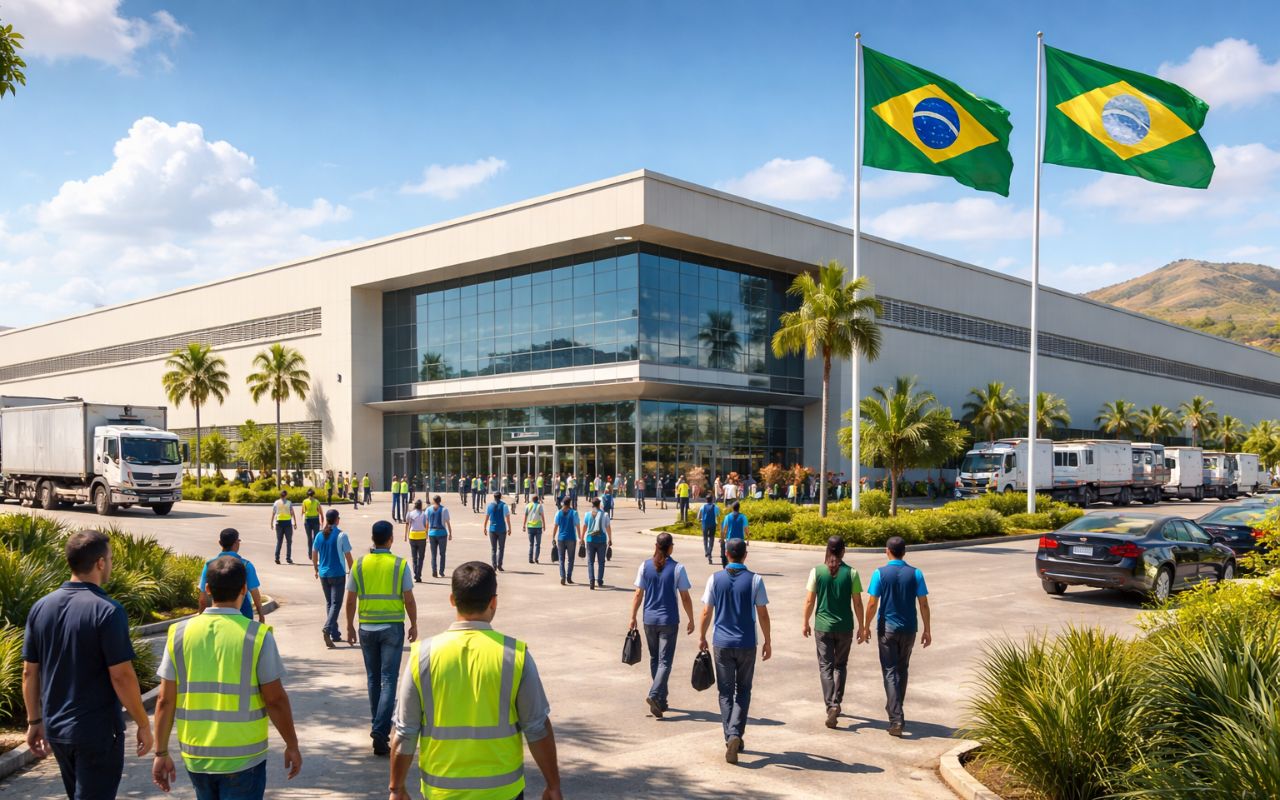
New shoe factory in Ceará is expected to create 400 jobs and strengthen the local economy.
-
No one imagined it, but a mixture of sawdust with a mineral that fights fires surprises scientists with a result that changes the course of fire-resistant construction.

-
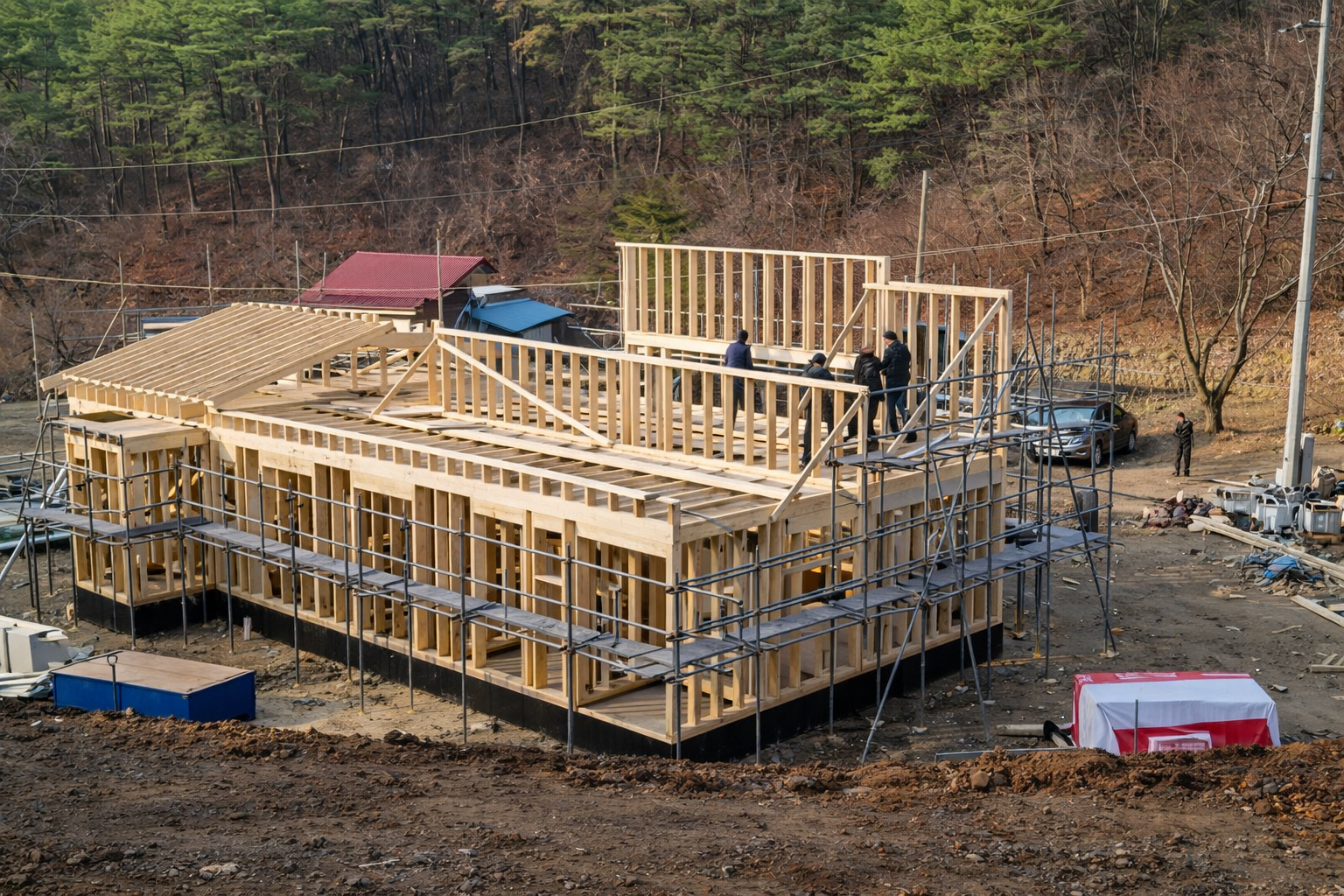
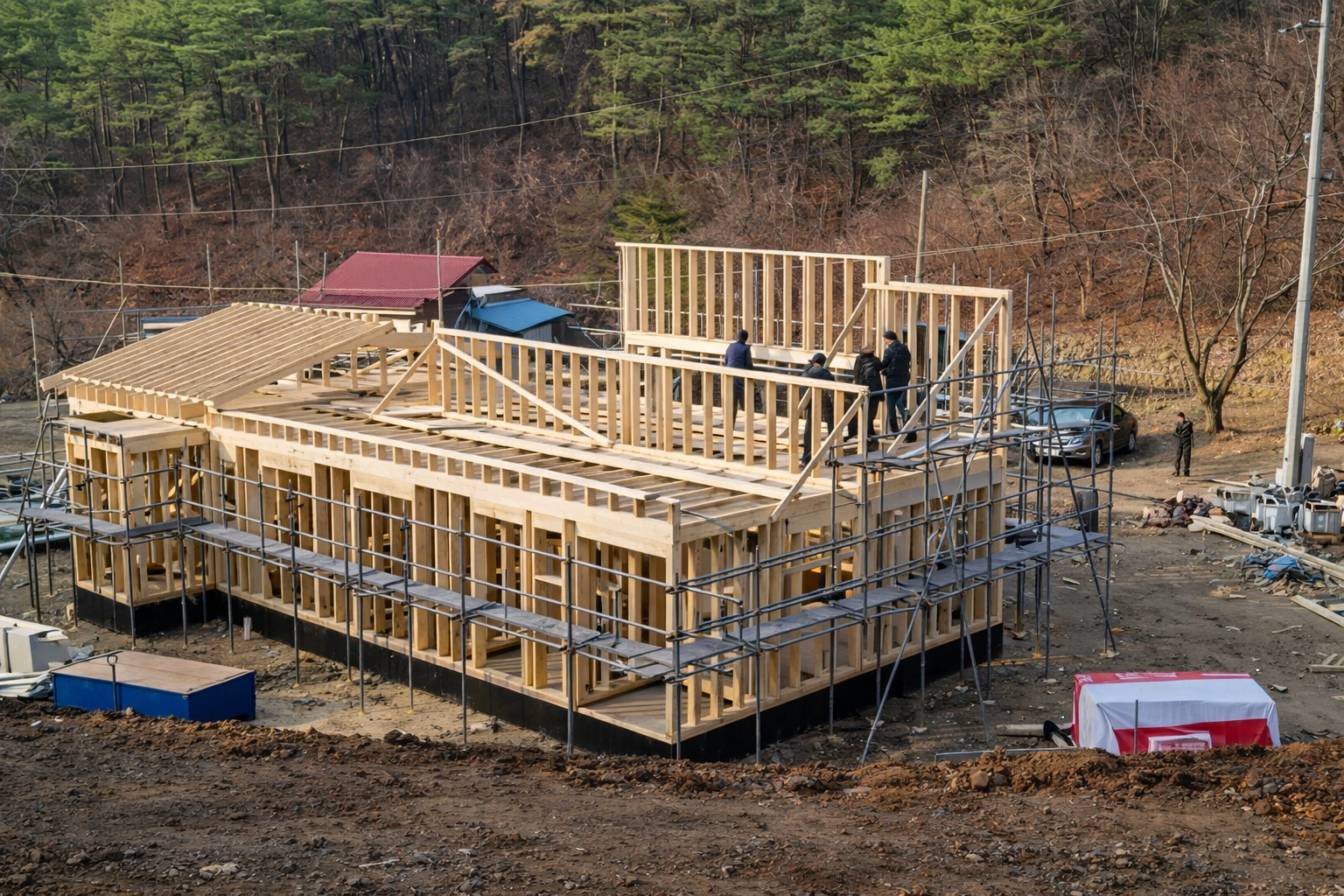
From empty land to a high-end house, wooden construction uses a lightweight system, metal structure for the foundation, ventilated ceramic cladding, and special windows to create an efficient and comfortable living space throughout the year.

Importance of Neoindustrialization – Reflections from the Industrial Revolution
It is undeniable that an effective industrial policy is fundamental to drive socioeconomic development on solid and sustainable bases. The industry has played a vital role in the development of Asian countries, and its transformative potential is unquestionable. The pursuit of favorable conditions for competitiveness is an uncontested priority, especially in a context where governments and companies around the world are massively investing in the green industrial revolution.
Challenges and Opportunities in a Low-Carbon Economy
The transition to a low-carbon economy is a priority on our agenda, and we are aware that the sustainability of the industry is inseparable from this movement. Leveraging the opportunities offered by this transition requires investments in clean technologies, and the Brazilian industry is prepared to lead this movement, considering its competitive advantages and predominantly clean energy matrix. Green hydrogen is one of the main bets to drive this transformation in the sector.
The Impact of Tax Reform on Neoindustrialization
The recent approval of tax reform represents an important milestone for the country, bringing positive effects for the business environment and economic growth. However, it is crucial to closely analyze the aspects related to excess activities with reduced rates and consider any necessary corrections to ensure an equitable and efficient tax system.
Professional Qualification and the Challenges of Neoindustrialization
Investing in professional qualification is essential to meet the demands arising from neoindustrialization. Innovative strategies, such as the proposal to offer professional education shifts, can significantly contribute to meet the needs of the sector, driving growth and competitiveness.
The Role of Public and Private Credit in Neoindustrialization
Public and private credit play complementary roles in financing the industry, and deepening the dialogue with the financial system is essential to ensure favorable conditions for industrial activity. We recognize the efforts of BNDES in stimulating industrialization and acknowledge the need for competitive costs to ensure the vitality of the sector.
Promotion of Diversity in Business Leadership
Encouraging women’s participation in leadership positions is a priority on our agenda, and we are committed to creating favorable conditions for women’s presence in strategic roles. The launch of the National Forum of Businesswomen is a significant step in this direction.
Mercosur-European Union Agreement and Its Impact on Industry
We highlight the importance of concluding this agreement, which will bring significant benefits to the trade relationship between the countries involved. The reduction of import taxes will have direct impacts on the industry, stimulating competitiveness and market expansion.
Encouragement of Innovation and Research in Industry
Investing in physical and regulatory structures and encouraging innovation and research are essential pillars for sustainable and competitive industrial development. Commitments to more resources for research and innovation are fundamental to drive the evolution and competitiveness of the sector.
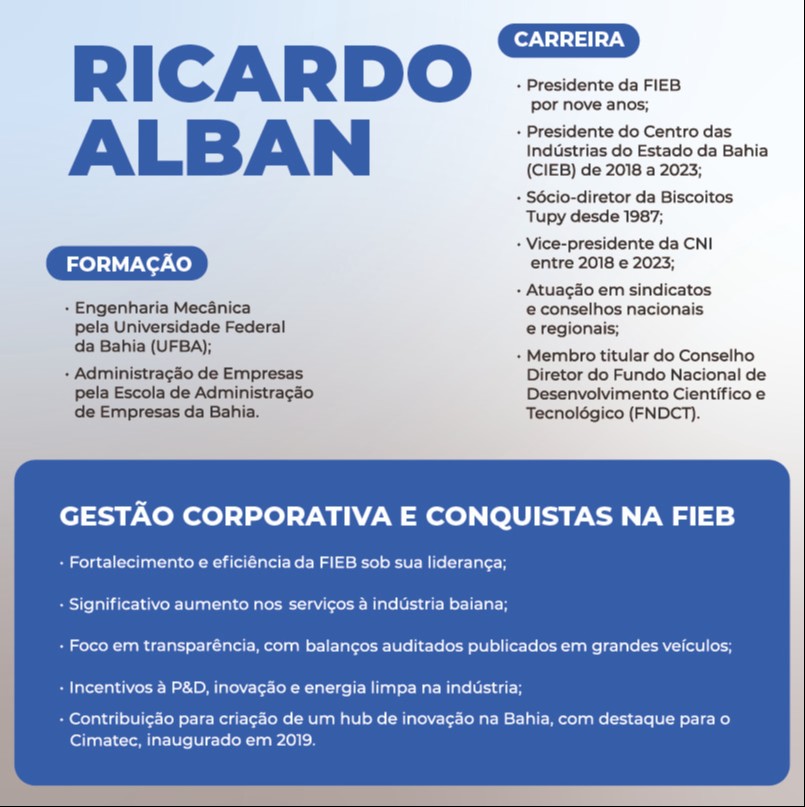
Source: Portal da Indústria







Seja o primeiro a reagir!