





 Portuguese
  English
  Spanish
  5 min of reading
  0 comments


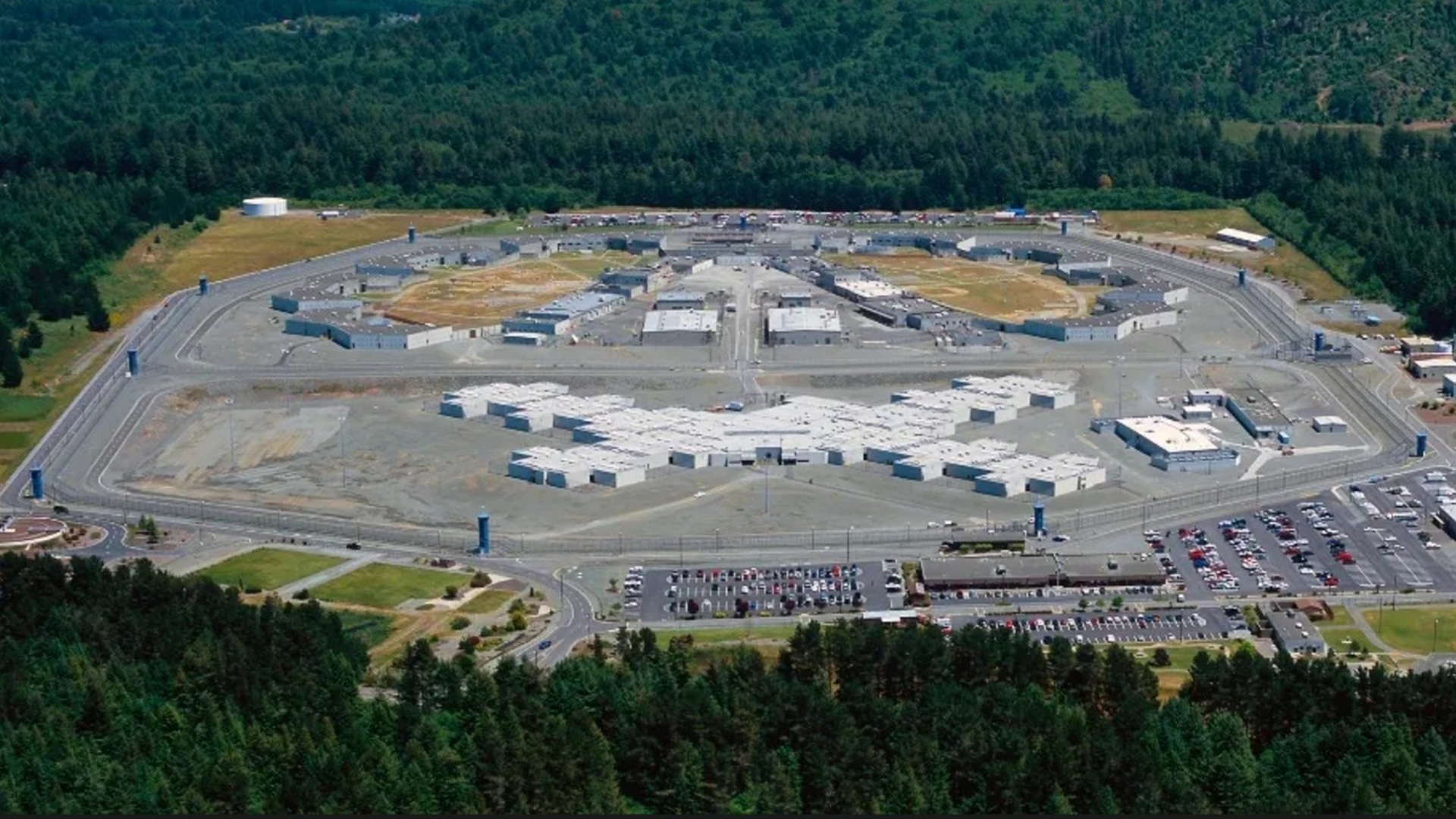
After Decades of Extreme Isolation, the Prison Revised Its Security Protocols and Abolished Indeterminate Solitary Confinement, While Maintaining Its Lethal Fence Infrastructure and Electronic Surveillance to Monitor Thousands of High-Risk Inmates Under New Constitutional Rules.
Located in Crescent City, California, the Pelicano Bay State Prison currently operates under new protocols after decades of federal litigation. Originally designed to isolate 3,500 high-risk inmates, the institution was forced to eliminate indeterminate solitary confinement, transforming its “supermax” structure into a behavior-based segregation model.
The End of Indeterminate Solitary Confinement and Structural Reforms
The Security Housing Unit (SHU) of Pelican Bay had, for decades, been the final destination for gang leaders in California. Until 2015, hundreds of prisoners remained isolated for periods exceeding 20 years. The criterion for confinement was merely gang affiliation, without the need for active infractions.
This model was dismantled following the court settlement resulting from the case Ashker v. Governor of California. The state agreed to end the use of indeterminate isolation. Today, SHU residency is strictly based on severe behavioral infractions committed within the prison, with fixed terms of punishment.
-
He started running at 66 years old, broke records at 82, and is now a subject of study for having a metabolic age comparable to that of a 20-year-old, in a case that is intriguing scientists and inspiring the world.

-
Oldest tree on the planet reappears after 130 years of searches: Wattieza, 385 million years old, was 10 meters tall and had no leaves or seeds; Gilboa fossils in New York solved the mystery in 2007.

-
A 48-square-meter house assembled in hours with 4,000 bricks made of recycled plastic that does not absorb moisture, has natural thermal insulation, and costs less than 90,000 reais in a complete kit.

-
Luciano Hang revealed that Havan’s air fleet has already accumulated more than 20,000 landings, 10,000 flight hours, and 6 million kilometers traveled, and he says that without the planes, the company would never have grown so quickly.

The SHU population has undergone a drastic reduction. At the height of “supermax” policies, over 1,100 men occupied the isolation cells. Recent data from the California Department of Corrections and Rehabilitation (CDCR) indicate a reduction of over 90% in the occupancy of these specific units under the former regime.
The white concrete cells, with no windows to the outside, still exist. However, the 23-hour daily lockdown regime has been relaxed for many inmates. The “X”-shaped structure, designed to minimize human contact, now houses step-by-step rehabilitation programs.
Total isolation, where prisoners spent decades without seeing a tree or having physical contact, was deemed unconstitutional when applied indefinitely. The transition required the reclassification of thousands of inmates, who were transferred to general population yards or other medium-security institutions.
Lethal Containment Infrastructure and Electronic Monitoring
Despite the administrative changes, the perimeter security of Pelican Bay remains one of the most severe in the United States. The prison is situated in a remote area of 111 acres, surrounded by dense redwood forest, which logistically hinders any external escape attempts.
The primary containment mechanism is the lethal electric fence. Operating at 5,100 volts, the barrier is designed to cause instant death upon contact. This technology has eliminated the need for armed guards in all watchtowers, reducing payroll operational costs.
The internal monitoring system has evolved. High-resolution cameras cover the blind spots that existed in the 1990s. The internal architecture, with doors remotely controlled by officers in armored booths, aims to prevent hostage-taking during routine movements.
Body and cell searches remain frequent. The use of modern body scanners has replaced part of the invasive manual searches, although physical inspections still occur. The entry of contraband, especially synthetic drugs and microcellular items, has become the new focus of security, replacing the rudimentary handmade weapons of the past.
Psychological Legacy and the History of Institutional Violence
The impact of the former isolation regime has left deep scars on the American penal system. Psychiatric studies conducted with inmates of Pelican Bay have substantiated the thesis of the “SHU Syndrome.” Symptoms include hallucinations, panic attacks, and loss of social interaction capability after years of segregation.
The case of inmate Eddie Mills, cited in documentaries from the early 2000s, exemplifies the old era. A member of the Aryan Brotherhood, Mills spent over a decade in total isolation. Federal records confirm that he died in 2018 while in custody at ADX Florence prison, after being transferred from California.
Fernando Medina, another historic inmate who spent 17 years in the SHU, reported in court proceedings the mental deterioration caused by the lack of stimulation. The testimony of prisoners like him was vital for the hunger strikes of 2011 and 2013, which mobilized 30,000 inmates in California and forced legislative change.
Violence between guards and inmates has also changed in profile. The era of “gladiators,” where guards organized fights between prisoners in the 90s, resulted in federal intervention. Today, the use of lethal force is strictly regulated, with a requirement for officers to wear body cameras.
Current Security Protocols and General Population Units
Currently, most inmates in Pelican Bay live in General Population units (Level IV). Unlike the SHU, these sectors allow daily interaction in concrete yards. However, violence among the Norteños, Sureños, and white supremacist gangs still requires strategic segregation.
The exercise yards now feature equipment that was previously banned. Access to educational and legal programs has been expanded. The legal library, once restricted, is accessed more frequently, allowing inmates to work on their own appeals.
The cells with perforated acrylic fronts are still used in specific wings for inmates who engage in “gassing” (body fluid attacks) against staff. However, the use of these cells requires documented justification and periodic review, no longer being a standard permanent allocation.
Food delivery continues in cells in restrictive units, but the community dining hall has been reactivated for lower-risk blocks. Meal and shower times are timed. Overcrowding, which previously reached 150% of the designed capacity, has been mitigated by California’s prison realignment laws.
Pelican Bay today functions as a hybrid. It maintains the architecture of an impenetrable fortress but operates under laws that prohibit total sensory isolation. The institution seeks to balance the containment of violent criminals with the constitutional requirement for humane treatment, moving away from the purely punitive model of the 20th century.
SOURCE This article was prepared based on reports from the California Department of Corrections and Rehabilitation (CDCR), documents from the court settlement Ashker v. Governor of California (2015), records from the Center for Constitutional Rights regarding the hunger strikes of 2011-2013, federal obituaries, and retrospective analyses of the documentary “Louis Theroux: Behind Bars” (BBC) compared to current legislation.









-

-

2 pessoas reagiram a isso.