





 English
  Francês
  Alemão
  Italiano
  Japonês
  Norueguês
  Portuguese
  Spanish
  3 min of reading
  0 comments


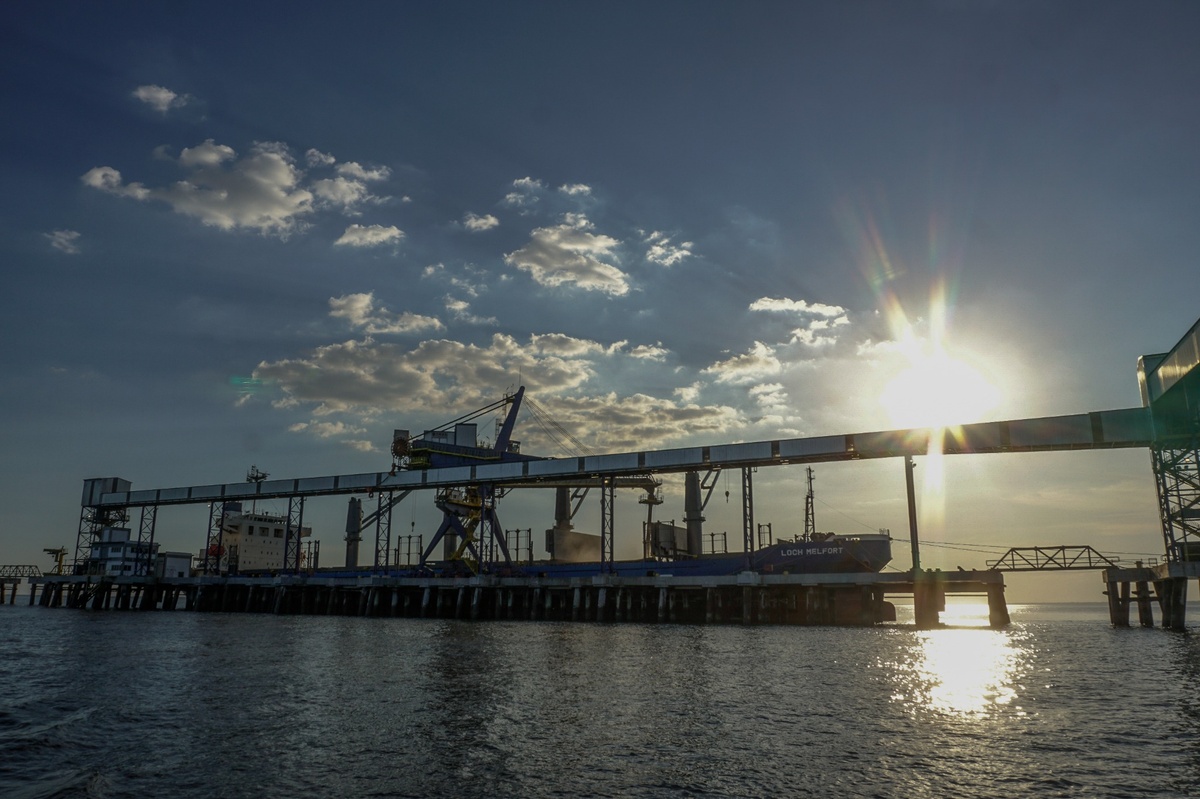
Growth of private terminals reinforces logistical protagonism in Brazil, with highlights on oil, grains, and inland navigation in January 2026
Moreover, the Brazilian private terminals started 2026 at an accelerated pace, according to data released in January 2026 by the Association of Private Port Terminals (ATP), based on the Waterway Statistics of the National Agency for Waterway Transportation (Antaq).
Thus, the Private Use Terminals (TUP) handled 68.6 million tons, representing a growth of 14.1% compared to January 2025.
Meanwhile, private ports accounted for 66% of the national port cargo, consolidating their leadership.
At the same time, organized ports handled 35.3 million tons, with an increase of 10.3%.
Therefore, in total, Brazilian port movement reached 103.9 million tons, recording an advance of 12.8% in the analyzed period.
-
Government Releases R$ 5.1 Billion to Modernize Ports and Generate Over 5,000 Direct Jobs in Brazil
-
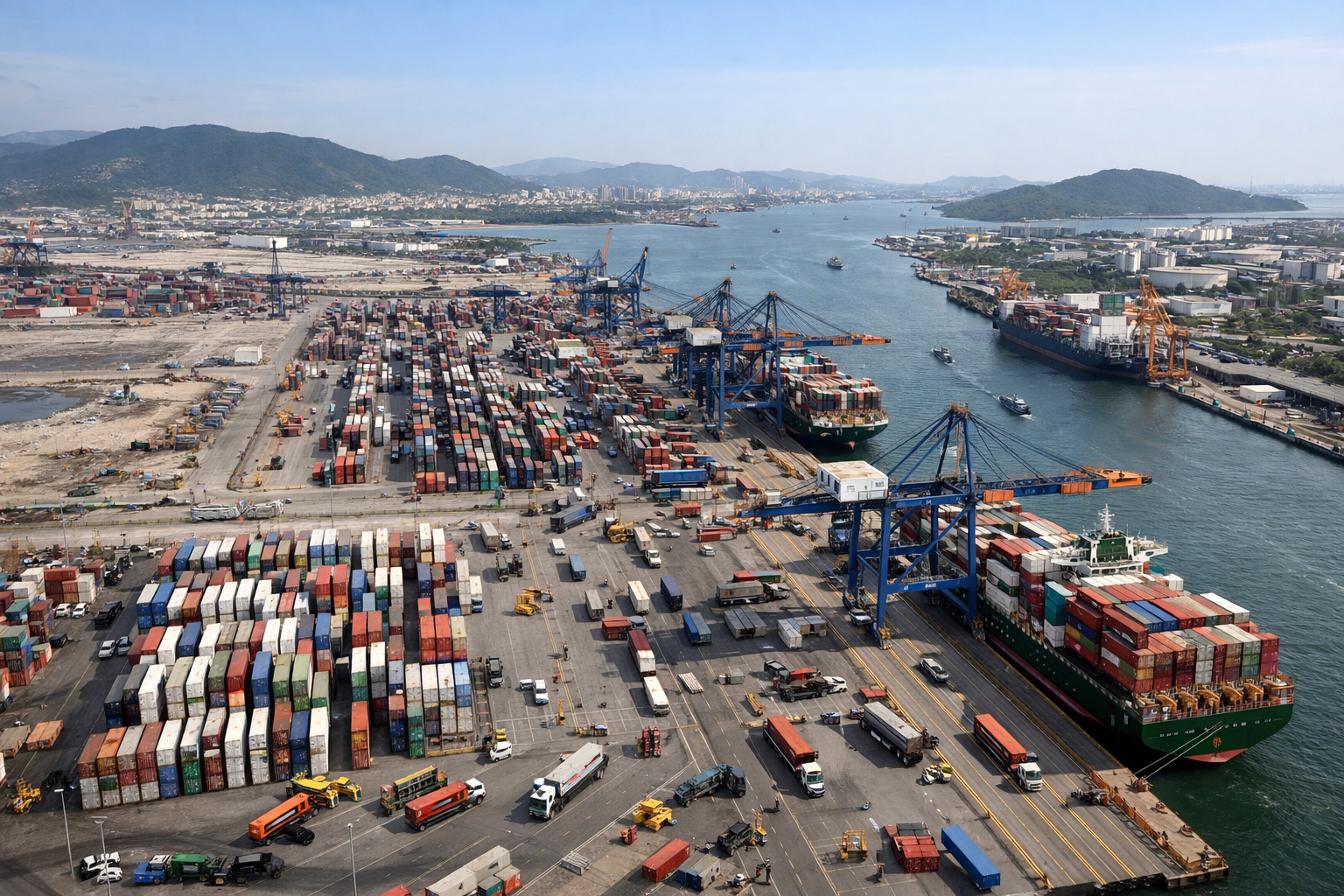
Merchant Marine Fund Approves R$ 5.1 Billion for Port Projects Aiming to Accelerate Port Modernization, Expand Logistics Infrastructure, and Generate Over 5,000 Jobs in Brazil
-
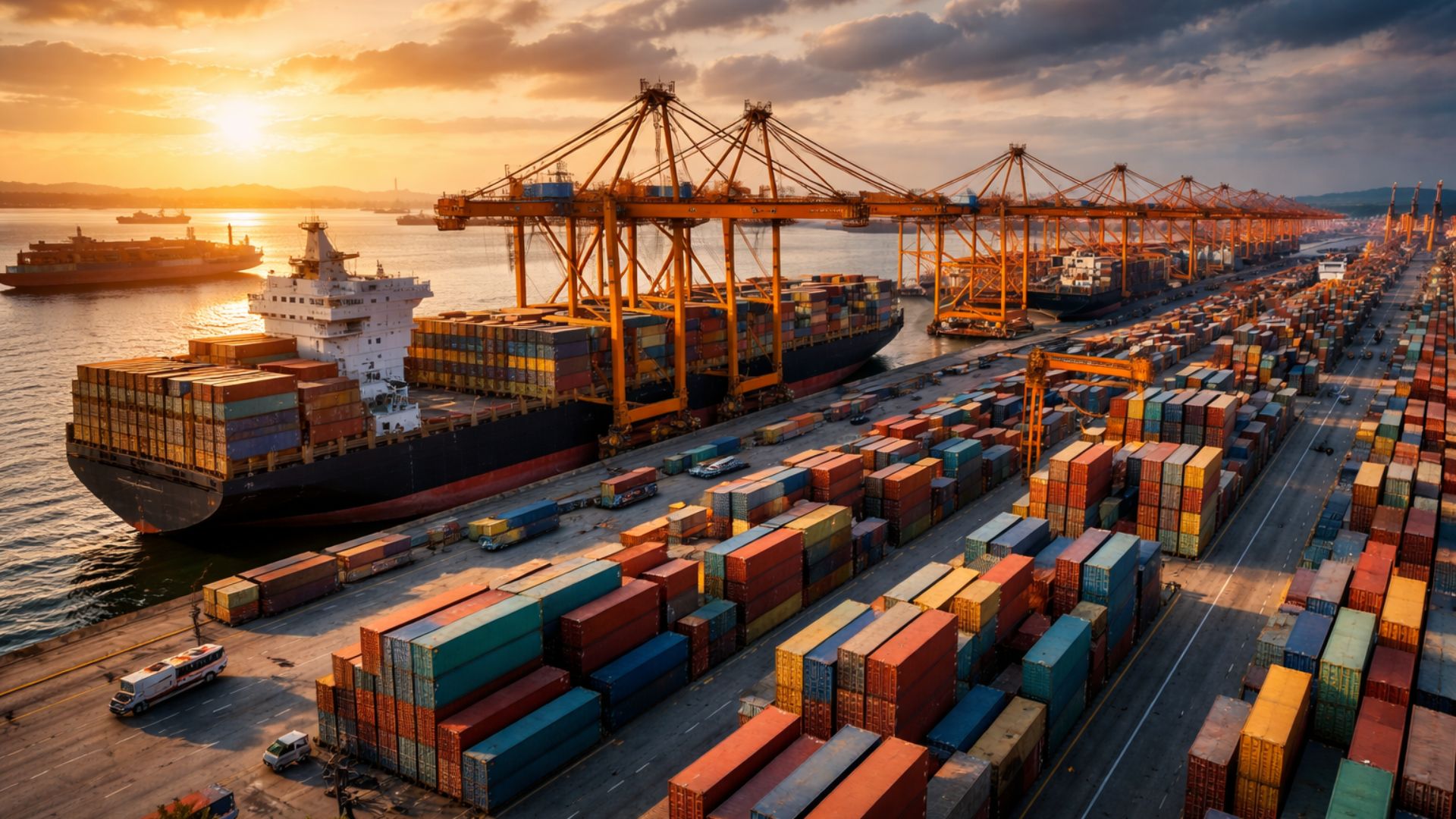
Giant of World Trade: Largest Port in Latin America Is in Brazil, Covers 7.8 Million Sq. Meters on São Paulo Coast, Accounts for 25% of All Exports, and Now May Undergo Historical Expansion That Triples Its Area and Changes the Future of National Logistics
-
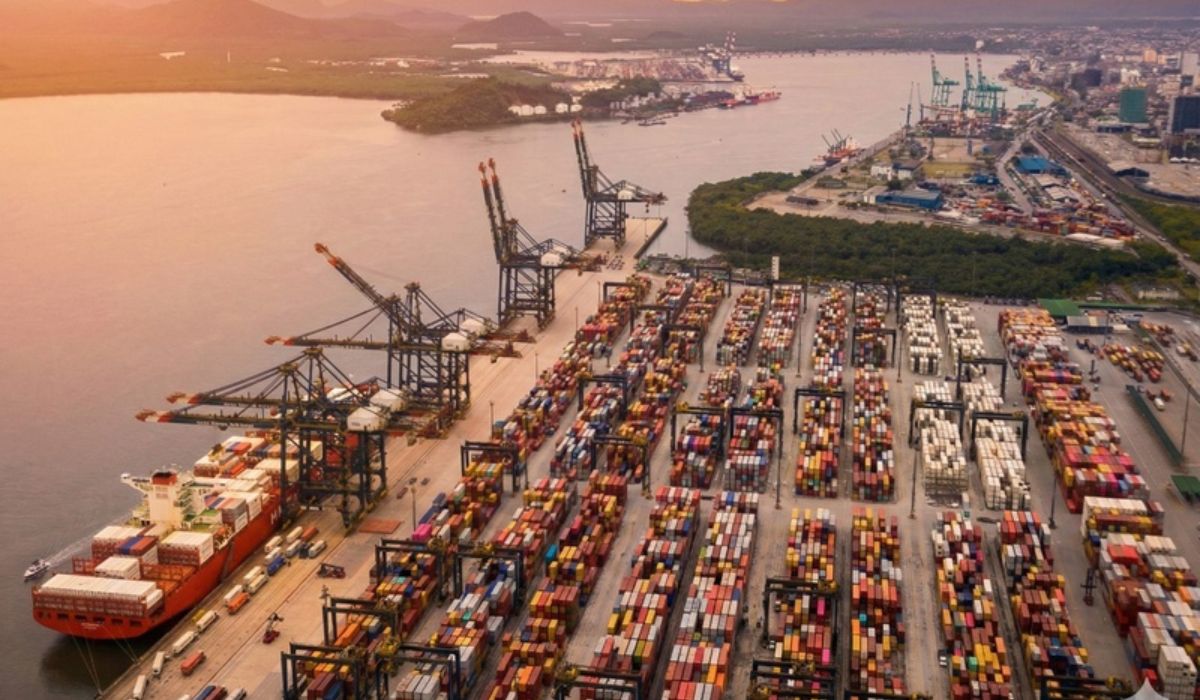
To Protect Portugal’s Largest Deep-Water Port, Engineers Launched Artificial Concrete Blocks Weighing Up to 90 Tons Each Into Open Sea, Creating a Breakwater Capable of Withstanding the Most Violent Atlantic Waves


Growth Driven by Oil and Exports
Above all, liquid and gaseous bulk led the growth, with an increase of 30.6%, totaling 25.9 million tons.
In this sense, the advance was mainly driven by long-haul movement, which grew 60.7%, reflecting the increase in exports.
Additionally, strategic hubs such as:
- São João da Barra (RJ)
- Angra dos Reis (RJ)
- São Sebastião (SP)
On the other hand, in these locations, three terminals concentrated the highest movement:
- TPET/TOIL Oil Terminal – Açu (RJ): 7.6 million tons (+159.8%)
- Angra dos Reis Waterway Terminal (Transpetro): 6 million (+20.6%)
- São Sebastião Waterway Terminal (Transpetro): over 5 million (+11%)
Thus, these results reinforce the weight of oil in Brazilian port logistics.
Agribusiness and Waterways Expand Results
Furthermore, solid bulk showed a growth of 10%, reaching 35.1 million tons.
In this scenario, the advance was supported by strategic commodities:
- Soybeans: +108.5%
- Corn: +48.5%
- Bauxite: +9.1%
At the same time, inland navigation gained relevance, with an increase of 70.8% in solid bulk transport.
Thus, waterways have begun to play an even more significant role in the flow of production.
Meanwhile, containerized cargo had a slight increase of 1.2%, totaling 4.7 million tons.
Uneven Performance Among Segments
On the other hand, general cargo recorded a decrease of 22.5%, following a trend opposite to other segments.
Additionally, among 34 terminals analyzed, only 13 grew, while 20 showed retraction and one had no movement.
Thus, the scenario highlights inequality among different types of cargo.
Terminals with Growth Above 200%
Still, some terminals showed expressive growth above 200%, according to a survey by the ATP in January 2026.
Among the highlights:
- Vila do Conde Terminal (PA – Hidrovias do Brasil): +637.4% (724 thousand tons)
- Cargill Agricultural (Miritituba/PA): +448.7% (242.1 thousand tons)
- Ponta da Montanha Grain Terminal (PA): +254.3% (226.6 thousand tons)
Therefore, these numbers indicate accelerated expansion in strategic regions of the North of the country.
Importance of Private Terminals for Brazil
According to Murillo Barbosa, president of the ATP, the results confirm the relevance of the sector.
Thus, he states that the growth of TUP demonstrates their importance for logistical efficiency and national port development.
Additionally, the ATP brings together 39 companies and 75 private terminals, which handle about 60% of Brazilian port cargo.
At the same time, the sector is responsible for approximately 47 thousand direct and indirect jobs.
Thus, private terminals continue to be pillars of export and competitiveness for Brazil in the global commodities market.









Seja o primeiro a reagir!