





 English
  Francês
  Alemão
  Italiano
  Japonês
  Norueguês
  Portuguese
  Spanish
 3 min of reading


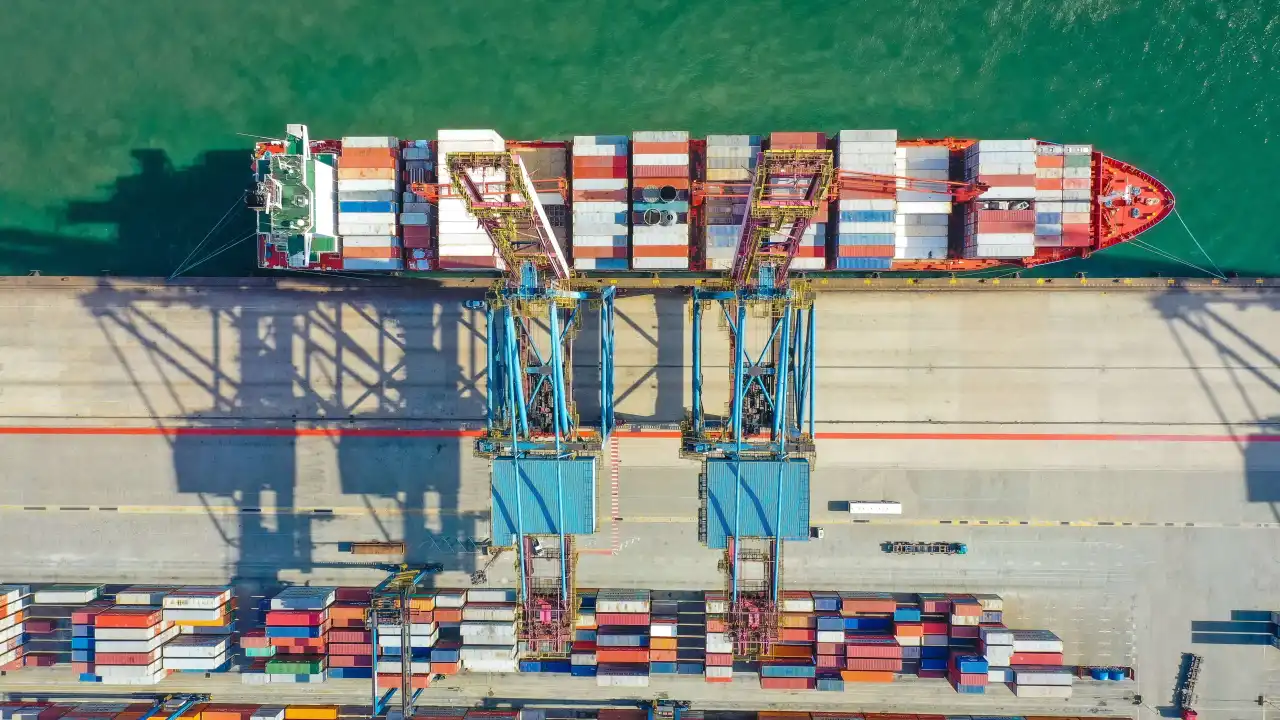
The Privatization of Ports Was One of the Main Policies of the Former President’s Government, With the Deregulation of Maritime Navigation Services Through the BR do Mar Program.
The newly inaugurated President Lula da Silva created a special secretariat for ports directly subordinate to the president during the previous government, reorganized the administrative structure, and created the Ministry of Ports and Airports, headed by São Paulo’s Márcio França.
The main port of Santos in Latin America, the base of maritime connections from Argentina, is about to be interrupted by the government’s privatization efforts. When he took office, França emphasized that “we have a huge challenge to take care of the 35 strategically important public ports and the 220 registered private terminals in Antak, 43 transfer stations, and 342 other terminals.”
“Only the port of Santos, in São Paulo, is responsible for 30% of foreign trade”, he said, after announcing that the first Brazilian port will be renamed Porto de Santos Pelé, in honor of the Brazilian football star who passed away a few weeks ago.
-
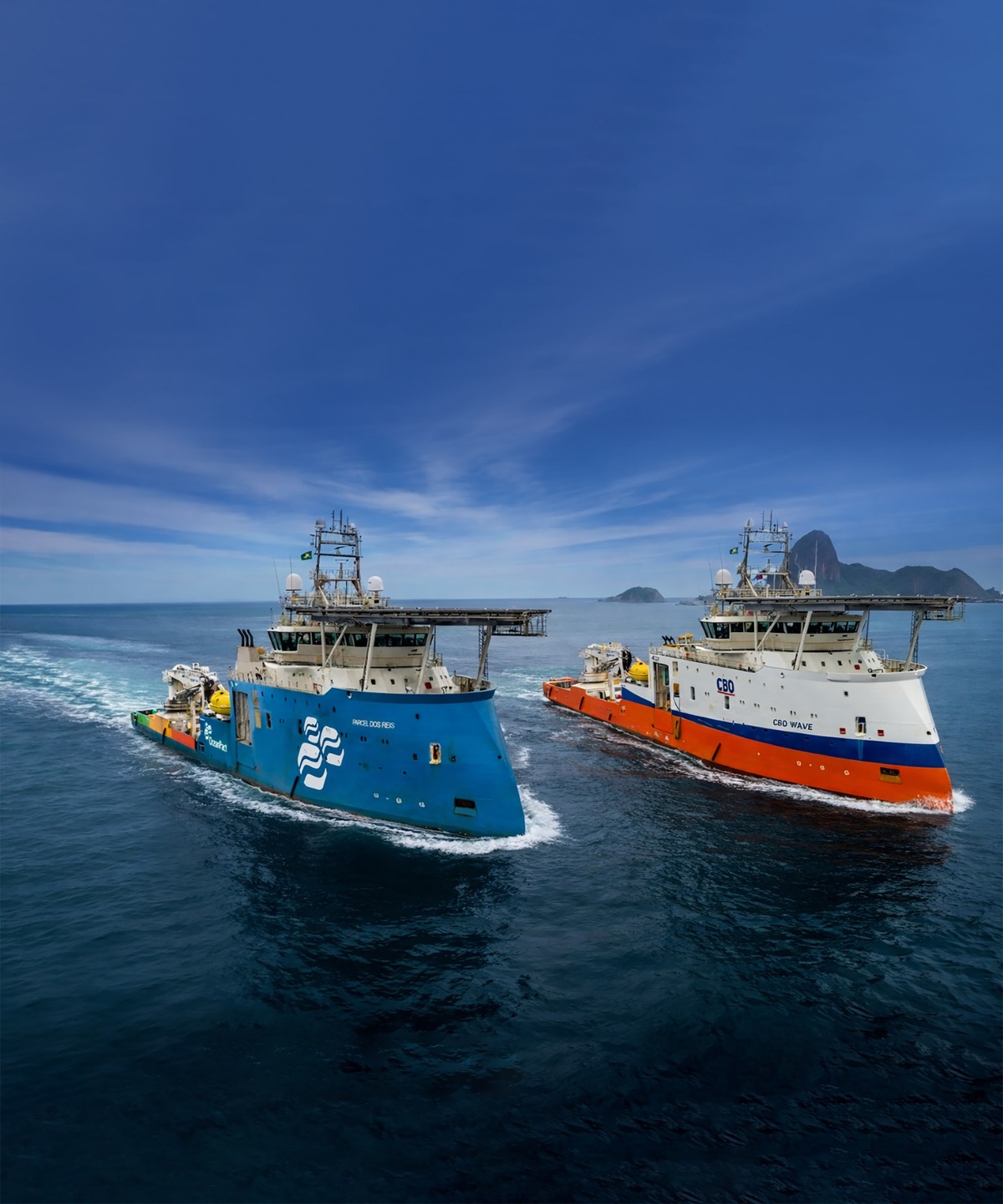
OceanPact Announces Acquisition of CBO and Creates One of Brazil’s Largest Maritime Support Structures with 73 Vessels, Annual Revenue Above R$ 4 Billion and R$ 14 Billion Backlog
-
With Extreme Winds, Giant Waves, and Unrestricted Currents, Drake Passage Is Considered the Most Violent Stretch of the Oceans

-
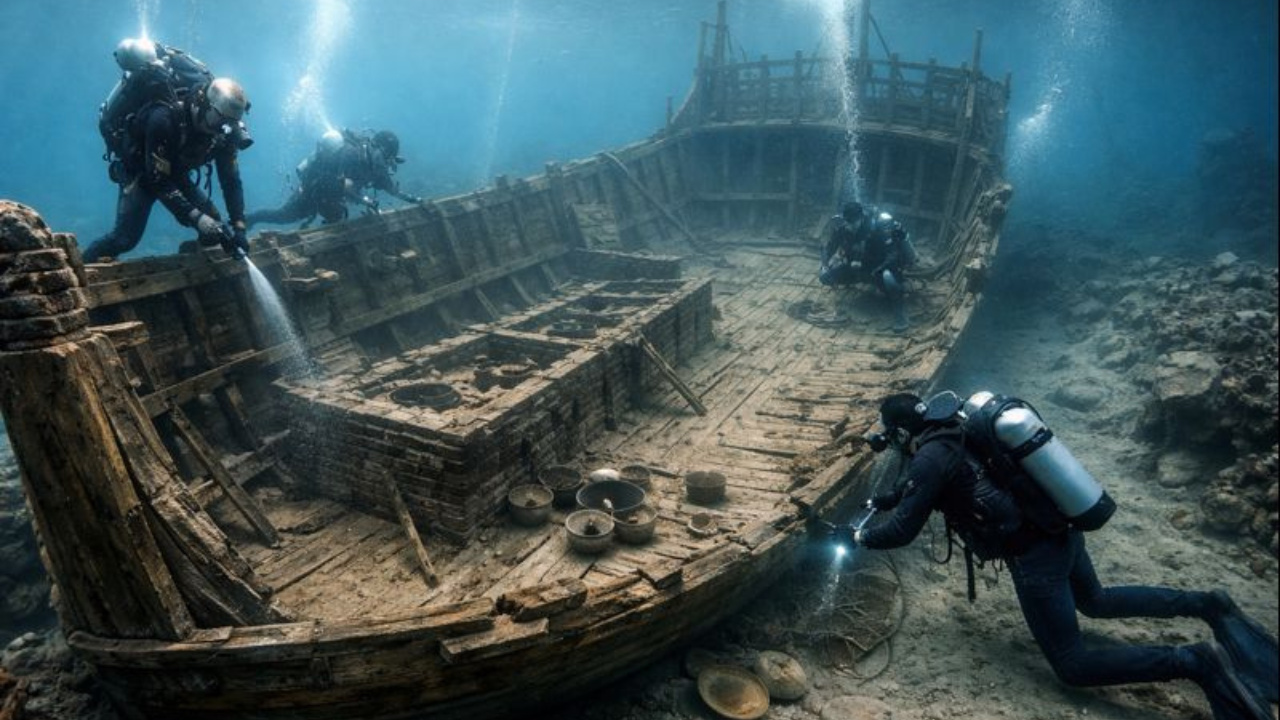
15th Century Merchant Ship Surprises Archaeologists
-
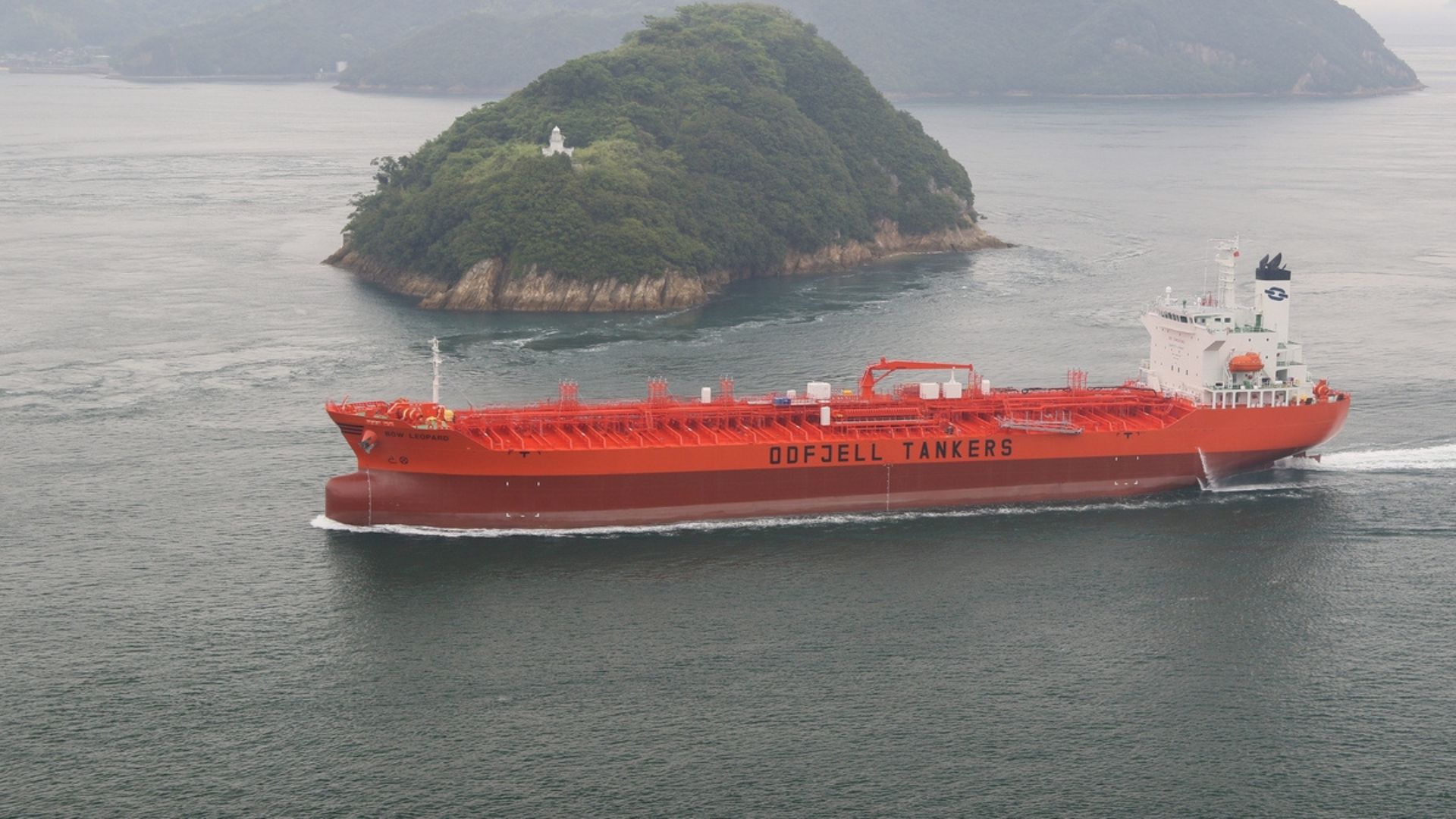
Odfjell Inaugurates First Operational Green Corridor Between Brazil and Europe Using Sustainable B24 on Maritime Routes and Reinforces Decarbonization Strategy

The privatization of ports was the outgoing government’s bet to accelerate modernization, especially of the land infrastructure connecting the terminals. However, França hopes to suspend the process, but not the privatization in specific sectors, in line with the beliefs and ideals of the great powers’ policy advocated by the federal government.
The governor of São Paulo, Tarcísio de Freitas, responded that he would advocate for the privatization of ports. The original project aimed to provide US$ 1.2 billion in new investments, including US$ 406 million for port infrastructure and US$ 813 million for an underwater tunnel linking the cities of Santos and Guarujá.
Learn More About the Privatization of Ports in Brazil
The privatization of Brazilian public ports has been debated for years as a strategy for the country’s economic growth. This is due to factors such as the potential of waterway transport, the growth of investments in infrastructure, and the volume of operations.
In 2022, in a close competition with over 40 bids, the FIP Shelf 119- Multistrategy consortium, managed by Quadra Capital, won the auction for the Companhia Docas do Espírito Santo (Codesa), marking Brazil’s first port privatization.
The company will manage the ports of Vitória and Barra do Riacho for the next 35 years. The planned investments amount to R$ 850 million, with R$ 335 million allocated for the expansion and modernization of the ports of Vitória and Barra do Riacho. The model, unprecedented in Brazil, was qualified under the Investment Partnerships Program (PPI) through Decree No. 9,852/2019.
With the privatization, Codesa ceases to be a public company and becomes privately held after the payment of R$ 326 million for its shares. The winning consortium secured the bid by offering an undertaking of R$ 106 million, which will be added to a fixed payment contribution of R$ 618.8 million, divided into twenty-five installments, in addition to the planned investments and a variable contribution of 7.5%.







Seja o primeiro a reagir!