Portuguese
  Spanish


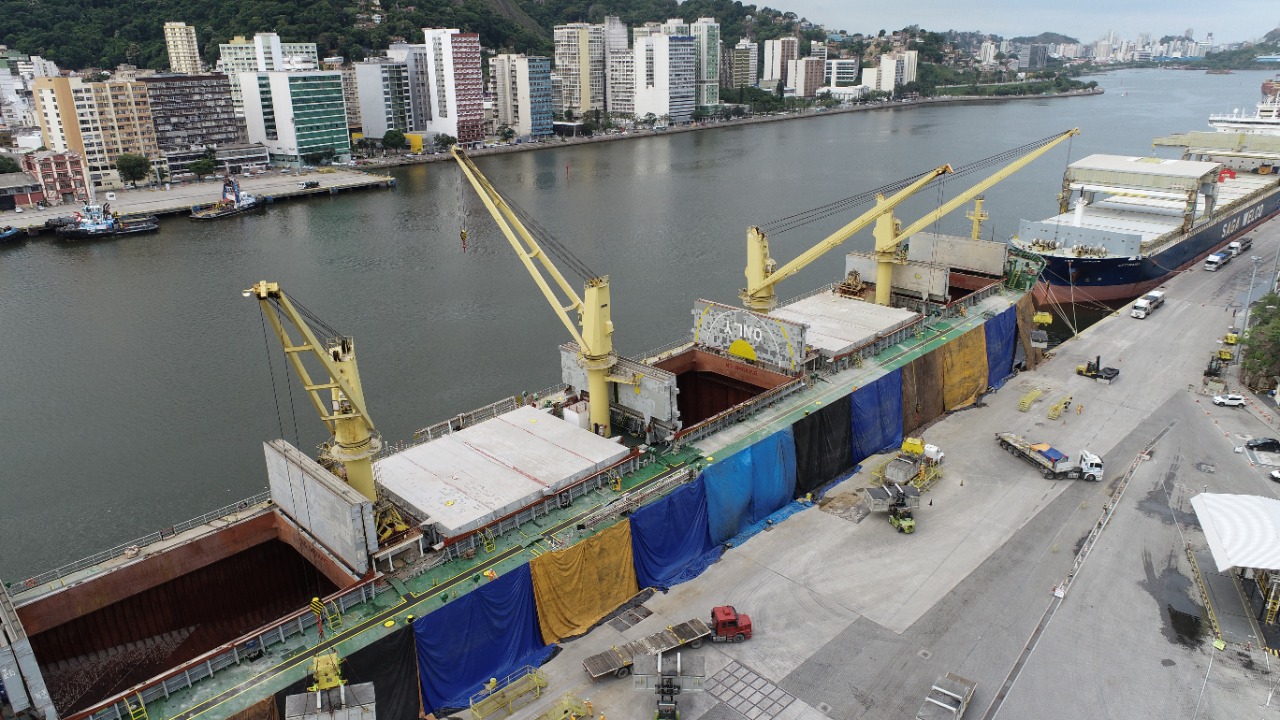

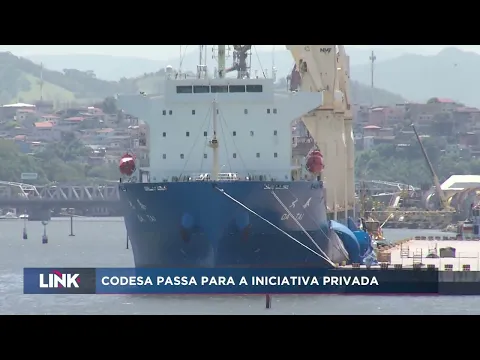
On Monday, the 5th, the signing of the stock purchase and sale contract for the Companhia Docas do Espírito Santo (Codesa) marked the first port privatization in Brazil’s history.
Codesa, responsible for managing the ports of Vitória and Barra do Riacho, was auctioned to the investment fund FIP Shelf 119 Multistrategy in March of this year, ensuring the port privatization that had already been anticipated by industry analysts. The signed contract forecasts investments exceeding R$580 million, with R$335 million allocated to the two ports. Additionally, the Federal Government will receive fixed annual contributions of R$24.75 million, with variable contributions amounting to 7.5% of revenue. Concurrently, the costs also involve an annual inspection fee from the National Agency for Waterway Transportation (Antaq) of R$3.188 million.
With the port privatization, Codesa will gain greater administrative agility, as well as improved investment capacity, reflecting in upgrades at the organized ports of Vitória and Barra do Riacho, and generating jobs and income for the region. In this regard, Marcelo Sampaio, the Minister of Infrastructure, pointed out that the privatization of Codesa brings private sector experience to port operations. Thus, it was an effort by the Federal Government to attract investments and create jobs and income.
Subsequently, when the corporate change is finalized, the signing of the concession contract for the two ports currently under Codesa’s management will occur. It is expected to take place next week, between the Ministry of Infrastructure, through Antaq, and the winning company of the auction.
-
They exchanged the idea of a large house for a 35 m² warehouse, spent US$ 12,000 on the structure, and created a tiny house in Colorado with space to live and work.

-
While modern cities rely on pumps and electricity, in Iran, ancient tunnels carried water through the desert using only slope and gravity.
-
Instead of sending families far from the city, a project in Chile intentionally created incomplete houses on expensive urban land and left technical space for each to grow.
-
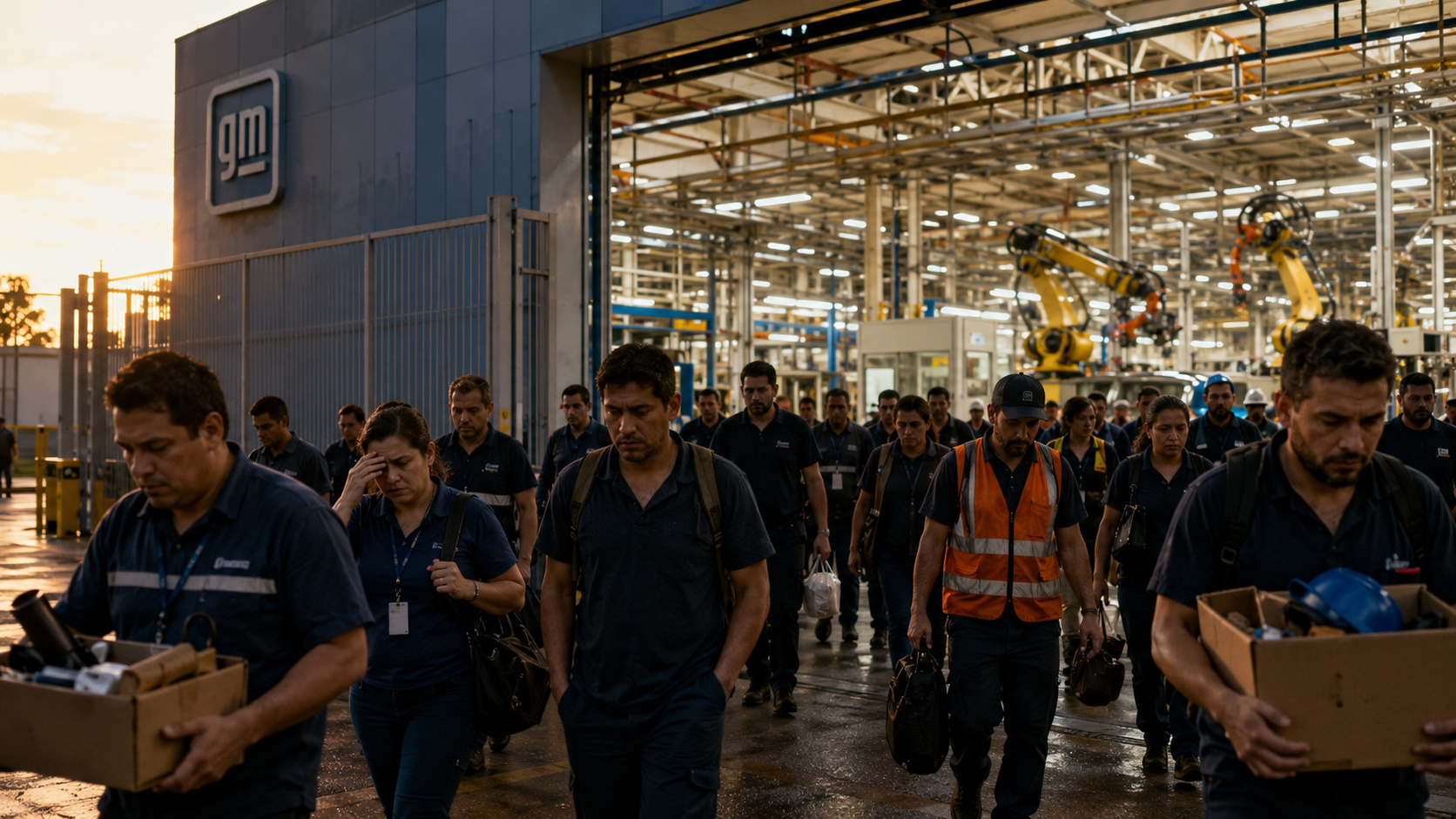
General Motors Replaces Over a Thousand Workers with 50 Cobots at Electric Vehicle Plant, UAW Union Criticizes Move Amid Industry’s Automation Push

Port Privatization Will Ensure Efficiency for Codesa; Between 2019 and 2021, Despite the Economic Slowdown in the Global Economy Due to the COVID-19 Pandemic, Codesa Managed to Increase Its Annual Revenue from R$154 Million to R$194 Million
This ensured an increase from 7 million to 8.5 million tons of cargo handled. Thus, with the port privatization, Codesa will gain administrative agility, greater investment capacity, and income generation. Currently, the auction of Codesa is considered a pilot for the auctions of other assets, which are planned for this year, such as the ports of Santos, Itajaí, and São Sebastião. The model created for port privatization encourages the concessionaire to develop more projects, as well as increasing port capacity to attract more cargo and generate more promising outcomes.
Learn More About CODESA
In 2022, Companhia Docas do Espírito Santos (CODESA) celebrated its 39th anniversary. CODESA replaced the former Administration of the Port of Vitória (APV), where it was initially responsible for the Ports of Vitória and Barra do Riacho and, later, also for the Port of Praia Mole. On September 9, 1982, Decree No. 87,560 established CODESA, which was officially constituted on February 21, 1983. At that time, CODESA’s shareholding control was transferred from the Ministry of Transport to the Ports of Brazil S.A. (Portobrás), which was the holding company of the port system that was dissolved in 1990.
Codesa Transferred to the Private Sector