





 English
  Francês
  Alemão
  Italiano
  Japonês
  Norueguês
  Portuguese
  Spanish
  4 min of reading


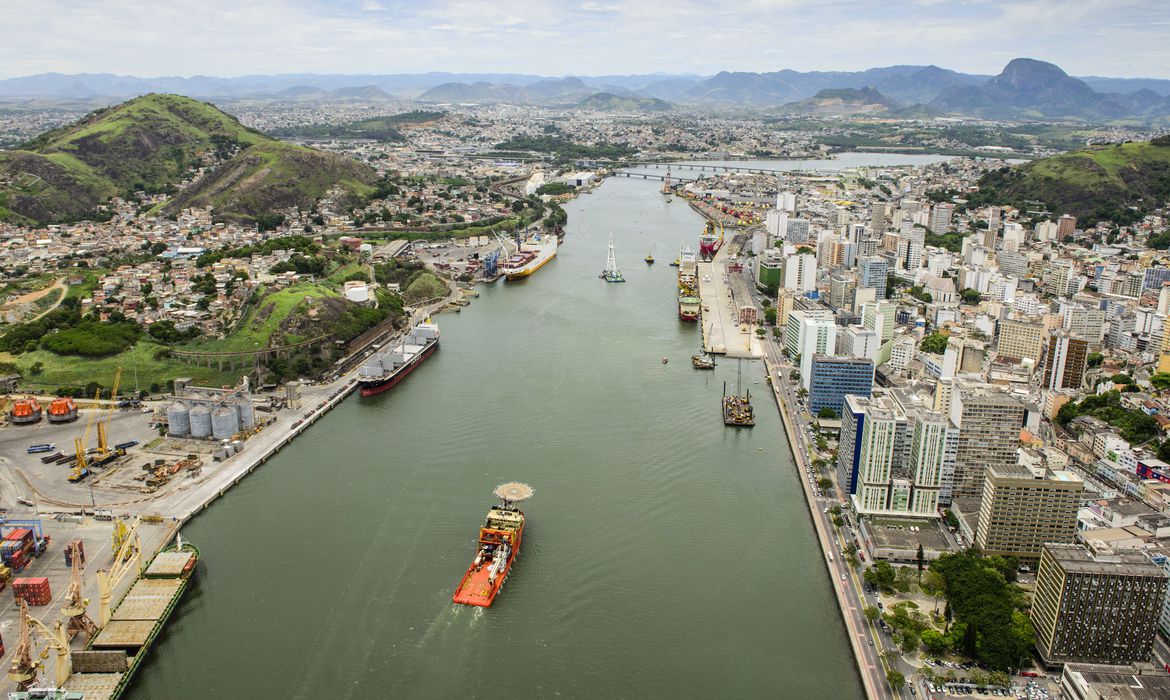
BNDES Published, This Friday, The Notice for The Codesa Auction, Opening The Brazilian Port Privatization Season. Learn More
BNDES published today the auction notice for the Ports of Codesa, in Espírito Santo. This is the first port privatization to be carried out, and there are already other ports in sight, although experts point out this as a misguided decision. The process involves the control of Codesa and its ports of Vitória and Barra do Riacho, both on the Capixaba coast, for 35 years, with the possibility of extension for another 5 years.
- This Month, Government Will Open Consultation on The Privatization of The Port of Santos
- 335 Job Openings Available Today (08/09) by A Contractor in The Oil and Gas Sector, Ports, Mining, Steelmaking, Chemical Industries, Pulp, and Energy
- In Partnership with BNDES, Petrobras Will Invest R$ 50 Million in Forest Restoration Projects
- Eletrobras Privatization Should Take Place Between March and April 2022, According to BNDES
The auction will take place on March 25 and will, according to BNDES President Gustavo Montezano, mark a milestone in Brazilian infrastructure history, by opening an unprecedented window of opportunities for the country’s logistics.
What Is The Current Situation of Codesa? What Is Expected from This Port Privatization?
The Port of Vitória currently has a total capacity of 7 million tons per year, with the potential to reach 14 million tons per year of cargo shipped within the concession period. The total area of the port is 500 thousand square meters, with 14 berthing spaces.
-
New shoe factory in Ceará is expected to create 400 jobs and strengthen the local economy.
-
No one imagined it, but a mixture of sawdust with a mineral that fights fires surprises scientists with a result that changes the course of fire-resistant construction.

-
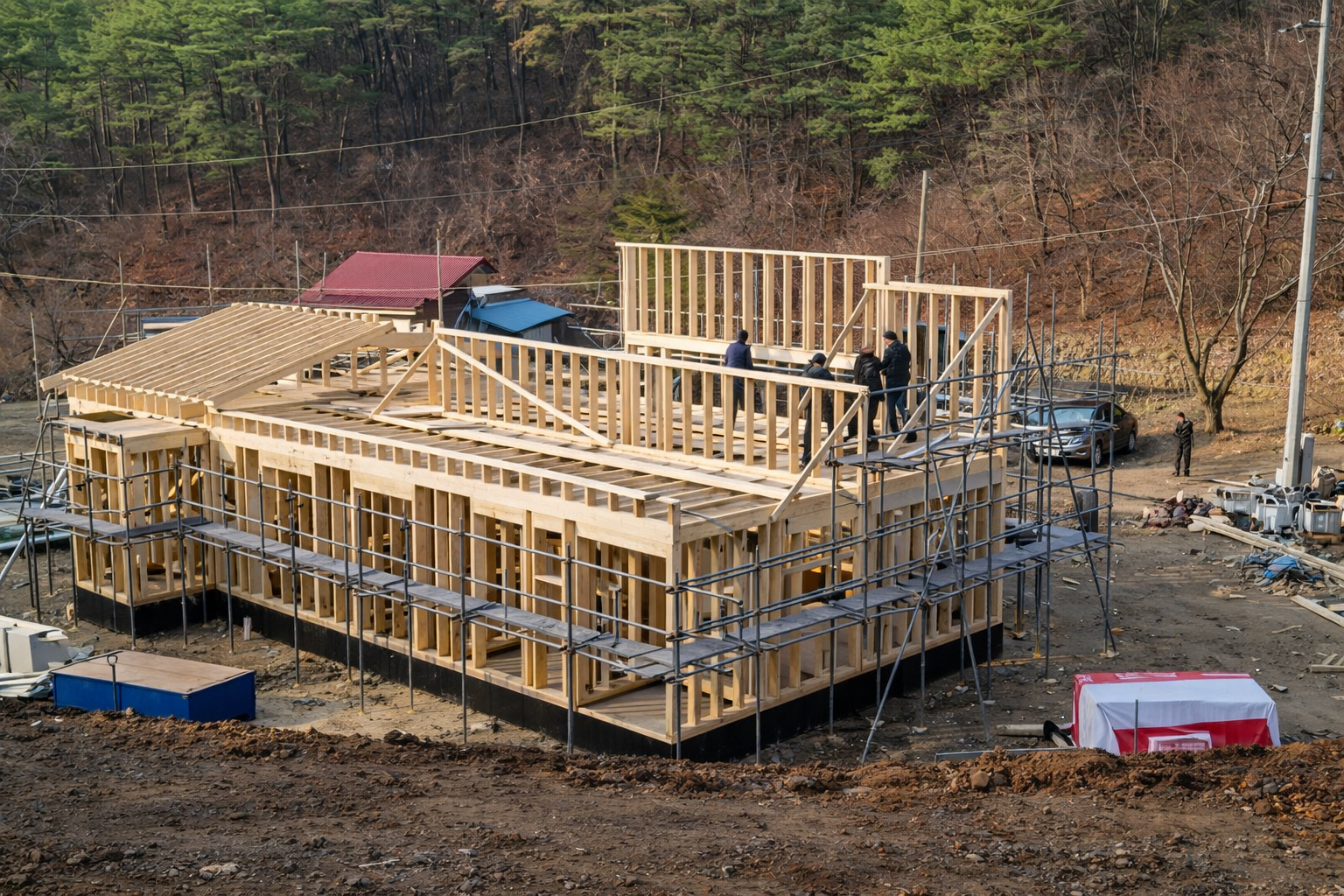
From empty land to a high-end house, wooden construction uses a lightweight system, metal structure for the foundation, ventilated ceramic cladding, and special windows to create an efficient and comfortable living space throughout the year.
-
From vacant land to a high-end house, wooden construction uses a lightweight system, a metal structure for support, ventilated ceramic cladding, and special windows to create an efficient and comfortable living space throughout the year.

About half of the area still needs to be developed, which could transform the Port of Vitória and the surrounding region, generating jobs and boosting the economy.
Meanwhile, the Port of Barra do Riacho, which is currently specialized in pulp, also has considerable space for expansion, potentially bringing new businesses or expanding to other cargoes.
It is evident that both projects can grow significantly with private investment, which will help boost the local economy, generate new jobs for the region, and facilitate the shipment of Brazilian products to various countries around the world.


How Will The Auction Work?
The company that takes over Codesa will need to buy the shares of the BNDES company, valued at R$ 327 million, in addition to the debts and other commitments the company may have.
The auction will start from this minimum bid and the company that offers the highest premium above that, starting at R$ 1, will win the auction, keeping in mind that this investment must be made in cash.
The company will also need to make contributions to the Union.
The amounts are R$ 24.75 million and variable contributions based on revenue, which will total around 7.5% of revenue.
Finally, the company will also need to pay a supervision fee of R$3.188 million annually.
What is expected from this new company is an investment of R$ 1.3 billion over these 35 years in the expansion of the two ports.
In addition to the privatization of Codesa’s ports, the federal government has already made clear its intention to also privatize the Port of Santos in São Paulo, Codeba, Port of Itajaí, and São Sebastião.
The goal, besides capitalizing public funds, is to streamline the country’s naval logistics structure, attracting private investments and taking some of the responsibility from BNDES as the major investor in the country’s port infrastructure.
The Other Side: Port Workers Are Against The Process
There is some dissatisfaction among port workers regarding the privatization process of ports.
A faction of port workers claims that this could bring complicated consequences to Brazil’s export process and compromise the efficiency of maritime traffic.
The National Federation of Port Workers has highlighted that the concession places the fate of Brazilian ports in the hands of private companies for the next 40 years, and this could have serious consequences.
Another authority, consultant Frederico Bussinger, former director of Codesp and former president of the Port of São Sebastião, points out that port privatization goes against what has been working and practiced in almost every other country in the world.
According to him, the port authority is not an asset but a function that needs to mediate potential conflicts of interest and therefore should not be controlled by private companies.








Seja o primeiro a reagir!