





 Portuguese
  English
  Spanish
  2 min of reading


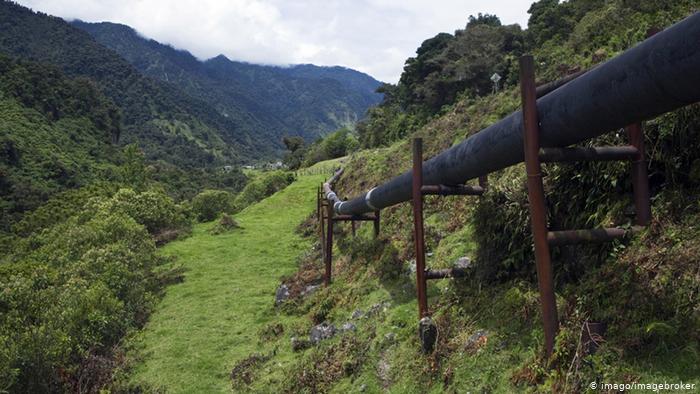
Due to a landslide, a pipeline ruptured in the Amazon region of Ecuador. This incident continues to cause a lot of headaches for local authorities.
See Also:
- CIS Brazil Opens New Job Opportunity in Macaé Today (13) for PCD Professionals in Administrative Sector
- Sugar-Energy Sector on the Rise! Mechanics, Operators, Interns, Trainees, and More Needed on This April 13 for Jobs in Minas Gerais
- In Analysis, Rystad Energy Indicates Companies Will Lose Up to US$ 3 Billion with Cancellation of Drilling Contracts
With the suspension of operations in the Trans-Ecuadorian Pipeline System (SOTE), the Private Heavy Pipeline (OCP) Ecuador and the Shushufindi-Quito Pipeline make it impossible to continue pumping oil to the ports.
-
Boa Safra (SOJA3) targets Nigeria: $10 million JV brings corn technology to Africa and challenges expensive credit in 2026.

-
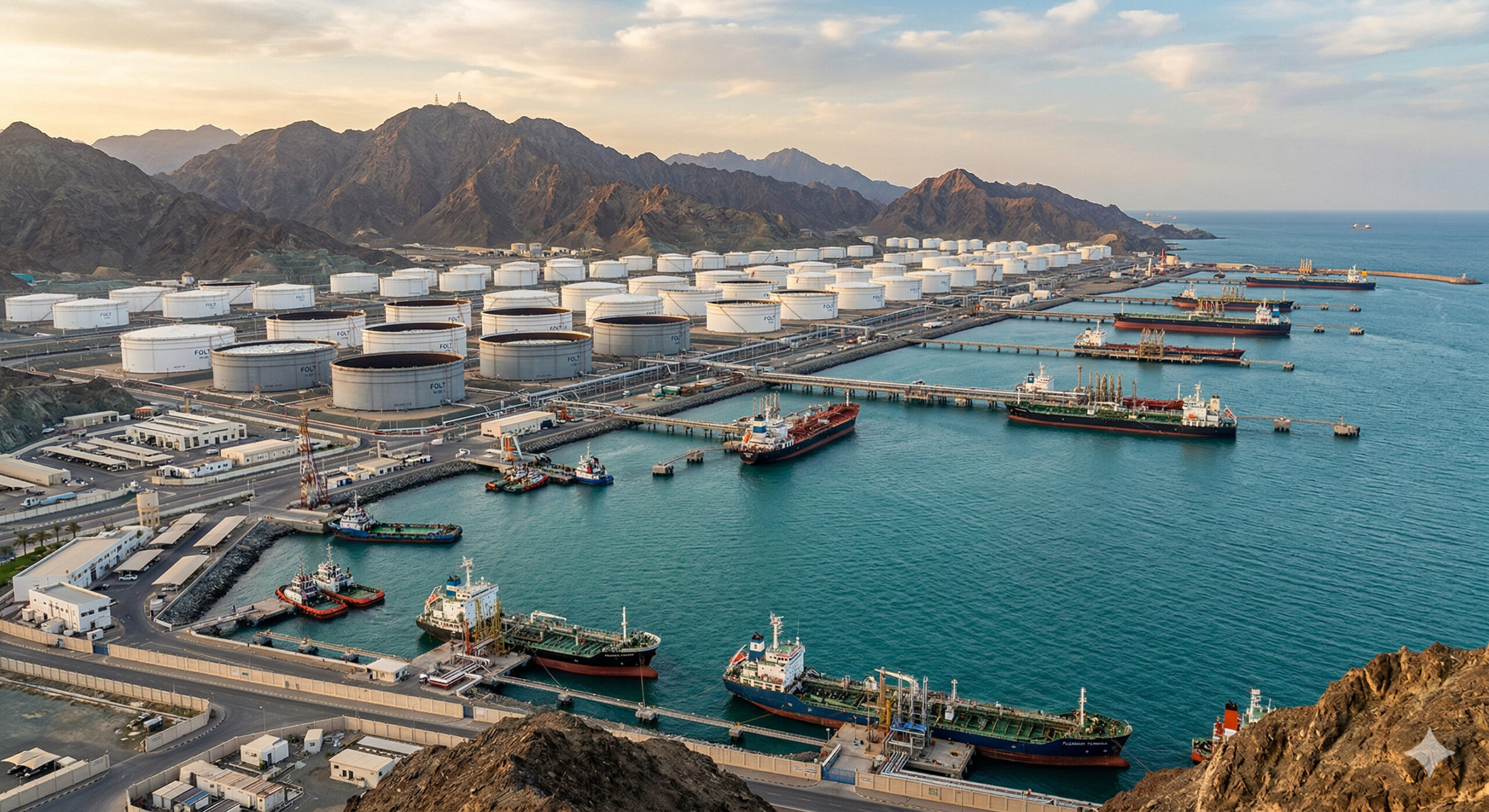
Giant reservoirs with a capacity of 18 million cubic meters have turned Fujairah into one of the largest energy vaults on the planet. This facility, located outside the Strait of Hormuz, stores oil on a colossal scale and has become a silent piece that supports the global flow of fuels.
-
Russia and China already conduct 99% of their trade with each other without using the dollar, and BRICS is creating a digital tool on blockchain so that other countries in the bloc can do the same soon.

-
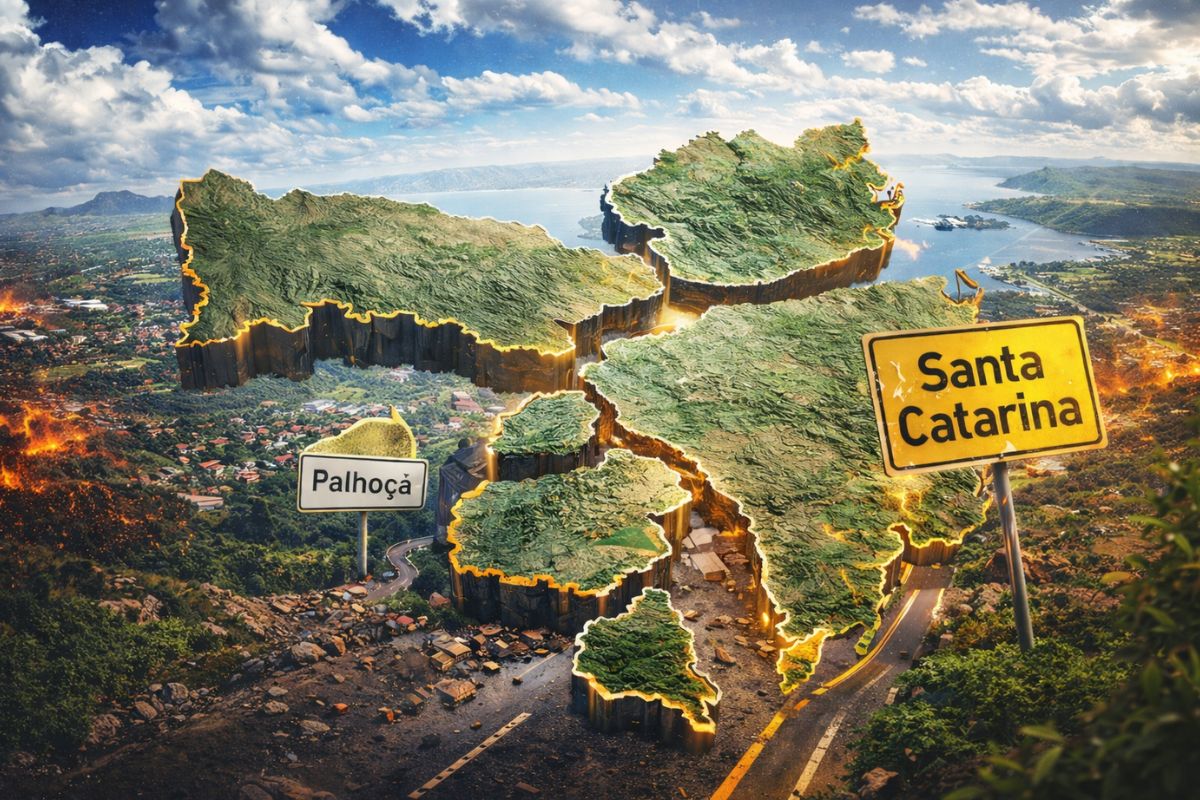
IBGE’s revision redraws the map of Santa Catarina and changes the borders of 18 municipalities, with Penha gaining a piece of Balneário Piçarras the size of an entire neighborhood without anyone noticing.
The Minister of Energy, René Ortiz, said that “The suspension of operations in the Amazon oil fields will be gradual, as the existing supply tanks fill up. Today, the contracts fall under force majeure. How to channel the suspension is being studied immediately. International buyers are already aware of the situation.”
The ruptured pipeline is about one and a half kilometers long, through which more than 500,000 barrels circulate. The flow of oil will only be regularized when the three pipelines are repaired. However, although it was initially announced that the process would take three weeks, Minister Ortiz believes it could take longer, between one and a half and two months at least: “It could be more. Geological studies are necessary to establish variations in the layout of the three systems. In addition, permits and environmental rights need to be obtained.”
Additionally, there was another problem at the Fluid Catalytic Cracking Unit (FCC) of the Esmeraldas Refinery, in the main compressor. Due to a lack of electricity, damages compromised its operation and repairs will take several weeks.
“We cannot produce fuels for internal consumption. Fortunately, the quarantine has significantly decreased demand by about 83%. Therefore, there is no risk of internal shortages because we have a sufficient volume of reserves,” he concluded.








Seja o primeiro a reagir!