





 Portuguese
  English
  Spanish
  5 min of reading
  1 comment


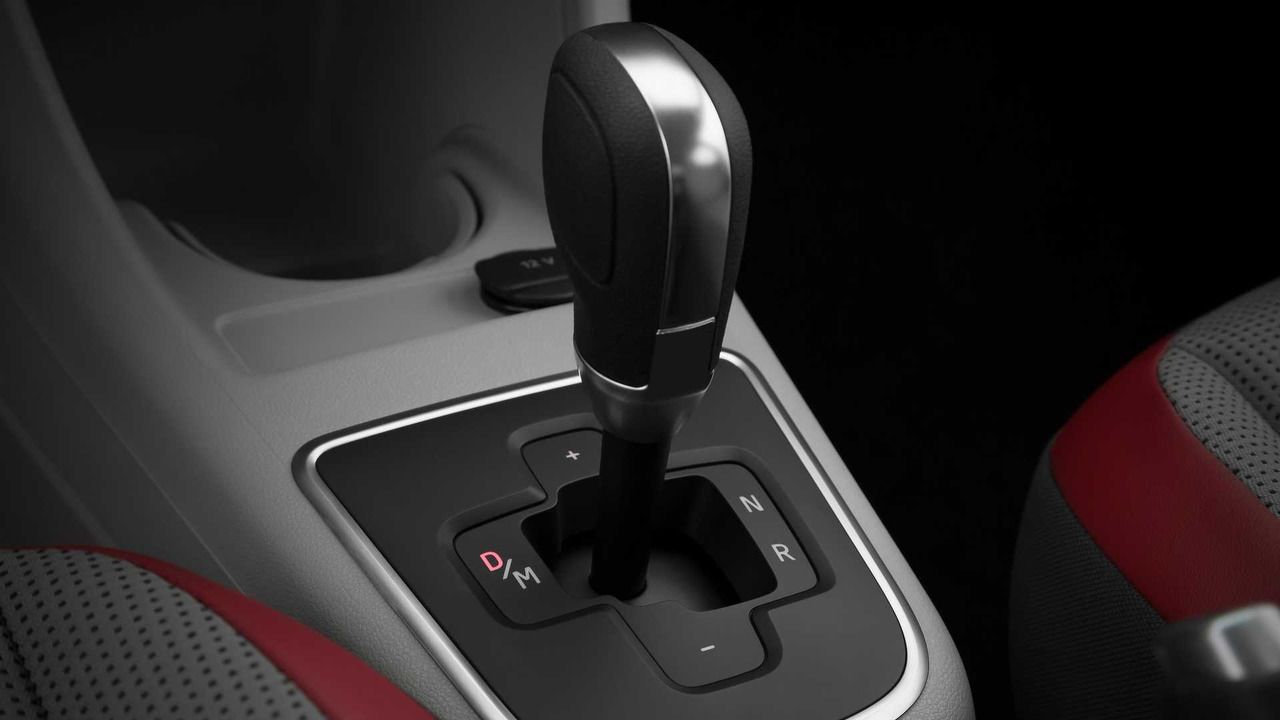


Automatic Transmissions Can Be Headaches. See Which Problematic Transmissions Cost the Most in Brazil and How to Avoid Loss When Buying a Used One.
Some automatic transmissions in vehicles in Brazil have become true headaches for drivers, and this can be explained. Specialists and users report failures, abrupt shifts, and high maintenance costs in several transmissions, particularly between 2010 and 2017, in the national market.
The problem affects cars from major automakers and popular models — therefore, extra caution is warranted when choosing a used one.
The advancement of technology and the search for comfort have made automatic transmissions increasingly common, but the promise of “driving without pressing the clutch” hasn’t always materialized smoothly.
-
Less than a Tera TSI, up to 710 km of range and charging in 9 minutes: the new BYD Song Ultra expands the Chinese brand’s bet on increasingly faster, more technological, and competitively priced electric SUVs.

-
With a 1.0 engine producing 75 hp and costing less than R$ 70,000, Fiat’s car returns to the podium as the cheapest in the country; a temporary promotion for the 2026 Like version reduces the price of the Fiat Mobi.
-
With a mild hybrid system of 48 V, 176 hp and a price of R$ 175,990 in the Sahara version, the new Jeep Renegade changes mostly on the inside, improves slightly in fuel consumption, and remains almost the same car.
-
With a 293.5 cm³ engine and a range of up to 400 km with a 14.1-liter tank, the Honda CB 300F Twister 2026 has up to 24.7 hp, an initial price of R$ 25,150, and already exceeds R$ 29,000 in the Fipe Table.

Systems such as CVT (continuously variable transmission), dual-clutch (“DSG” or “DCT”), or simple automated ones began to show even more noticeable failures in heavy traffic of Brazilian cities.
The Automatic Transmissions That Caused the Most Problems
1. Fiat Dualogic/GSR
This automated transmission was used in models such as Palio, Punto, Linea, Argo, and even in the Strada.
Reports point to “jolts” during shifts and hesitation during acceleration, to the point that the user felt like “the car was thinking before engaging” the gear.
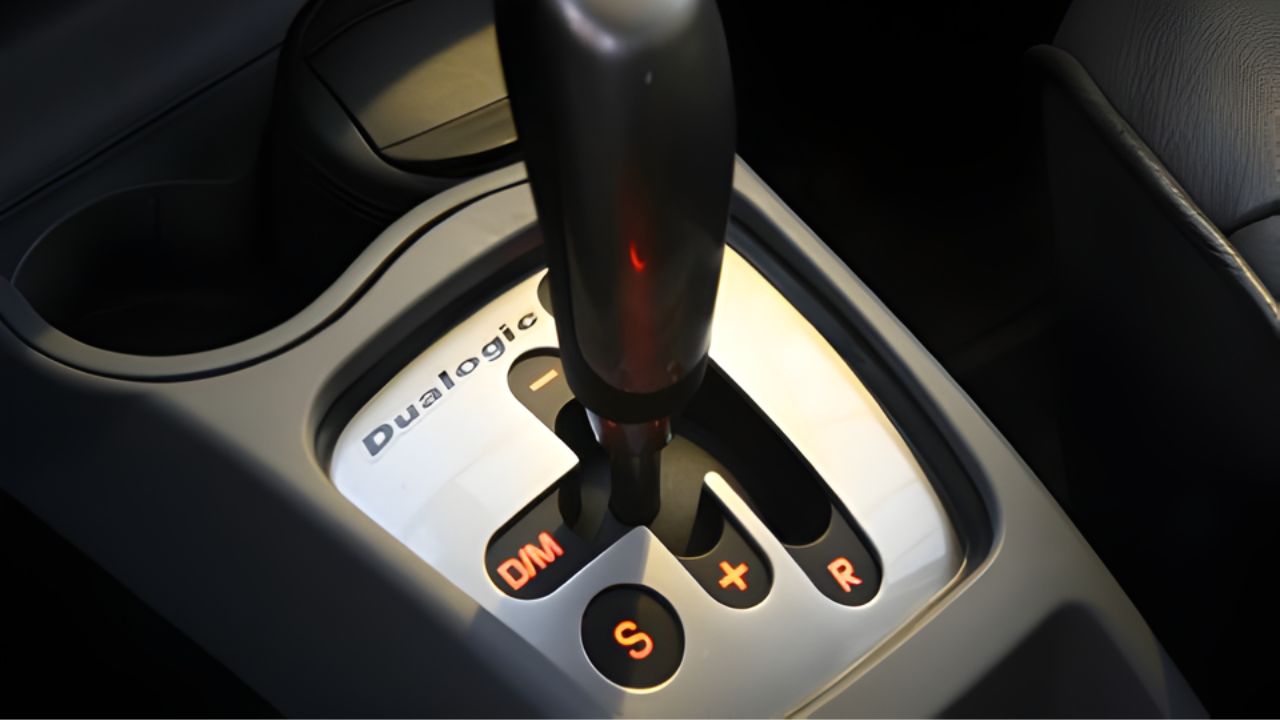
A serious error in the gear selection sensor caused the transmission to enter neutral without warning, leading to a recall of 11,897 units in 2018.
Maintenance costs were high — parts such as the clutch or actuators could cost up to R$ 6 thousand or more.
Therefore, when analyzing a used car with this transmission, check its maintenance history and avoid it if you don’t have confidence.
2. Ford PowerShift
Ford bet on the dual-clutch transmission in models like Fiesta, Focus, and EcoSport. But the system suffered from overheating, vibrations, noises, and complete lock-ups.
The manufacturer avoided a formal recall but extended the transmission warranty to five years.
Repairs may exceed R$ 10 thousand.
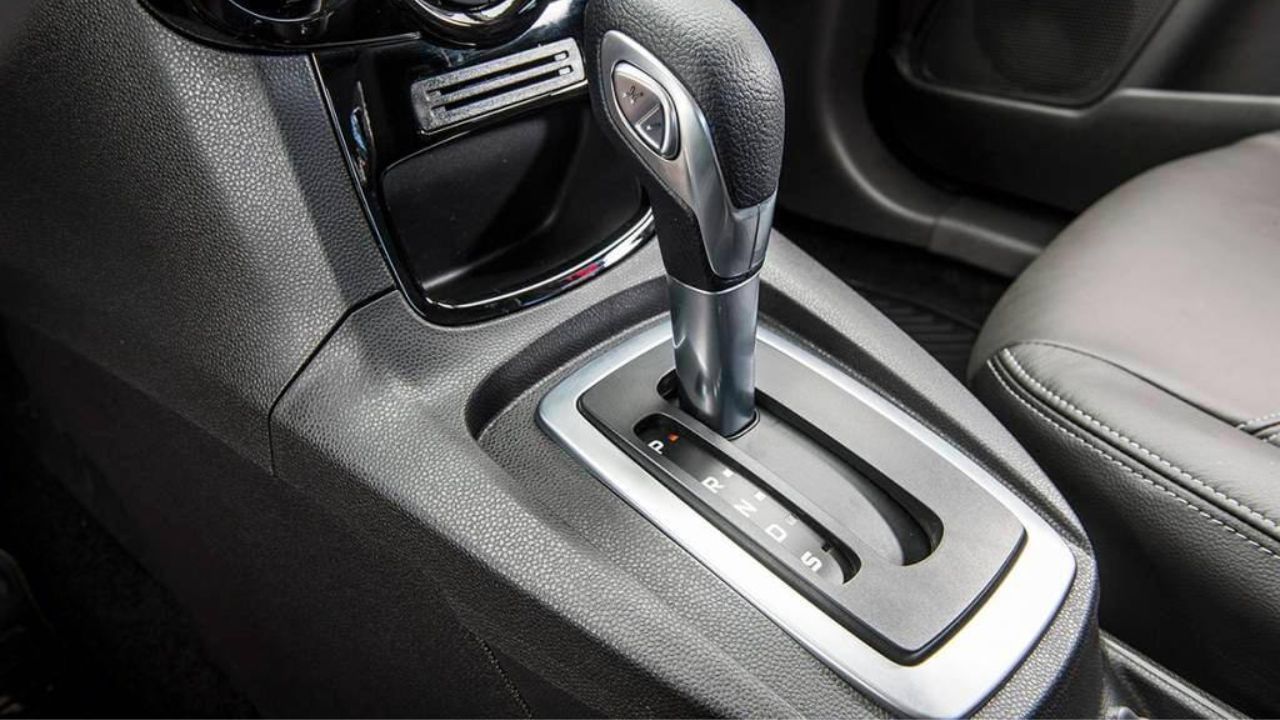
Thus, this automatic transmission is another that requires caution when buying used.
3. Volkswagen i‑Motion
Used in more popular models like Gol, Fox, Polo, Voyage, the i‑Motion was an attempt to democratize the automatic.
However, it suffered from premature clutch wear, perceptible jolts, and lack of control in slow maneuvers.
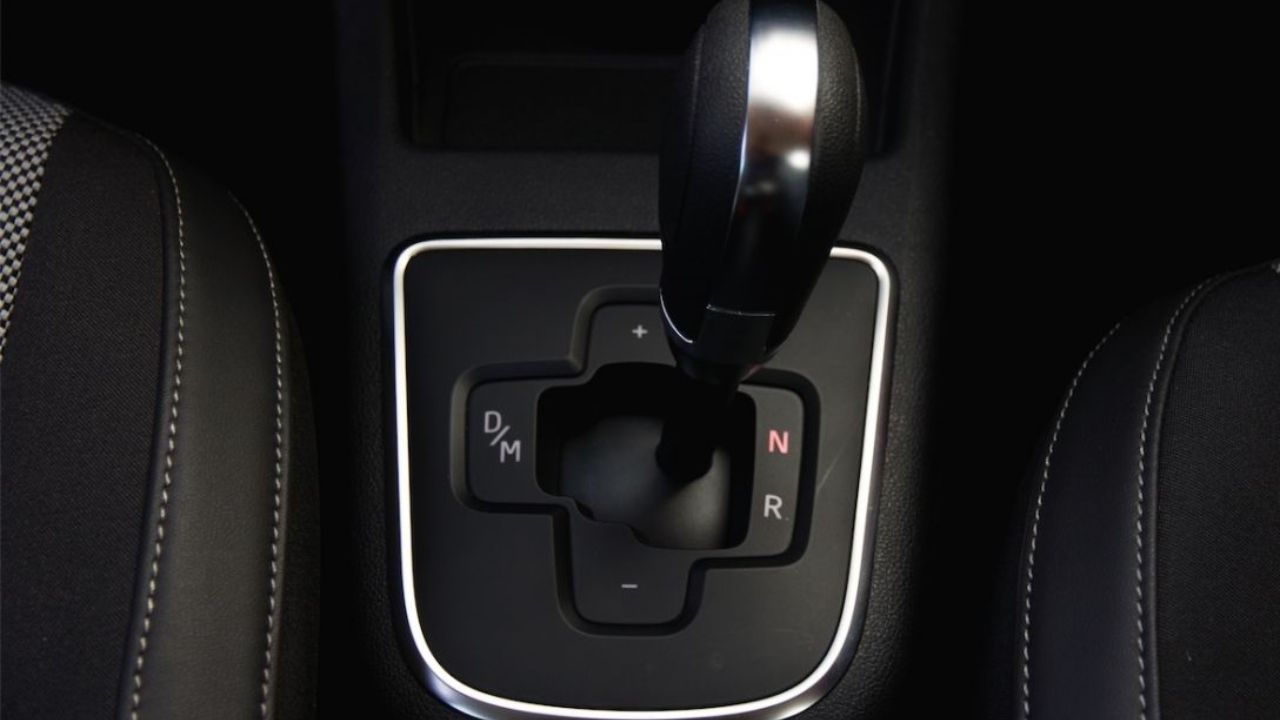
Maintenance for these components can range from R$ 4 thousand to R$ 7 thousand in many cases.
Thus, despite being cheap at the time, this type of automatic transmission can represent significant cost risks.
4. PSA AL4
Used by French brands such as Peugeot and Citroën, in models like 206, 307, and C3, the AL4 was a four-speed automatic transmission that generated complaints about imprecision, slippage, and high fuel consumption.
Repairs could vary from R$ 1.5 thousand to R$ 12 thousand, depending on the severity.
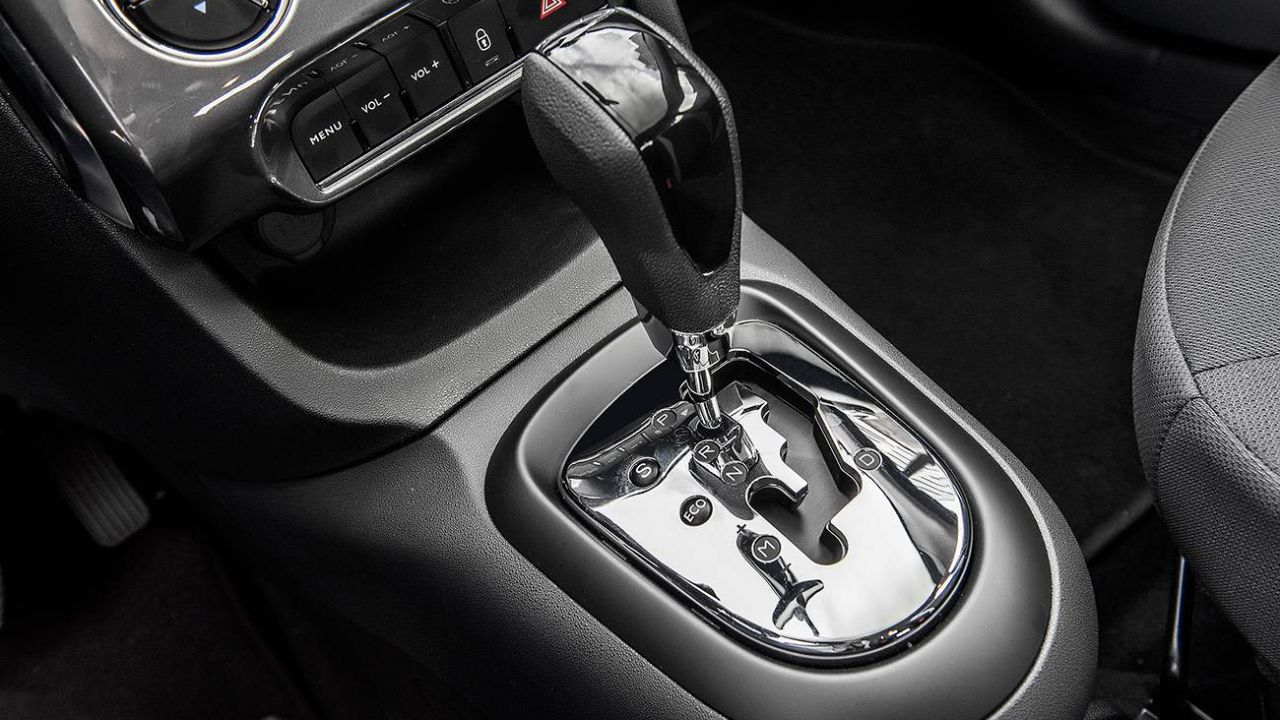
In other words, a classic example of an automatic transmission whose apparent simplicity hid flaws that became costly.
5. Volkswagen DSG (DQ200)
Technologically advanced, Volkswagen’s dual-clutch DSG promised performance and agility.
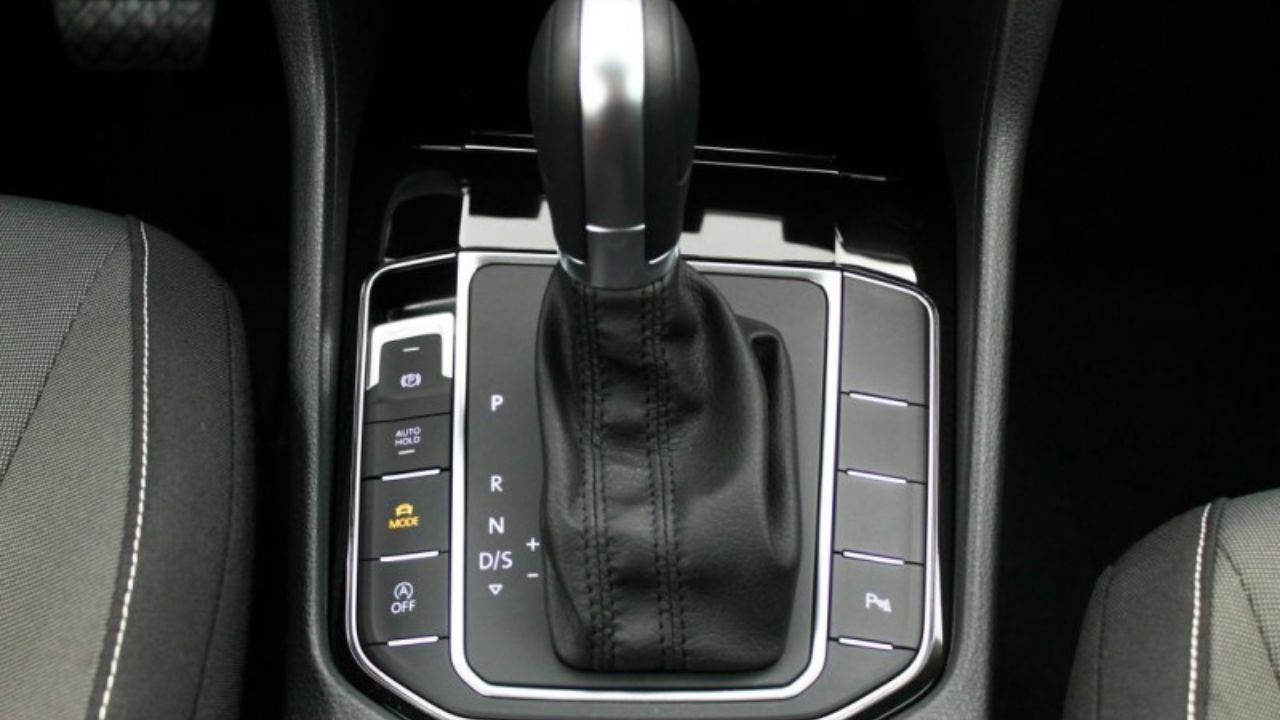
However, in Brazil, it showed weaknesses such as vibrations, mechatronic failures, and accelerated wear, especially in versions with “dry” modules (without an oil bath).
What Every Used Car Buyer with an Automatic Transmission Should Check
- Check the maintenance history, especially if the model has automatic transmissions with questionable history.
- Take a test drive: notice if there are jolts during shifts, hesitation, or vibrations — signs that the automatic transmission may be compromised.
- Consult forums, recalls, and complaint lists at Procon for the model in question.
- Prefer vehicles with maintenance done at dealerships or specialized automatic transmission shops.
- Consider the maintenance cost: even if the vehicle is cheap, a repair on an automatic transmission can exceed R$ 10 thousand or more.
Why, After All, Do Automatic Transmissions Generate So Much Headache?
Several factors explain this: the complexity of automatic transmissions — with more moving parts, sensors, and electronic modules — increases the risk of failure and repair costs.
Additionally, insufficient adaptations to the intense urban use of Brazil, frequent traffic jams, and neglected preventive maintenance exacerbate the problem.
Meanwhile, many consumers assume that “automatic transmission” is synonymous with absolute comfort — but, in practice, without maintenance, the opposite may apply.
It’s Worth Choosing Automatic, But Wisely
Automatic transmissions introduced a level of practicality desired by many drivers, especially in cities and heavy traffic.
However, as we’ve seen, not all automatic transmissions have proven to be reliable.
If you are thinking of buying a used car with an automatic transmission, or if you already own one, attention, maintenance, and information are essential.
Essential Care When Buying Used Automatic Cars
Buying used automatic cars can be a great option for those seeking comfort and practicality in their daily lives, but it requires extra care.
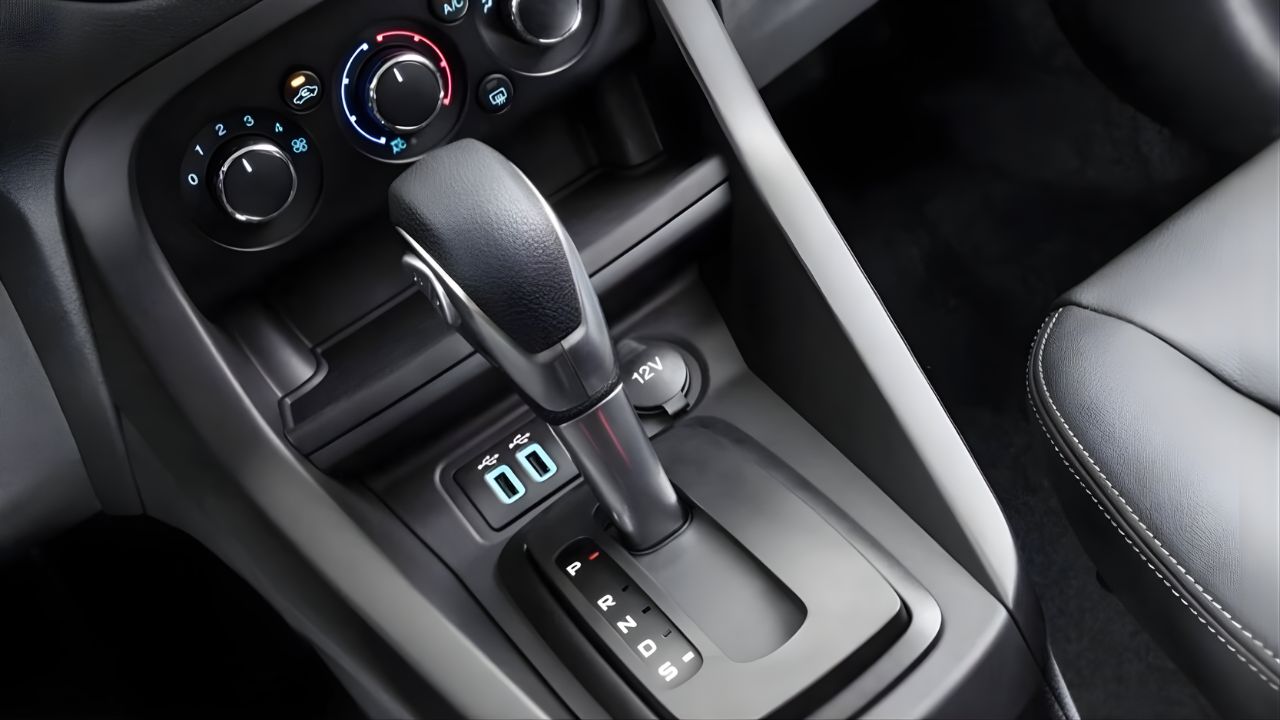
The automatic transmission, while providing smooth shifts and a more pleasant drive, is one of the most sensitive and expensive components of a vehicle — and for that reason, it deserves special attention before purchase.
Check the Maintenance History
One of the first steps is to check the maintenance history of the car.
The automatic transmission requires periodic fluid changes, performed with the correct oil and filter, according to the manufacturer’s recommendations.
Ignoring this care is one of the main causes of failures, such as jolts during gear shifts, slipping, or difficulty engaging.
Before closing the deal, it is essential to ask for receipts and records of these maintenance activities.
Perform a Complete Road Test
Another important point is the road test. During the test, the driver should observe if there are unusual noises, jolts, delays in throttle response, or sudden changes in RPM.
Any strange behavior may indicate internal wear of the transmission, and in such cases, repairs are usually costly — in some models, the repair or replacement can exceed R$ 10 thousand, depending on the complexity of the transmission.
Consult a Specialized Mechanic
It is also advisable to take the vehicle to a trusted mechanic or a workshop specialized in automatic transmissions for a complete evaluation.
With specific tools, the professional can identify electronic failures, leaks, and error codes that do not appear in a simple visual analysis.
Beware of Very Cheap Offers
Moreover, it’s important to be wary of prices well below the market average.
A used automatic car that is very cheap may hide serious problems in the transmission system, which turns the apparent savings into considerable losses.
Prevention is the Best Investment
In summary, buying a used automatic car can be a great investment, as long as the evaluation is done with care and technical knowledge.
A small oversight can result in high repair costs for the transmission, while a well-planned purchase ensures comfort and durability for many years.
With information from Vrum.







Não entendi por que foi citado o câmbio CVT junto com outros se na exposição não é referido nenhum CVT.