





 Portuguese
  English
  Spanish
  4 min of reading


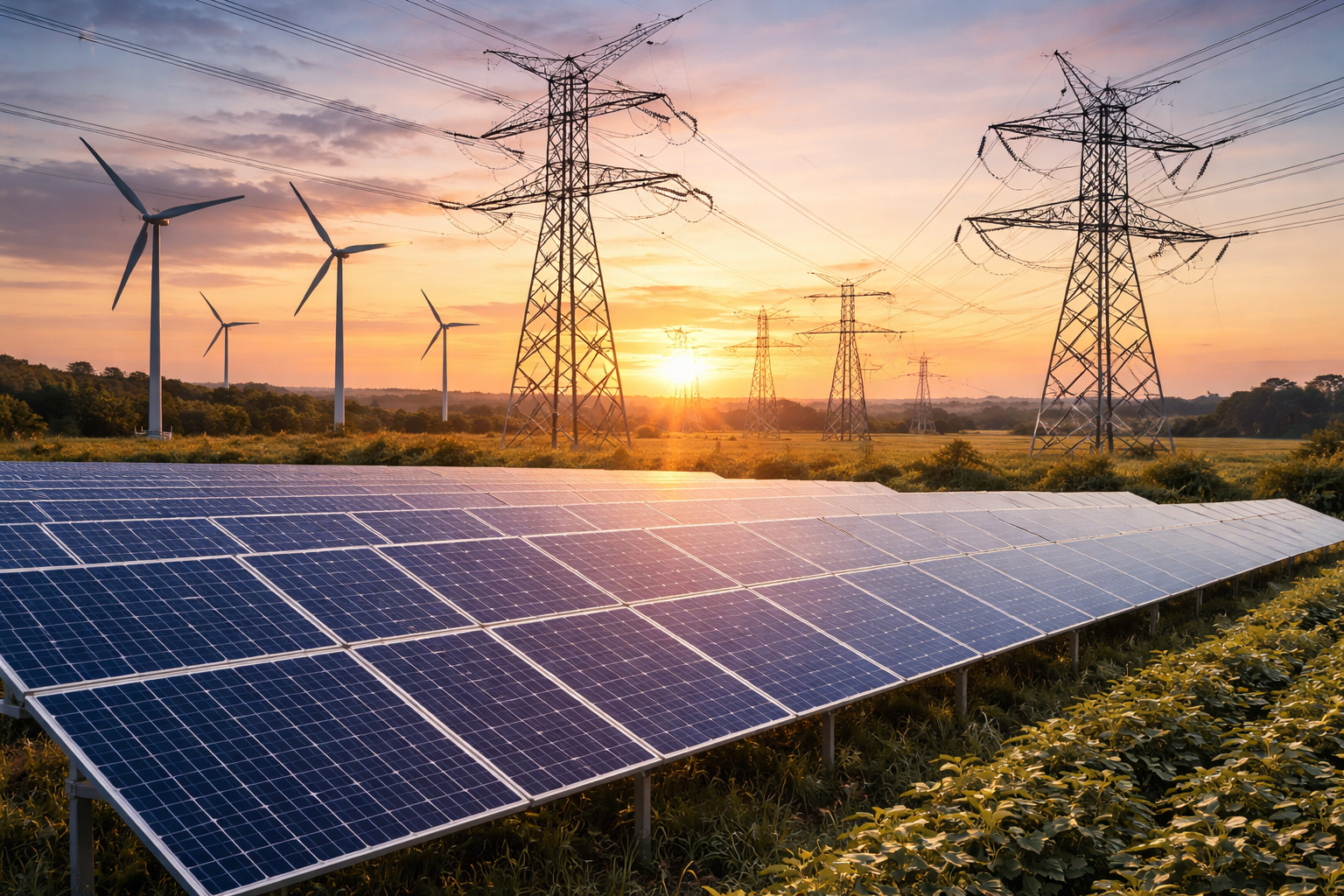
Over the last decade, Brazil has established itself as one of the fastest-growing countries in solar energy and wind energy in the world. However, this progress has faced a significant structural hurdle. The electrical grid, responsible for transporting electricity from power plants to consumer centers, cannot keep pace with the expansion of renewable generation.
As a consequence, difficulties in balancing supply and demand have intensified. According to representatives from the electric sector, this imbalance is already causing frequent temporary suspensions of renewable plants, a phenomenon that threatens the economic viability of existing projects and the construction of new endeavors.
This scenario reveals a paradox. Brazil has one of the cleanest electricity matrices in the world. Still, it faces bottlenecks that prevent the full utilization of energy generated from the sun, wind, and water.
-
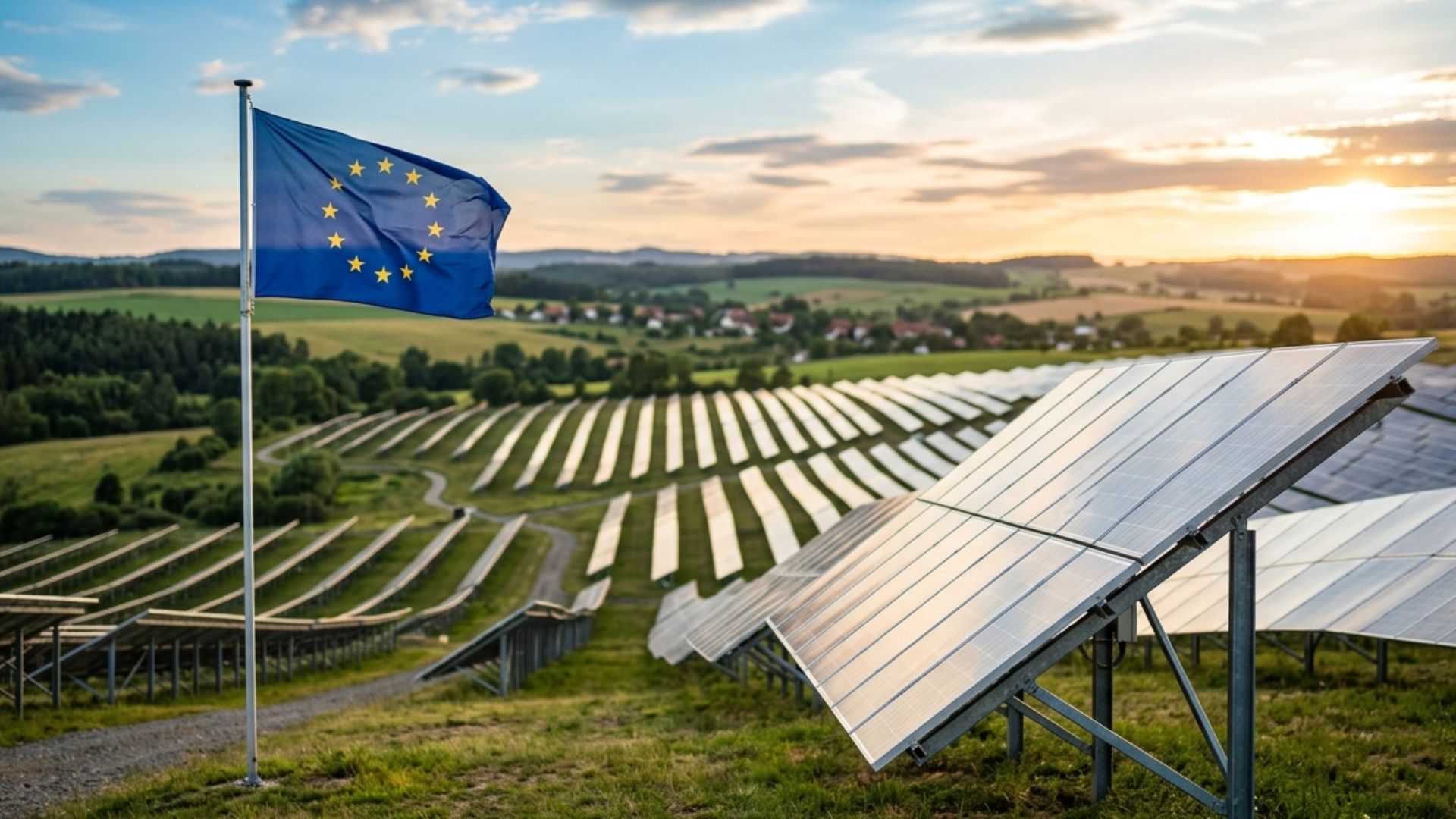
Europe records strong euro economy with solar energy in March and sparks curiosity about which country leads growth that redefines the energy market and reduces costs.
-
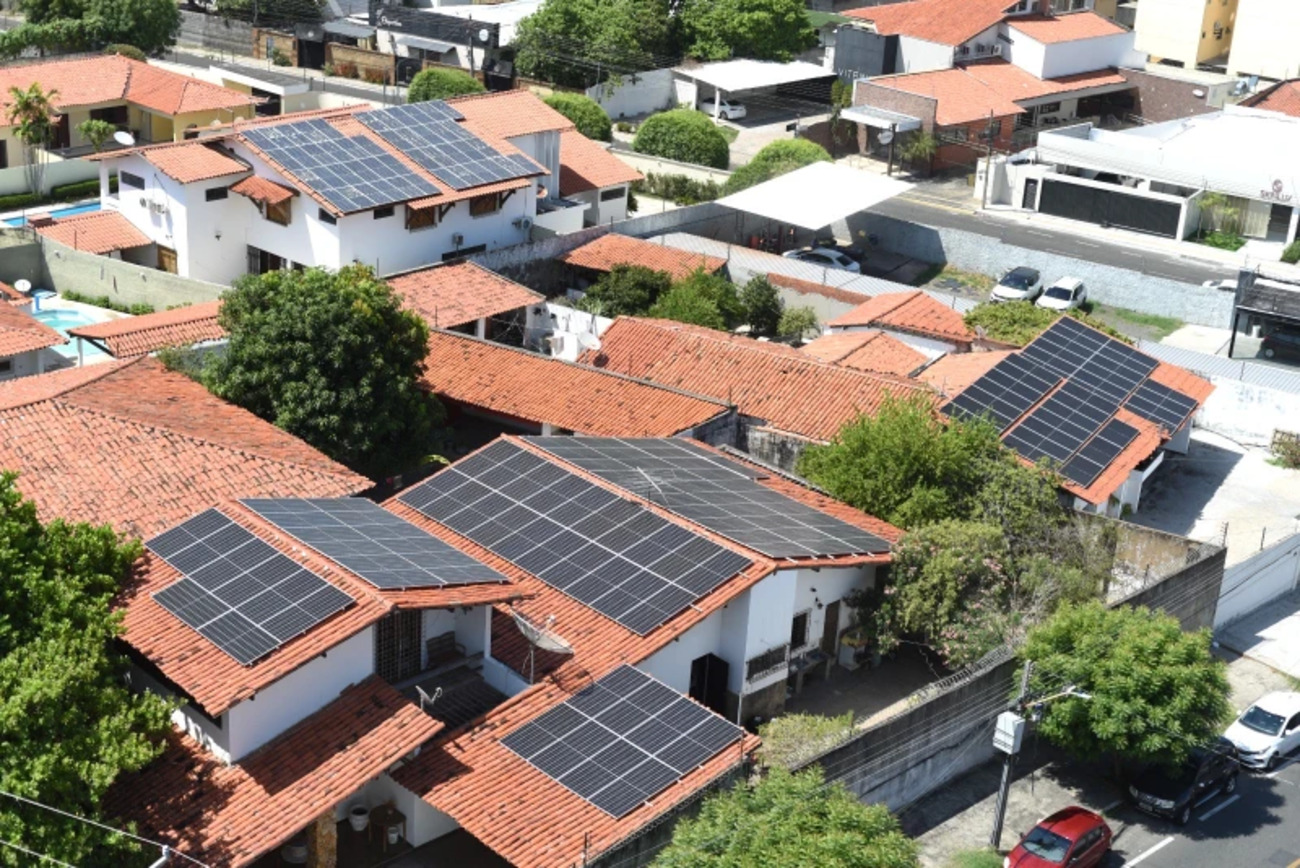
Piauí reaches a historic milestone in energy transition: State records nearly 160,000 households powered by solar energy and leads growth in the Northeast.
-
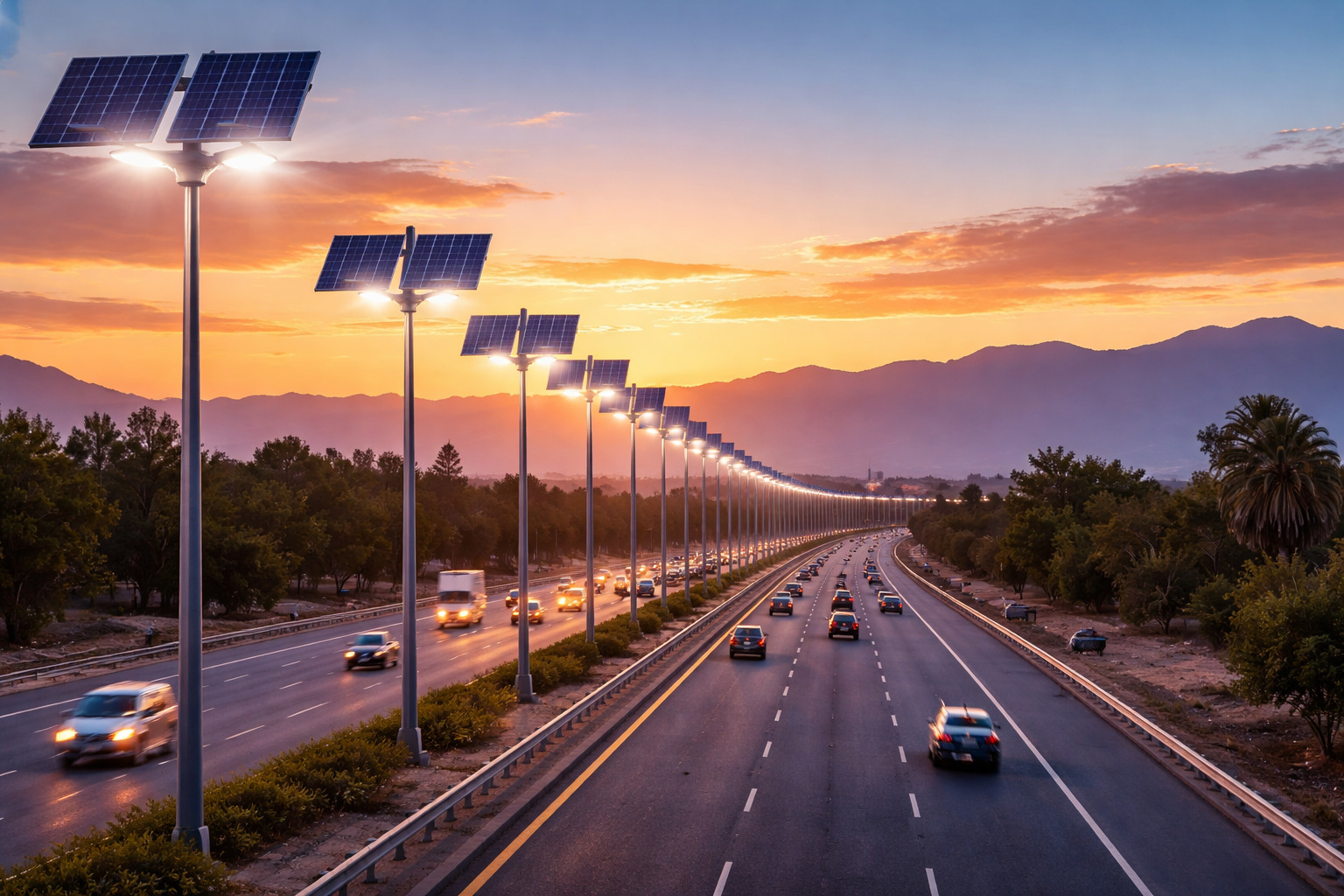
Argentina debuts its first 100% solar-powered highway and transforms an entire road into a showcase of clean energy.
-
Minas Gerais reaches a historic record and surpasses the power of Itaipu, but network costs generate debate: Understand why solar energy in MG impacts the electricity bill of those without panels.
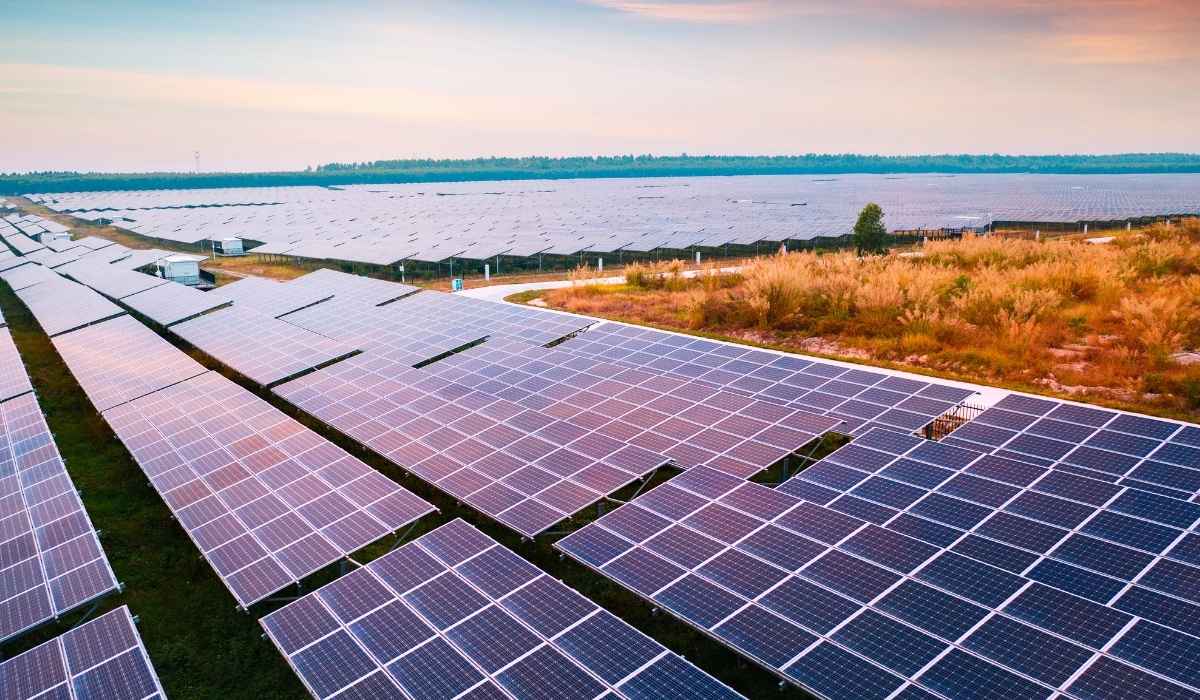

Historically, large hydropower plants have formed the backbone of the national electric system. Since the mid-20th century, large-scale projects have ensured abundant and relatively cheap energy for the largest economy in Latin America.
The Historical Foundation of the Brazilian Electric Matrix
According to the Ministry of Mines and Energy, for decades, over 70% of the electricity consumed in the country came from hydropower sources. This model helped Brazil to stand out globally in terms of clean energy, especially compared to countries heavily reliant on coal and oil.
However, over the years, this system has shown vulnerabilities. Longer and more intense drought periods have reduced reservoir levels. As a result, the country had to resort to thermal power plants, increasing costs and emissions.
Faced with this, diversifying the matrix ceased to be a choice. It became a necessity.
The Advancement of Solar and Wind Energy in the Last Decade
Since the 2010s, solar energy and wind energy have gained prominence. The drop in the cost of solar panels, combined with public policies and energy auctions, has driven large-scale investments.
According to data from the National Electric Energy Agency (Aneel), the installed capacity of solar and wind energy has grown rapidly between 2015 and 2024. The Northeast has stood out as the main hub, thanks to high solar incidence and favorable wind patterns.
Additionally, distributed solar generation has spread across the country. Rural producers, businesses, and households have begun to invest in photovoltaic systems, seeking to reduce costs and gain predictability.
However, while generation advanced, transmission infrastructure lagged behind.
Bottlenecks in the Transmission Network
The Brazilian electricity grid relies on thousands of kilometers of transmission lines to connect energy-producing regions to major consumer centers. Many solar and wind plants are located far from key industrial and urban hubs.
According to the National Electric System Operator (ONS), delays in transmission works have created operational bottlenecks in various regions. As a result, even when there is abundant sun or wind, the system cannot evacuate all the energy produced.
This problem generates what is known as curtailment, a technical term that defines the forced reduction of energy generation. In practice, renewable plants are required to shut down part of their production, even when capable of generating clean electricity.
Direct Impacts on Projects and Investments
This scenario worries investors. Solar energy and wind energy projects depend on regulatory stability and revenue predictability. When energy cannot be delivered to the system, financial returns diminish.
According to associations in the sector, such as the Brazilian Photovoltaic Solar Energy Association (Absolar), the increase in operational restrictions raises risks and raises the cost of financing new projects. As a result, planned ventures may be delayed or canceled.
Furthermore, uncertainty affects Brazil’s competitiveness in the global clean energy market. Countries that simultaneously invest in generation and infrastructure can attract more capital and accelerate the energy transition.
Planning and Regulatory Challenges
Experts point out that part of the problem lies in the time required for planning and executing transmission works. Complex environmental licenses, judicial hurdles, and bureaucratic obstacles delay essential projects.
According to the Federal Court of Accounts (TCU), in recent reports on the electric sector, the lack of synchronization between generation and transmission represents a structural risk to the country’s energy security.


Additionally, the Brazilian electric system was designed for large hydropower plants, with relatively stable production. In contrast, solar energy and wind energy require greater flexibility, regional integration, and complementary technologies, such as storage and smart management.
A Risk to Brazil’s Climate Ambitions
Brazil has made international commitments to reduce emissions. According to the federal government, under the Paris Agreement, the expansion of renewable energies is a key element to meet these targets.
However, without an electrical grid capable of absorbing and distributing the clean energy generated, these commitments are threatened. The country risks wasting its enormous solar and wind potential.
Despite this, the scenario is still reversible. Brazil retains clear competitive advantages: an abundance of natural resources, an already clean matrix, and accumulated technical know-how.
The Next Step in the Energy Transition
In light of this context, the consensus among experts is clear. The next stage of the Brazilian energy transition depends less on the construction of new plants and more on the strengthening of electrical infrastructure.
Investing in transmission, modernizing the system, and integrating management technologies will be decisive. Only then will the country be able to turn its potential into concrete reality.
Therefore, resolving the problems of the electrical grid is not just a technical issue. It is a strategic step to ensure economic growth, energy security, and global leadership in solar energy and clean energy.







Seja o primeiro a reagir!