





 Portuguese
  English
  Spanish
  3 min of reading
  0 comments


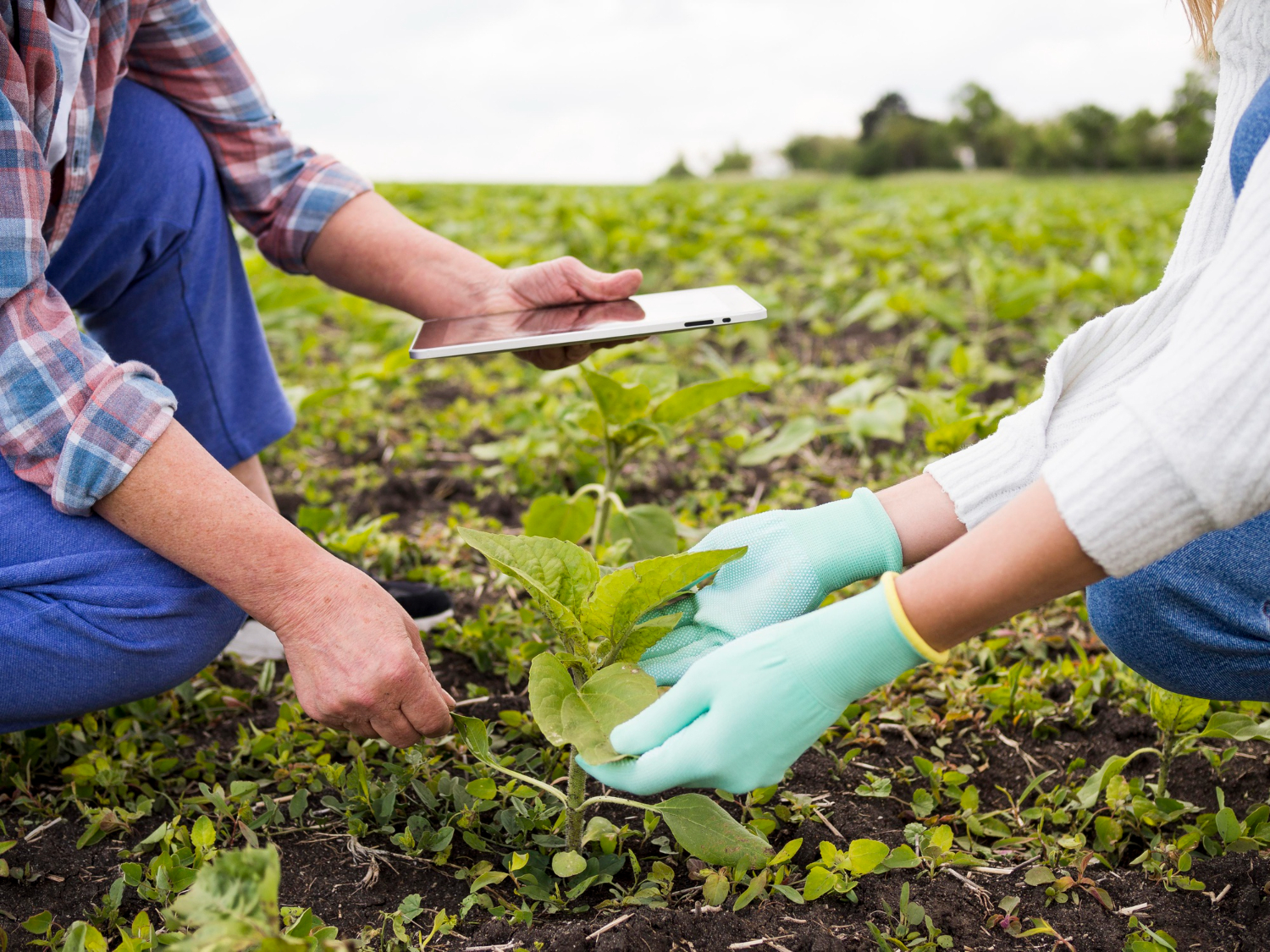
With A Focus On Sustainable Agricultural Production, Brazil Presented At COP30 Programs Focused On Soil Restoration, Green Financing And Climate Governance Applied To The Field
The sustainable agricultural production appears right in the first sentence of the debate conducted in the Blue Zone of COP30, where Minister Carlos Fávaro presented, on November 19, the Green Path Brazil as the central guideline of the country to recover degraded areas and reorganize land use, according to a news article published.
The minister emphasized that the initiative maintains a focus on the recovery of anthropized areas with environmental protection rules.
The minister highlighted that the program was created to meet current environmental demands while also providing predictability to the producer.
-
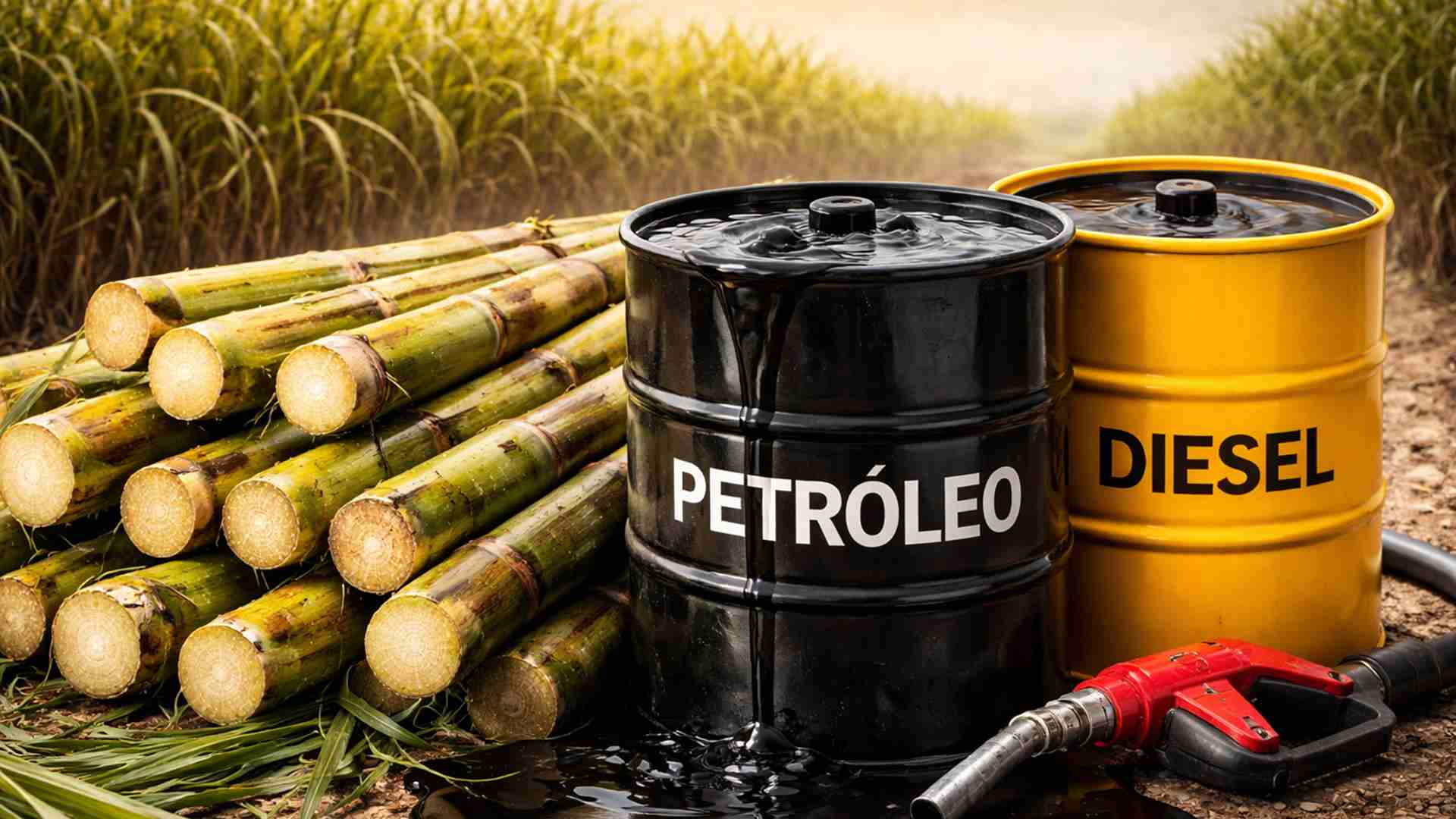
The rise in oil prices in the Middle East is already affecting Brazilian sugar: mills in the Central-South are seeing their margins shrink just as ethanol gains strength.
-
Rain gains strength in April, potentially exceeding 150 mm, placing the North, Northeast, and the coasts of the South and Southeast at the center of the heaviest forecast of the week.

-
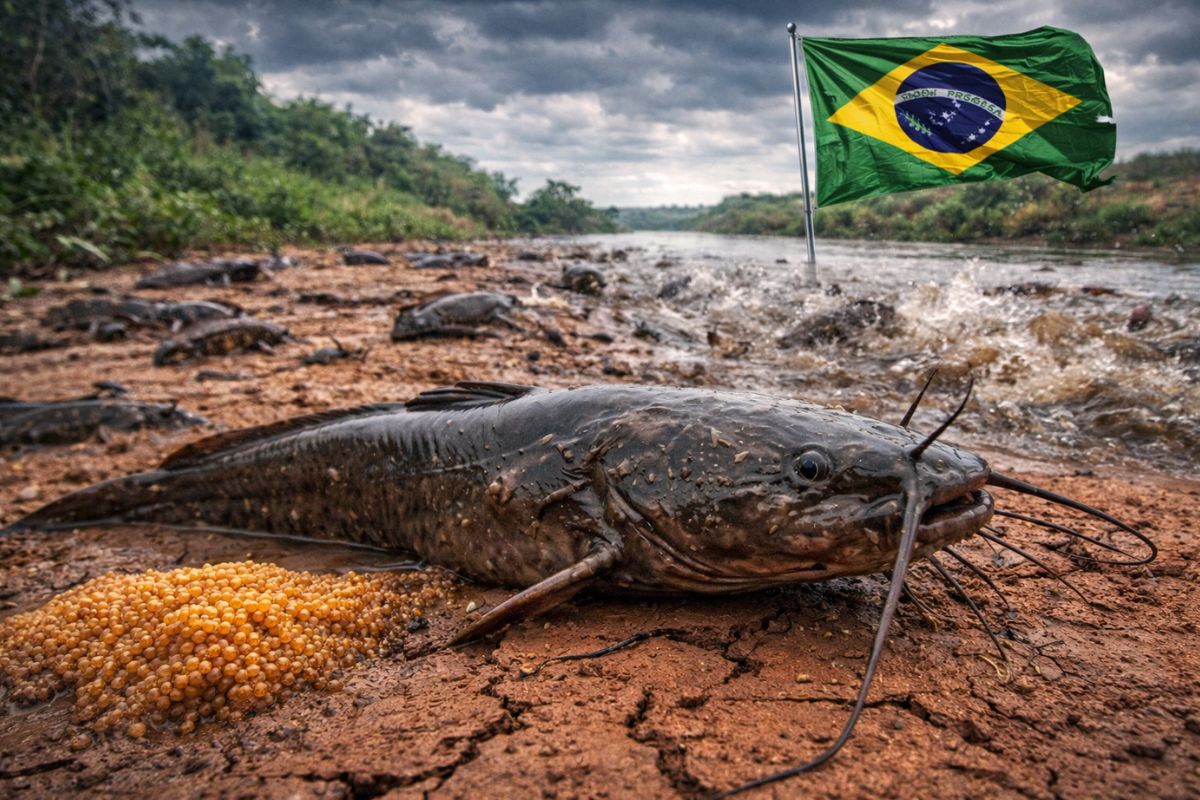
A fish that survives out of water, crawls on land until it finds another river, and whose female lays 80,000 eggs at once is infesting rivers and lakes in Brazil, and no one can stop this invasion.
-
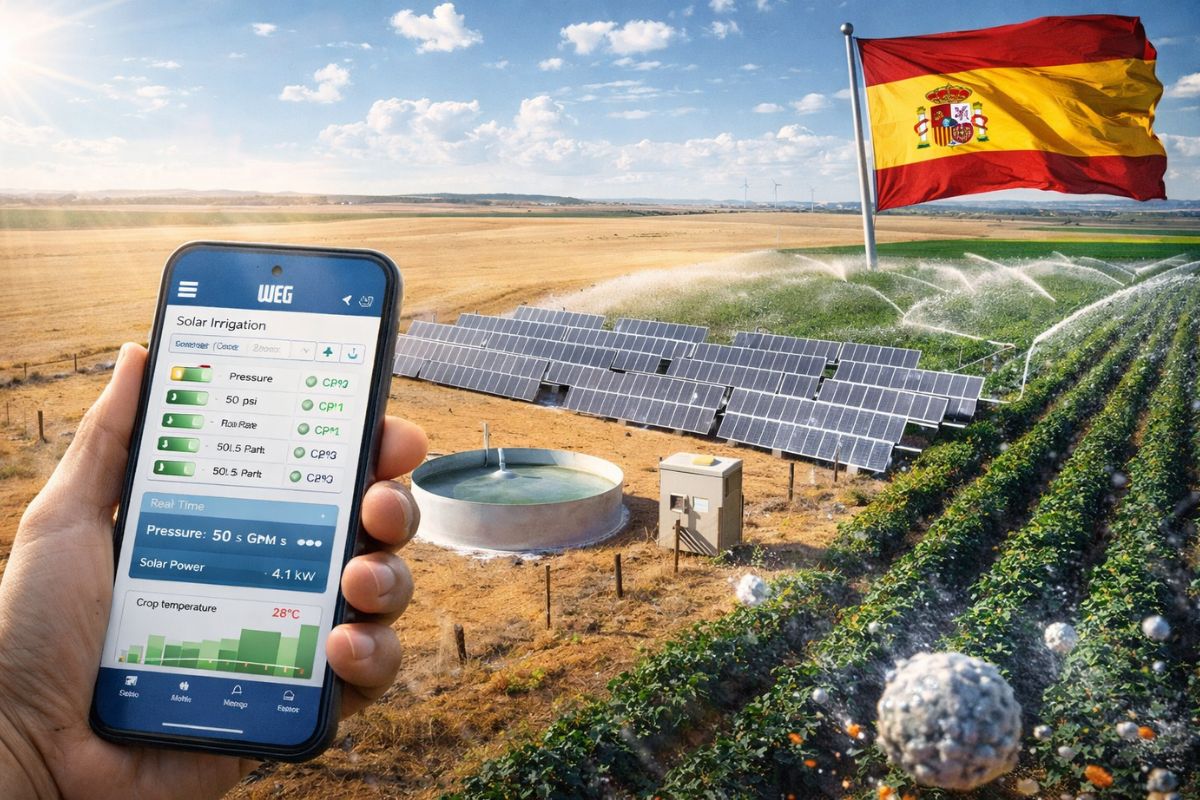
WEG took its technology to Spain to create a solar irrigation system that operates independently without needing an electrical grid, and now farmers control everything remotely via their mobile phones.

The Recovery Of Degraded Areas In Brazil As An Strategic Axis
The presentation brought numbers and rules that guide adherence to the Green Path Brazil, reinforcing that no participant may fell trees for ten years after signing the resource contracting note, even when the Forest Code allows some level of deforestation.
The logic creates an environmental filter that connects financing and good practices, enhancing the confidence of investors and rural entrepreneurs.
This model operates aligned with the goal of strengthening sustainable agricultural production within a global scenario that demands a reduction of pressure on ecosystems.
By concentrating efforts on compromised soils, the program reduces expansion costs, improves indicators of rational land use, and supports the formation of more stable supply chains, capable of meeting the demands of food security and climate neutrality.
The third point highlighted by Fávaro involved the flow of green capital. He stated that those who direct resources to the initiative will have opportunities for ongoing returns, as the recovery of degraded areas tends to generate productivity gains that consolidate year after year.
This vision is connected to the increasing presence of funds specialized in activities that enhance resilience and reduce climate risks in the rural sector, feeding new partnership models.
Sustainable Food Security And Climate Governance
In addition to the Green Path Brazil, the event marked the launch of RAIZ, led by the presidency of COP30.
The initiative Resilient Agriculture Investment for Net Zero Land Degradation seeks to stimulate replicable practices in various countries, associating productive systems and goals for reducing land degradation.
The movement creates an international cooperation environment focused on solutions that address supply challenges.
By reinforcing sustainable agricultural production, the speech in the Blue Zone connected Brazilian policies to broader strategies for sustainable food security, articulating actions for recovery, conservation, and rational land use.
Thus, the two initiatives presented at the event begin to function as showcases of programs that value transparency in the allocation of resources and create parameters for measuring results on a global scale.
The presence of foreign delegations strengthened the debate on climate governance, as RAIZ aims to gather countries facing similar pressures on soils and food supply.
This set of actions indicates that Brazil seeks to participate in international networks dedicated to rural transition.
Green Investments In Agriculture And Climate-Resilient Agriculture
Throughout the presentation, Fávaro reinforced that the Green Path Brazil relies on guidelines capable of guiding producers who wish to maintain economic stability while adhering to low-impact practices.
The strategy is directly related to sustainable agricultural production, as it shows how proper management of nutrients, biomass, and soil structure enhances resilience on properties of different sizes.
The focus on green investments in agriculture engages farmers interested in integrating technology and restoration, promoting the regeneration of agricultural soils and reducing risks associated with climate change.
The initiatives showcased at COP30 reinforce the vision that the recovery of compromised areas can lead to new productive opportunities and broaden the reach of practices that value environmental, economic, and social efficiency.






Seja o primeiro a reagir!