





 Portuguese
  English
  Spanish
 5 min of reading
  0 comments


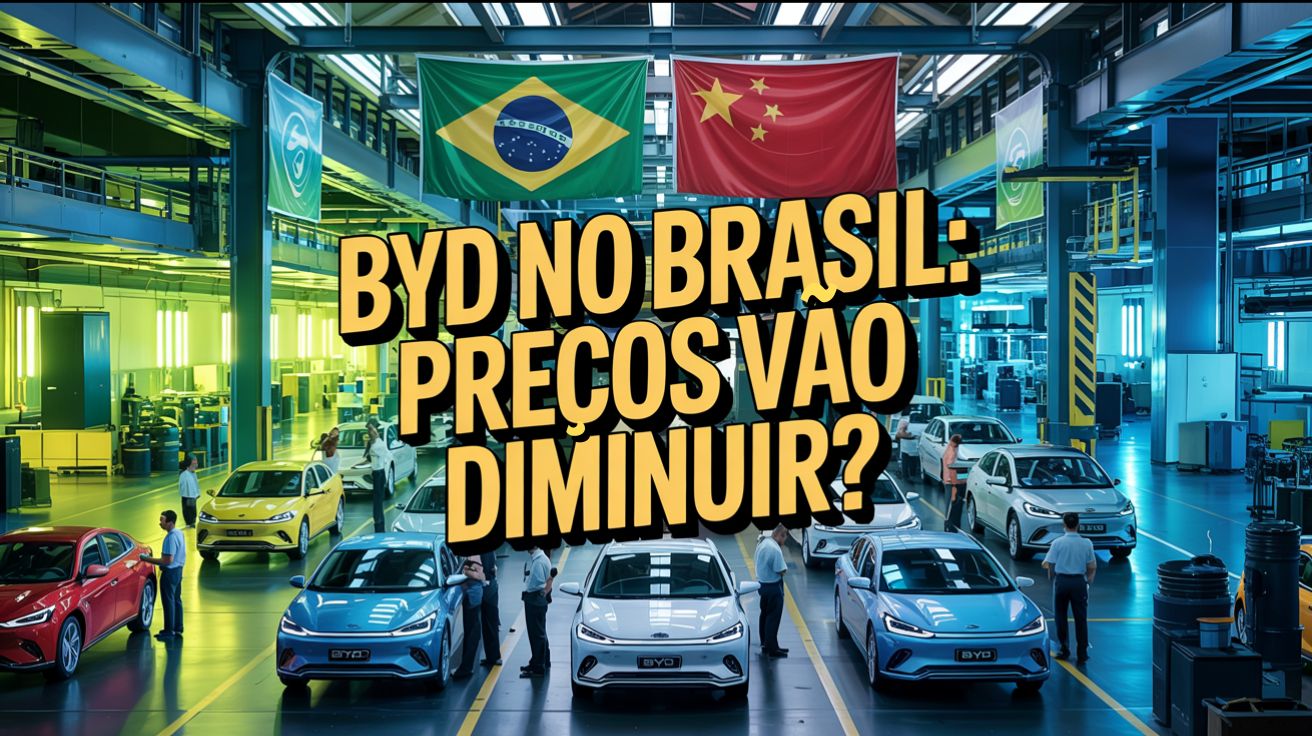
The New BYD Factory in Bahia Promises to Revolutionize the Production of Hybrid Flex Cars in Brazil, Bringing Advanced Technology and Unique Challenges, While the Market Keeps a Close Eye on the Impacts of This Change in the National Automotive Sector.
BYD announces the start of production at its new factory in Camaçari (BA) for June 26, 2025, but the big question lingering in the market is: will car prices really fall?
According to the company’s Senior Vice President, Alexandre Baldy, the Chinese automaker promises to keep prices stable, without significant adjustments, but did not confirm discounts or price reductions for the end consumer.
This information comes amid a complex scenario, marked by delays, labor complaints, and logistical challenges that have impacted the original schedule.
-
Heineken’s factory in Brazil produces 300 million beer cans in just 4 months, reaches 1 million hectoliters, received R$ 2.5 billion, and is already projecting an annual capacity of 5 million with sustainable technology.
-
Inside an active volcano in Africa, residents use volcanic rocks to build houses in an impressive setting.
-
After 14 years of waiting, a rammed earth mansion built in 1702 in the North Zone of São Paulo will become a park with leisure facilities and green areas, with a million-dollar investment.

-
With 2 unfinished nuclear reactors, up to 25 billion in costs, and proven fraud, the Nukegate case has left 800,000 consumers still paying today for energy that will never be produced.


The Bahia plant’s main highlight is the hybrid flex technology, a system that combines an electric motor and a combustion engine powered by ethanol or gasoline, which so far only Toyota offers in Brazil with its full hybrid (HEV) models.
The first vehicle off the assembly line will be the Dolphin Mini, a compact model that has already generated interest in the national market, but BYD is keeping secrets about future launches.
In an interview with the VRUM portal, Baldy revealed that the company’s focus is to bring to Brazil a “super plug-in flex-fuel hybrid” that can efficiently use ethanol as a fuel with performance similar to or even better than current models powered by gasoline or electricity.
“We want to make ethanol a cost-effective option as advantageous as gasoline or electricity for Brazilian drivers,” Baldy stated, highlighting the potential of the locally produced biofuel from sugarcane.
The promise is that BYD’s hybrid flex cars could have optimized performance with ethanol, taking advantage of the greater power that this fuel can offer, which could result in gains of up to 5 horsepower in flex engines, according to experts.
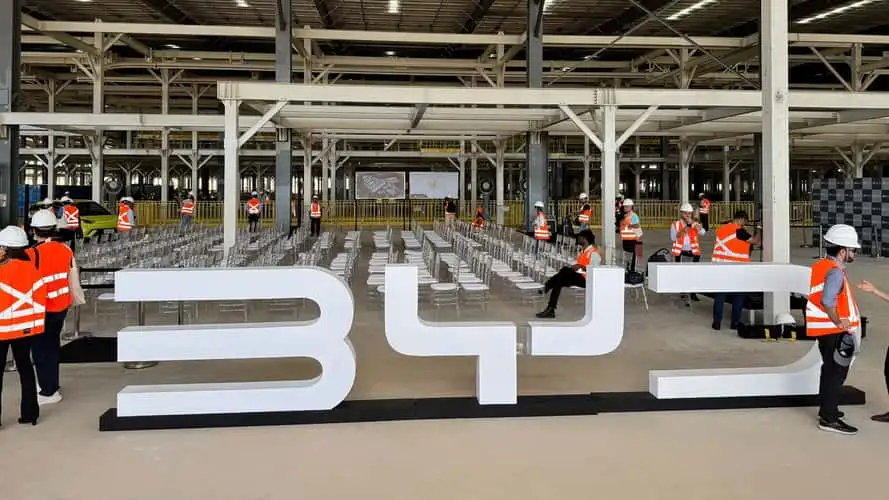
Obstacles and Delays in Production
However, national production has faced several obstacles that delayed the company’s plans.
Initially scheduled to start in 2024, assembly has been postponed to the second half of 2025 due to a series of setbacks.
One of the most serious incidents was a complaint from the Ministry of Labor and Employment (MTE), which in November 2024 pointed to conditions akin to slavery involving 163 Chinese workers from Jinjiang Construction Brazil Ltda, a company contracted for the factory’s construction.
The reports indicated precarious accommodations, with beds without mattresses, insufficient bathrooms, and retained passports, as well as part of the salaries being sent directly to China.
The inspection resulted in work stoppages and interdicts on the site, and BYD terminated the contract with Jinjiang, seeking to regularize the situation and resume activities.
Still, a lawsuit was filed against BYD and the involved contractors, with a request from the Public Prosecutor’s Office for R$ 257 million for collective moral damages, as a way to repair the social impact of the situation.
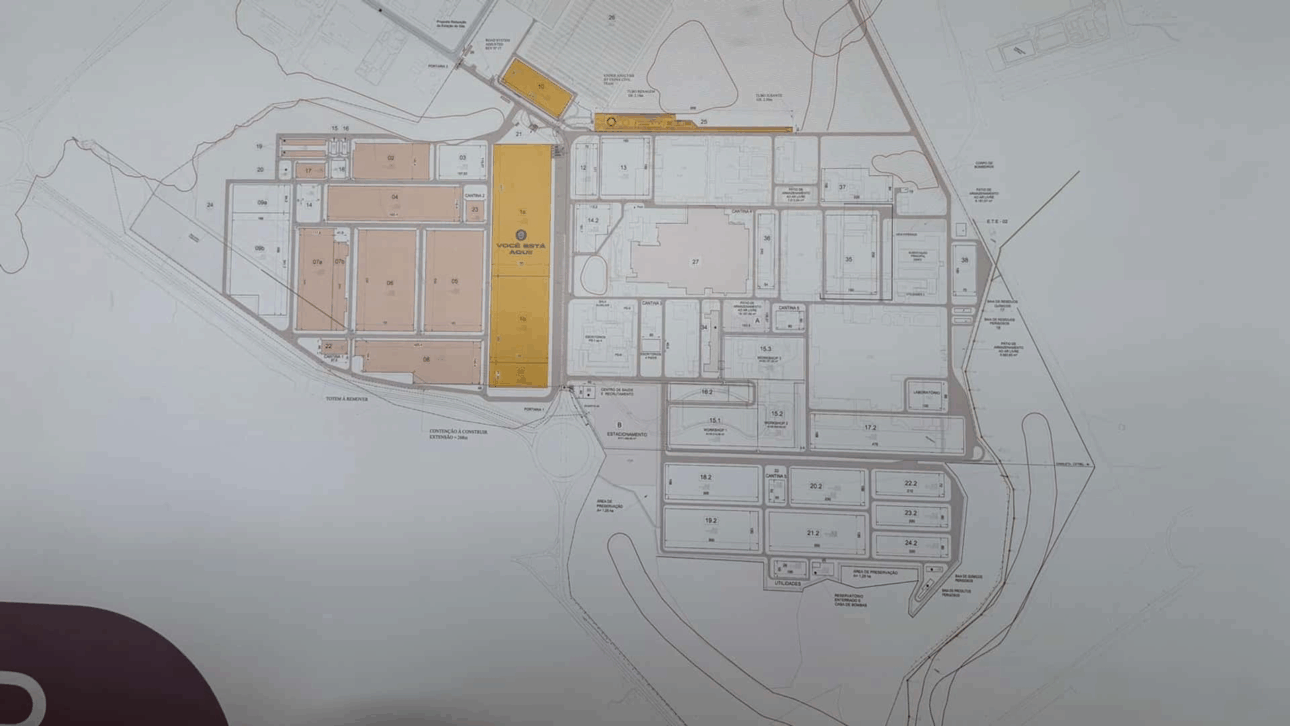
In addition, heavy rains and delays in the release of imported equipment held up at the Port of Salvador due to tax issues further complicated the resumption of production.
According to the Secretary of Labor of Bahia, Augusto Vasconcelos, the plant is only expected to reach 100% of its operational capacity in December 2026, which implies a gradual schedule for the consolidation of the factory.
Another important point is the assembly regime initially adopted, the SKD (Semi Knocked Down), which consists of assembling vehicles from partially disassembled imported parts and subassemblies.
This stage should last about 12 months, after which production will be fully national, which may influence costs and consequently car prices.
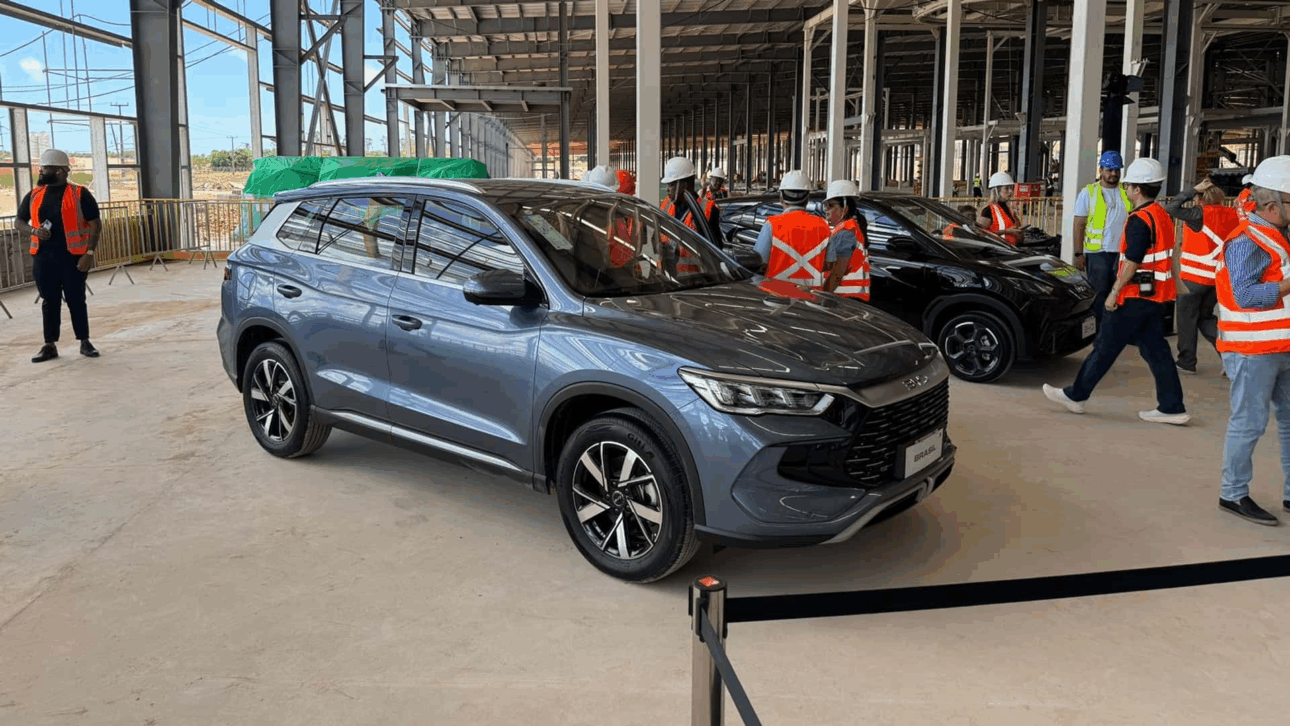
Competition and Technology for the Brazilian Market
In the Brazilian market, BYD aims to compete directly with Toyota, which currently dominates the hybrid segment with the Corolla Cross and Corolla sedan.
The novelty from BYD is to bet on ethanol as a flex fuel, something that is still not explored by other plug-in hybrid automakers in the country, leveraging the local energy matrix and the tradition of biofuel.
Although the technical and commercial details are still kept under wraps, the Song Pro appears as a strong candidate to be the first hybrid flex model produced in Camaçari, due to its relevance in BYD’s portfolio and the information already disclosed by the company.
For the Brazilian consumer, this movement brings an expectation of increasing sustainable options, more aligned with the national reality, but also raises questions about accessibility and pricing.
Despite BYD’s optimism, the promise to keep prices stable without explicit reductions leaves the challenge of making these vehicles competitive against the current prices practiced in the Brazilian market, which are still considered high for a large part of the population.
Public Policies and the Future of Hybrid Flex Vehicles
The issue of tax incentives, taxes, and public policies for hybrid and electric cars will also influence the final price and the popularization of these vehicles.
In recent years, state and federal governments have discussed measures to encourage the adoption of clean technologies, such as IPVA exemption, IPI reduction, and facilitation in importing components, but implementation and coverage are still uneven.
BYD’s entry with local production and hybrid flex technology may accelerate these discussions, especially because the brand bets on the advantage of ethanol as a renewable and national fuel.
Moreover, the global trend of automotive electrification pressures automakers to innovate and offer models that reconcile sustainability and cost-effectiveness.
BYD’s arrival in Brazil represents an important shift in the automotive landscape, bringing the country closer to global trends, but the true revolution will depend on the balance between technology, pricing, and public policies.
Will BYD be able to keep its promise of making prices affordable and making ethanol a viable option for drivers?
With so many taxes and a market full of unfulfilled promises, do you believe BYD will reduce car prices in Brazil or is this just a distant dream for consumers?





Seja o primeiro a reagir!