





 Portuguese
  English
  Spanish
  5 min of reading
  0 comments


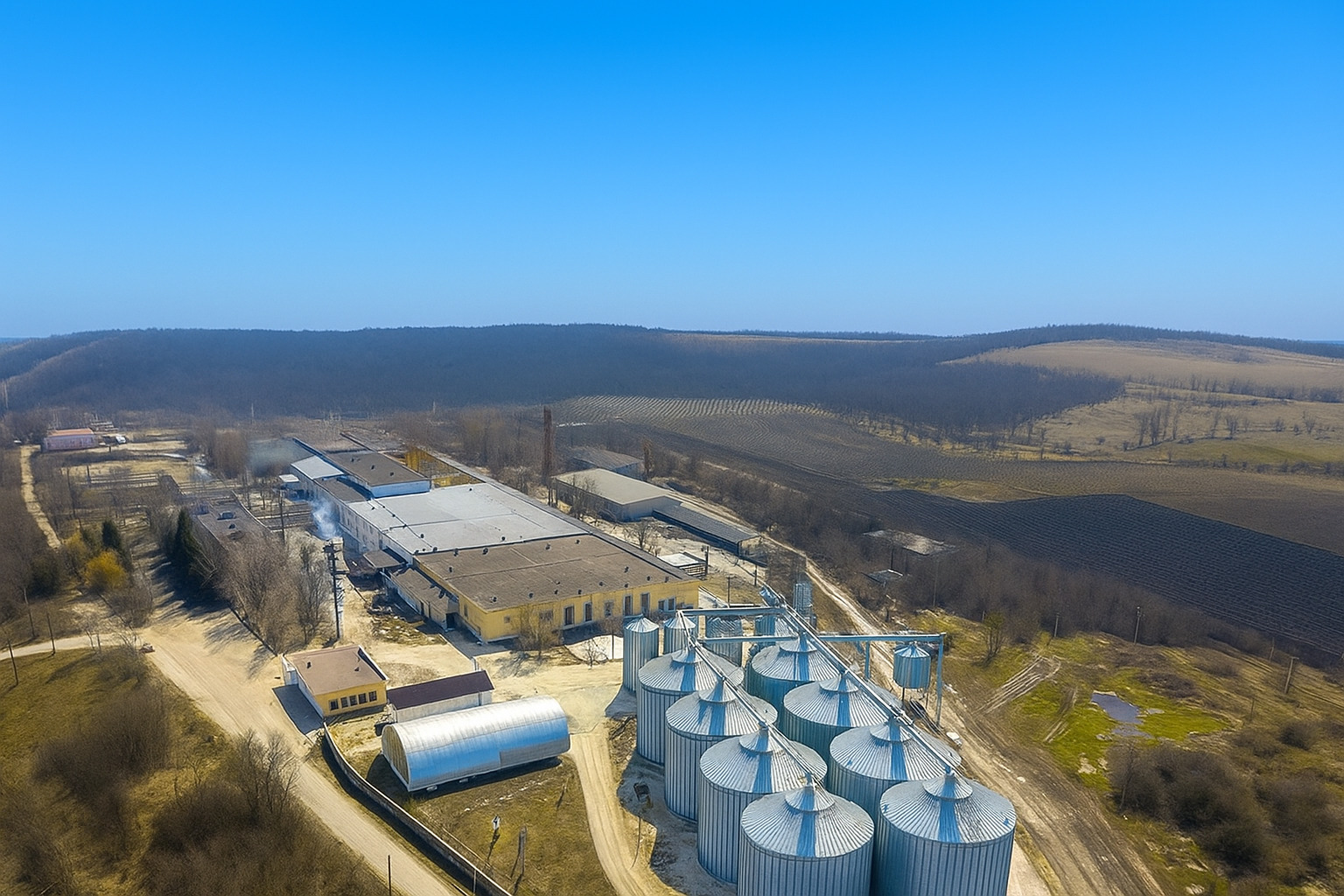
Brazil Must Expand Biogas Production; Sector Should Triple by 2027, Boosting Clean Energy, Green Economy, and Emission Reduction.
The Brazil is experiencing an important historical moment in the energy sector, and, consequently, there is increasing attention to renewable sources and sustainability.
Among the most significant advancements, biogas stands out, a renewable fuel that is gaining ground in the country.
According to a recent study by Copersucar, biogas production is expected to triple by 2027, signaling a significant transformation in the national energy matrix and, moreover, opening new opportunities for the green economy.
Biogas is obtained from the purification of biogas, which arises from the decomposition of organic waste such as vinasse, sugarcane bagasse, livestock waste, and sludge from sewage treatment plants.
This process makes biogas completely interchangeable with fossil natural gas; therefore, it can be used in industrial processes, heavy transportation, and various applications that previously relied on fossil fuels.
Historically, the search for alternatives to oil and natural gas has motivated environmental, economic, and geopolitical policies.
Thus, biogas emerges as a promising response to these challenges.
Currently, Brazil operates with ten biogas production plants, which generate about 656 thousand cubic meters per day.
However, with the planned investments and sector expansion, the country is expected to reach 52 units by 2027, achieving a total capacity of 2.3 million cubic meters per day.
This growth projection highlights not only the potential of biogas as a fuel, but also the country’s commitment to decarbonization and the circular economy.
-
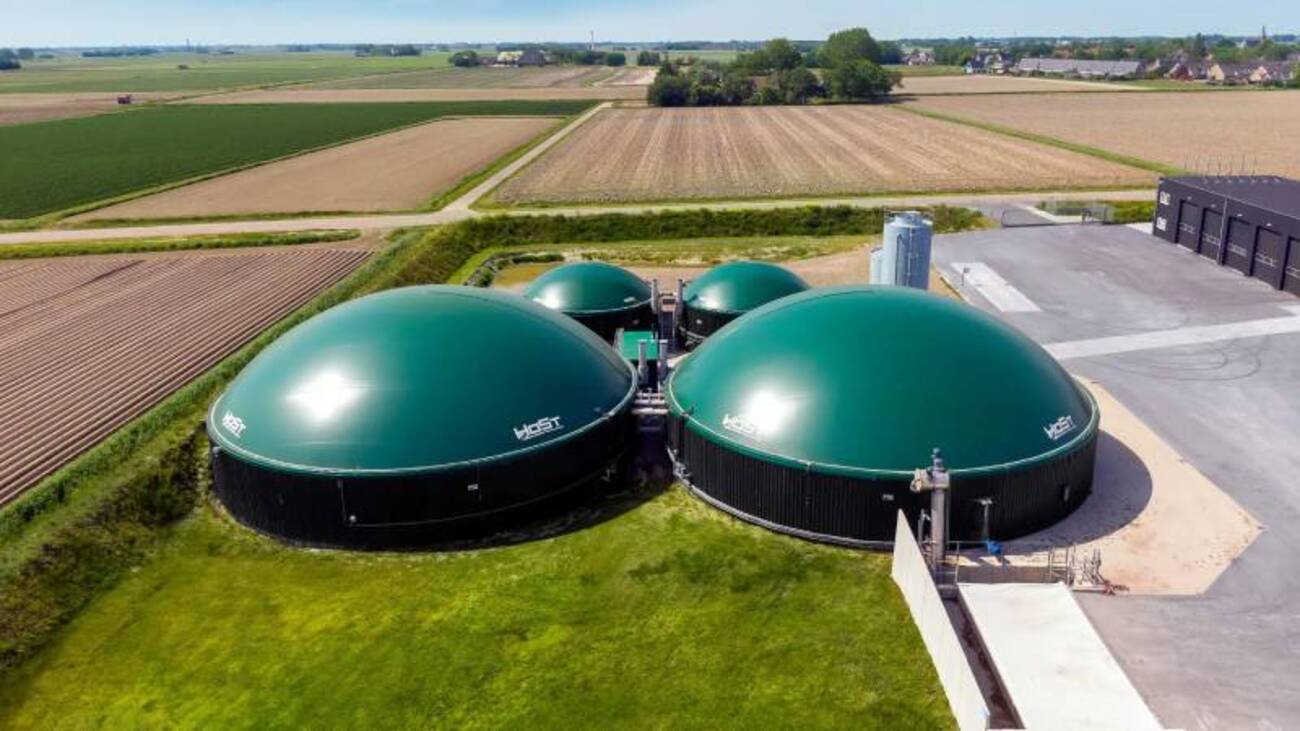
Revolution in the sugar-energy sector: Government sets new target for biomethane and paves the way for ethanol plants to profit from the conversion of waste into renewable fuel.
-
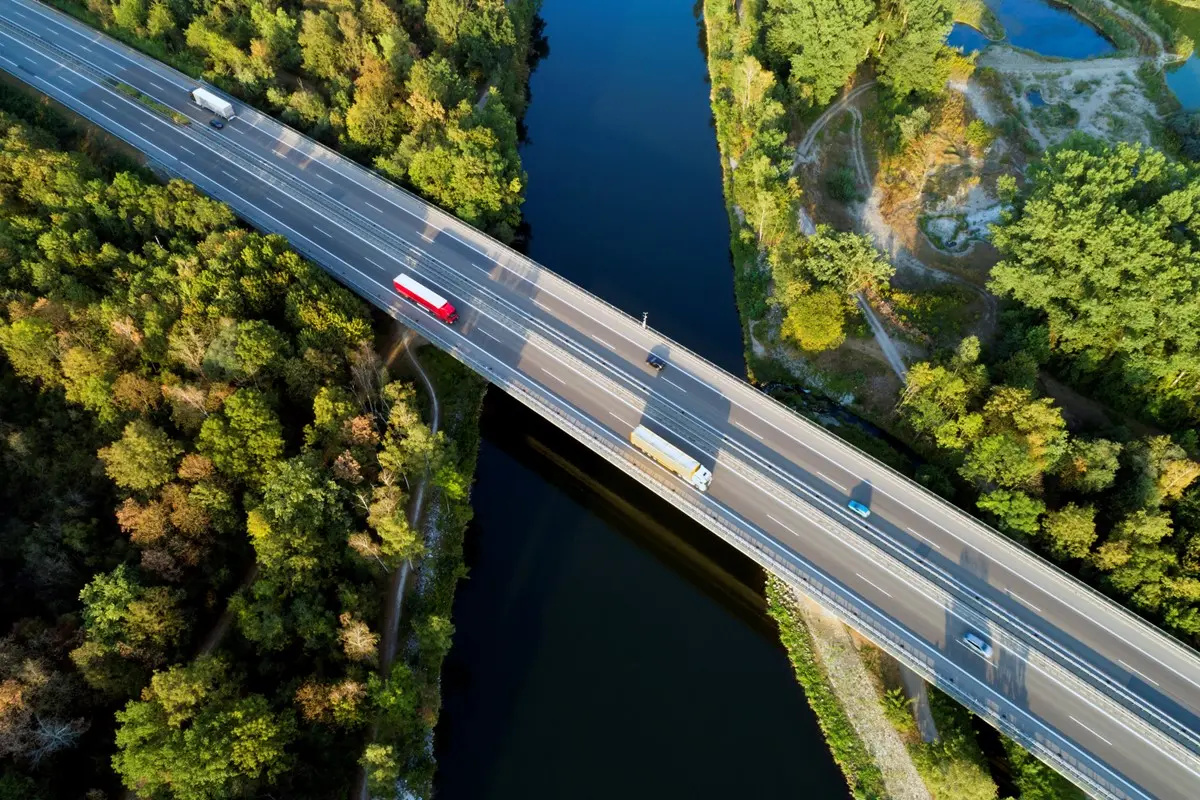
Brazil bets on biomethane, ethanol, and hydrogen as the definitive solutions for the decarbonization of heavy vehicles and the reduction of emissions in cargo transportation.
-
The biodiesel industry is pressuring the government for a simplified test to increase the blend with diesel and highlights the potential to attract investments, accelerate production, and consolidate Brazil’s leadership in biofuels.
-
Brazil accelerates hydrogen and biofuel projects to consolidate the fuel of the future and reduce dependence on oil by 2026.
São Paulo Leads the Energy Transition
The state of São Paulo stands out in this scenario; in fact, it has favorable conditions, such as an abundance of substrates from the sugar-energy sector and established infrastructure.
Therefore, São Paulo accounts for about 40% of national production and 31% of expansion projects.
The projection indicates that the São Paulo potential could reach 36 million cubic meters per day.
This volume is sufficient to completely replace the industrial consumption of natural gas or even 85% of the diesel used in the state.
This historical context reinforces the strategic importance of the region, which has played a central role in the Brazilian economy through sugar and ethanol production and, thus, is now establishing itself as a protagonist in the energy transition.
In addition, the experience accumulated in logistics, transportation, and processing of biomass allows São Paulo to advance rapidly in biogas production.
Thus, agro-industrial waste is utilized efficiently and sustainably.
The growth of the biogas sector also strengthens the circular economy, utilizing organic waste that would otherwise go to landfill.
Plants that produce biogas can, in this way, use the fuel in their own operations, reducing costs and greenhouse gas emissions.
Moreover, the sector has the potential to generate jobs and income, driving significant investments.
It is estimated that, just in the state of São Paulo, the biogas and biogas chain could create around 20 thousand jobs in the coming years and attract more than 22 billion reais in investments.
This growth promotes regional development and economic inclusion.
It also contributes to diversifying the local economy, stimulating small producers, cooperatives, and companies focused on logistics and biogas transportation.
Environmental and Social Benefits of Biogas
Biogas significantly reduces environmental impact; in fact, studies show that its use can reduce greenhouse gas emissions by more than 90% compared to natural gas and diesel.
In heavy transportation, biogas could replace more than 50% of Brazil’s diesel imports, strengthening the country’s energy security and, thus, making the energy matrix more resilient and diversified.
In this sense, biogas is not limited to an energy alternative: it integrates economic and environmental goals.
Historically, Brazil has developed a tradition in the use of biofuels, especially with the Proálcool program, initiated in the 1970s, which introduced ethanol as an alternative to gasoline.
This movement created a technological, logistical, and knowledge base that, consequently, facilitates the expansion of biogas.
Additionally, the experience accumulated with ethanol and biomass from the sugar-energy sector provides inputs, processes, and expertise that enable biogas production to grow rapidly and efficiently.
In this way, the sector makes use of the existing infrastructure and the technical knowledge developed over decades.
The expansion of biogas also reduces environmental impacts related to the improper disposal of organic waste.
By turning these waste products into clean energy, the sector mitigates methane and other pollutant emissions, strengthens the green economy, and thus generates direct benefits to health and the environment.
Challenges and Future Perspectives
Despite the promising outlook, Copersucar’s study identifies important challenges.
The sector needs investments in supply and transport infrastructure, especially to serve interior regions.
The transport of gas in compressed form (CNG) is already efficient, but it requires standardization and greater scale to consolidate nationally.
Furthermore, increasing the fleet of biogas-powered vehicles is essential to create consistent demand and financially enable investments in new plants.
Therefore, these challenges require public policies and clear incentives, ensuring that sector growth is sustainable and continuous.
Strategic planning must align producers, distributors, industries, and transport fleets.
Consequently, the productive chain strengthens and investor confidence is maintained.
Biogas represents much more than a fuel; it offers sustainable development opportunities, emission reduction, and diversification of the national energy matrix.
The country has the conditions to become a global leader in biogas production, leveraging the expertise of the sugar-energy sector and consolidating the green economy as a growth engine.
With appropriate incentives, strategic planning, and a long-term vision, biogas production is expected to triple by 2027.
Thus, the country transforms the Brazilian energy reality and paves the way for a cleaner and more efficient future.
In addition to the environmental impact, biogas promotes job creation, regional investments, and the utilization of organic waste.
Thus, it strengthens communities and encourages local development.
Historically, policies that integrate sustainability and economic development have shown positive results in Brazil.
Biogas follows this logic, proving that it is possible to unite technological innovation, environmental care, and economic growth harmoniously.









Seja o primeiro a reagir!