





 Portuguese
  English
  Spanish
  3 min of reading
  0 comments


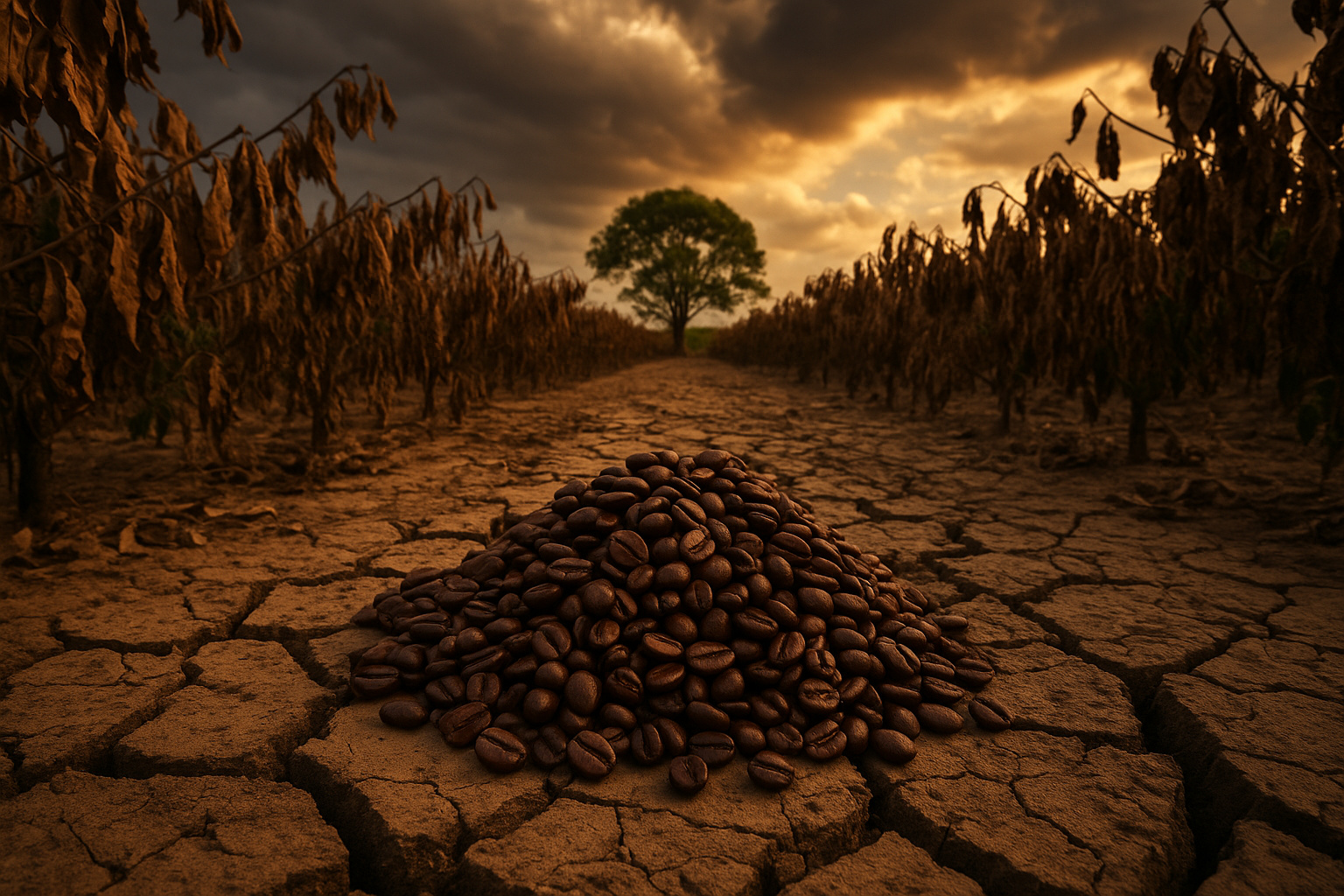
Deforestation And Climate Change Are Threatening Brazilian Coffee, Putting Production At The Brink Of Collapse.
Brazilian Coffee At Risk: Report Warns Of Production Collapse
The coffee, a symbol of Brazilian production and national pride, faces one of the greatest threats in its history. A report from the Coffee Watch, released this Wednesday (23), indicates that deforestation in major producing regions is reducing rainfall and compromising the cultivation of the bean.
According to the survey, Brazil — the world’s largest coffee producer — could see its production collapse in the coming decades if the advance of deforestation and climate change are not contained. The conclusion is alarming: the more forest is destroyed to plant coffee, the less chance there is for coffee to survive.
The Coffee Paradox: More Plantations, Less Rain
The study mapped deforestation in the Southeast Coffee Belt, especially in Minas Gerais and São Paulo, and compared it with data on rainfall and agricultural productivity. The result shows a worrying contradiction: the expansion of plantations is drying the climate that sustains them.
-
The water that almost everyone throws away after cooking potatoes carries nutrients released during the preparation and can be reused to help in the development of plants when used correctly at the base of gardens and pots, at no additional cost and without changing the routine.

-
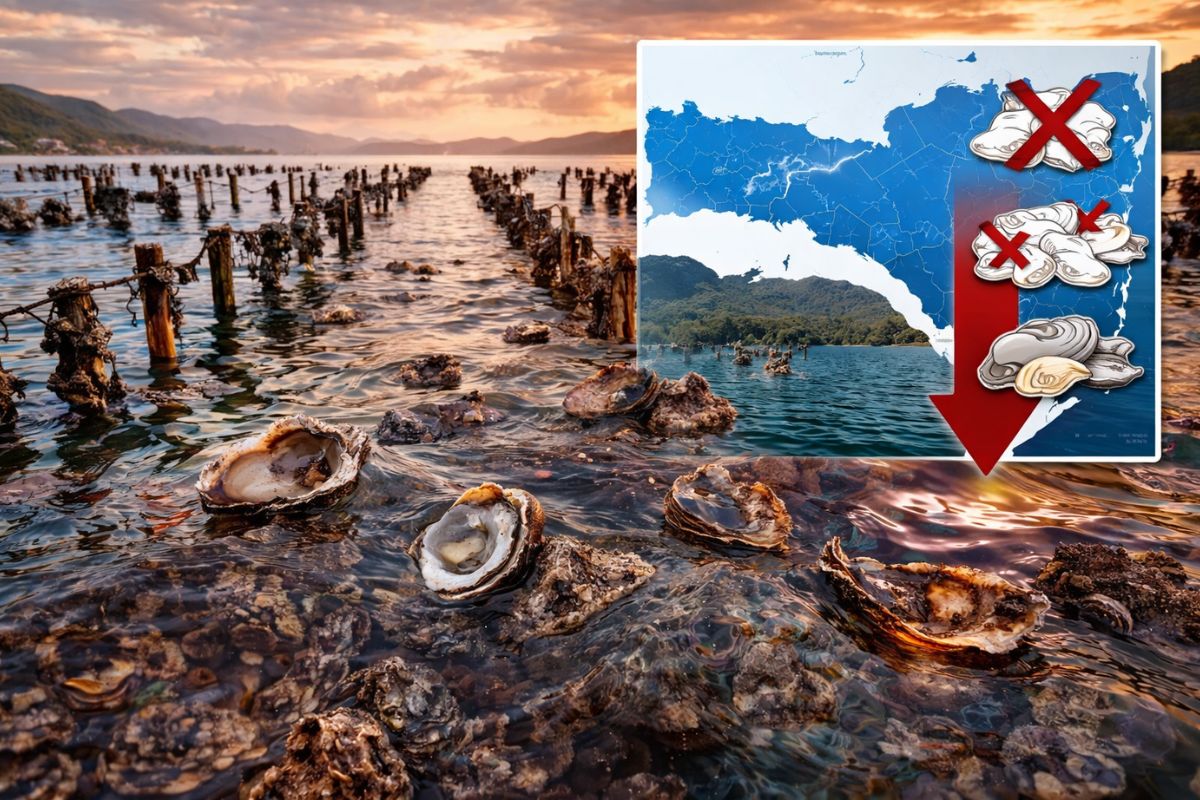
The sea water temperature rose from 28 to 34 degrees in Santa Catarina and killed up to 90% of the oysters: producers who planted over 1 million seeds lost practically everything and say that if it happens again, production is doomed to end.
-
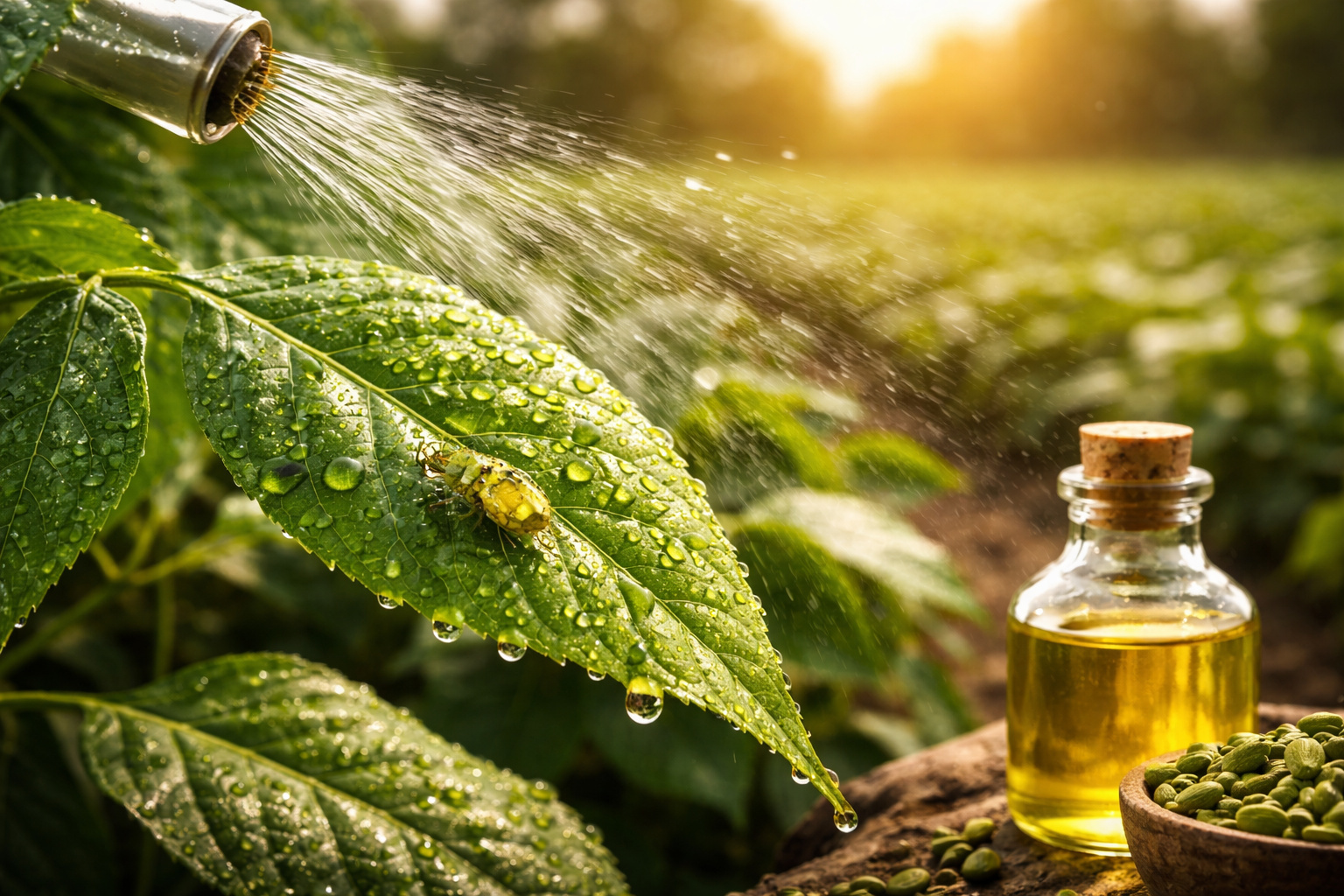
An Indian tree that grows in the Brazilian Northeast produces an oil capable of acting against more than 200 species of pests and interrupting the insect cycle, gaining ground as a natural alternative in soybean, cotton, and vegetable crops.
-
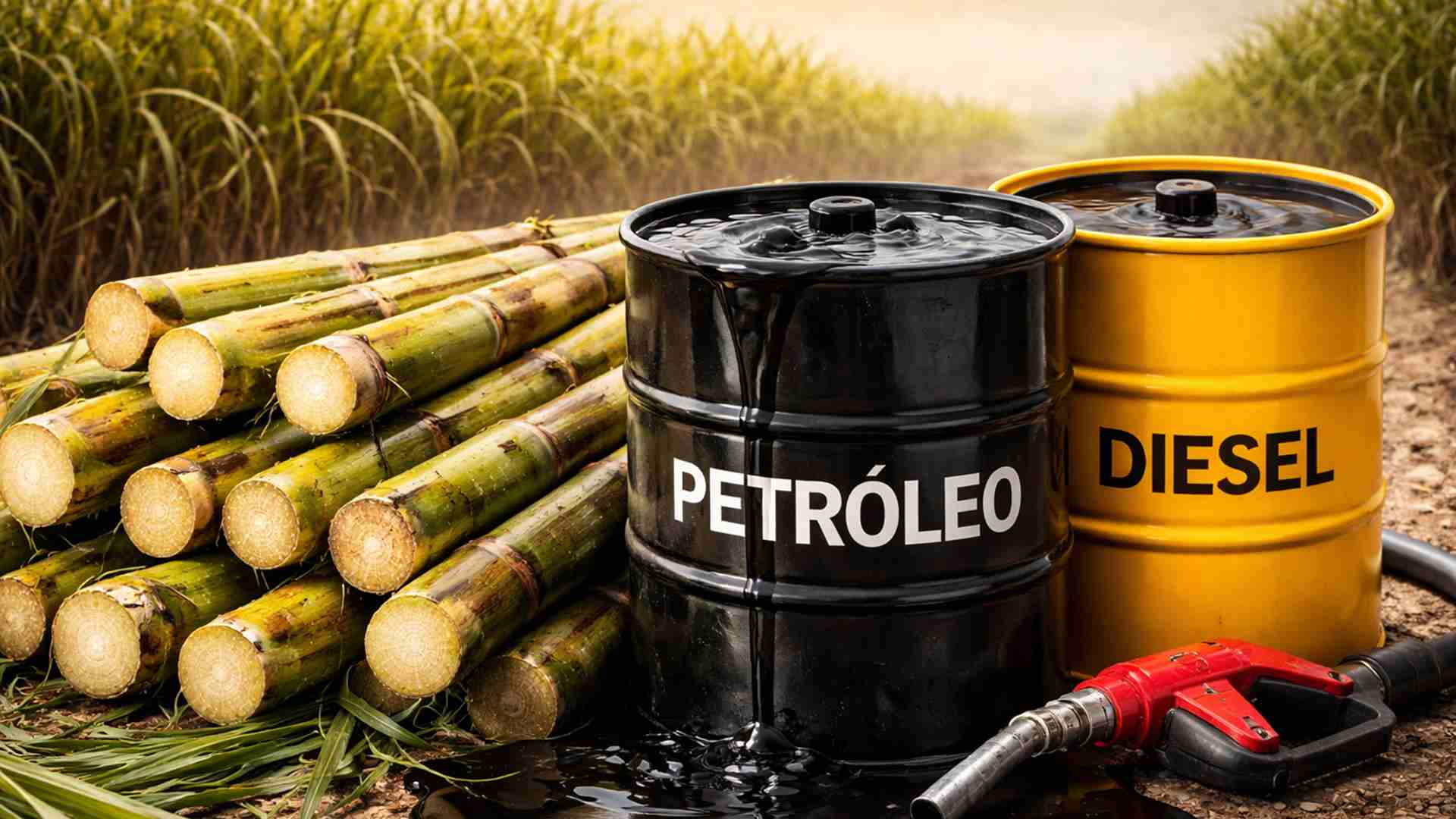
The rise in oil prices in the Middle East is already affecting Brazilian sugar: mills in the Central-South are seeing their margins shrink just as ethanol gains strength.

“The ecologically destructive way we cultivate coffee will result in us not having coffee,” stated Etelle Higonnet, director of Coffee Watch.
She summarizes the problem clearly: “Deforestation for coffee cultivation is killing the rains, which are killing the coffee.” According to Higonnet, the practice of cutting down forests to make way for plantations creates a self-destructive cycle that threatens the future of the crop.
Brazilian Production At The Brink Of Collapse
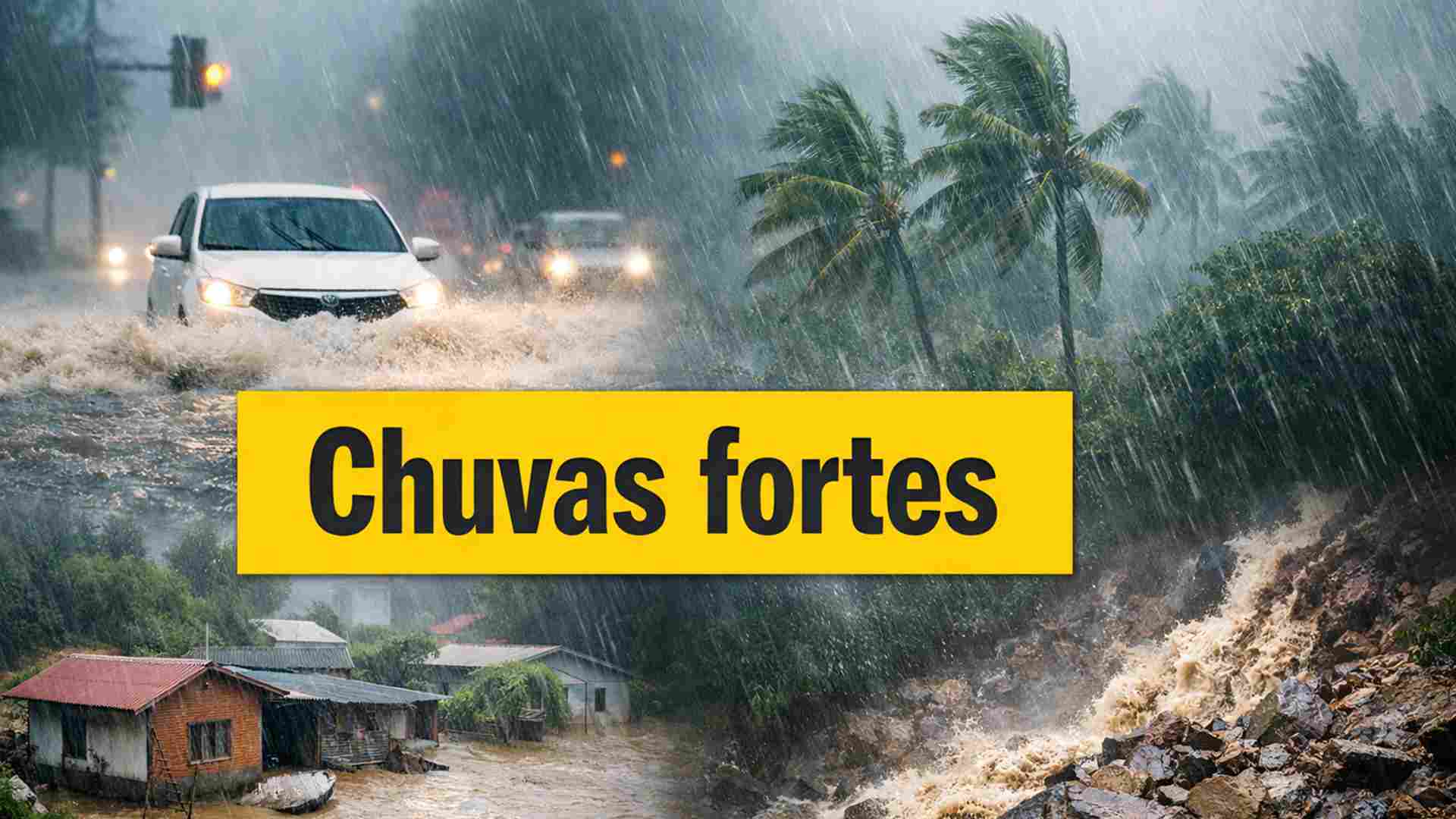
Brazil, responsible for about one-third of the world’s coffee production, now faces a dilemma that goes beyond the economy. The environmental impact of deforestation is altering the rainfall regime and reducing the soil resilience, leaving coffee plantations vulnerable to drought and extreme climate fluctuations.
According to the report, millions of hectares of native forests have been replaced by coffee plantations in recent decades. This has caused the natural humidity of the region to drop, decreasing precipitation and directly affecting productivity.
With less rain, crop failures increased and the quality of the beans plummeted, pushing prices higher in the global market.
The Role Of The Amazon And The Effects Of Climate Change
The data from Coffee Watch reinforces recent findings from Brazilian scientists published in the journal Nature Communications. The study pointed out that deforestation in the Amazon has reduced rainfall by up to 75% in some agricultural regions of the country.
This scenario directly affects the Southeast microclimate, where most of the arabica coffee production is concentrated. Without the humidity carried by the forest, the winds lose strength and the natural cycle of rains breaks down.
In other words, the destruction of the Amazon forests does not only affect biodiversity — it also threatens the coffee that reaches the tables of millions of Brazilians and consumers around the world.
Global Threat: Consumption Grows, But Production Falls
The report also highlights an ecological irony: the global coffee consumption has never been higher. It is estimated that more than 2 billion cups are consumed every day. However, the current rate of deforestation and environmental degradation may make the product increasingly scarce — and expensive.
Producing countries, such as Brazil, are pressured by international demand and at the same time face the consequences of global warming.
If the cycle continues, Brazilian production is at risk of collapsing — even with more areas being opened for cultivation.
The Urgency Of A New Sustainable Cultivation Model
Experts assert that the solution lies in a sustainable production model. To achieve this, it is necessary to preserve the environment without giving up agricultural productivity. Thus, practices such as reforesting degraded areas, using natural shade with native trees, and applying rational use of water become essential.
Coffee Watch warns that without immediate action, the impact will be irreversible. “If we continue at this pace, we could lose a significant part of Brazilian production in the coming decades,” the report warns.
Meanwhile, producers and consumers are beginning to understand that the coffee, so present in their daily lives, is becoming a victim of the environmental collapse that the cultivation model itself helped to create.








Seja o primeiro a reagir!