





 Portuguese
  English
  Spanish
 4 min of reading
  0 comments


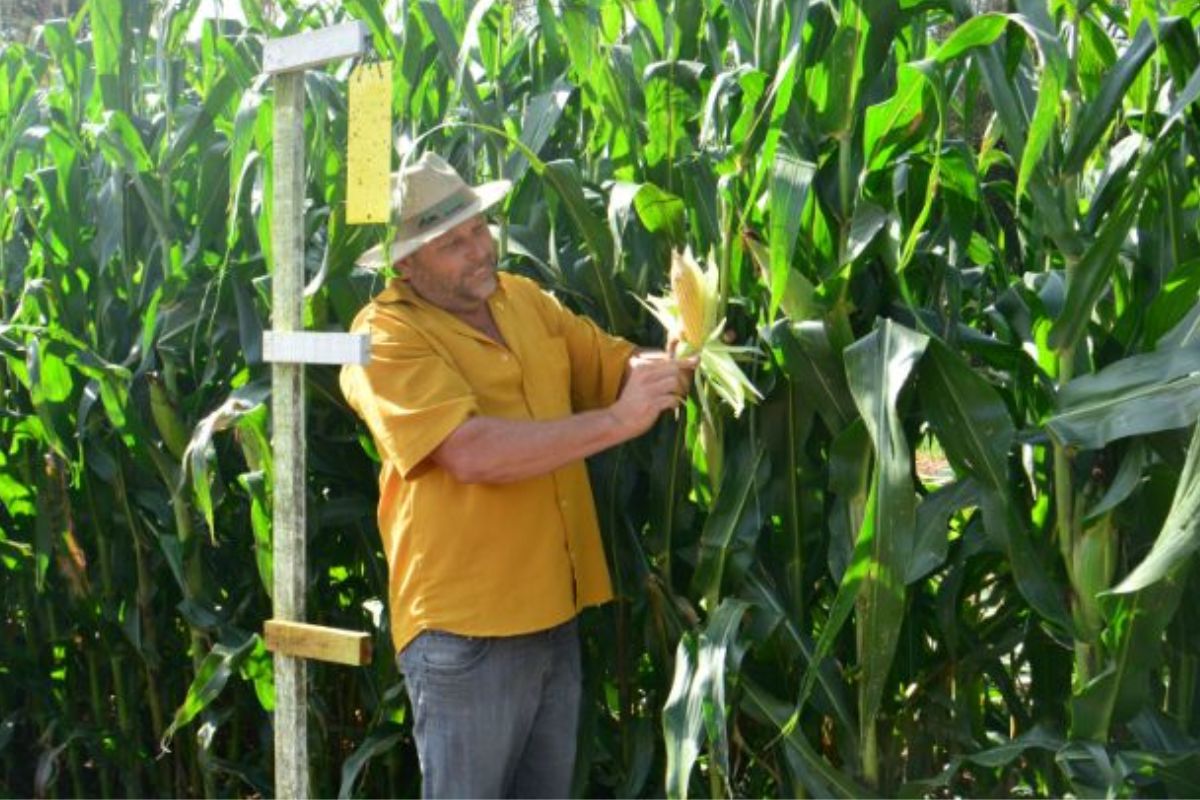
Technical Monitoring Shows That Corn Production in Santa Catarina Remains Under Controlled Infestations, Supported by Actions of the Monitora Milho SC Program and Integrated Management Strategies
The corn production in Santa Catarina is back in the spotlight after a survey conducted between November 3 and 10 indicated that the state average of corn planthoppers remains at eight insects per trap, according to a report published
The data, considered low by the Monitora Milho SC program team, shows that the management applied by farmers has contributed to keeping the problem under surveillance during the 2025/26 harvest.
The information compiled by Epagri/Cepaf reinforces the importance of weekly monitoring of the pest dynamics, especially because the majority of the crops are between the V8 and R5 stages, phases in which the risks of infection decrease naturally.
-
The rise in oil prices in the Middle East is already affecting Brazilian sugar: mills in the Central-South are seeing their margins shrink just as ethanol gains strength.

-
Rain gains strength in April, potentially exceeding 150 mm, placing the North, Northeast, and the coasts of the South and Southeast at the center of the heaviest forecast of the week.

-
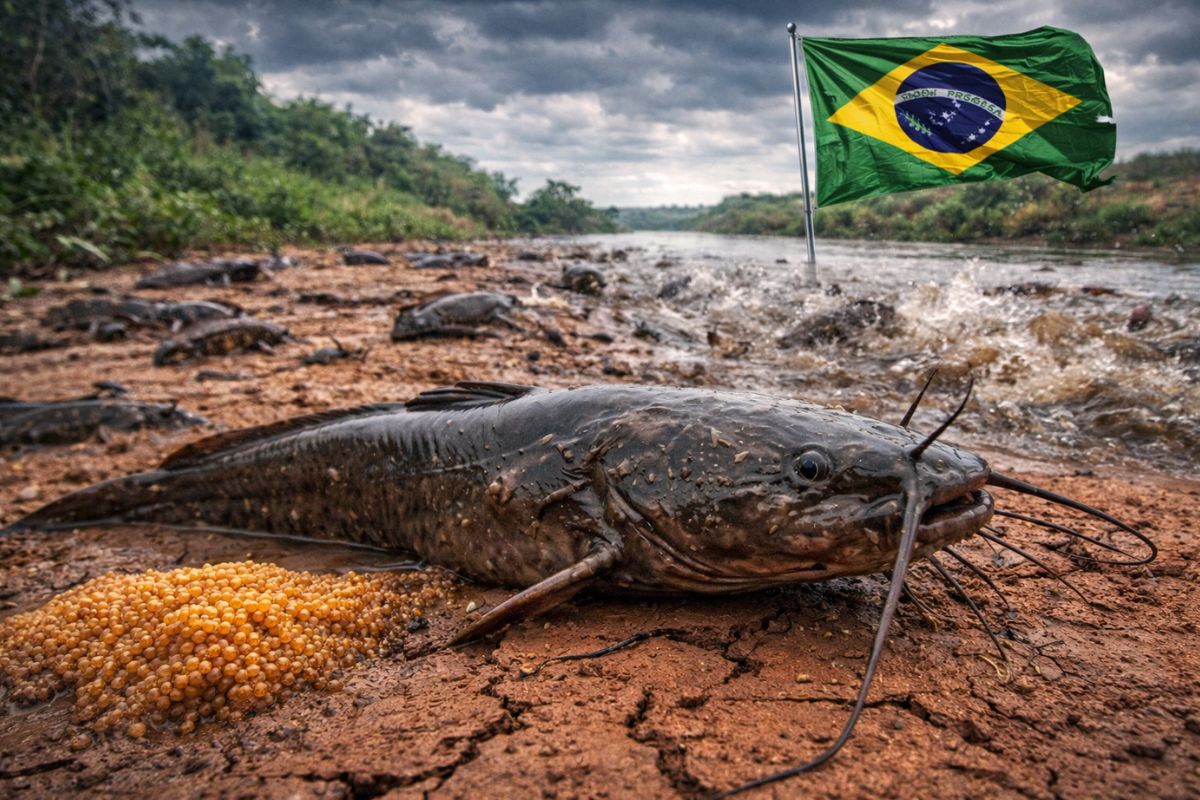
A fish that survives out of water, crawls on land until it finds another river, and whose female lays 80,000 eggs at once is infesting rivers and lakes in Brazil, and no one can stop this invasion.
-
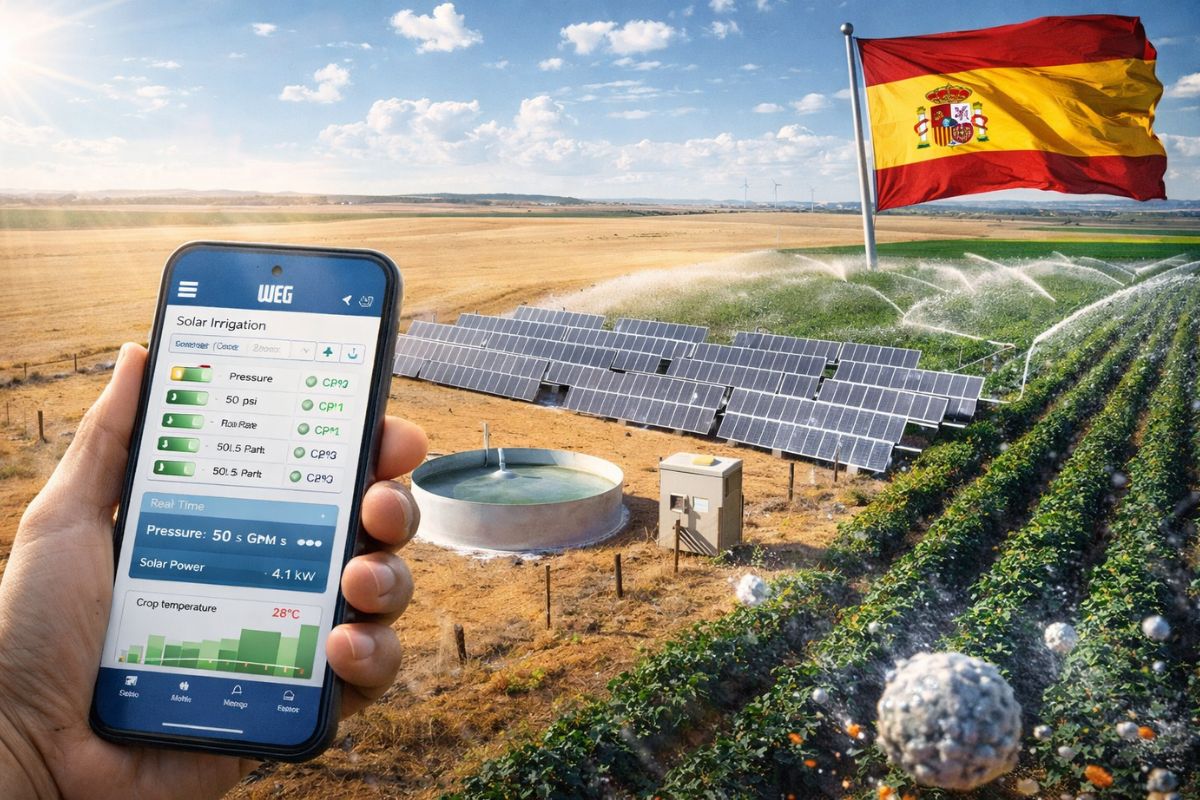
WEG took its technology to Spain to create a solar irrigation system that operates independently without needing an electrical grid, and now farmers control everything remotely via their mobile phones.

This scenario also reflects the maturity of the plants, reducing the time available for pathogens to spread and cause damage.
For experts, the joint action of producers has been decisive in ensuring stability in the field.
Monitoring of Corn Planthopper in SC
The PCR test conducted at the Epagri laboratory in Chapecó confirmed the presence of the spiraling bacteria associated with pale mosaic disease in samples from Guatambu and Campo Erê, as well as the detection of viruses in insects collected in Planalto Alegre and Mafra.
Despite the identifications, technicians emphasize that more advanced plantings present lower risk, as they have surpassed the critical phase of susceptibility to pathogen transmission.
The program highlights, however, that some specific regions, such as the Extreme West and the Northern Plateau, have seen population increases in recent weeks, driven precisely by the advanced stage of the crops.
This trend reinforces the need for continuous monitoring, especially in areas where the reproductive cycle is nearing its end.
Researcher Maria Cristina Canale from Epagri/Cepaf explains that regular updates are crucial to guide management actions at the right time and ensure that corn production in Santa Catarina maintains its stability throughout the harvest.
Integrated Management Against Mosaic Diseases
In crops that remain in the vegetative phase, the recommendation is to adopt integrated management, combining contact and systemic insecticides.
The guidance also includes the use of biological products, a strategy that helps control migrating insects and directly interferes with the reproduction of the pest.
This type of management has gained acceptance among producers as it allows for more precise interventions tailored to the conditions of each region.
The program team emphasizes that the balance between these practices helps protect the corn production in Santa Catarina, especially in the early stages, a period when the risks of contamination by mosaic disease pathogens are higher.
With decisions based on the information provided weekly, the producer can act confidently and reduce the spread of insects before they reach concerning levels.
Population Control of the Pest in the Field
The Monitora Milho SC program gathers data collected from 55 crops distributed across Santa Catarina, providing a comprehensive overview of the pest evolution in the State.
Created in early 2021 by the Action Committee Against Corn Planthopper and Associated Pathogens, composed of institutions such as Epagri, Udesc, Cidasc, Ocesc, Fetaesc, Faesc, CropLife Brasil, and the State Secretariat of Agriculture and Livestock, the program has been consolidating as a national and international reference.
The methodology adopted has become a model for similar initiatives in other states and even abroad, demonstrating a direct impact on the organization of control strategies.
According to researcher Maria Cristina, the continuous sharing of information is essential for the productive sector to coexist with the presence of the pest, since outbreaks have been occurring in different regions of Brazil in recent decades.
Thus, the regionalized participation of farmers becomes essential to strengthen management and preserve corn production in Santa Catarina, creating safer conditions for the entire productive cycle.
The continuous updates provided by the program reinforce that corn production in Santa Catarina relies on the joint engagement between institutions and farmers to maintain the population control of the pest at safe levels during the 2025/26 harvest.







-

Uma pessoa reagiu a isso.