





 Portuguese
  English
  Spanish
  2 min of reading


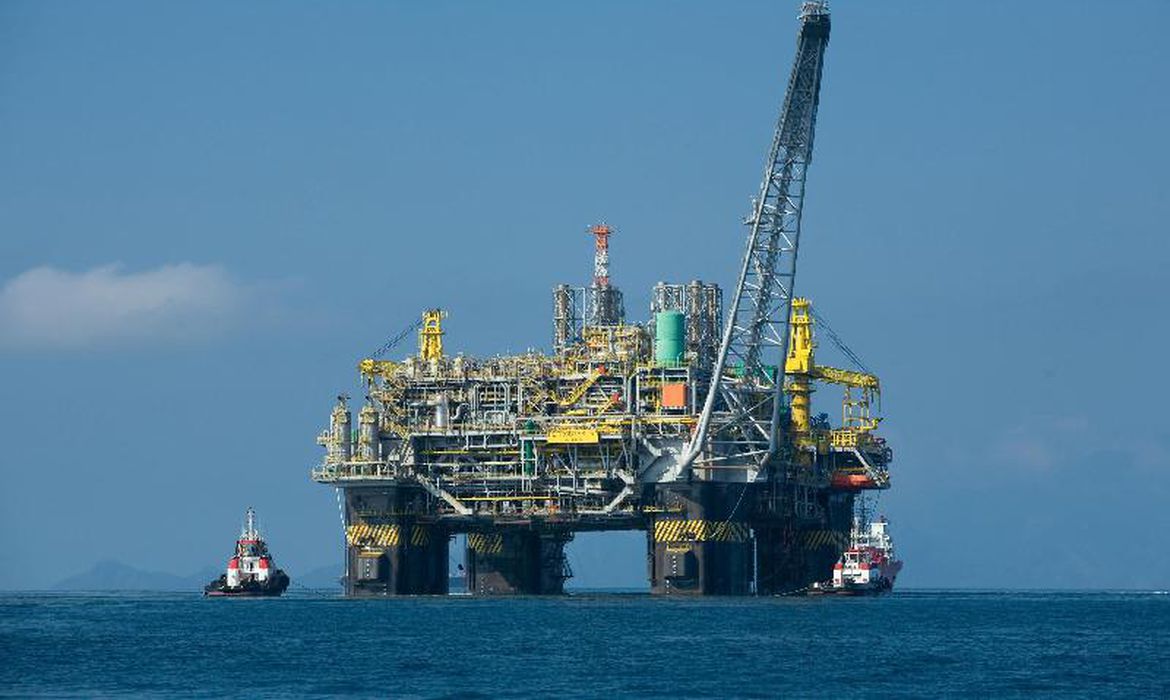
According to Data from ANP, Brazil Increased Its Oil and Natural Gas Production by 5.22%, Reaching an Impressive 52.71% Compared to 2010
The National Agency of Petroleum, Natural Gas and Biofuels – ANP, announced that Brazilian oil and natural gas production reached a record in 2020. The country produced 2.94 million barrels of oil per day and 127.4 million cubic meters of natural gas per day. The data showed that compared to 2010, there was an increase of 52.71%.
Check Out Other News:
- Open Applications for the National Mining Agency; Salary of Up to 8 Thousand Reais
- Eike Batista Tries to Rebuy Porto do Açu with Help from Chinese Company China Development Integration (CDIL)
- Shipbuilding: Bidding for Petrobras’ P-78 and P-79 Platforms is Contested Only by Asian Shipyards
- National Leader in Energy Generation Eneva Wins Bid and Acquires 7 Onshore Blocks from Petrobras in Amazonas
- Ethanol Plant Opens Recruitment for Many Positions Requiring Elementary, High School, Technical, and University Education
Oil and Natural Gas:
The average total natural gas production was 127,399.71 Mm³/d, an increase of 102.8% compared to the 62,834.17 Mm³/d produced in 2010. This was due to a 127.8% increase in associated gas during this period.
The country achieved a historic mark of 3.740 million barrels of the input per day, a 5.22% increase compared to the previous year. The volume produced last year increased by 50% compared to 2010 (2.449 billion barrels per day). Over the past ten years, with the exception of 2012 and 2018, production has continuously increased.
-
Lula reveals a masterstroke by Petrobras to undo a deal made by Bolsonaro, which involves the return of an important refinery that currently produces less than half of what was expected and makes Brazil dependent on international diesel.
-
A study confirms that the natural gas sector will reduce greenhouse gas emissions in Brazil by 0.5% and accelerate the energy transition by 2026.

-
Petrobras implements a severe adjustment and confirms a 55% increase in the price of aviation kerosene with a proposal for installment payments for the companies.

-
The rise in oil prices could ensure an extra revenue of R$ 100 billion for the Federal Government, indicates a recent economic study.


The Brazilian Pre-Salt:
It is clear that the increase in oil and gas extraction in the last decade is due to the evolution of the pre-salt formations in recent years. In 2010, oil wells in this area accounted for only 1.53% of national production. Ten years later, the pre-salt now accounts for 68.61%. On the other hand, from 2010 to 2020, land production decreased from 11.60% to 5.95%, while pre-salt ocean production dropped from 86.87% of the country to 25.44%.
Petrobras Participation:
Petrobras’ share as a concessionaire was 92.67% in 2010 and fell to 74.01% by 2020, while other companies (whether operators or consortia with state-owned enterprises) are becoming more representative.
In the absence of Petrobras, in 2020, the volume of exploration in land oil fields reached 11,564.23 bbl/d of oil. Compared to 2010, the annual ratio increased by 71.34% and 291.27% relative to 2010. The greatest environmental impact, mainly, was the non-associated gas, which increased by 250.56%.








Seja o primeiro a reagir!