





 Portuguese
  English
  Spanish
  6 min of reading
  0 comments


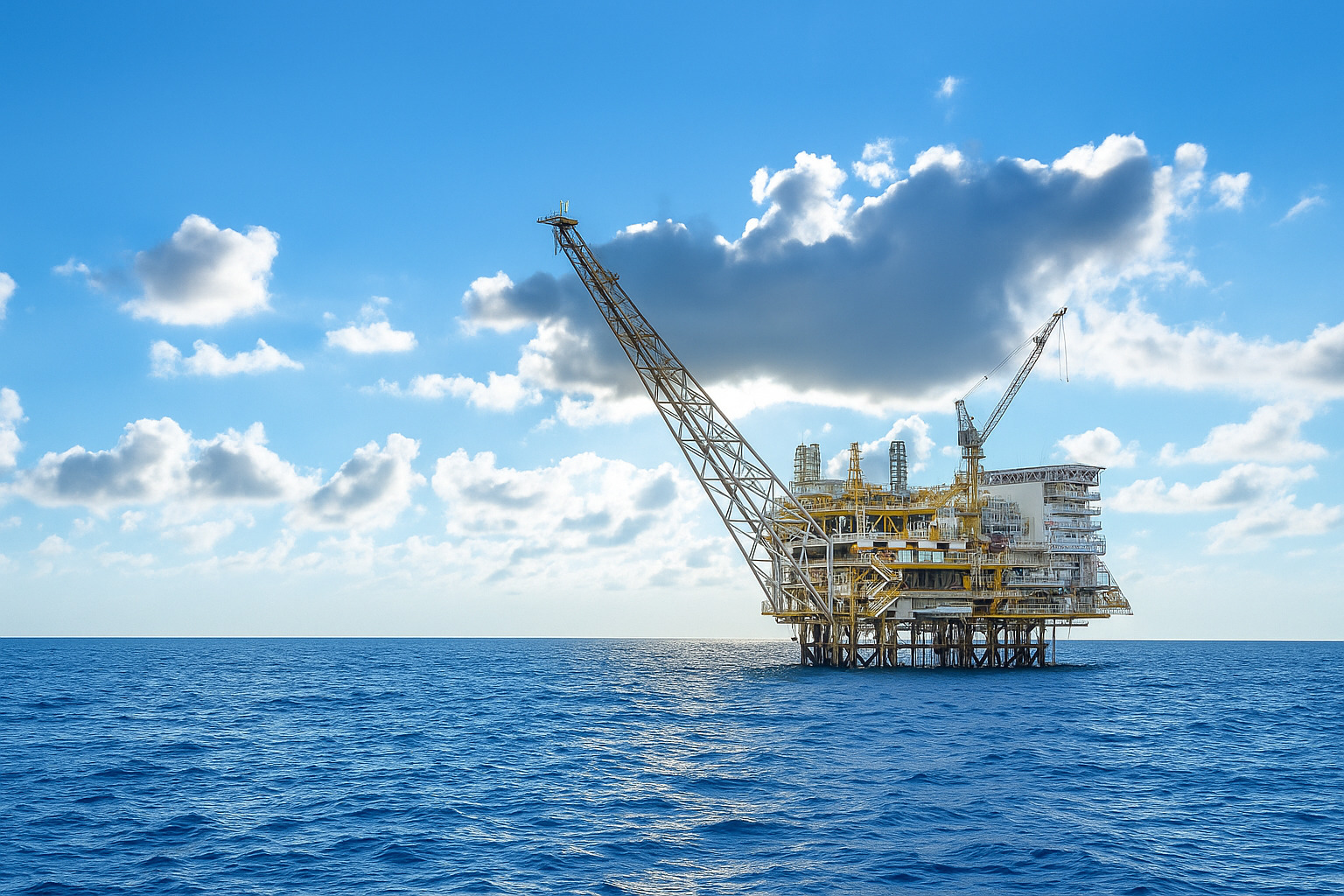
Discover How Oil And Gas Production In Brazil Increased By 5.28% In July, Reflecting Technological Advances And The Strategic Role Of Pre-Salt.
The production of oil and gas in Brazil registered a significant increase in July and, consequently, consolidated the country as one of the largest producers in Latin America.
Moreover, according to preliminary data from the National Agency of Petroleum, Natural Gas and Biofuels (ANP), the country reached 5.156 million barrels of oil equivalent per day (boed), which represents an increase of 5.28% compared to the previous month.
This growth reflects technological advances and continuous investments in exploration and extraction infrastructure, which have been ensuring consistent results over the years.
-
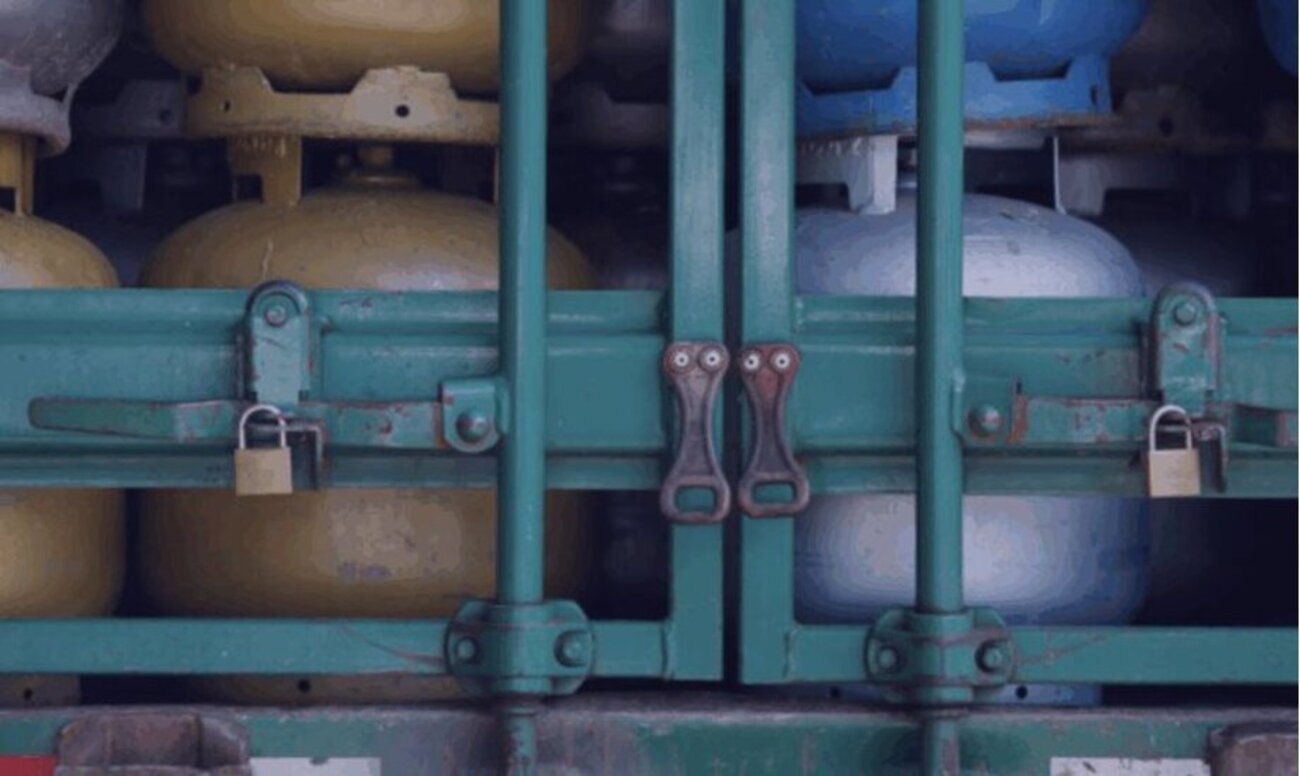
Petrobras evaluates suspension of sales to distributors and considers canceling the cooking gas auction following guidelines from the Federal Government.
-
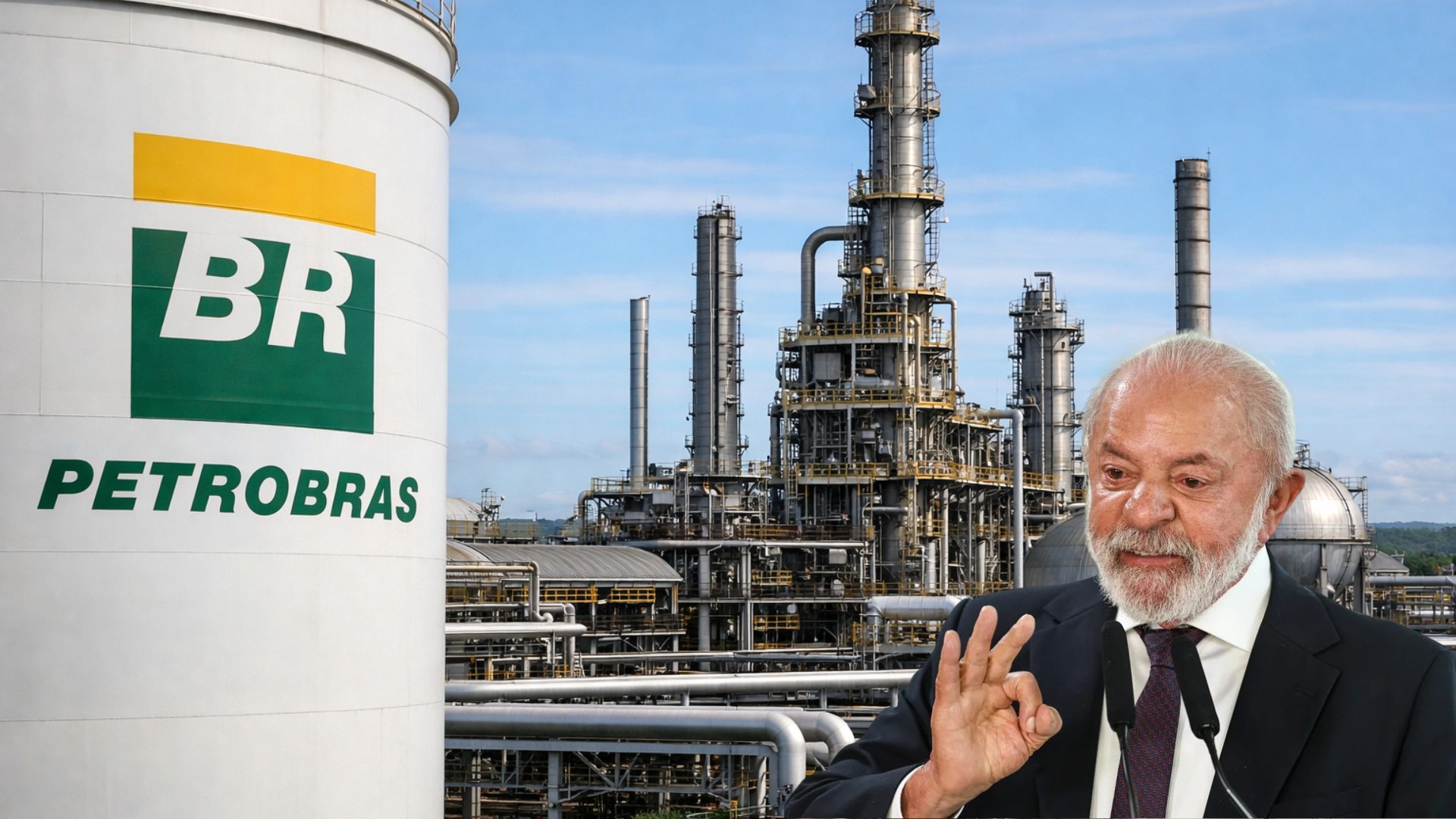
Lula reveals a masterstroke by Petrobras to undo a deal made by Bolsonaro, which involves the return of an important refinery that currently produces less than half of what was expected and makes Brazil dependent on international diesel.
-
A study confirms that the natural gas sector will reduce greenhouse gas emissions in Brazil by 0.5% and accelerate the energy transition by 2026.

-
Petrobras implements a severe adjustment and confirms a 55% increase in the price of aviation kerosene with a proposal for installment payments for the companies.


Historically, Brazil has been expanding its production capacity since the 1970s, when Petrobras assumed a central role in the development of the national oil industry.
At that time, the country faced structural challenges, with limited reserves known only on land and in small coastal areas.
However, the discovery of the pre-salt layer in the early 2000s completely changed the Brazilian energy landscape, placing the country among the largest offshore oil producers in the world and increasing its strategic relevance in the global market.
Additionally, land areas and marginal basins also contribute to national production, albeit in smaller proportions.
Therefore, the geographical diversification of production allows the country to maintain stability in the face of operational or climatic challenges.
Consequently, this balanced exploration strategy strengthens the resilience of the sector and ensures energy security for Brazil.
Growth Of Oil And Gas Production In July
In July, oil production reached 3.956 million barrels per day (bpd), registering an increase of 5.34% compared to June.
Thus, this growth indicates the consolidation of mature fields and the positive performance of new wells, especially in the offshore pre-salt regions, primarily located in the Santos Basin and Campos Basin.
Furthermore, the pre-salt accounted for 79.06% of the country’s total production, amounting to 4.076 million boed, an increase of 5.61% compared to the previous month.
Only the oil extracted from the pre-salt totaled 3.147 million bpd, reinforcing its strategic importance.
On the other hand, natural gas production also advanced, with an increase of 5.08%, reaching 190.7 thousand cubic meters per day (m³/d).
When considering only the natural gas from the pre-salt, production reached 147.6 thousand m³/d, an increase of 5.63%.
Thus, natural gas plays a fundamental role in the Brazilian energy matrix, being used both in electricity generation and in the industry and residential sectors.
In this way, the increase in production reflects greater integration of oil and gas operations, making the most of the pre-salt resources.
Moreover, the growth of natural gas production is driving the development of new distribution technologies, such as regional gas pipelines and GNV truck transportation solutions.
This allows natural gas to reach areas that historically depended on less efficient fossil fuels, contributing to the reduction of emissions and increased energy efficiency.
Historical Context And Regulation Of The Sector
Brazil has developed energy policies that encourage the exploration and production of hydrocarbons.
In the 1990s, regulatory reforms opened the sector to private and foreign investments, increasing the efficiency and competitiveness of the industry.
Thus, the creation of the ANP in 1997 represented an important milestone, as it brought clearer regulation and rigorous oversight of oil and natural gas exploration.
In this way, the country succeeded in consolidating itself as a reliable producer in the international market, with long-term contracts and legal stability for investors.
Additionally, the pre-salt, discovered in the early 21st century, gave a new boost to oil and gas production in the country.
The pre-salt reserves are located in ultra-deep waters, requiring advanced technology and significant investments for safe and efficient exploration.
Since then, Brazil has developed its own technological expertise, reducing dependency on foreign companies for drilling and production.
Consequently, this technological capacity reduces costs and increases the country’s competitiveness in the global oil market.
Moreover, strategic partnerships with international companies accelerate knowledge transfer and promote innovation.
Therefore, this strengthens the entire sector, allowing Brazil to keep pace with global standards of efficiency, sustainability, and safety in hydrocarbon production.
Economic And Strategic Impacts
The increase in oil and natural gas production brings direct economic impacts.
First and foremost, it generates jobs, strengthens the production chain, and increases tax and royalty revenues.
In addition, the country is able to export part of the excess oil, balancing the trade balance.
On the other hand, the exploration of the pre-salt and the growth of natural gas production allow Brazil to diversify its energy matrix, ensuring greater energy security and reducing dependency on external sources.
Furthermore, oil and gas production in Brazil stimulates regional development, attracting local suppliers and services and creating opportunities for small and medium-sized enterprises.
In this way, the sector contributes to the economic growth of various regions of the country.
It is important to emphasize that production does not occur in isolation.
It depends on investments in infrastructure, transportation, and logistics.
For instance, pipelines, marine terminals, and refineries ensure that oil and gas reach internal and external markets.
Moreover, environmental policies and operational safety are becoming increasingly relevant, as the industry needs to balance production and sustainability.
Technological Advances And Production Efficiency
The growth recorded in July showcases Brazil’s ability to manage mature fields, maintaining or increasing production in older wells.
Thus, techniques for secondary and tertiary recovery, such as water and gas injection, allow optimization of extraction, prolonging the lifespan of fields and ensuring greater efficiency in oil and gas production.
These methods represent the continuous technological advancement that characterizes the Brazilian oil industry.
Over the past decades, oil and gas production in Brazil has established itself as one of the pillars of the national economy.
Furthermore, the discovery of the pre-salt and the development of deep-water exploration technology have positioned the country strategically in the global energy landscape.
Consequently, the diversification of production between oil and natural gas contributes to energy stability and to the sustainable growth of the sector.
Moreover, research and development of new drilling and extraction methods reduce environmental impacts, improve operational safety, and ensure that resources are utilized efficiently over decades.
Perspectives For The Future Of Oil And Gas Production
The 5.28% increase in total production in July reflects the historical trajectory of expansion and innovation.
Thus, it demonstrates that Brazil can continue growing even in the face of global challenges and fluctuations in international oil prices.
Furthermore, the national industry shows that it is possible to reconcile investment, technology, and efficient management to achieve consistent and lasting results.
In summary, the production of oil and gas in Brazil goes beyond numbers.
It represents the result of decades of strategic planning, technological advances, and regulatory policies that have allowed the country to exploit its natural resources efficiently.
With total production exceeding 5 million boed and the pre-salt consolidating as the main source, Brazil maintains a steady growth in energy production, ensuring economic, technological, and strategic benefits for the future.
Finally, the continuity of this growth depends on continuous investments, technological innovation, and responsible management of natural resources.
Therefore, by keeping its focus on efficiency, sustainability, and energy diversification, Brazil ensures that oil and gas production continues to be a driver of economic and energy development for the country and the region.










-

Uma pessoa reagiu a isso.