





 Portuguese
  English
  Spanish
  3 min of reading
  0 comments


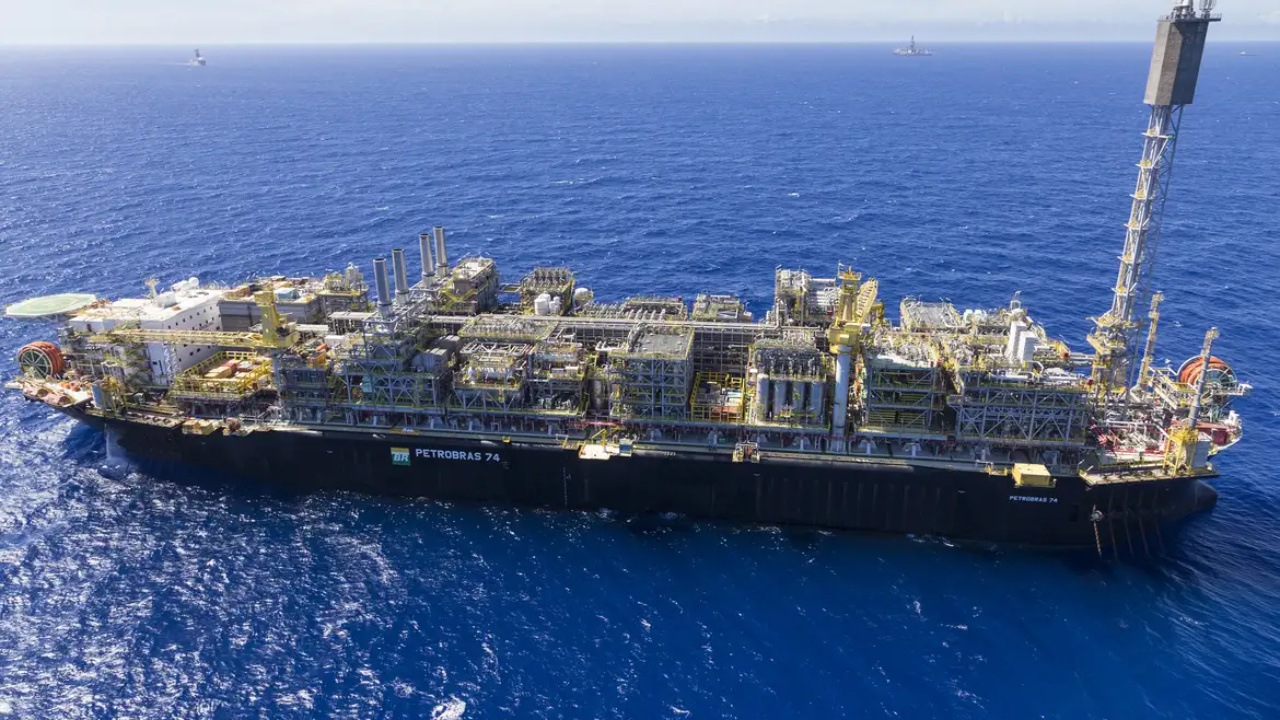
Oil And Gas Production In Brazil Fell 1.5% In August 2025, According To ANP, But The Búzios Field Surpassed Tupi And Became The Largest Producer In The Country, Consolidating The Pre-Salt’s Protagonism.
Brazil Recorded A Drop In Production Of Oil And Gas In August 2025. According To The National Agency Of Petroleum, Natural Gas And Biofuels (ANP), The Volume Reached 5.084 Million Barrels Of Oil Equivalent Per Day (boe/d), Representing A Decrease Of 1.5% Compared To The Record Of July, When 5.160 Million Boe/d Were Produced.
Despite The Month-On-Month Decline, The Numbers Show Improvement Compared To 2024. Oil Production, For Example, Totaled 3.896 Million Barrels Per Day, An Increase Of 16.6% From August Of Last Year.
Búzios Surpasses Tupi And Becomes The Largest Producer In The Country
A Historic Milestone Occurred In The Pre-Salt Region In August. The Búzios Field, Located In The Santos Basin, Produced 821,88 Thousand Barrels Of Oil Per Day, Surpassing The Tupi Field For The First Time, Which Had Led Since The Beginning Of Exploration In The Region.
-
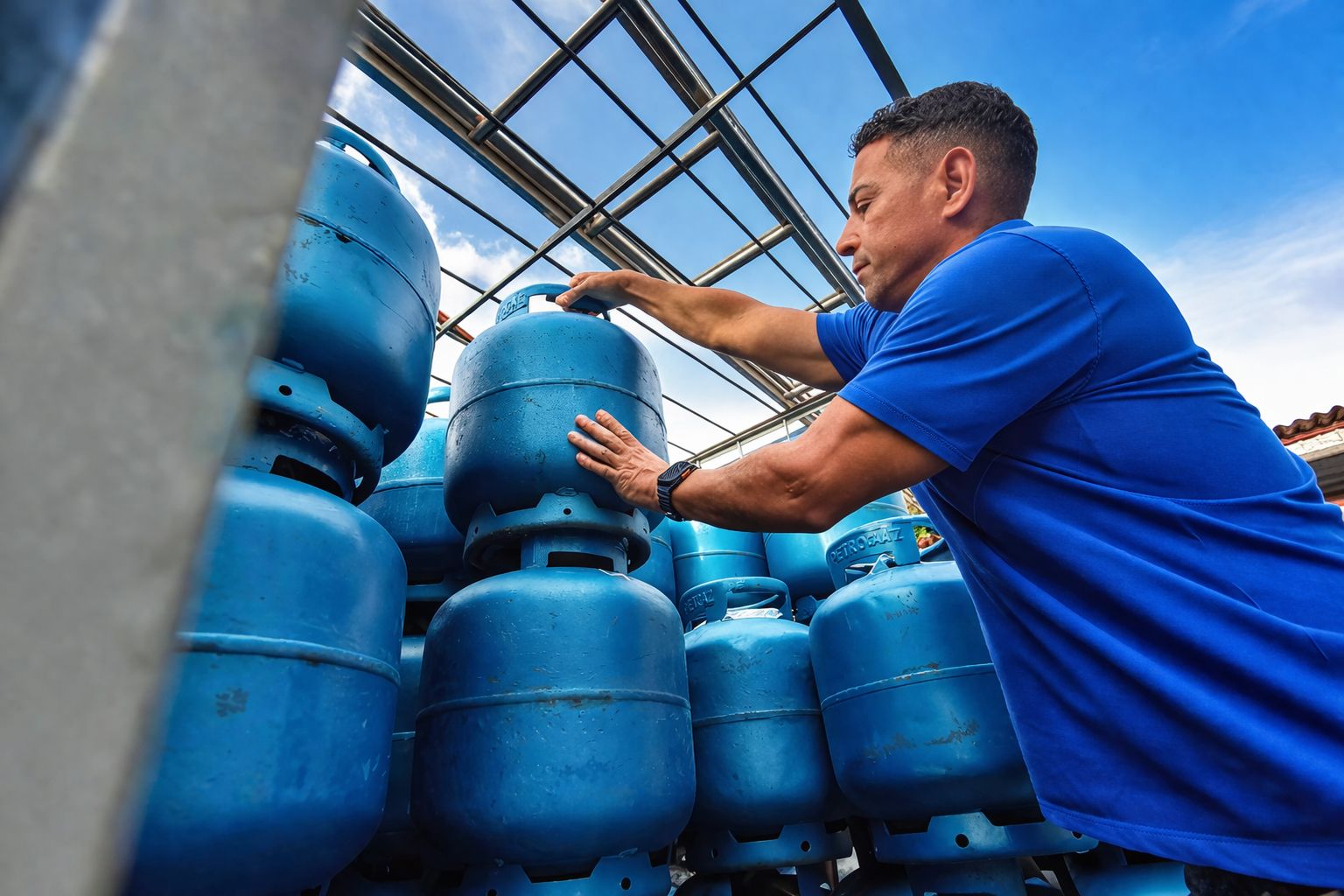
Petrobras confirms that it will reimburse amounts to distributors and return the price difference from the gas auction following a regulatory decision.
-
Petrobras buys back fields for billions — what no one is talking about regarding this decision and how it could impact jobs and oil in Brazil.

-
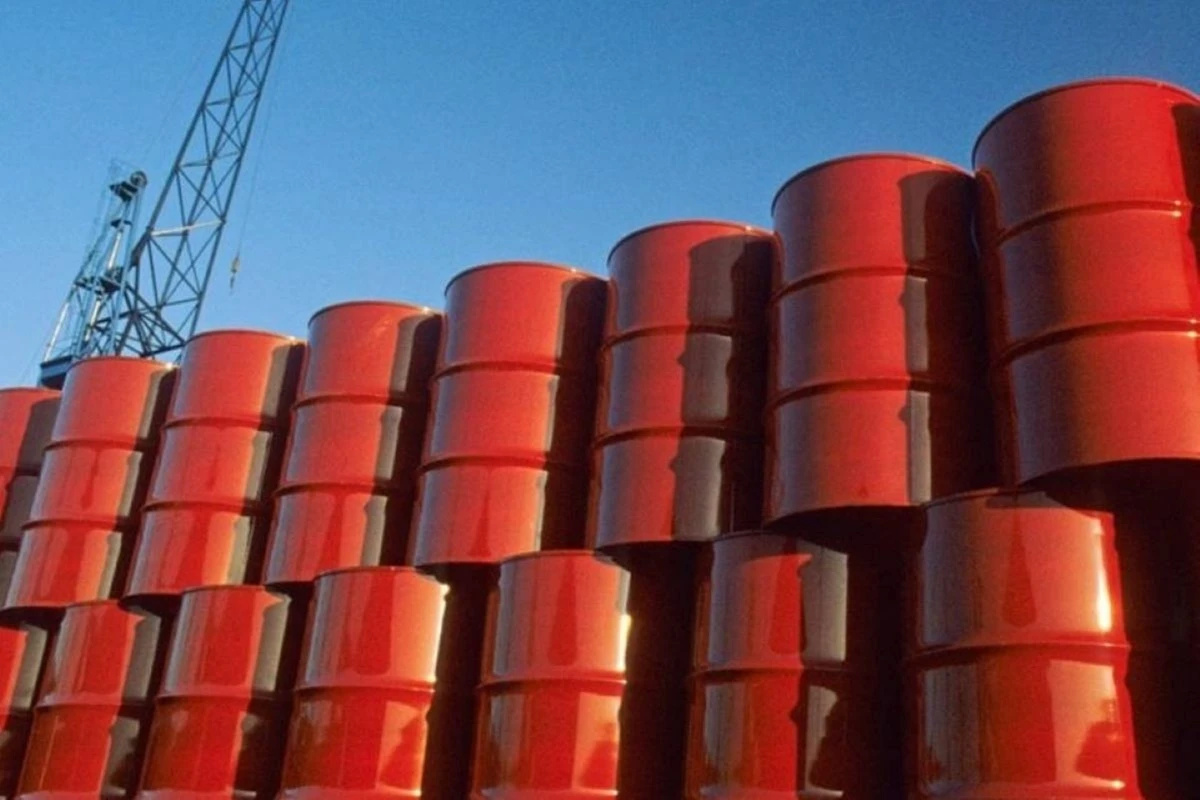
New escalation of tensions and oil crisis in the Middle East forces world powers to accelerate energy transition plans.
-
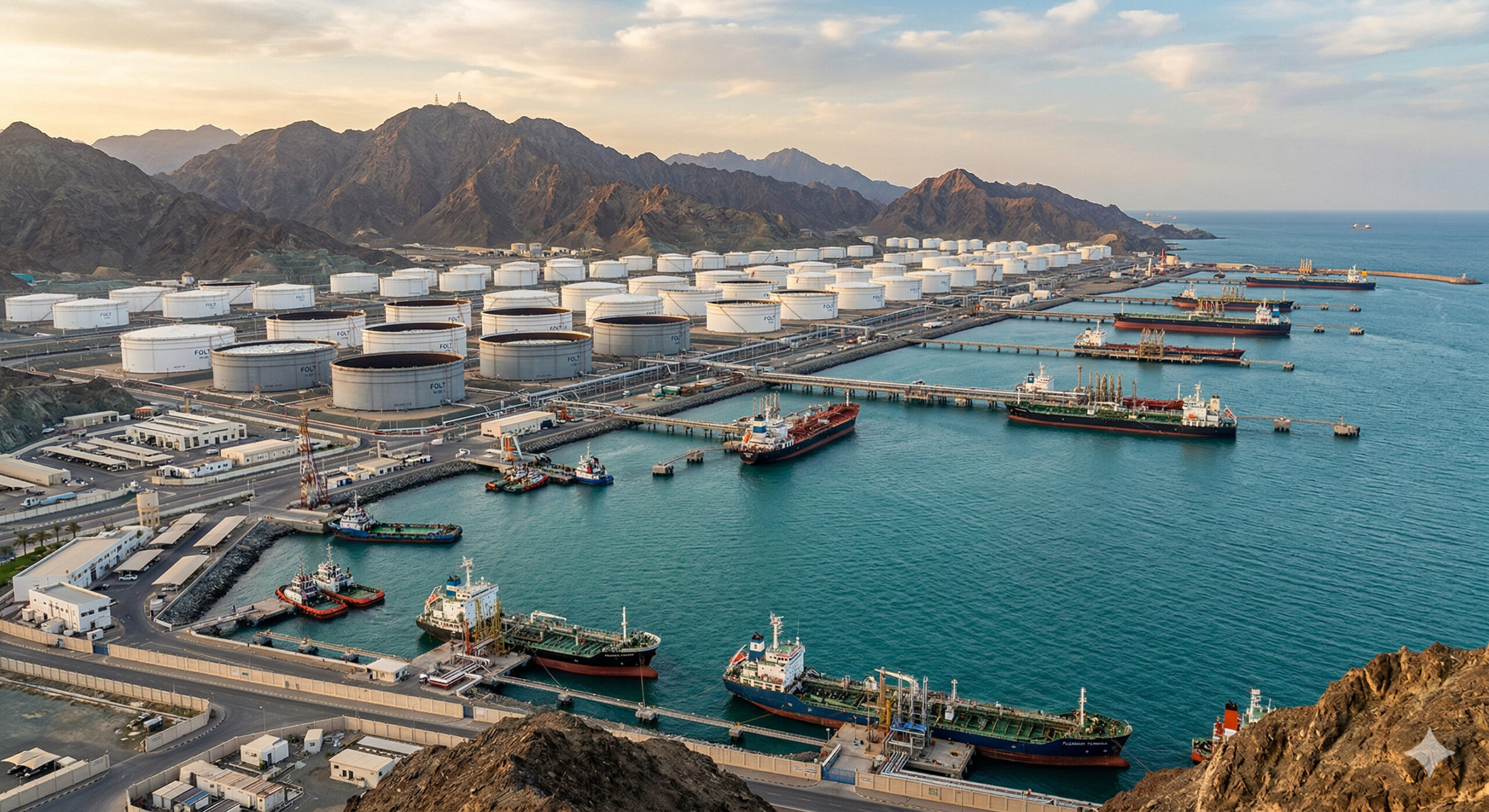
Giant reservoirs with a capacity of 18 million cubic meters have turned Fujairah into one of the largest energy vaults on the planet. This facility, located outside the Strait of Hormuz, stores oil on a colossal scale and has become a silent piece that supports the global flow of fuels.
This Change Reinforces The Strategic Role Of Búzios In Brazil’s Energy Matrix And Consolidates The Pre-Salt’s Potential To Keep The Country Among The Major Global Producers.
Natural Gas Production Maintains Annual Growth
In The Case Of Natural Gas, Production Reached 188.9 Million Cubic Meters Per Day. There Was A 1% Decrease Compared To July, But A Significant Growth Of 18.2% Compared To The Same Month In 2024.
The Tupi Field Remains The Leader In This Segment, With 39.15 Million M³/d, Showing That, Despite Losing The Lead In Oil, It Is Still Essential For Gas Production.
Pre-Salt Confirms Protagonism In The Sector
Pre-Salt Production Continues To Be The Main Force Of The National Energy Sector. In August, The Region Accounted For 79.4% Of The Total, With 4.033 Million Boe/d.
Despite The Technological Challenges Inherent To Deep Water Exploration, The Pre-Salt Has Consolidated Itself As The Basis For Oil And Gas Production In Brazil.
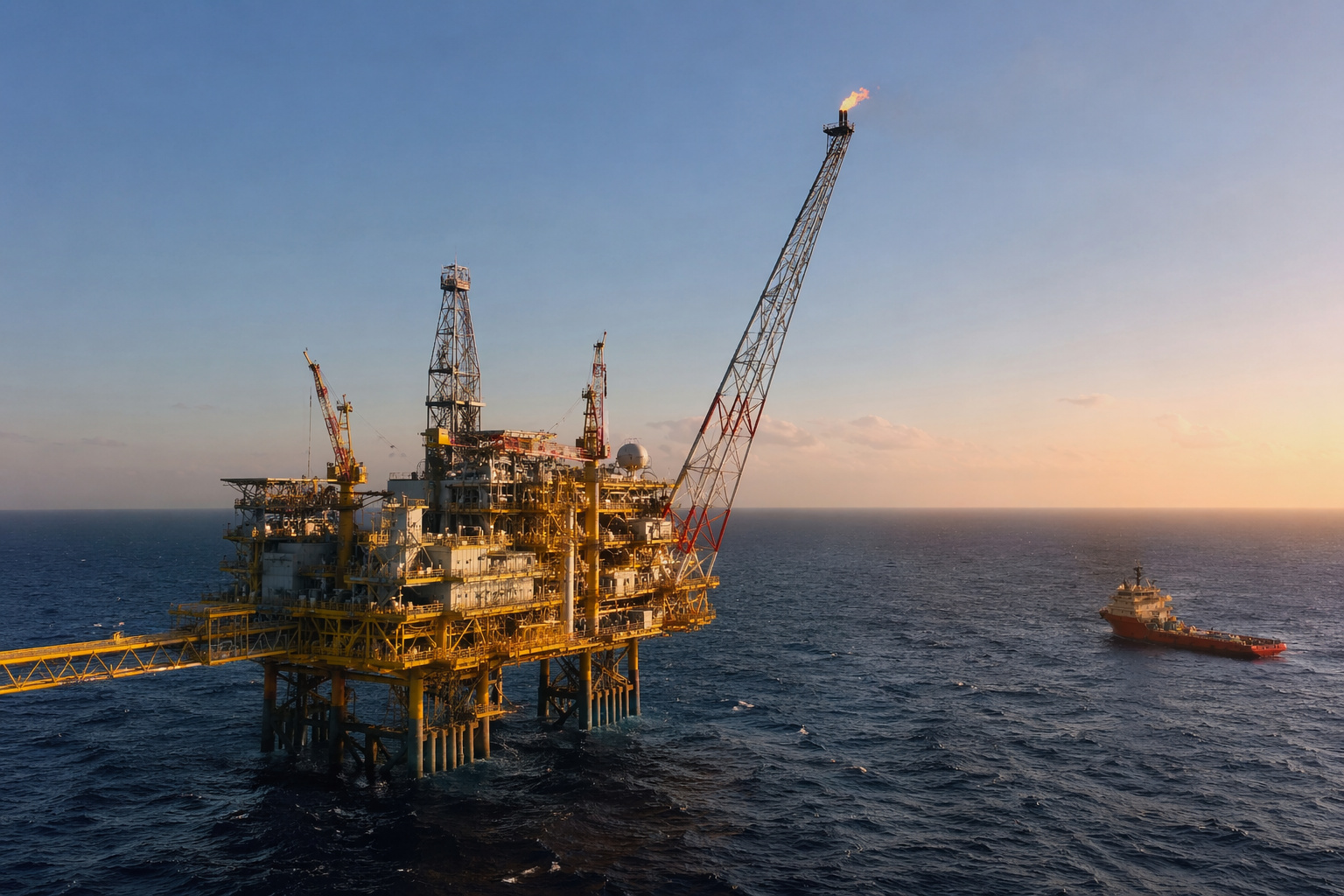
Another Point Highlighted By ANP Was The Utilization Of Natural Gas, Which Reached A Rate Of 97.4% In August. This Means That Only 4.88 Million M³/d Were Flared, A Number 10.9% Lower Than In July. Flaring, Generally Associated With Technical Or Safety Factors, Has Been Gradually Decreasing, Representing Advances In Efficiency And Sustainability.
Petrobras Continues To Dominate The Scene, Either Independently Or In Consortia. In August, The State-Owned Company Was Responsible For 90% Of The Country’s Total Production. The Sector Operated With 6,634 Active Wells, 567 Offshore And 6,067 Onshore.
Among The Production Units, Noteworthy Is The FPSO Almirante Tamandaré, In Búzios, Which Led Oil Production With 195,795 Barrels Per Day. For Natural Gas, The Protagonism Went To The FPSO Guanabara, Located In The Mero Field, Responsible For 11.89 Million M³/d.







Seja o primeiro a reagir!