





 Portuguese
  English
  Spanish
  4 min of reading
  0 comments



Oil Production Under the Production Sharing Regime in Brazil Reached, in October, a Historic Record Above 1.5 Million Barrels Per Day, Driven by Búzios and Mero, According to Data from PPSA.
Oil production under the production sharing contracts reached, for the first time, the mark of 1.5 million barrels per day in Brazil. The data was released by Pré-Sal Petróleo S.A. (PPSA) and refers to the performance recorded in the month of October. The result marks a significant advance in the consolidation of this exploration model, which has been increasing its share in the total volume produced in the country.
According to information from the PPSA Monthly Production Bulletin, the volume produced in October was 8% higher than that recorded in September. This growth reinforces the trend of gradual expansion of production in the pre-salt fields contracted under the production sharing regime.
Platform Return Boosts Oil Production
Part of the advance observed in October is associated with the operational return of the P-75 platform, located in the Búzios field. The unit had undergone a scheduled shutdown and resumed production throughout the month, directly contributing to the increase in the total volume of oil extracted under this regime.
-
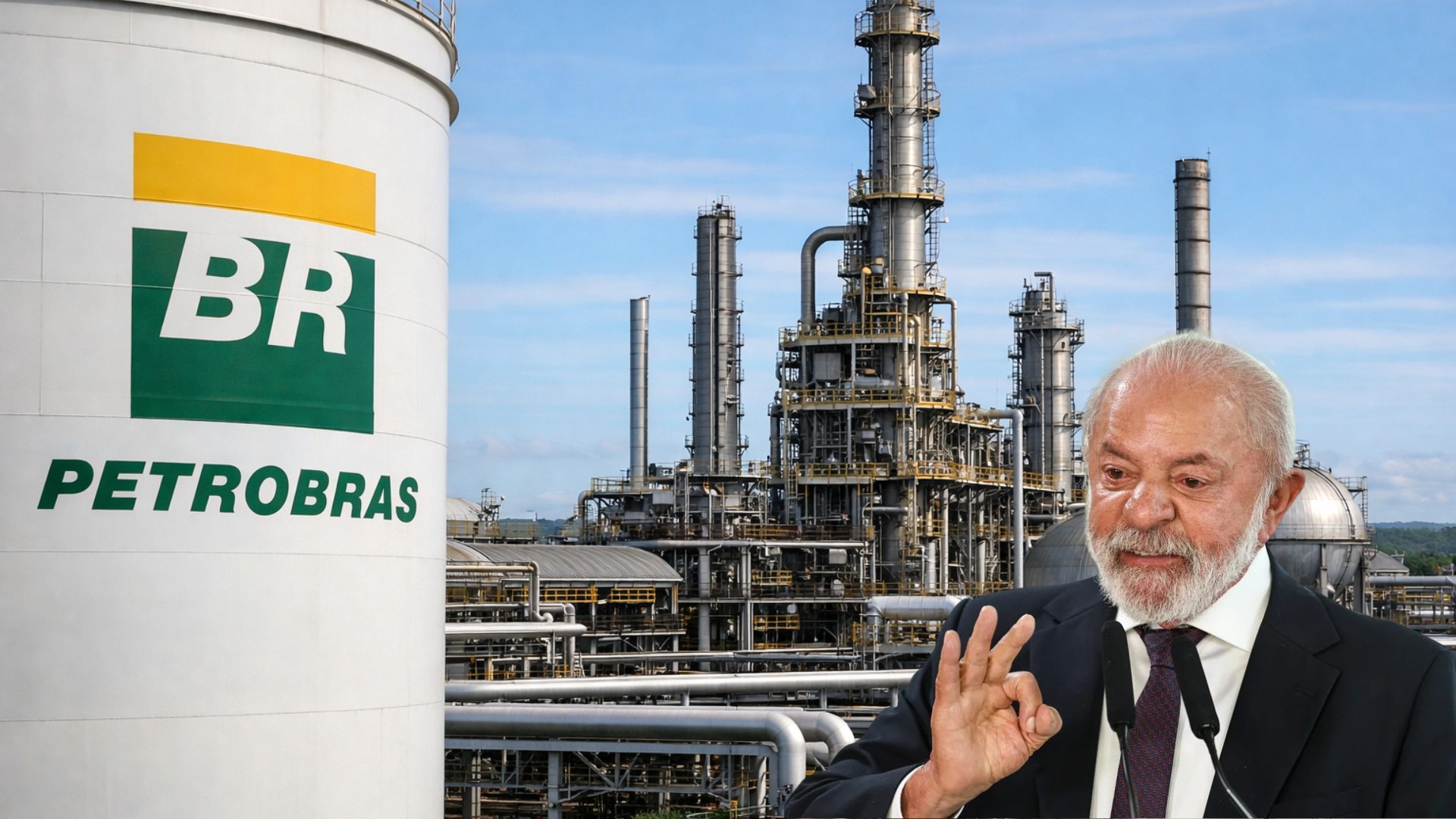
Lula reveals a masterstroke by Petrobras to undo a deal made by Bolsonaro, which involves the return of an important refinery that currently produces less than half of what was expected and makes Brazil dependent on international diesel.
-
A study confirms that the natural gas sector will reduce greenhouse gas emissions in Brazil by 0.5% and accelerate the energy transition by 2026.

-
Petrobras implements a severe adjustment and confirms a 55% increase in the price of aviation kerosene with a proposal for installment payments for the companies.

-
The rise in oil prices could ensure an extra revenue of R$ 100 billion for the Federal Government, indicates a recent economic study.

As a result, Búzios established itself as the largest producing field under the sharing regime during the period, achieving an average of 653.67 thousand barrels of oil per day. Right behind is the Mero field, with a production of 629.53 thousand barrels daily.
Both fields are located in the Santos Basin and together accounted for 83% of all production recorded under the production sharing regime in October. This high level of concentration highlights the strategic importance of these areas for the performance of the model.
Outlook Indicates Continuous Growth of the Sharing Regime
In addition to the current record, PPSA projects a significant escalation of oil production under the production sharing regime in the coming years. The expectation is that new systems will come into operation and fields already in production will expand their capacity.
According to the state-owned company’s projections, starting in 2028, production under the sharing contracts is expected to reach around 2 million barrels per day. This growth is likely to reinforce the role of the pre-salt as one of the main drivers of Brazilian oil production, as well as increase public revenue associated with the model.
Union’s Share of Oil Also Registers Historic High
Another highlight of October was the performance of the oil share allocated to the Union. Production under this category reached a new record, with an average of 181 thousand barrels per day. The volume considers the nine active production sharing contracts, as well as the Individual Production Agreements (AIPs) for the non-contracted areas of Atapu, Mero, Tupi, and Jubarte.
In the monthly comparison, the volume produced by the Union was 4% higher than that recorded in September. This increase was primarily driven by the Mero field, which accounted for more than 71% of the Union’s production during the period, with an average of 116.83 thousand barrels daily.
Natural Gas Exports Follow Operational Resumption
In addition to oil, PPSA’s data also show an increase in natural gas exports in October. The volume exported reached 6.64 million cubic meters per day, representing a growth of 3% compared to the previous month.
As in the case of oil, the increase was influenced by the return of the P-75 platform to operations. The resumption allowed greater flow of natural gas associated with the production from the pre-salt fields.
However, when looking only at the natural gas export share belonging to the Union, the result was lower than in September. In October, the average was 533 thousand cubic meters per day, considering five production sharing contracts and the AIPs for Tupi and Jubarte. In the previous month, this volume had been 551 thousand cubic meters daily.
Sharing Regime Increases Relevance in the Oil Sector
The October figures reinforce the growing relevance of the production sharing regime in the Brazilian oil sector. The model, which guarantees the Union a share of the production, has been establishing itself as an important source of oil and gas, in addition to generating fiscal and strategic impacts in the long term.
With the projected expansion for the coming years and the entry of new platforms, the trend is that production under sharing will continue to gain ground, while increasing the State’s direct participation in the results of oil exploration in the pre-salt.









Seja o primeiro a reagir!