





 English
  Francês
  Alemão
  Italiano
  Japonês
  Norueguês
  Portuguese
  Spanish
  5 min of reading


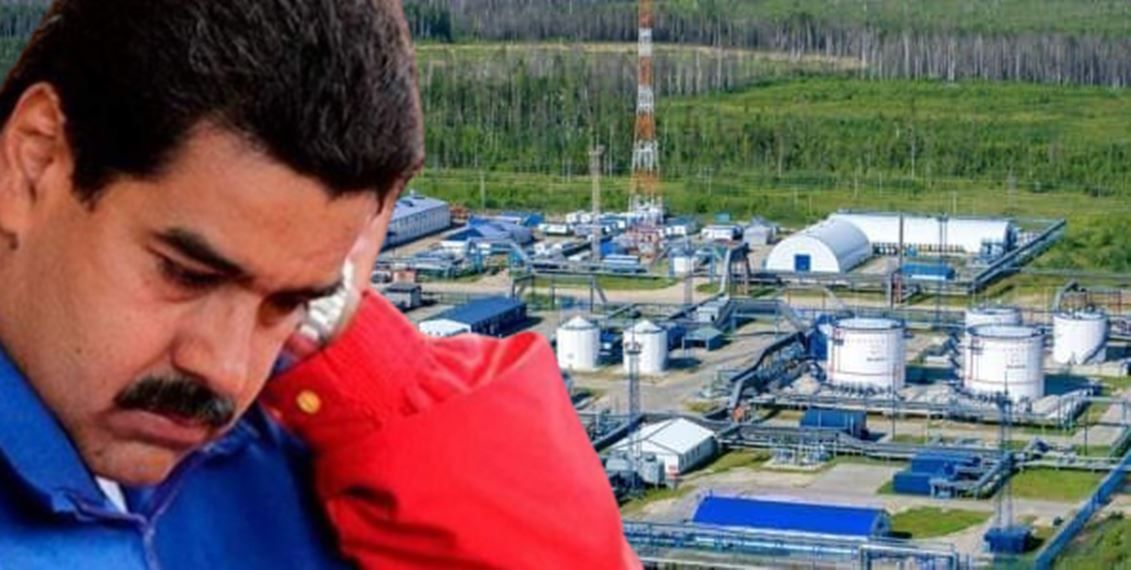
Venezuela Once Accounted for 1/10 of Global Oil Production and Was One of the Most Prosperous Countries in Latin America
Venezuela, once considered one of the prosperous countries in Latin America, has plunged into the abyss. Years of mismanagement, clientelism, and corruption have triggered a monumental economic collapse that has seen the oil-rich country become one of the poorest in South America. Signs are emerging that Venezuela is on the brink of becoming a failed state. Oil plays a dominant role in Venezuela, accounting for almost all export revenues and a significant proportion of gross domestic product.
For a long time, Venezuela was responsible for producing a tenth of the world’s oil. Just over two decades ago, Venezuela’s Bolivarian Revolution began when Hugo Chávez won the presidential elections in 1998 and was formally inaugurated in February 1999. He immediately introduced a new constitution focusing on the establishment of a state economy, agrarian reform, wealth redistribution, and using the country’s vast oil wealth to fund extensive social programs. When Chávez came to power, Venezuela, which has the world’s largest oil reserves totaling 298 billion barrels, was one of the most prosperous countries in Latin America.
Data from the World Bank shows that in 1999, Venezuela had a real GDP of US $ 98 billion, ranking fourth in Latin America, behind Brazil, Mexico, and Argentina. Venezuela was also one of the wealthiest countries in the region, with a GDP per capita of US $ 4,127, placing it sixth. The GDP per capita of the oil-rich country in 1999 was significantly higher than many current regional economic powerhouses, being 19% greater than Brazil’s and almost double that of conflict-ridden neighboring Colombia.
-
Brazilian giant expands borders in the Southeast: Petrobras confirms new oil discovery in ultra-deep waters in the pre-salt of the Campos Basin.

-
Alert in the global energy market: Severe tropical cyclone hits the coast and disrupts gas production at major plants in Australia, threatening global supply.

-
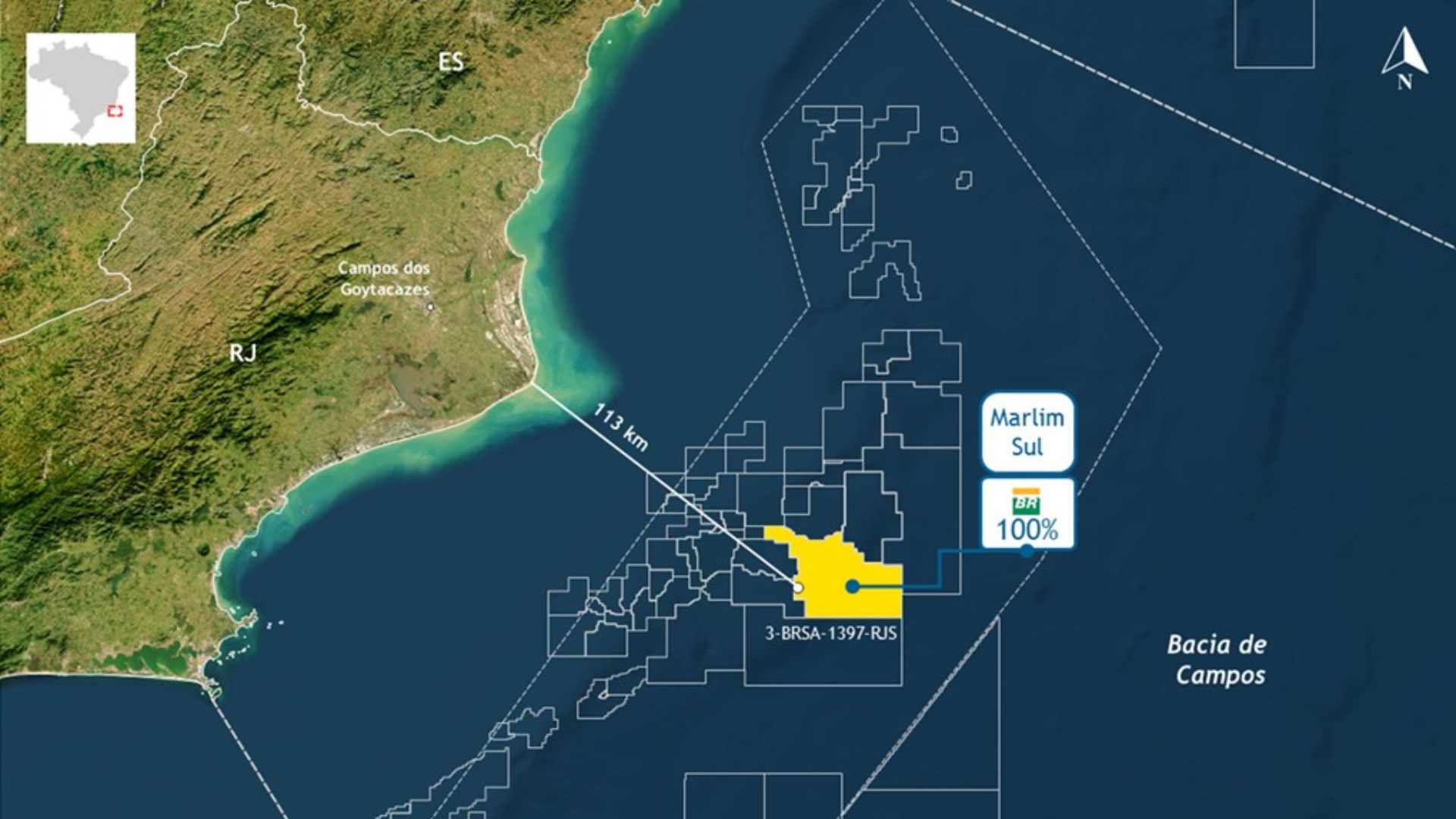
Petrobras finds high-quality oil in the pre-salt at 113 km from RJ and reignites expectations about strategic reserves in the Campos Basin.

-
Ocyan opens registrations for startups focused on innovation in the oil and gas sector and will select projects for Innovation Day with the support of Nexio.


Since then, Venezuela’s economy has collapsed, with estimates that the 2019 GDP was only US $ 70 billion, or 29% lower than two decades earlier, while Colombia’s GDP nearly quadrupled over that period to US $ 324 billion. The outlook for the deeply impoverished country is bleak. The International Monetary Fund (IMF) forecasts that Venezuela’s GDP will fall by 15% during 2020 and shrink another 5% in 2021. The main reasons for this rapid disintegration are the collapse of Venezuela’s economically vital oil industry, dramatically lower oil prices, and progressively harsher U.S. sanctions.
Oil accounts for 25% of Venezuela’s GDP and, according to OPEC, accounts for 99% or nearly all exports by value. It was in 2015 that Venezuela’s economically vital oil production began to spiral downwards.
This was initially triggered by the collapse of oil prices, which began in mid-2014, with a rapid expansion of global supply due to increasing U.S. production, decreasing geopolitical risks, and increased oil output from OPEC. In 2016, as oil prices weakened further and Venezuela’s economic crisis snowballed, vital spending on the crucial maintenance of oil infrastructure and operations plummeted.
When combined with a mass exodus of skilled labor due to mismanagement, politically motivated layoffs, and an increasingly dire economic climate, it became clear that Venezuela’s oil industry was in terminal decline. This is being exacerbated by the steady increase in U.S. sanctions aimed at isolating Caracas from global capital markets and preventing access to assets to force regime change. The economic consequences are immense, pushing Venezuela deeper into crisis and causing Caracas to default on its foreign debt in November 2017.
It was in early 2019, when Juan Guaidó declared himself interim president with U.S. support, that the final game for Venezuela’s beleaguered oil industry had arrived. Washington imposed additional sanctions on Caracas, with the most significant targeting specifically Venezuela’s oil industry and PDVSA. The aim is to prevent Maduro’s regime from accessing Venezuelan assets held in foreign jurisdictions as well as international financial markets. These crippling U.S. sanctions are also preventing major offshore oil companies from operating in Venezuela, recently forcing Chevron to cease operations and preventing Caracas from selling its oil abroad. This prevents Maduro’s regime from accessing the urgently needed capital to repair and maintain vital oil infrastructure and undertake the necessary development activities to sustain oil production. Even Russian intervention, including the provision of loans, technical expertise, and other crucial resources, has failed to revitalize operations. This essentially signals the death knell for Venezuela’s economically crucial yet beleaguered oil industry.
In July 2020, Venezuela produced an average of 339,000 barrels of oil daily compared to 755,000 a year earlier and nearly one-seventh of the previous decade:

The outlook remains grim, especially if rig count is used as a parameter in the Venezuelan oil industry. At the end of July 2020, according to Baker Hughes, there were no active oil rigs in Venezuela and only one natural gas rig in operation. This compares to a total of 25 operational rigs at the same time the previous year and 70 rigs a decade earlier.

It is important to note that there are still rigs operating in Venezuela that were not captured by Baker Hughes because its count excludes cable tool rigs, very small truck-mounted rigs, or rigs that cannot operate without a license. For this reason, the national oil company PDVSA regularly contests the accuracy of Baker Hughes data and will continue to pump oil, albeit likely at tiny levels.
Analysts foresee that Venezuela’s oil production could fall to zero by 2021. Industry consultancy IHS Markit estimates that Venezuela is pumping around 100,000 to 200,000 barrels daily, and production will continue to decline. The perfect storm of much weaker oil prices, economic collapse, and U.S. sanctions could facilitate the fall of a major global oil producer and a founding member of OPEC. While a recovery in oil production is possible, it is a long way off due to the immense capital, skilled labor, and infrastructure it requires.
The impact on Venezuela’s already bankrupt economy will be immense, leading to even greater hunger in a country that is already recovering from a major economic crisis. There are fears that the Venezuelan state could implode, creating even more instability in a region marked by decades of asymmetric conflict among various state and non-state armed actors.






Seja o primeiro a reagir!