






 Portuguese
  Spanish


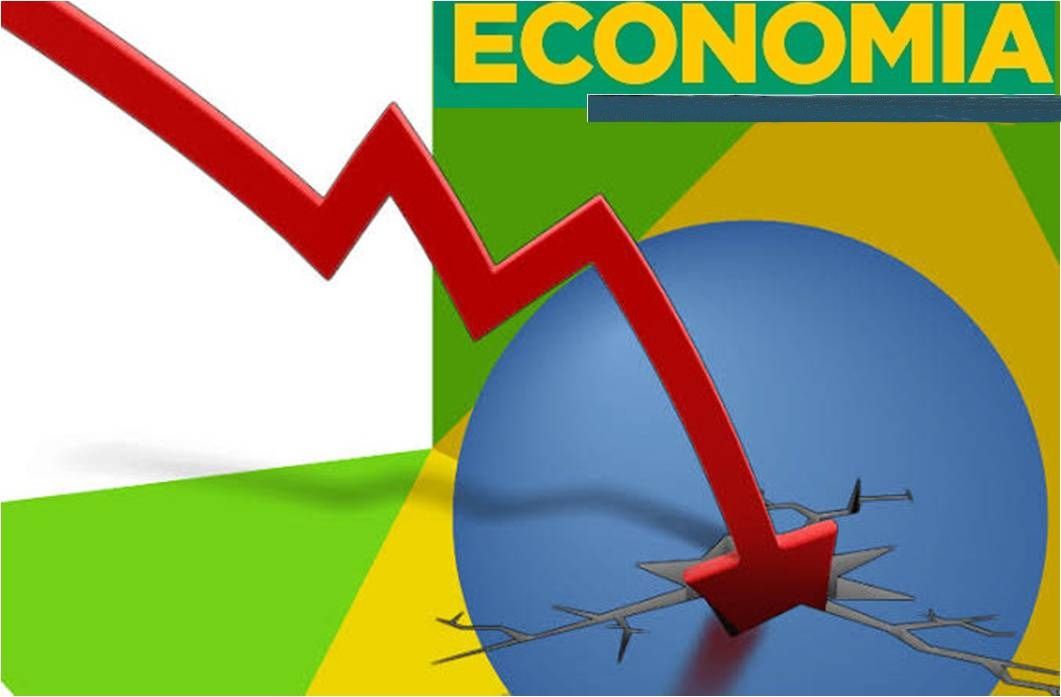

Due to the Impacts of the Covid-19 Pandemic, the Brazilian Economy Plummeted in the Second Quarter of 2020 with a Contraction of 9.7% of the National GDP
Data released on Tuesday (01) by the Brazilian Institute of Geography and Statistics (IBGE) showed that the Brazilian economy returned to the same level as in 2009, when the country was still suffering the effects of the global crisis of 2008. The GDP (Gross Domestic Product) shrank by almost 10% in the second quarter of this year compared to the first.
See Also Other News
- Billion-Dollar Investment from Russian Companies is Expected to Generate 25,000 Jobs with Port Construction in Rio Grande do Sul
- Aneel Releases Hydroelectric Plant for First Phase of Operational Testing in Goiás
- Petrobras Refineries Report Decline in Global Crude Processing Capacity in Recent Days
Experts predicted a contraction of 9.4% of the GDP compared to the first quarter, but the figures were worse than expected, reaching 9.7%, which corresponds to R$ 1.653 trillion. Compared to the second quarter of 2019, the drop was 11.4%. The results were strongly influenced by the crisis caused by the Covid-19 pandemic.
-
Brazil to Introduce B16 Diesel with Increased Soybean Oil Content for Trucks by 2026
-
Brazil’s July Bolsa Família Payments May Include Extra $150 and $50 for Families with Children, Pregnant Women, and Updated CadÚnico Registration

-
Brazilian Woman Buys €1 House in Sicily, Clears 50 Truckloads of Debris, and Transforms Ancient Ruin into Inspiring Life Project by 2026

-
Havan Competitor Expands in Brazil with 170 Stores, Offering Everything from Stationery to Asian Food and Focusing on Affordable Products to Attract Shoppers



The IBGE also demonstrated the poor performance of the economy in the first quarter, where the GDP contracted by 1.5%. In the first half of 2020, the Brazilian economy suffered a decline of 5.9%. Considering the accumulated figures over the past 12 months, the contraction was 2.2%.
Historic Decline of the Sectors Representing the National GDP
Of the three sectors analyzed, industry was the most affected, with a contraction of 12.3%. In second place was the services sector, which experienced a decline of 9.7%. The construction market recorded a contraction of 5.7% in the second quarter of 2020,
While the extractive industry, including the oil and mining sector, had a reduction of 1.1%. Agriculture was the only sector that showed an increase, around 0.4%, mainly influenced by soybean and coffee production.
Minister of Economy Claims that Numbers Do Not Cause Concern
The Minister of Economy, Paulo Guedes, stated that the reported data on the GDP decline does not cause concern to the Federal Government. According to him, “This is the impact of the lightning that struck in April,” referring to the effects of the pandemic on the Brazilian economy.
With these numbers presented, Brazil officially enters a technical recession, defined by two consecutive quarters of GDP contraction.


