





 Portuguese
  English
  Spanish
  3 min of reading
  0 comments


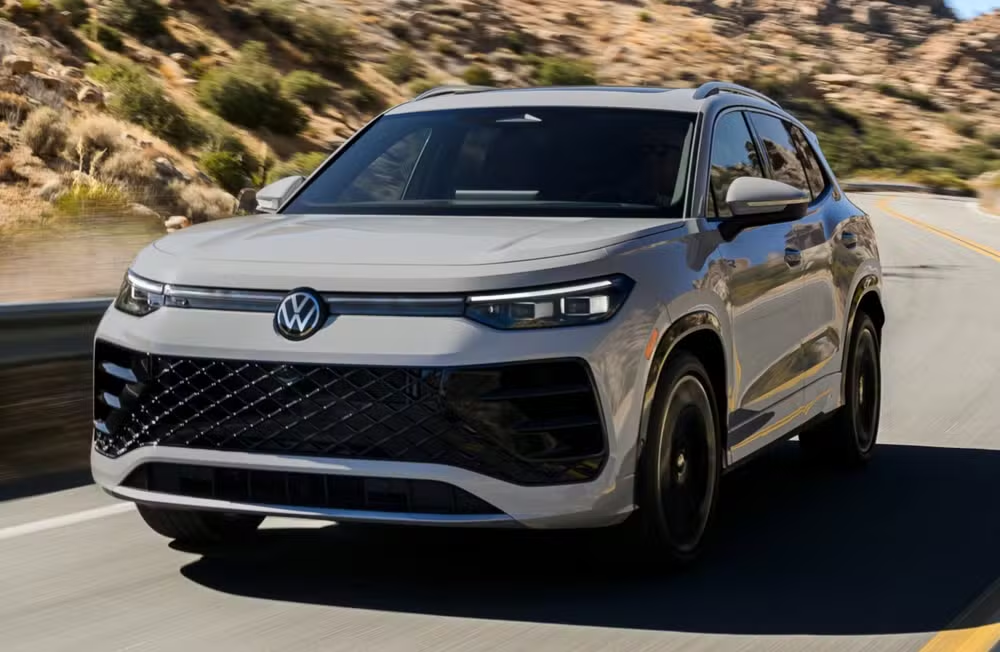
Volkswagen Ended The Production Of The Tiguan, But The New Generation Is Already In Production In Mexico, A Country That Will Also Be Responsible For Manufacturing The Taos, Expanding The News In The SUV Segment.
Tiguan And Taos, The Largest SUVs From Volkswagen In Brazil, May Undergo Significant Transformations In 2025. With Mexico Being The Main Culprit.
The Puebla Workers’ Union Confirmed That The Production Of The Second Generation Tiguan Was Halted In November. The News Was Also Highlighted In The Local Press.
In The Case Of The Taos, The Situation Is Different. The Facelift, Already Revealed In North America, Is Expected To Arrive In Brazil Next Year. The New Development Is That The Country Of Origin For The Mid-Size SUV May Change. Instead Of Continuing To Come From Argentina, Where The Production Of The New Version Has Been Suspended, The Updated Taos Would Be Imported From Mexico.
-
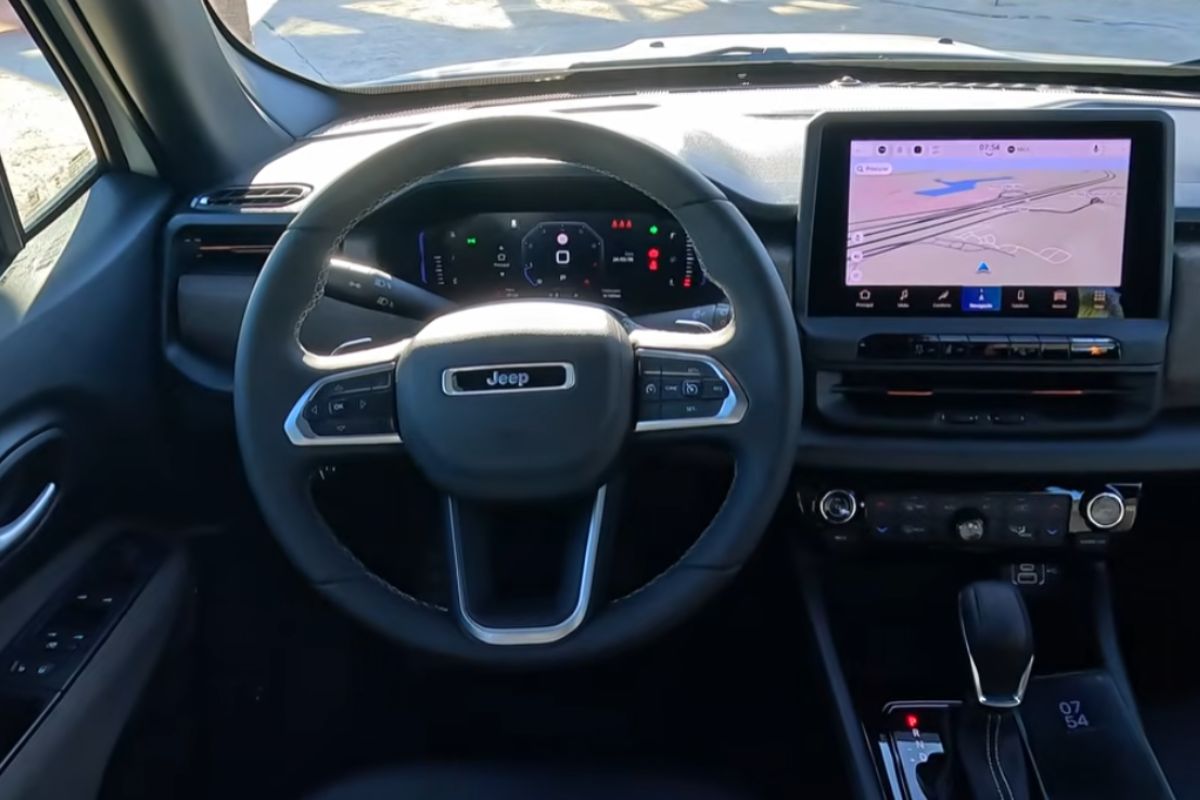
With a mild hybrid system of 48 V, 176 hp and a price of R$ 175,990 in the Sahara version, the new Jeep Renegade changes mostly on the inside, improves slightly in fuel consumption, and remains almost the same car.
-
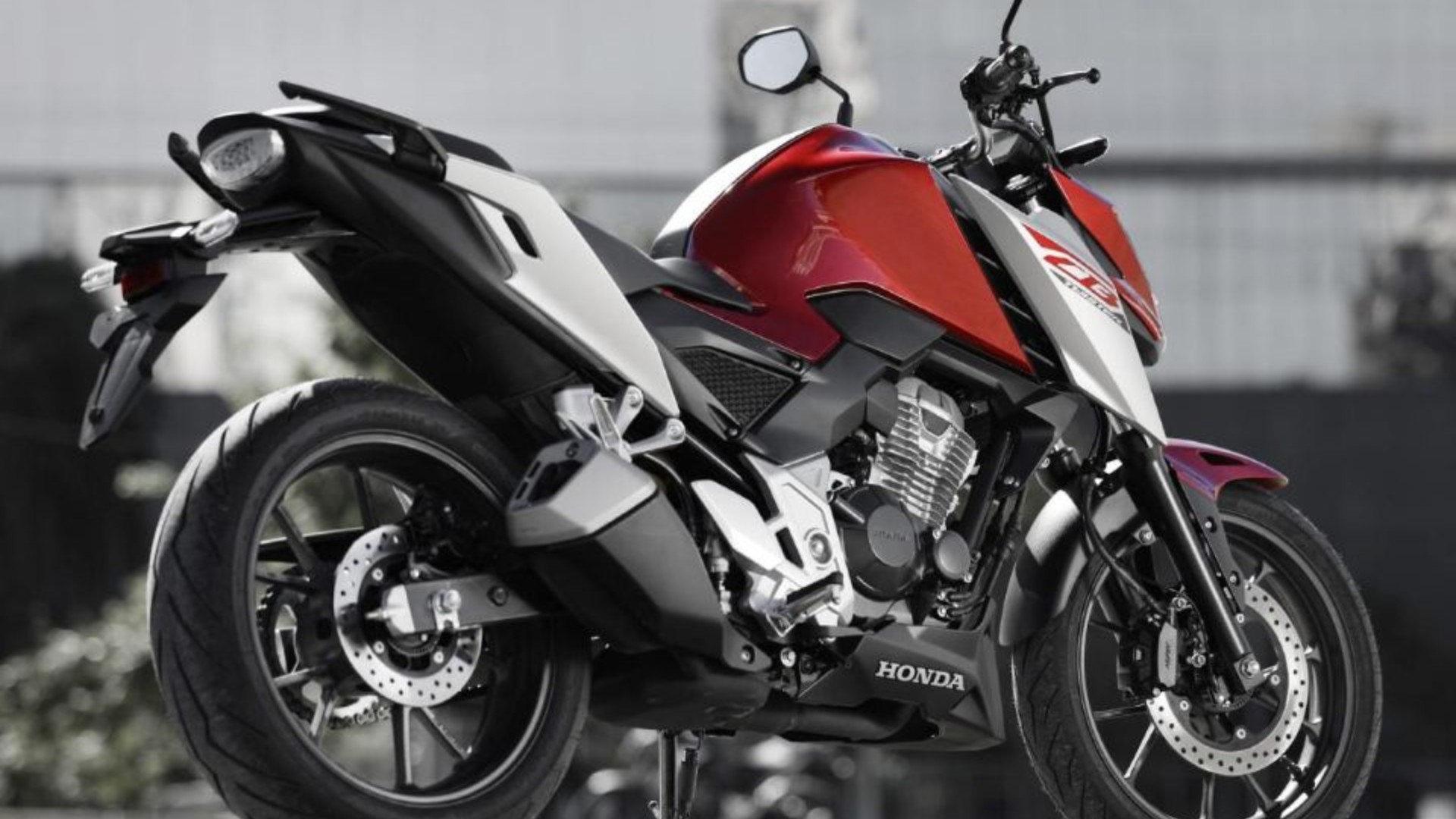
With a 293.5 cm³ engine and a range of up to 400 km with a 14.1-liter tank, the Honda CB 300F Twister 2026 has up to 24.7 hp, an initial price of R$ 25,150, and already exceeds R$ 29,000 in the Fipe Table.
-
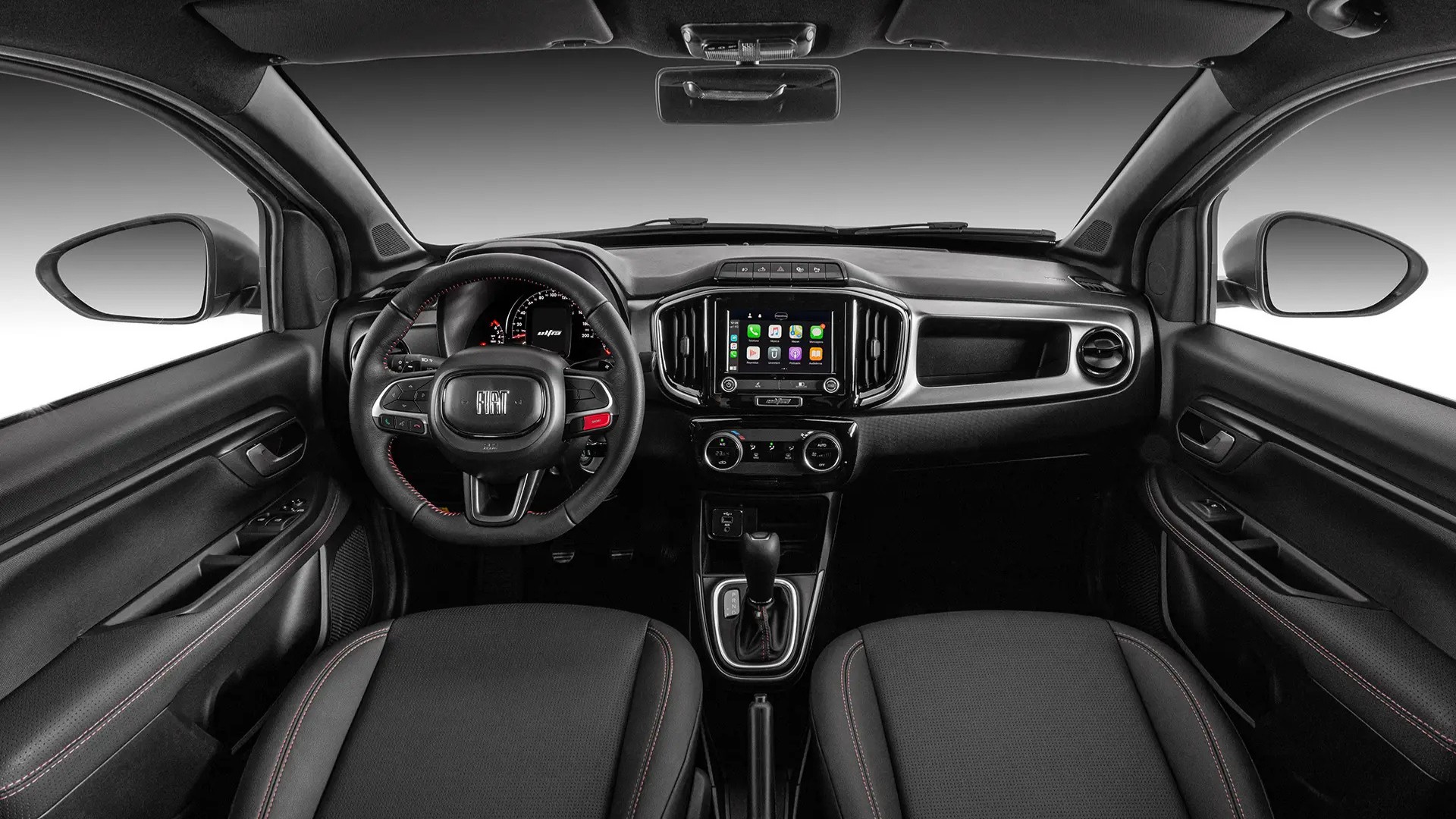
With a 1.3 engine, nearly 700 km of range, and Turbo 200, the Fiat model surpasses Polo, Tera HB20, and Onix, becoming the best-selling car in March; see the numbers for the Fiat Strada and others.
-
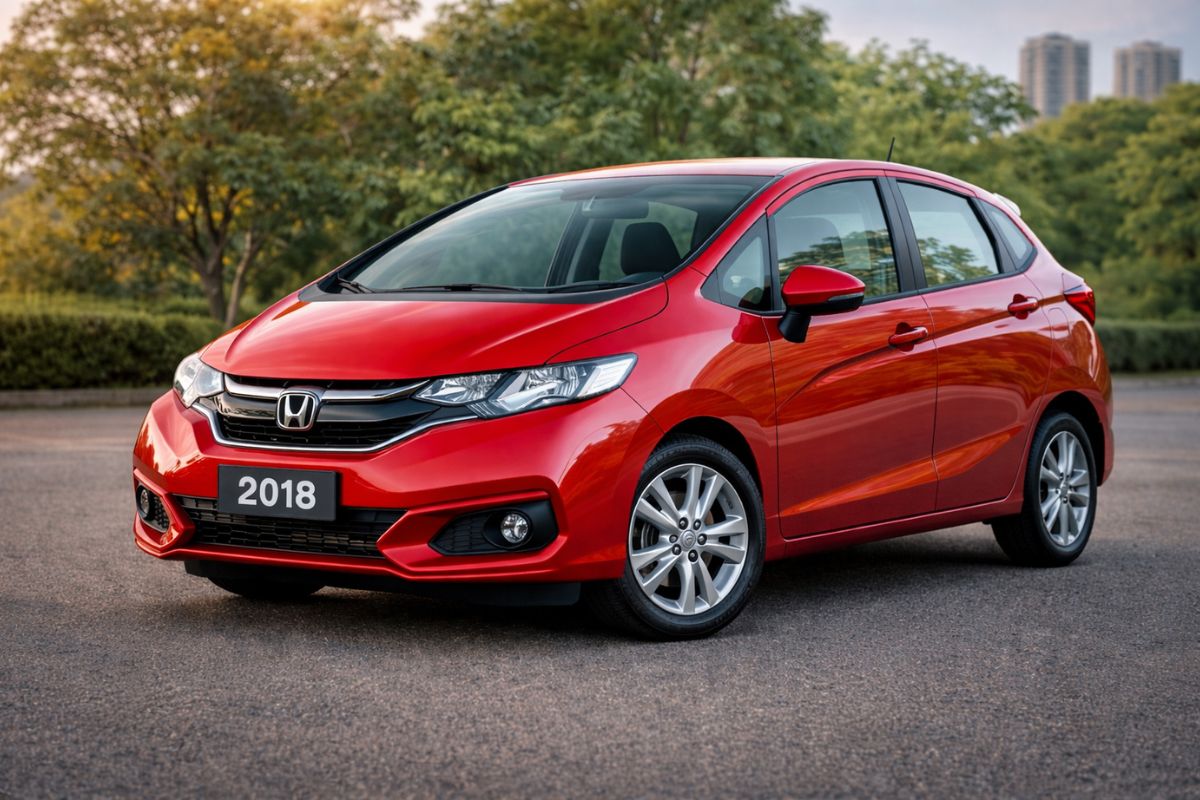
The Honda Fit has been discontinued for years, but the 2018 model is worth more today in the Fipe table than it cost brand new, proving that this used car, valued with a 1.5 i-VTEC engine and Magic Seat, only increases in price.

Changes To The Tiguan
The Puebla Factory Has Undergone Adaptations To Begin Production Of The Third Generation Tiguan, Also Known As Tayron In Some Markets. Despite This, The Name Tiguan Will Be Maintained In Most Countries In The Americas.
According To Information From Marklines, Production Of The New Tiguan In Puebla Is Expected To Begin In Mid-2025. During This Period, About 1,800 Workers Will Be On Layoff.
Volkswagen, However, Presents A Different Version Of The Facts. In An Official Response, The Automaker Confirmed That The Pause In Production Occurred, But Stated That The New Model Is Already Being Manufactured. The Official Announcement, However, Will Only Be Made In January.
Currently, The Tiguan Is Still Being Produced To Supply Markets Such As Brazil, Mexico, And The United States. Here, The SUV Was Relaunched In 2023, With A Single Version, The R-Line, Equipped With A 2.0 Turbo Engine Producing 186 Hp And An Eight-Speed Automatic Transmission. The Suggested Price Is R$ 292,990.
Producing An Old Generation Alongside The New One Is Common In The Automotive Industry. This May Occur Due To An Excess Of Parts Or Because The New Model Is Significantly More Expensive, Justifying The Presence Of Both In The Market.
In The Case Of The Tiguan, It Is Likely That Production Of The Current Model Will Continue Until The Parts Are Exhausted, With The New Version Arriving In Brazil By The End Of 2025.
The Future Of The Taos
While The Tiguan Faces A Slow Transition, The Taos Is Expected To Receive Updates As Soon As 2024. The Facelifted Model Has Already Been Seen Testing In Brazil. The Big Question Is The Country Of Origin For The Mid-Size SUV.
In Argentina, Investments For The New Version Of The Taos Have Been Suspended. The Local Branch Is Awaiting New Funding For Projects Such As The Next Generation Amarok, Developed In Partnership With Chinese Company SAIC. Therefore, The Argentine Taos Will Remain As It Is, Benefiting From Good Sales In The Local Market.
In Brazil, The Situation Is Different. The Taos Has Never Managed To Directly Compete With Models Like The Toyota Corolla Cross And Jeep Compass. The Facelift Could Be A Strategy To Make It More Competitive. To Achieve This, Volkswagen Would Need To Change The Country Of Origin For The SUV, Something That Is Not Only Possible But Also Likely.
The Taos Produced In Mexico Uses The Same 1.4 Turbo Engine As The Argentine Version. This Engine, Which Generates 150 Hp, Is Manufactured In São Carlos (SP). The Solution Would Be To Adapt The Flex Version For The Brazilian Market And Send It Directly From Mexico.
Expectations For 2025
Volkswagen’s Moves On The Continent Do Not Stop There. In Addition To The Changes Expected For The Tiguan And Taos, Mexico Will Be Responsible For Producing The Facelifted Jetta GLI, As Anticipated By Autoesporte In August.
With So Many News, The Automaker Seeks To Strengthen Its Position In Strategic Markets. In Brazil, The Changes May Be Crucial For The Brand’s SUVs To Face The Competition From Already Established Models.
For Now, It Remains To Monitor Volkswagen’s Next Steps And Its Decisions Regarding Production And Imports. The Arrival Of The New Tiguan And Taos Promises To Shake Up The Market In 2025, Bringing Renewed Options For Consumers.









-

Uma pessoa reagiu a isso.