





 English
  Francês
  Alemão
  Italiano
  Japonês
  Norueguês
  Portuguese
  Spanish
  4 min of reading


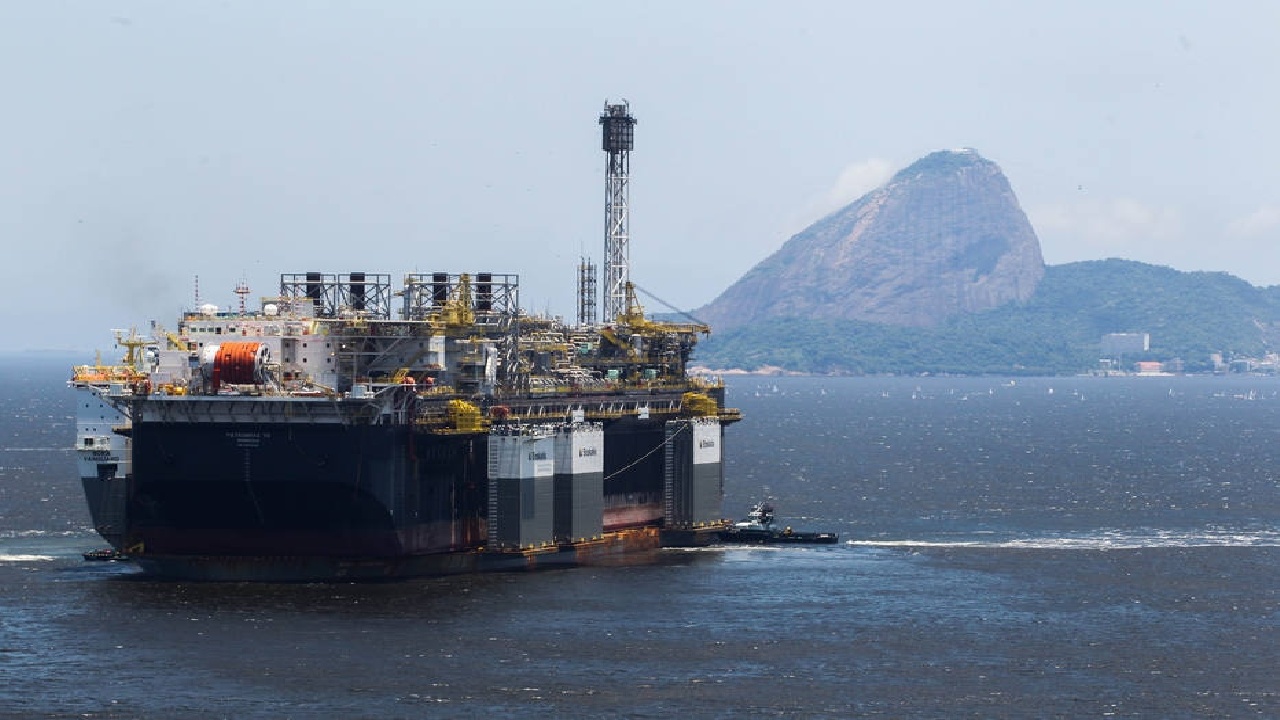
In January, Offshore Fields Produced 97.2% of Oil and 87.3% of Natural Gas. The Fields Operated by Petrobras Were Responsible for 94.1% of Oil and Natural Gas Produced in Brazil.
According to the National Agency of Oil and Gas (ANP), production in the Pre-Salt in January set a record both in volume and percentage of total production. A total of 2.912 MMboe/d (million barrels of oil equivalent per day) were produced, including 2.292 MMbbl/d (million barrels per day) of oil and 98.6 MMm3/d (million cubic meters per day) of natural gas, which accounted for 74.7% of national production. There was a 7.5% increase compared to the previous month and a 10.7% increase compared to January 2021. Production originated from 134 wells.
Read Also
- Resume and Work Permit in Hand Tomorrow (03/15) to Compete for the Urgent Job Fair for Technicians, Engineers, and More, Opened by the Oil and Gas Company Infotec
- Multinational Aker Solutions Is Recruiting Candidates Without Experience in the Areas of Engineering, Maintenance, Quality, Projects, HR, and More, in Rio de Janeiro and Paraná for Internship and Trainee Positions
- Brazilian Multinational Noxis Energy, Controlled by Israeli Capital, Will Invest Over R$ 1 Billion in the Construction of an Oil Refinery in the Industrial and Port Complex of Pecém, Ceará
- SENAI Offers 6,265 Vacancies in Free Technical Courses with Certificates in Technology, Environment, Management, Economics, and MoreCanada Starts Record Recruitment of Brazilians to Fill Hundreds of Job Openings; No Age Limit for Candidates
According to the ANP, the main reasons for the increase in production in the Pre-Salt were the entry of wells into production, mainly in the fields of Sépia and Sépia Leste.
Data on national production in January 2022 are available in the Monthly Oil and Natural Gas Production Bulletin of the ANP, which provides detailed data on national production, HERE.
-
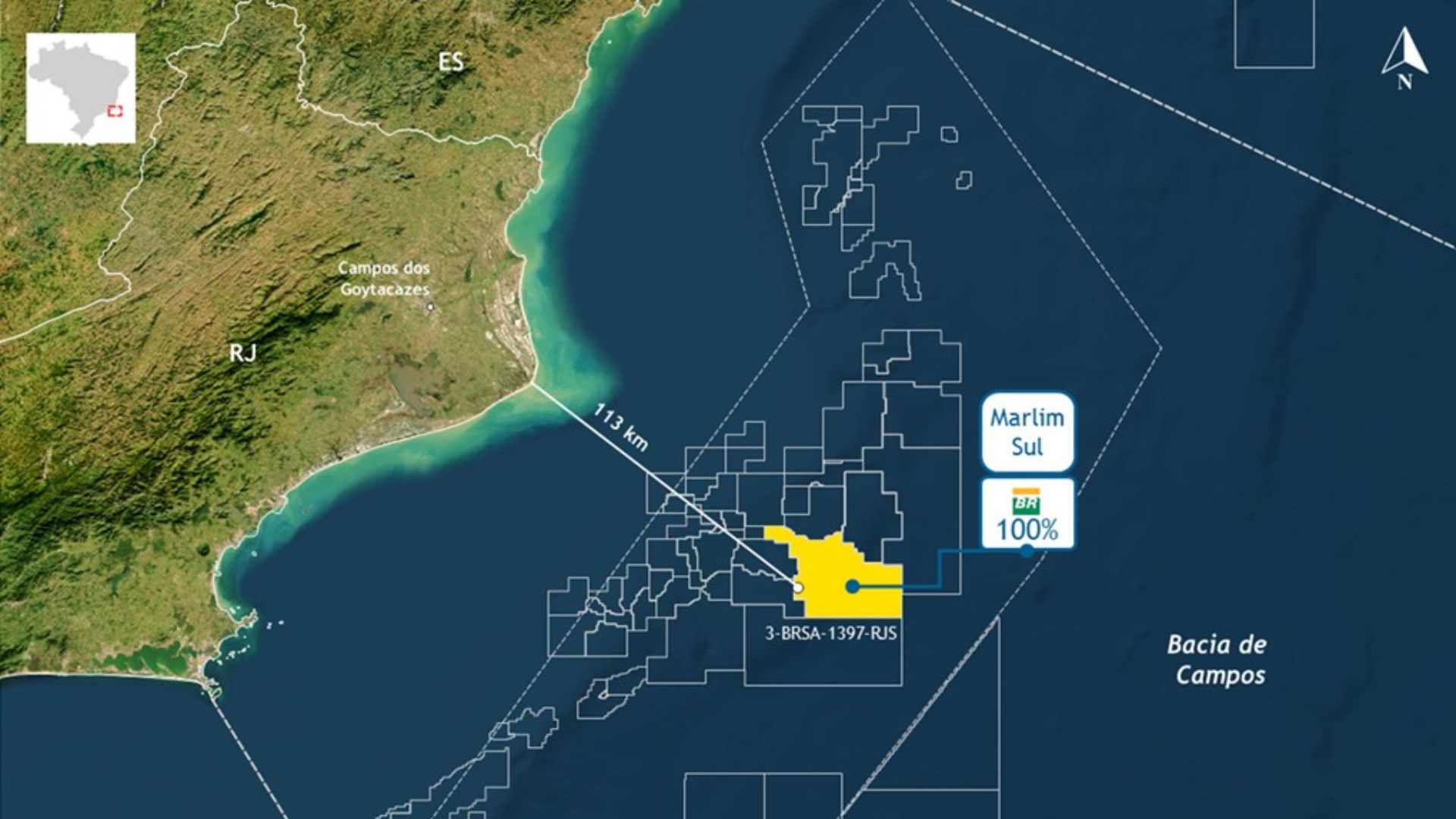
Petrobras finds high-quality oil in the pre-salt at 113 km from RJ and reignites expectations about strategic reserves in the Campos Basin.

-
Ocyan opens registrations for startups focused on innovation in the oil and gas sector and will select projects for Innovation Day with the support of Nexio.

-
Petrobras announces new oil discovery in the pre-salt of the Campos Basin and reinforces Brazil’s prominence with high-quality reserves that can increase production and energy revenues.
-
Alert in the fuel market: Analysts and a former director of ANP warn that oil prices may worsen in the coming months due to global instability.

They are also available interactively in the Dynamic Panels for Oil and Natural Gas Production, which can be accessed here.
National Oil Production Was 3.89 Million Barrels per Day
National production of oil and natural gas in January 2022 was 3.897 MMboe/d (million barrels of oil equivalent per day), including 3.032 MMbbl/d of oil and 137 MMm3/d of natural gas. Oil production increased by 6.8% compared to the previous month and 5.6% compared to January 2021. In natural gas, there was a 3.9% increase compared to December and a 0.8% increase compared to the same month of the previous year.
Utilization of Natural Gas
In January, the utilization of natural gas was 97.6%. 50.6 MMm³/day were made available to the market. Gas flaring during the month was 3.2 MMm³/d, a reduction of 2.9% compared to the previous month and an increase of 11.4% compared to the same month in 2021.
Production Origin
In January, offshore fields produced 97.2% of oil and 87.3% of natural gas. The fields operated by Petrobras were responsible for 94.1% of oil and natural gas produced in Brazil.
The Tupi Oil Field in the Pre-Salt Santos Basin Was the Largest Producer of Oil and Natural Gas in January
In January, the Tupi field in the pre-salt Santos Basin was the largest producer of oil and natural gas, registering 893 MMbbl/d of oil and 42.5 MMm3/d of natural gas.
The Petrobras 77 platform, producing in the Búzios field through five interconnected wells, produced 161.953 Mbbl/d of oil and was the facility with the highest oil production.
The FPSO Cidade de Itaguaí facility, producing in the Tupi field through 7 interconnected wells, produced 7.729 MMm³/d and was the facility with the highest natural gas production.
Estreito, in the Potiguar Basin, had the highest number of onshore producing wells: 953.
Tupi, in the Santos Basin, was the offshore field with the highest number of producing wells: 61.
These fields produced 370.5 boe/d, including 142.1 bbl/d of oil and 36.3 Mm³/d of natural gas. The Iraí field, operated by Petroborn, was the largest producer, with 213.4 boe/d.
Oil Production Occurred Through 41 Companies in 6,177 Wells, 491 Offshore and 5,686 Onshore
In January 2022, 272 granted areas, four onerous cession areas, and six sharing areas, operated by 41 companies, were responsible for national production. Of these, 63 are offshore and 219 onshore, with 12 related to contracts for areas containing marginal accumulations. Production occurred in 6,177 wells, including 491 offshore and 5,686 onshore.
The average API degree of oil extracted in Brazil was 28.2, with 2.3% of production considered light oil (>=31°API), 92.2% medium oil (>=22 API and <31 API), and 5.5% heavy oil (<22 API).
Mature onshore basins (long-term fields/tests in the Espírito Santo, Potiguar, Recôncavo, Sergipe, and Alagoas basins) produced 91.183 Mboe/d, including 70.878 Mbbl/d of oil and 3.2 MMm³/d of natural gas. Of this total, 50.9 thousand boe/d were produced by Petrobras and 40.2 thousand boe/d were produced by non-operated concessions not managed by Petrobras, including: 19.165 boe/d in Rio Grande do Norte, 16.167 boe/d in Bahia, 3.598 boe/d in Alagoas, 1.132 boe/d in Espírito Santo, and 166 boe/d in Sergipe.








Seja o primeiro a reagir!