





 Portuguese
  English
  Spanish
  2 min of reading
  0 comments


Pre-Salt Drives New Milestones in Oil and Natural Gas Extraction Offshore
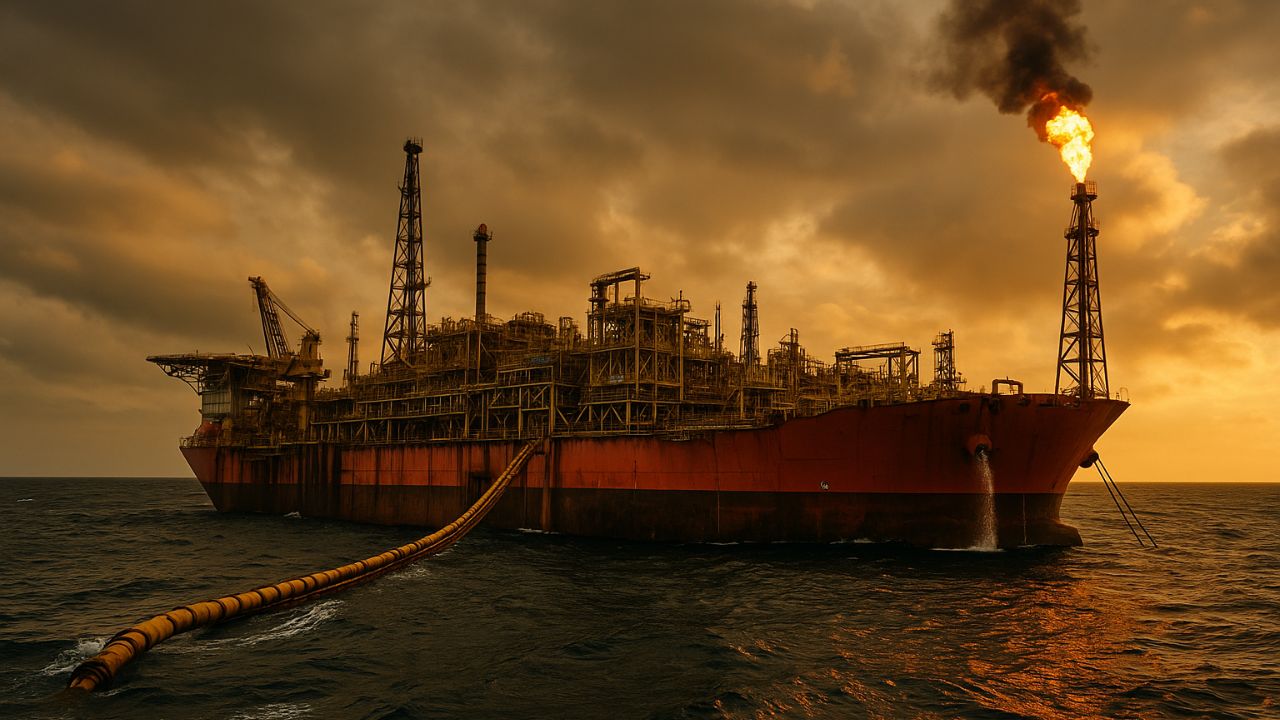
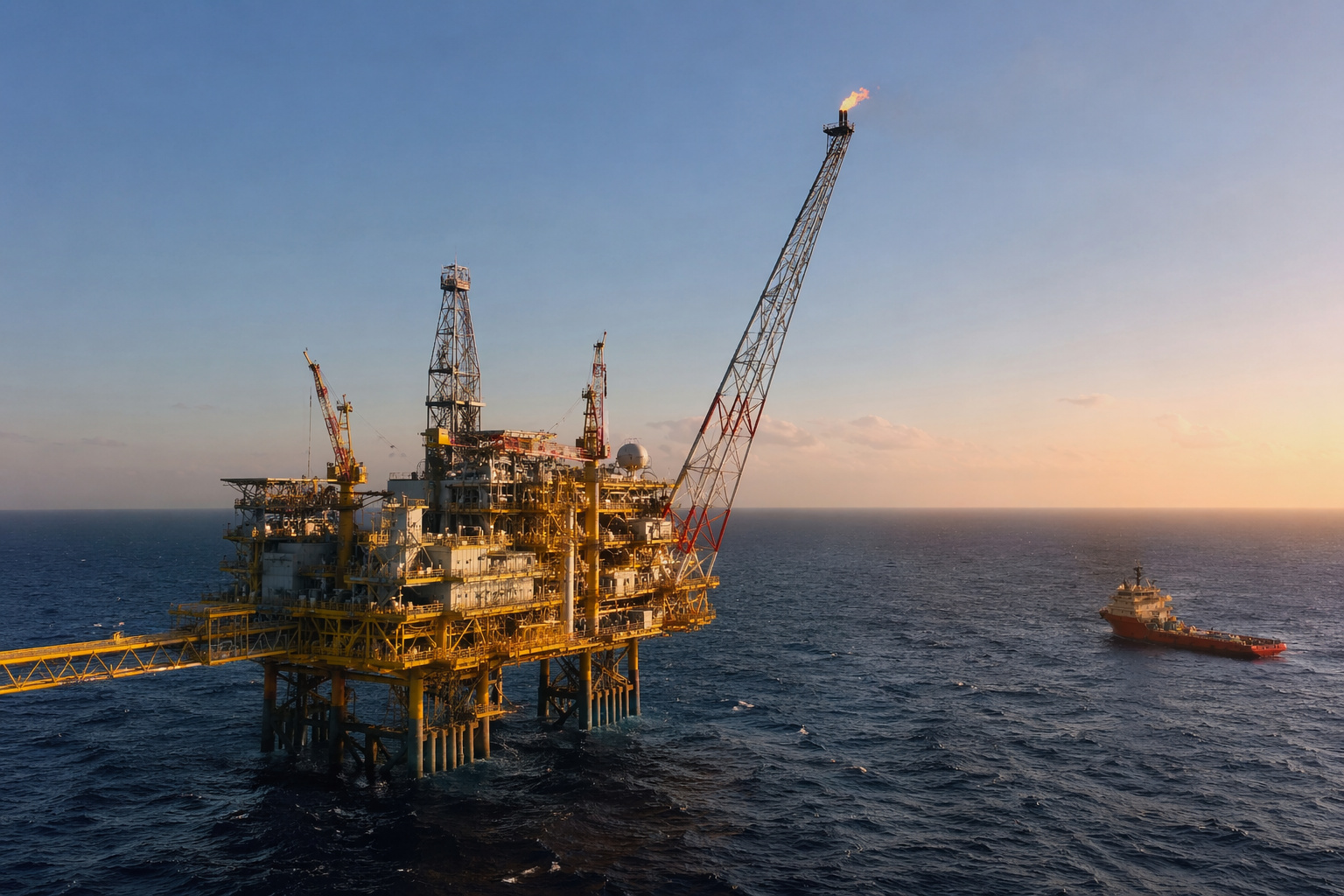
Offshore oil and natural gas production in Brazil reached a new record in March 2025, totaling 3.716 million barrels of oil equivalent per day (boe/d) in the pre-salt layer alone, according to data from the National Agency of Petroleum, Natural Gas and Biofuels (ANP). The result represents an increase of 10.9% compared to March 2024, reinforcing the strength of production in deep waters.
Offshore Operations Drive Historic High
Offshore activities accounted for 97.6% of the national oil production and 87.9% of natural gas production, as highlighted by the ANP. Petrobras remained the main operator, responsible for over 90% of total production, operating individually or in consortia. In total, 157 pre-salt wells accounted for nearly 80% of the volume produced in the country.
According to the Energy Research Company (EPE), the growth of offshore production strengthens Brazil’s energy security and attracts new investments to the sector, particularly in the fields of the Santos Basin.
-
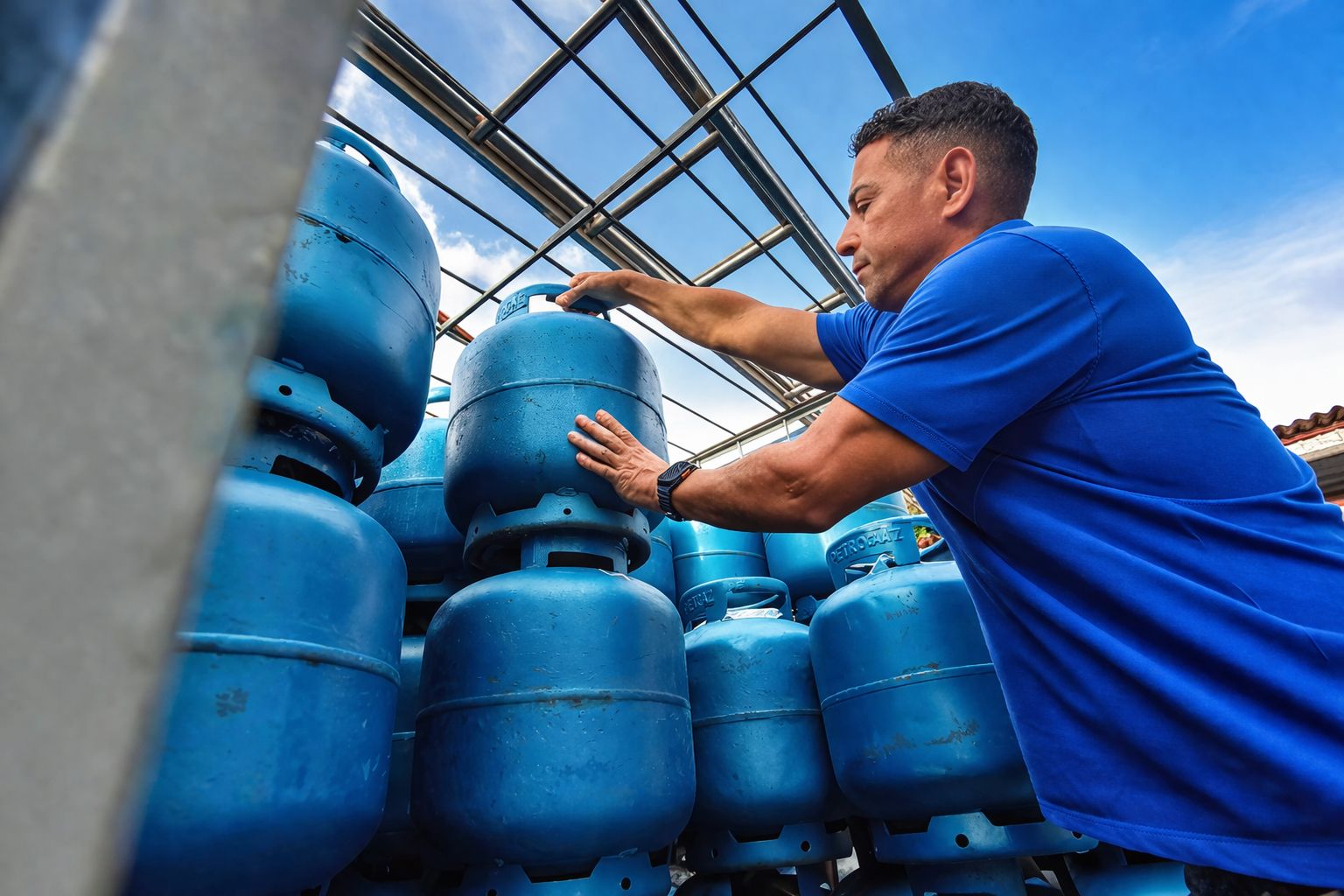
Petrobras confirms that it will reimburse amounts to distributors and return the price difference from the gas auction following a regulatory decision.
-
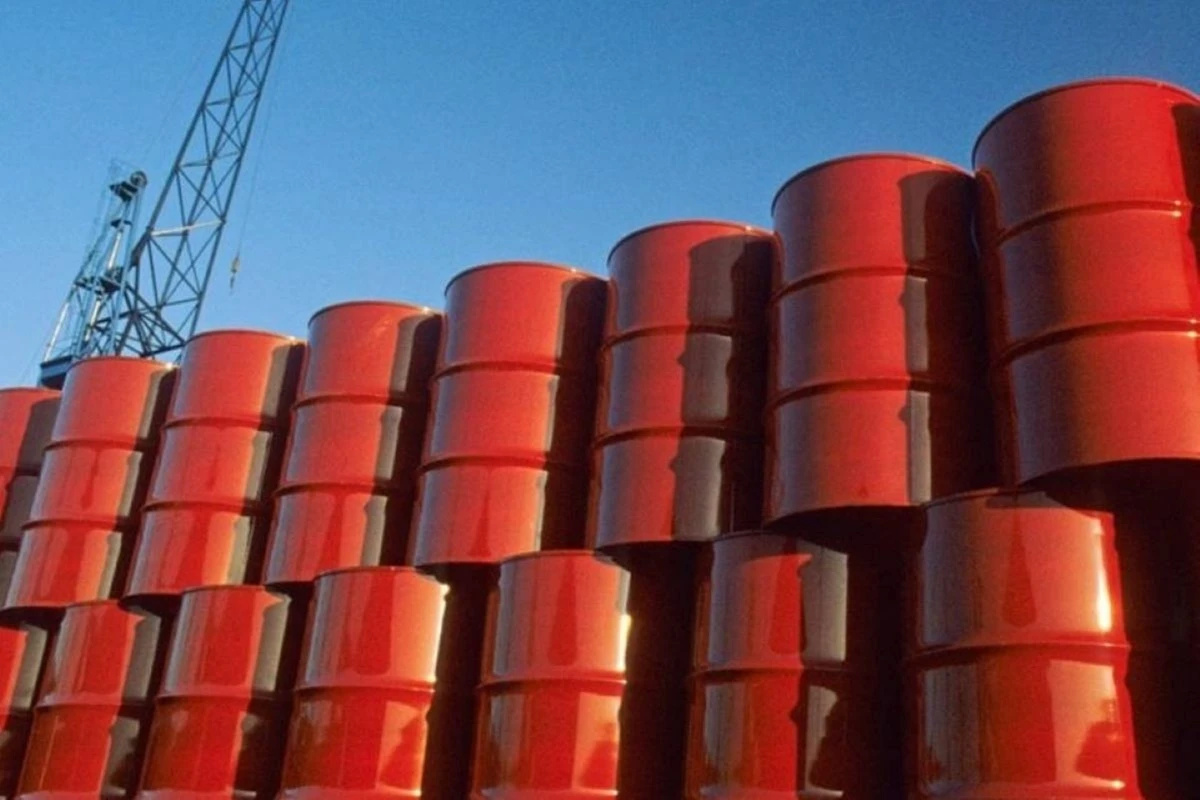
Petrobras buys back fields for billions — what no one is talking about regarding this decision and how it could impact jobs and oil in Brazil.

-
New escalation of tensions and oil crisis in the Middle East forces world powers to accelerate energy transition plans.
-
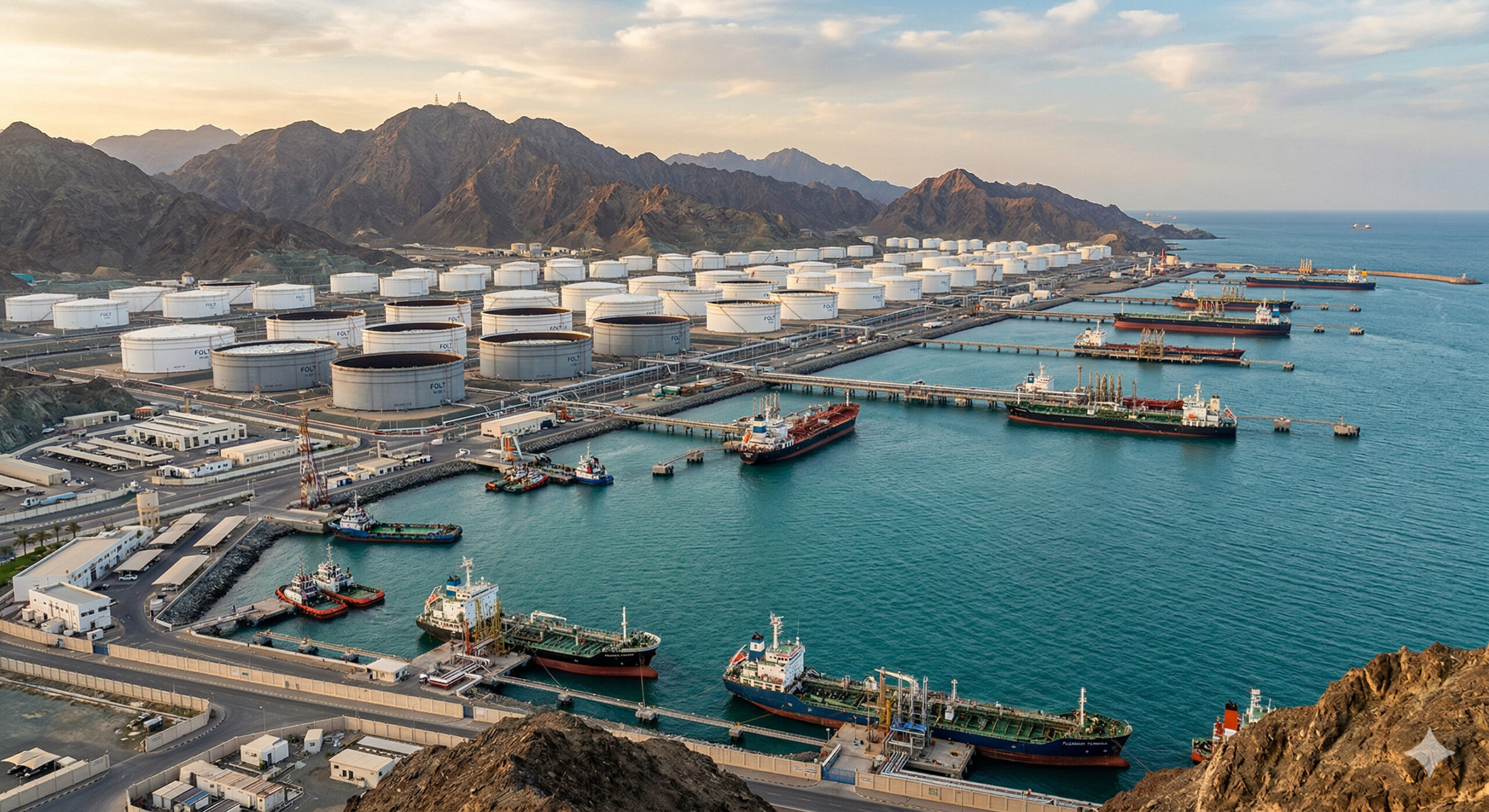
Giant reservoirs with a capacity of 18 million cubic meters have turned Fujairah into one of the largest energy vaults on the planet. This facility, located outside the Strait of Hormuz, stores oil on a colossal scale and has become a silent piece that supports the global flow of fuels.
Advances in the Pre-Salt Reinforce the Importance of Oil and Natural Gas
In the pre-salt alone, oil production was 2.883 million barrels per day, while natural gas volume reached 132.33 million cubic meters daily. The FPSOs Sepetiba and Guanabara, installed in the shared Mero field, led national production, excelling in productivity and technological efficiency.
The FPSO Sepetiba produced an average of 174,544 barrels per day, while the FPSO Guanabara recorded 11.52 million cubic meters of natural gas per day, proving the potential of floating units in offshore production.
Efficiency Marks the Use of Natural Gas in Offshore Platforms
The utilization rate of natural gas was 96.5%, with 46.95 million m³/d being utilized by the market. Gas flaring increased to 5.77 million m³/d, driven by the commissioning of the new FPSO Almirante Tamandaré unit, which has been in testing since February. According to the ANP, such variations are expected at this operational stage.
The agency also noted that fluctuations in monthly production may arise from scheduled maintenance and the commissioning of new wells.
Offshore Production Remains a Strategic Priority
With new platforms coming online and continuous technological advancements, Brazil remains solidified as a powerhouse in offshore production. Data from the ANP and EPE projections indicate that the country is expected to maintain its global prominence until the end of the decade, particularly with pre-salt resources and investments in maritime infrastructure.







Seja o primeiro a reagir!