





 Portuguese
  English
  Spanish
  3 min of reading


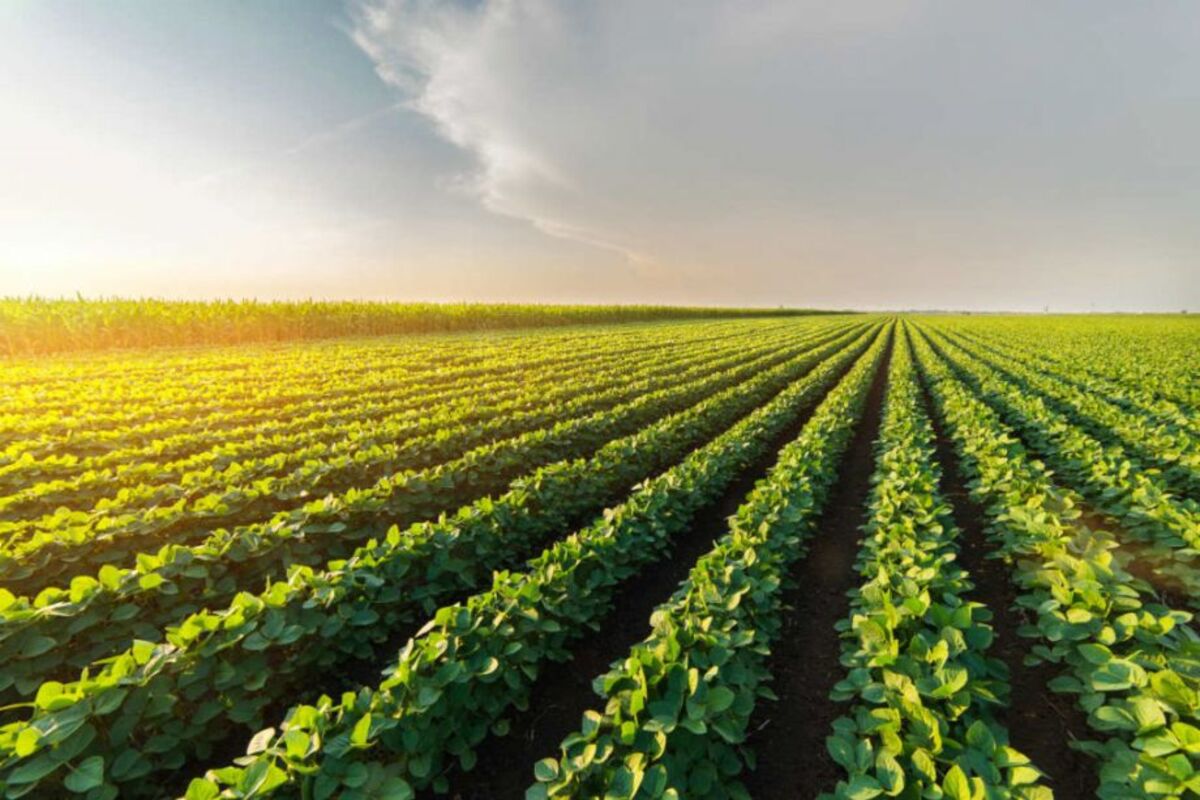
According to data from the National Supply Company (Conab), in 1976 Brazil produced 46.9 million tons of grains on about 37.32 million hectares, 1,258 kilograms per hectare. For the current harvest, the forecast is that approximately 310.9 million tons will be harvested on about 77 million hectares, 4,037 kilograms per hectare.
In nearly 50 years, the country has increased its production almost sixfold and doubled its cultivated area. Thus, Brazil has tripled its productivity. All of this was achieved through science, research, public and private investment, and the dedication of researchers and collaborators, political leadership, and rural producers spread across various Brazilian regions.
Recently, Eliseu Roberto de Andrade Alves, 92 years old, one of Brazil’s most important scientists, retired. He announced his departure after more than 50 years of service at the Brazilian Agricultural Research Corporation (Embrapa).
Having been present since the first executive board, Eliseu Alves retires and leaves as a legacy the research model based on the products and characteristics of each region, which enabled Embrapa to diversify its scientific activities, facilitating regional development.
-
Unemployment rises again to 5.8% at the beginning of 2026, raising alarms about the end of temporary positions and its impact on the Brazilian job market.

-
Document organization can cut invisible costs in small businesses, a simple step that prevents waste, rework, and losses in daily operations.

-
While Russia dominates the global wheat market, Brazil emerges as an unexpected competitor in the Cerrado, offering grain available in July and August when stocks in the Northern Hemisphere are at their lowest point of the year.

-
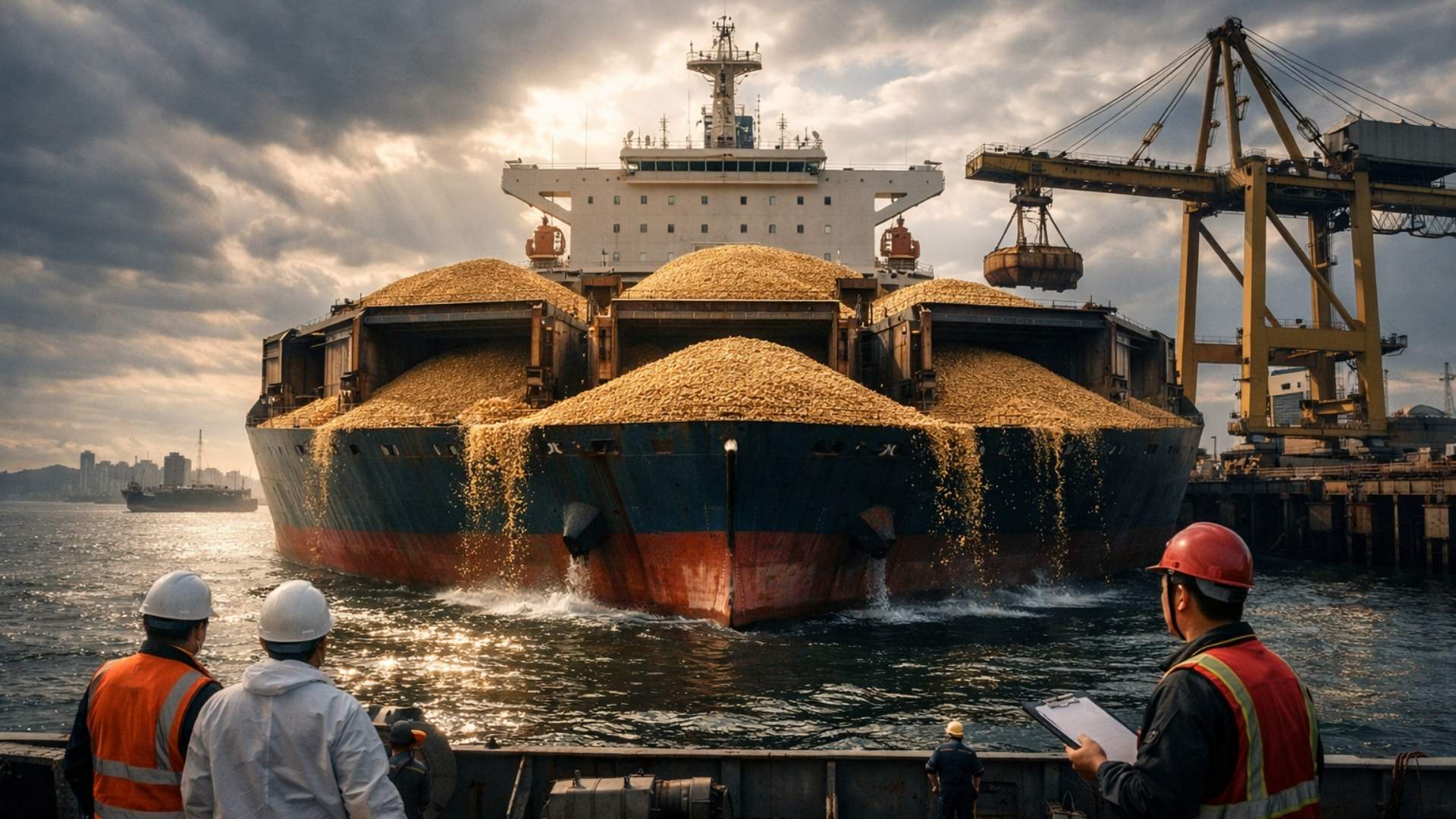
China returned almost 20 Brazilian ships with soybeans, but now everything could change: the country that buys 80% of the grain is considering relaxing regulations after impurities held up shipments of thousands of tons and caused million-dollar losses.

Because of this perspective, Alves also promoted research in networks, gathering groups of Embrapa researchers with scientists from universities and research organizations in the region to reach the final product, which is rural produce. One of Embrapa’s greatest challenges, according to what he stated in his farewell speech, is ensuring more competitiveness for small producers, who often buy more expensive inputs and also sell their products at lower prices than larger producers.
Despite the challenges faced by the organization to maintain research in the field across all regions of this vast country, Eliseu Alves assures that Embrapa is a success, having transformed a country that was once a food importer into a global powerhouse, now supplying over 150 countries and still having one of its main economic activities in the field.
Like Eliseu Alves, Brazil has other personalities, people who combined studies and work for innovation and to bring technology to the field, including for private initiatives. Ney Bittencourt de Araújo is a great example of this. He was one of the visionary minds that made a difference in agriculture. Ney, an agronomist engineer and administrator by training, led the Agroceres group from 1971 to 1996. He gained recognition from prominent figures, such as Roberto Rodrigues, who dedicated a book to Bittencourt’s journey.
It was Ney Bittencourt de Araújo, for example, who introduced us to the concept of agribusiness, encompassing everything from production to retail. He understood that agriculture was the link that brought together and moved science, technology, and industry. Brazilian agribusiness should never have its image tarnished by the actions of a small part that does not represent the whole. Brazilian agribusiness is much larger than political parties; it is science, because it is based on research.









Seja o primeiro a reagir!