





 Portuguese
  English
  Spanish
  5 min of reading
  0 comments


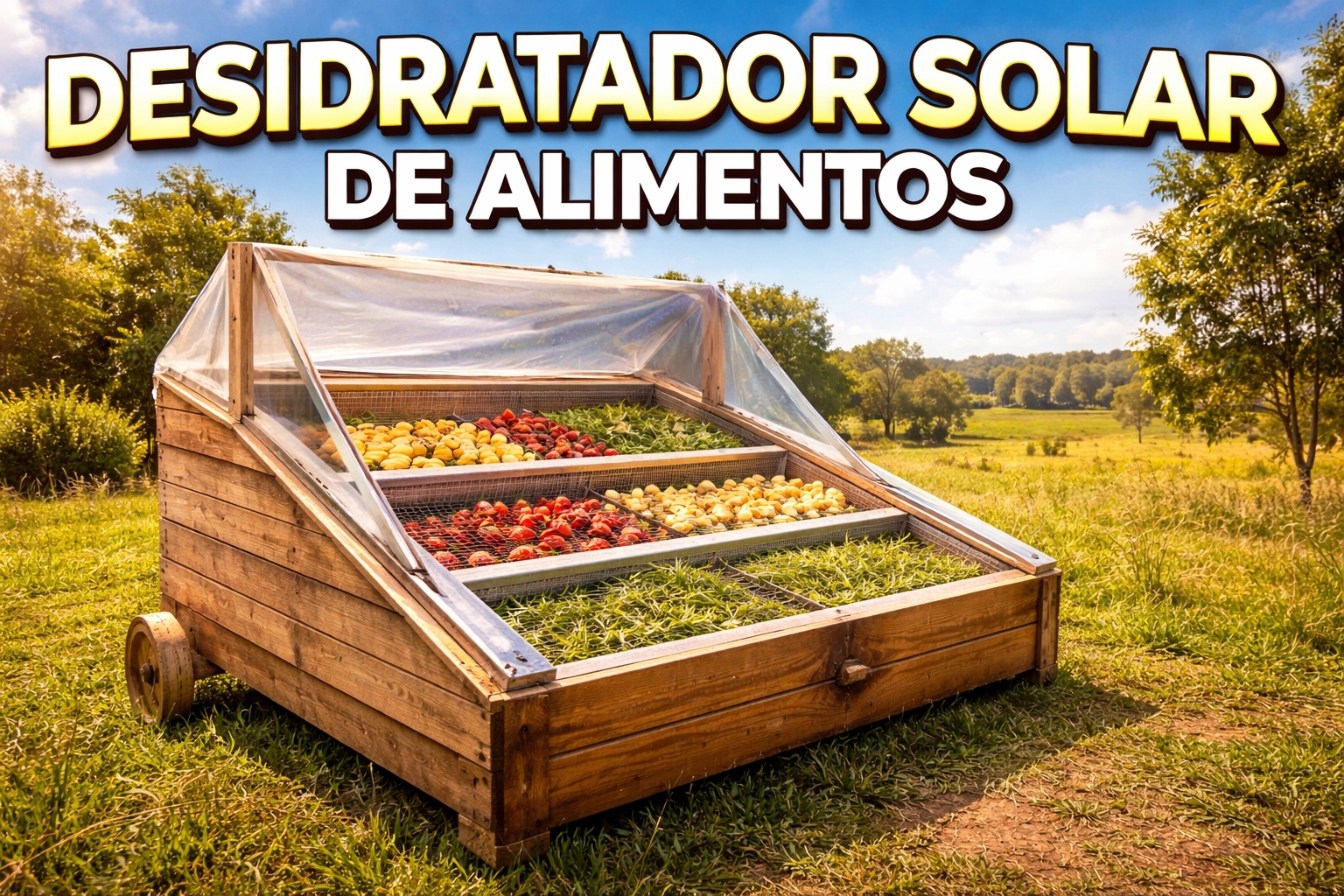
Solar Food Dryer Made with Wooden Box, Mesh, and Transparent Plastic Can Dehydrate Up to 5 Kg of Fruits or Herbs in About 48 Hours Without Using Electricity.
The loss of food after harvest is one of the biggest challenges in agriculture worldwide. Fruits, herbs, vegetables, and other agricultural products have a high water content and begin to deteriorate quickly after being harvested. In many rural areas, where there is no adequate refrigeration or processing infrastructure, a significant portion of production ends up being discarded before reaching the consumer. Faced with this problem, traditional preservation techniques have come back into prominence among small producers. One of the simplest and most efficient solutions is the solar food dryer, a device that uses the sun’s heat and air circulation to remove moisture from food and extend its shelf life.
In several rural properties, producers have started to build handmade solar dryers using simple materials, such as wooden boxes, metal screens, and transparent plastic. The system can be assembled with an investment of less than R$ 120 and allows for the dehydration of fruits, herbs, and vegetables without consuming electricity.
Solar Food Dryer/Homemade Solar Dehydrator Uses Sun Heat to Remove Moisture from Food
The operation of the solar dryer is based on a simple physical principle: the greenhouse effect. When sunlight passes through a transparent surface, such as plastic or glass, it heats the inside of the structure. This heat is retained inside the box, raising the temperature and accelerating the evaporation of the water present in the food. Inside the homemade solar dehydrator, trays or screens support the fruits or herbs cut into thin slices. As the internal air heats up, the moisture released by the food is transported outside through ventilation openings.
-
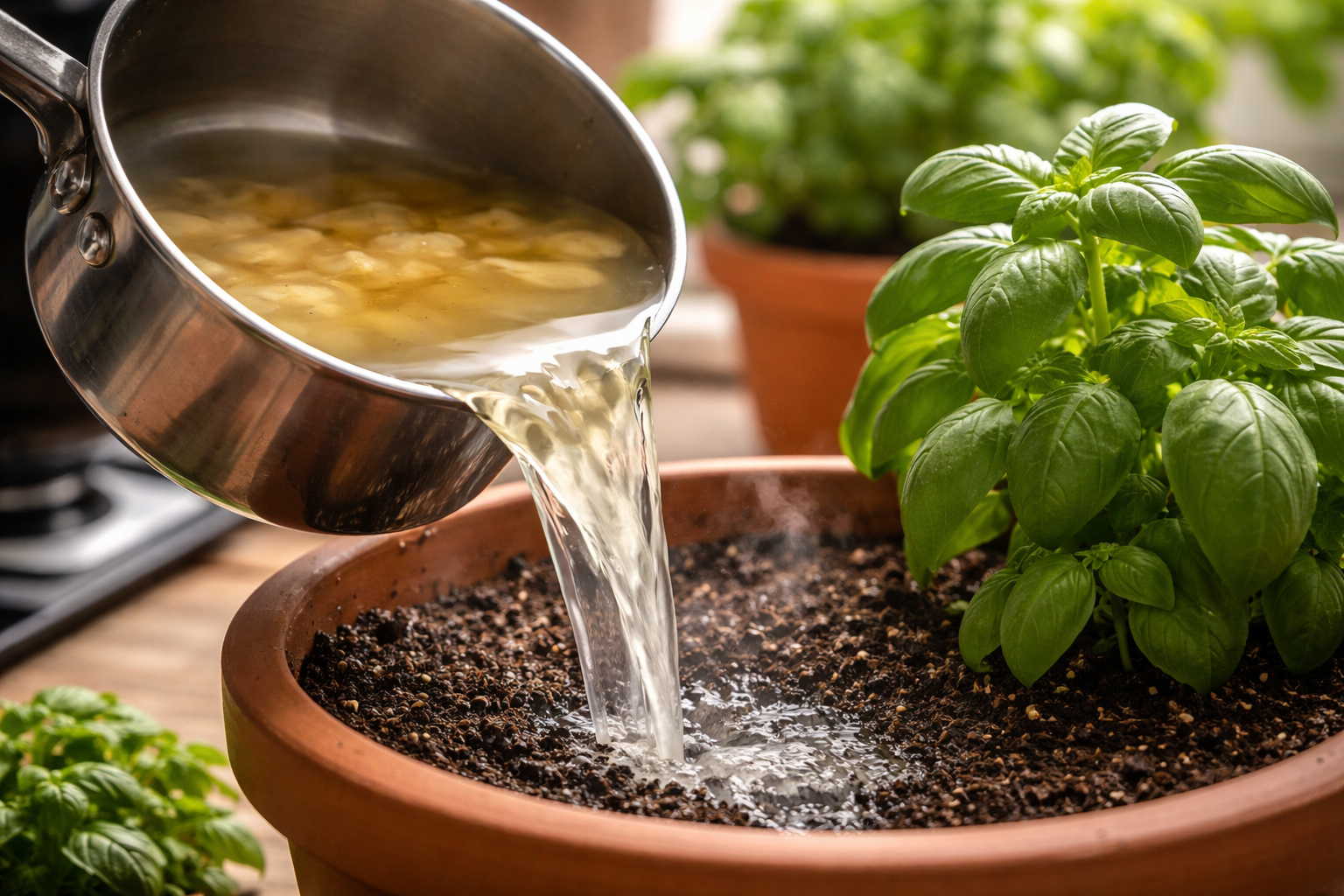
The water that almost everyone throws away after cooking potatoes carries nutrients released during the preparation and can be reused to help in the development of plants when used correctly at the base of gardens and pots, at no additional cost and without changing the routine.
-
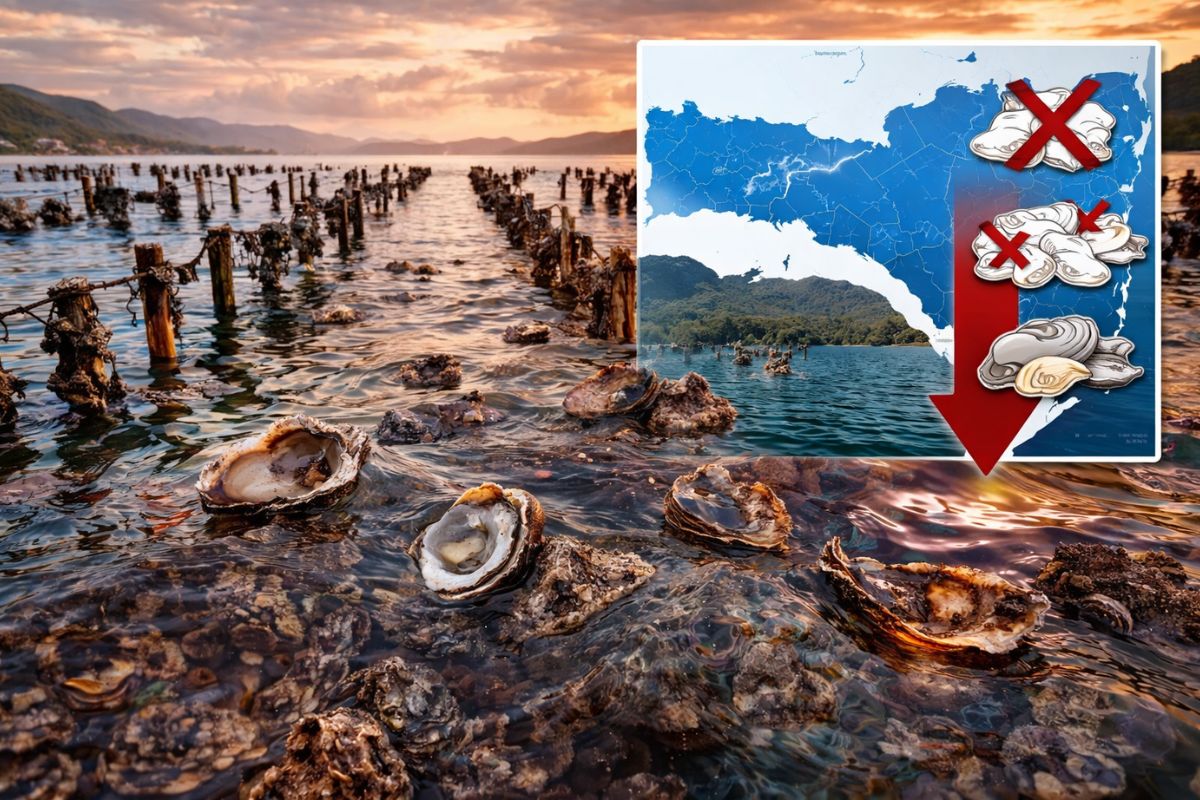
The sea water temperature rose from 28 to 34 degrees in Santa Catarina and killed up to 90% of the oysters: producers who planted over 1 million seeds lost practically everything and say that if it happens again, production is doomed to end.
-
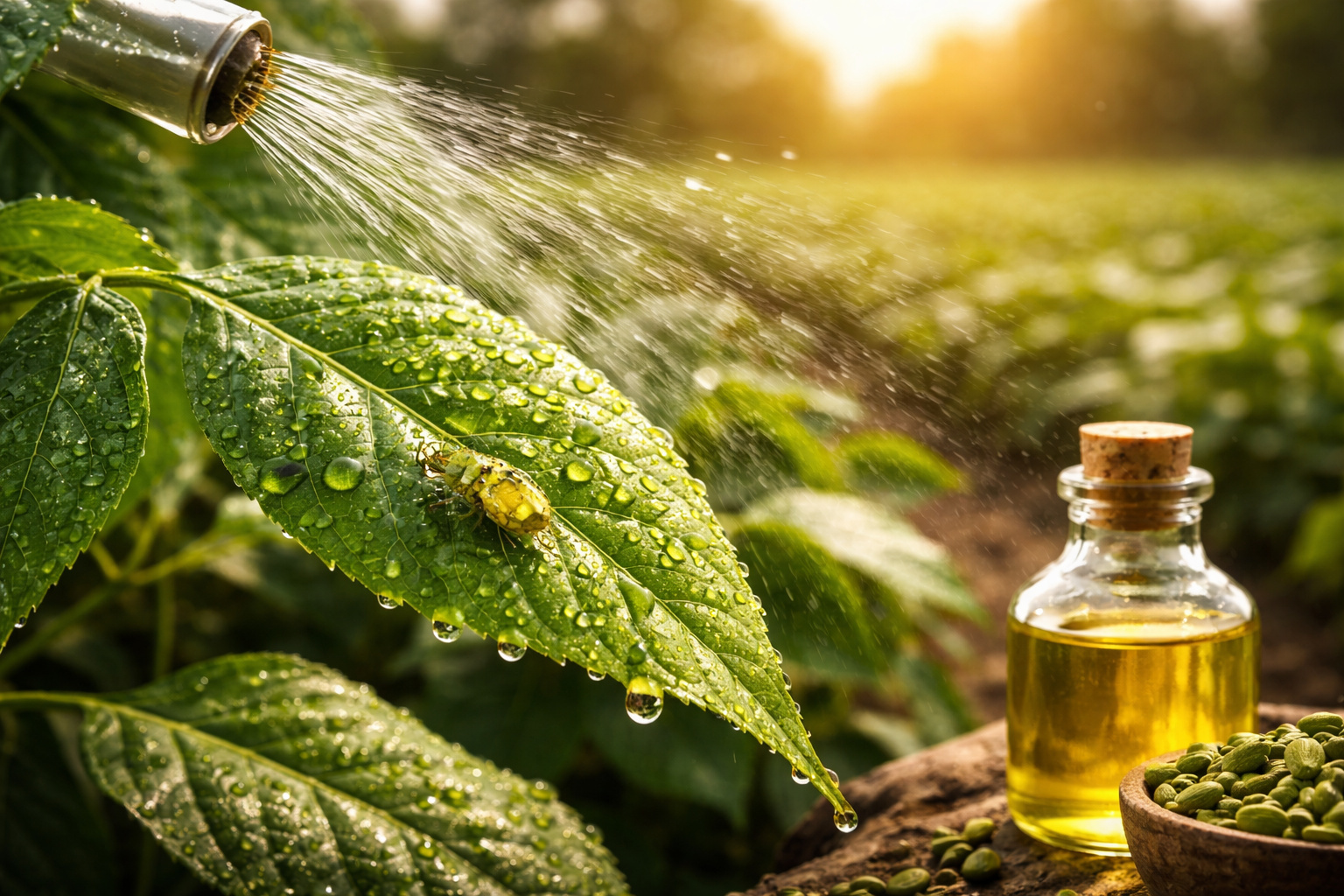
An Indian tree that grows in the Brazilian Northeast produces an oil capable of acting against more than 200 species of pests and interrupting the insect cycle, gaining ground as a natural alternative in soybean, cotton, and vegetable crops.
-
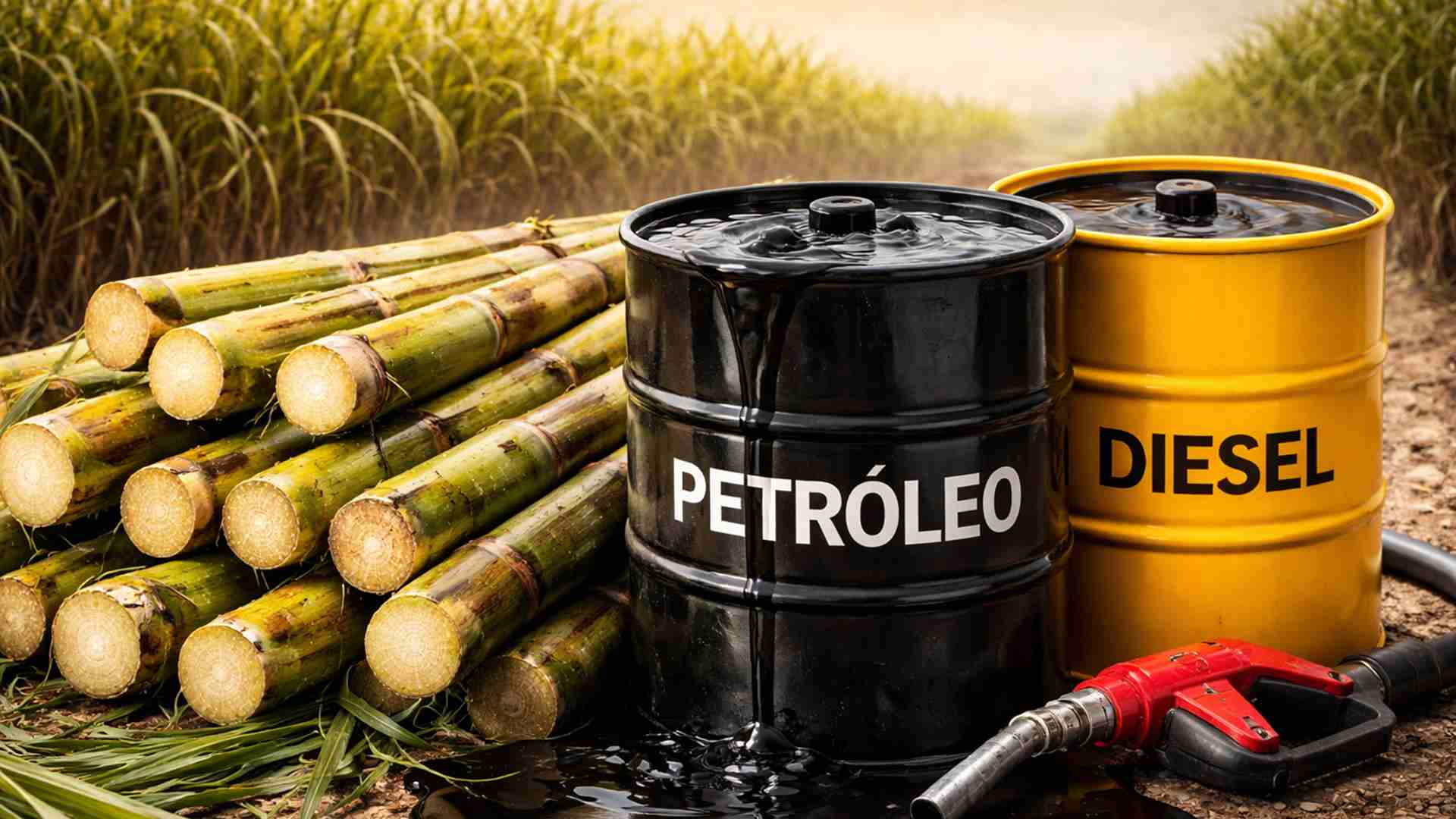
The rise in oil prices in the Middle East is already affecting Brazilian sugar: mills in the Central-South are seeing their margins shrink just as ethanol gains strength.

This constant flow of warm air gradually removes the water from the food, a process known as solar dehydration. The reduction of moisture prevents the growth of microorganisms responsible for deterioration, such as fungi and bacteria. This way, the food can be stored for much longer periods.
Simple Structure Can Be Built with Cheap Materials
Building a handmade solar dryer does not require sophisticated equipment. Many models used in rural properties follow a relatively simple structural pattern. The base is usually made with a wooden box or crate.
The interior receives trays or metal screens where the food is distributed in a thin layer. The top is covered with transparent plastic or glass, allowing sunlight to enter.

Expanding Worlds with Luciano and Gustavo
To ensure air circulation, small openings are made at the bottom and top of the structure. This system creates a natural air current that helps remove moisture during the drying process.
The interior of the box is often painted dark or lined with a material that absorbs heat, increasing the thermal efficiency of the equipment.
Solar Dehydration Can Drastically Reduce Post-Harvest Losses
The drying of food is one of the oldest preservation techniques used by humanity. Long before refrigeration was invented, populations in various regions utilized the sun to preserve food for long periods. Today, researchers and agricultural institutions have returned to studying this technique as a way to reduce post-harvest losses, especially in small rural properties.
In fresh fruits and vegetables, water can make up up to 80% or 90% of the food’s composition. By removing this moisture, the growth of microorganisms is drastically reduced, allowing for storage for months.
Depending on the type of food and the degree of dehydration achieved, dried products can be preserved for up to 12 months when stored in airtight containers and protected from moisture.
Drying Time Varies According to Food Type
The time required to dehydrate food in solar dryers depends on various factors, including the intensity of solar radiation, the thickness of the slices, and the water content of the food.
In favorable climate conditions, fruits like banana, mango, and apple can take between one and three days to completely dry. Aromatic herbs generally require less time, being able to be dehydrated in about 24 to 48 hours.

Expanding Worlds with Luciano and Gustavo
The production capacity also depends on the size of the structure. A small solar dryer can process about 5 kg of fruits or herbs per cycle, enough to make use of part of the production that would normally be lost.
Technique Is Used in Agricultural Projects and Academic Studies
The use of solar food dryers is not an isolated practice. Agricultural institutions and universities study the development of low-cost models aimed at small producers.
These devices are often presented as a sustainable alternative for regions with high solar potential and limited access to electricity.
In addition to reducing waste, dehydration can also add value to agricultural products. Dried fruits, dehydrated herbs, and processed vegetables have greater durability and can be marketed with higher added value.
Homemade Solar Dehydrator Allows Utilizing Production That Would Be Discarded
In many properties, fruits that are too ripe for transport or sale end up being discarded. With dehydration, these foods can be transformed into stable products, such as fruit chips, dry seasonings, or cooking ingredients.
This strategy allows for better use of agricultural production and reduces economic losses. By using only solar energy, the system also eliminates costs with electricity or fuels, becoming an affordable option for producers who want to process part of the harvest simply.


The solar food dryer emerges as a practical solution to reduce agricultural waste and enhance the preservation of fresh products. With a simple structure made of wood, mesh, and transparent plastic, the device uses only the sun’s heat to dehydrate fruits, herbs, and vegetables.
With an approximate capacity of up to 5 kg per cycle and a drying time of around two days, the system can preserve food for up to 12 months when stored properly. In addition to reducing post-harvest losses, the technique also allows part of the production to be transformed into products with greater durability and added value.










Seja o primeiro a reagir!