





 English
  Francês
  Alemão
  Italiano
  Japonês
  Norueguês
  Portuguese
  Spanish
 3 min of reading


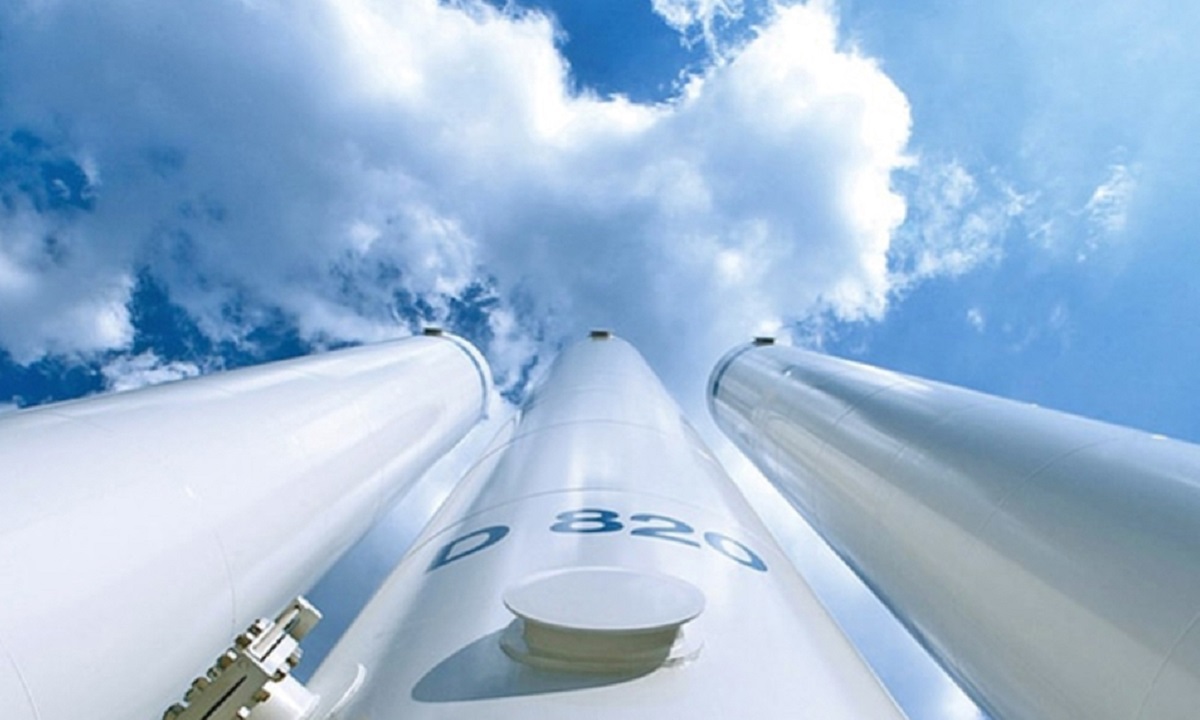
The Investment by Renewable Energy Producer Qair Will Generate About 1,650 Jobs in the Construction and Operation Phases of Green Hydrogen Plants at the Port of Suape in Pernambuco
The Port Industrial Complex of Suape, located in Pernambuco, launched a public call that will last until the next September 27 for companies interested in installing a green hydrogen plant in the state, shortly after validating the expression of interest for the project by the independent renewable energy producer Qair, formerly Lucia Group. The company expressed interest in leasing an area to produce green hydrogen at the port of Suape, Pernambuco, in March of this year, with a forecast of port movement through Suape of 40,000 tons of liquid ammonia every five days, after the four phases of the green hydrogen project in Pernambuco are completed.
Investments for the green hydrogen plants at the port of Suape, Pernambuco, are estimated at R$ 20.3 billion, and operations are expected to begin in 2025. The lease term for the area at the Port of Suape, Pernambuco (72.5963 hectares) is 25 years, with the possibility of renewal for the same period.
According to Qair’s project, the planning is for about 1,200 direct jobs to be generated during the construction phase and 450 in the operational phase of the green hydrogen plants in Pernambuco.
-
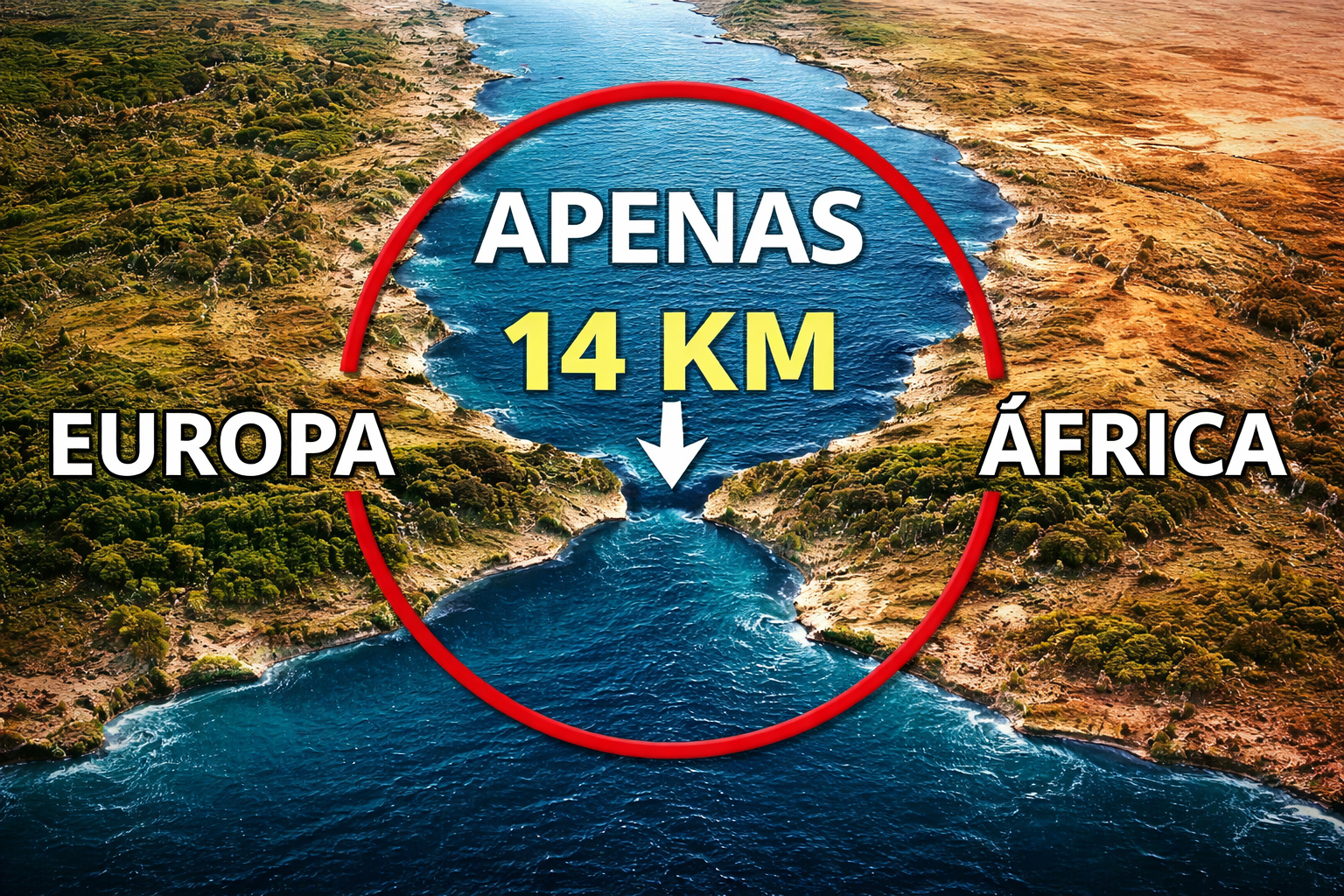
For 45 years, Spain and Morocco have been trying to connect Europe to Africa through a project of just 14 kilometers in the Strait of Gibraltar, and an active tectonic fault on the seabed continues to make the project nearly impossible.
-
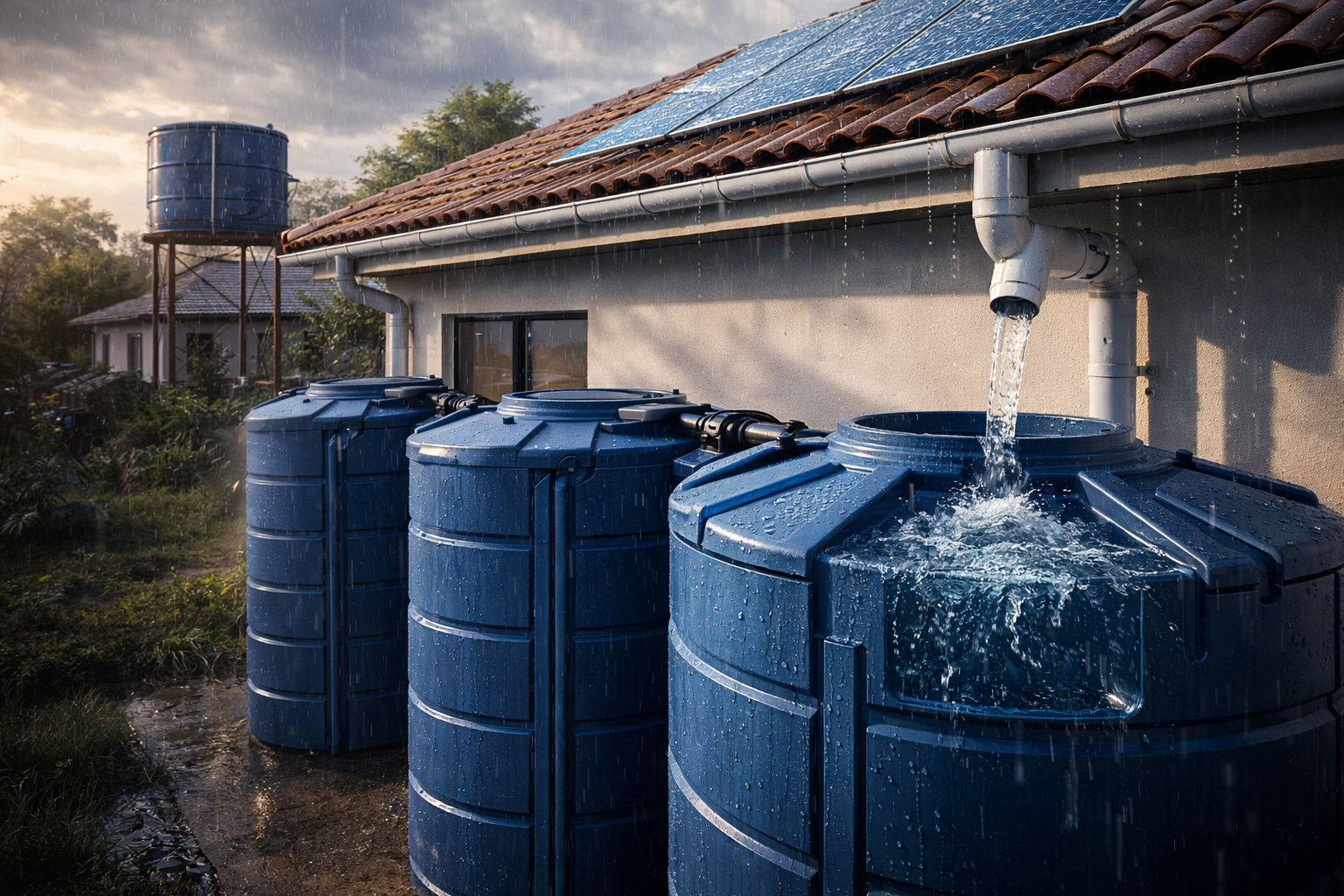
Goodbye expensive water tank: residents replace traditional system with a cheaper and more efficient solution that reduces water consumption and reuses rainwater.
-
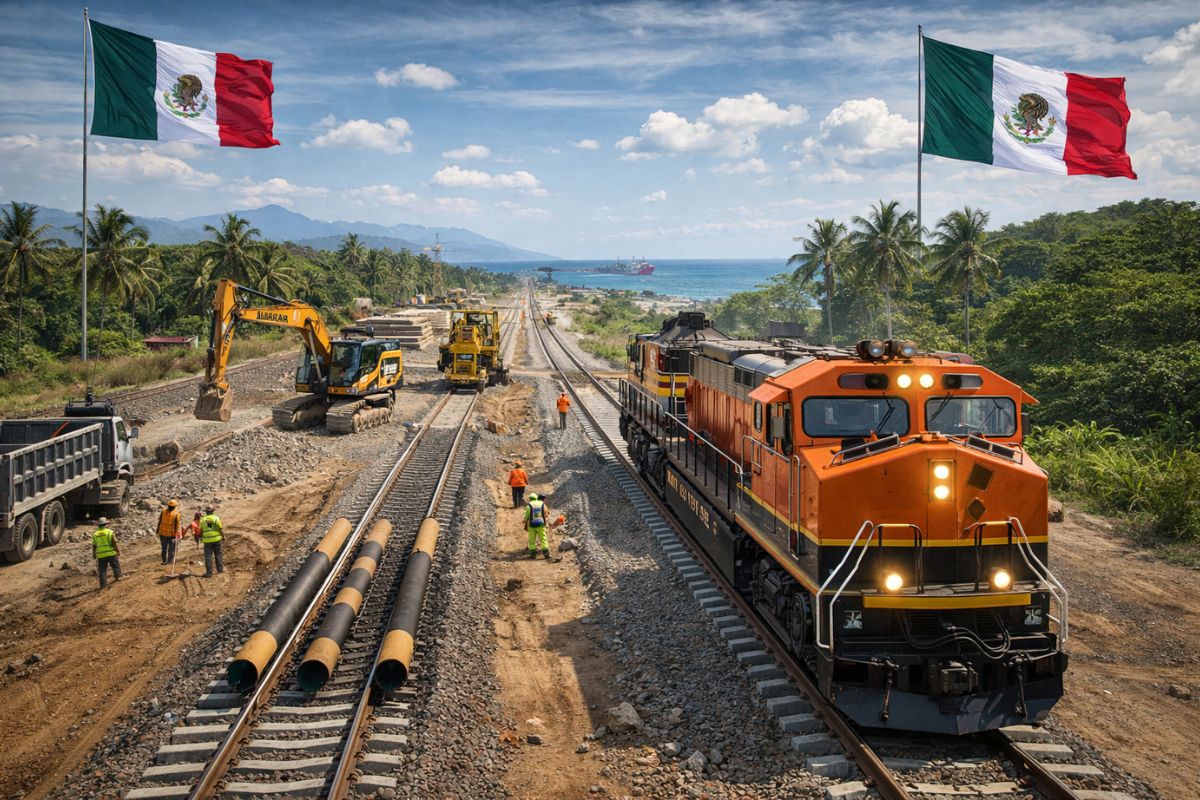
Mexico is building a 300-kilometer railway corridor that connects the Pacific to the Atlantic in just seven hours and wants to compete directly with the Panama Canal, which is already facing water scarcity issues.
-
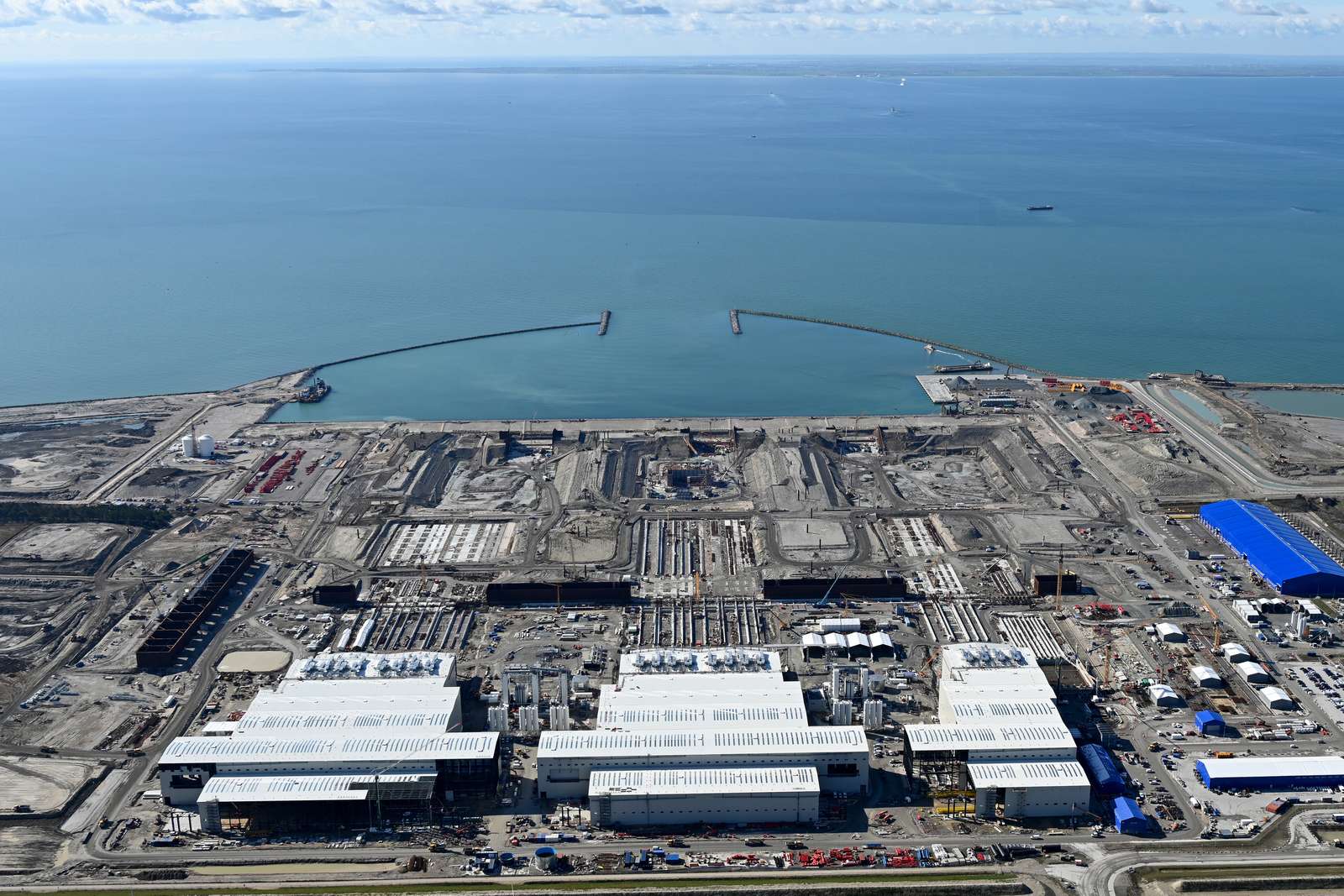
The largest tunnel module factory in the world was built from scratch on a beach in Denmark to produce 89 concrete blocks and will be demolished after the project: each structure weighs up to 10 times the Eiffel Tower and will be installed on the bottom of the Baltic Sea with an accuracy of 12 millimeters in a tunnel that will halve the travel time between Hamburg and Copenhagen.
“At the future factory in Pernambuco, H2V (green hydrogen), the fuel of the future, will be produced from the desalination of seawater,” informs the Port of Suape on its website.
The public call also encompasses two industrial units producing blue hydrogen, also in Pernambuco, from methane steam reforming, as an input for ammonia production in two other units to be installed also in Suape.
Green hydrogen is obtained through an electrolysis plant, which separates oxygen and hydrogen from water. Hydrogen is called green because the unit that develops it operates from 100% renewable energy sources.
H2V is a feedstock for many industries, especially in Europe, where it already serves as fuel for vehicles. It is also used to produce ammonia, one of the main fertilizers for agribusiness, in which Brazil ranks as one of the most important global producers.
Green Hydrogen Could Make Brazil a Leader in the Global Renewable Energy Race
For light vehicles, the shift to renewable energy alternatives lies in electric motors and batteries. However, there is an extensive range of critical activities for decarbonizing the economy to which this combo does not apply. This includes large airplanes or ships, which cannot afford to be too heavy or have the luxury of stopping to recharge along the way, and heavy industries like steel production, which depends on burning coal to produce steel. Thus, a fuel of the future is emerging that could meet all these demands: it is green hydrogen.
There are several different ways to obtain this fuel of the future; however, the most promising at present is the one that uses only water and renewable energies.
Both inputs are very abundant here, making Brazil one of the candidates to lead this new sector of the energy industry. Hydrogen, or H₂, is the most abundant element in the universe, but it is not found freely in nature. Some industrial processes are needed to separate the hydrogen molecules contained in other substances, such as water or methane gas.
It earns the classification of green when produced without the emission of greenhouse gases. The world already consumes large quantities of hydrogen, but not green hydrogen.
Currently, the main challenge is refining the technology and scaling up to mitigate the production costs of the fuel of the future. Hydrogen has various names and colors associated with its emissions, such as gray hydrogen (which emits between 11 and 13 kilograms of CO₂ into the atmosphere for every kilogram of hydrogen produced), blue hydrogen, pink hydrogen, among others.









Seja o primeiro a reagir!