





 Portuguese
  English
  Spanish
  5 min of reading
  0 comments


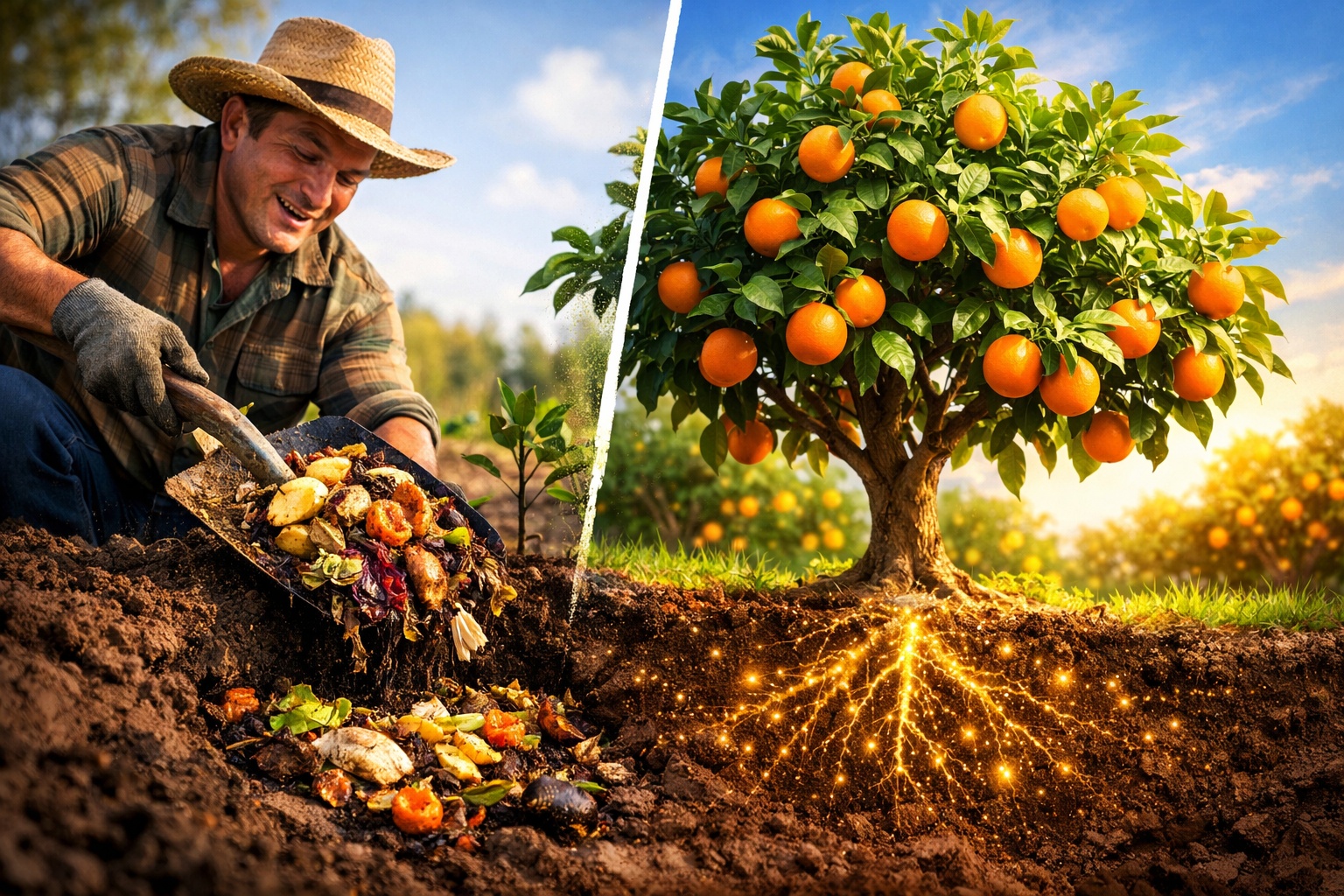
Burying Organic Matter Rich in Proteins in the Soil Is a Traditional Agricultural Practice That Supplies Nitrogen, Phosphorus, and Micronutrients to Plants. Understand How It Works, the Technical Limits, and the Necessary Care.
Burying organic matter rich in proteins in the soil as a form of fertilization is not a recent practice. Historical records show that traditional agricultural systems used this resource to enrich nutrient-poor areas. Today, the technique is gaining attention again among producers looking for alternatives to organic fertilization rich in nitrogen and phosphorus.
As it decomposes in the soil, this material releases important compounds like nitrogen, phosphorus, calcium, and micronutrients, contributing to the root and vegetative development of plants. The method is especially associated with the cultivation of fruit trees, vegetables, and perennial crops, where localized application can directly benefit the root system.
Why This Organic Matter Works as a Natural Fertilizer
The composition of this organic input is predominantly formed by proteins, lipids, and minerals. During the decomposition process, soil microorganisms transform these proteins into nitrogen compounds available to plants.
-
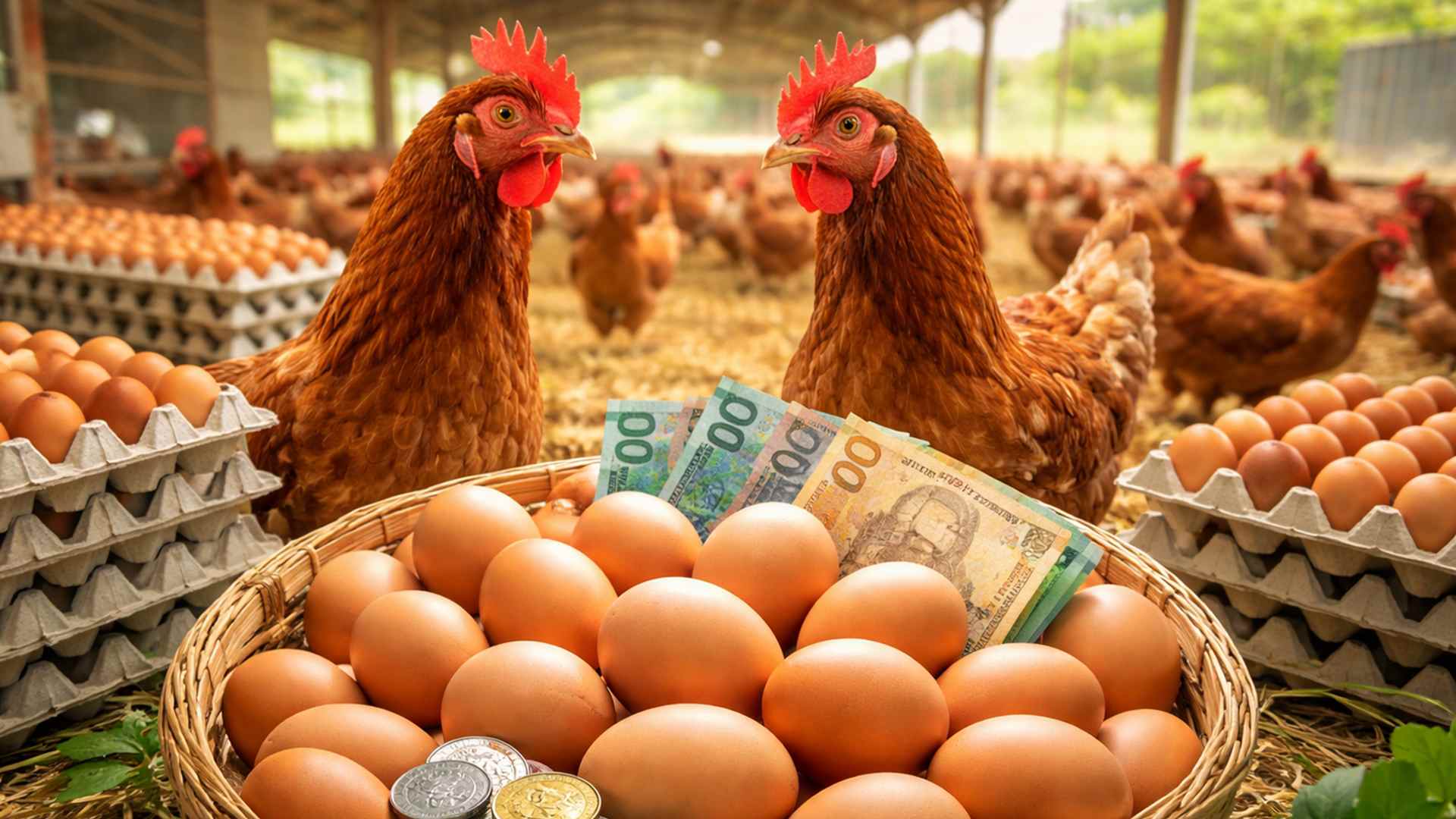
Money with chickens: how much can 200 laying hens yield per month with eggs at R$ 12 per dozen?
-
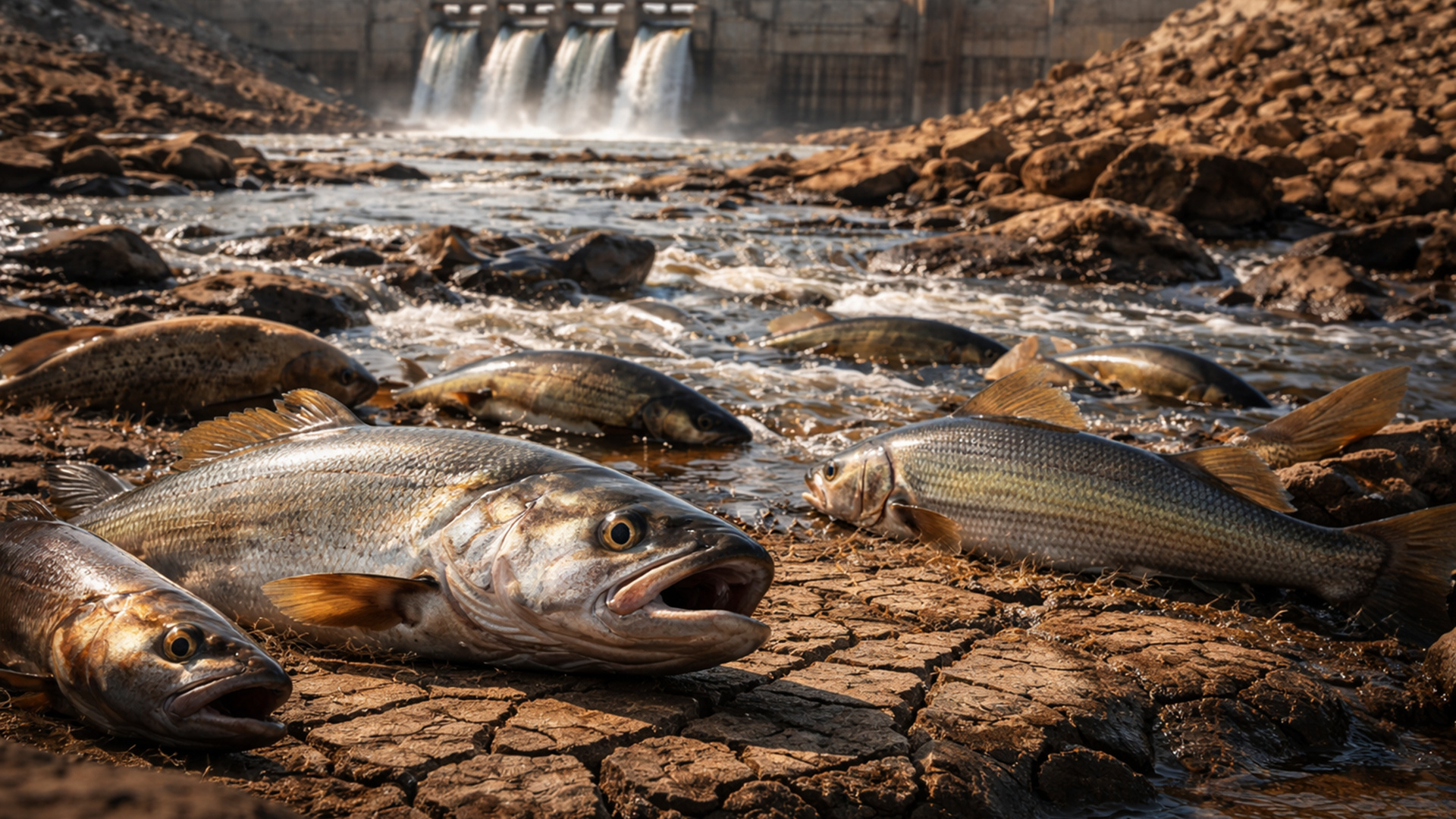
As dams and pollution advance, migratory freshwater fish are facing a silent global crisis that has already decimated populations, threatened fisheries, and raised alarms in major basins.
-
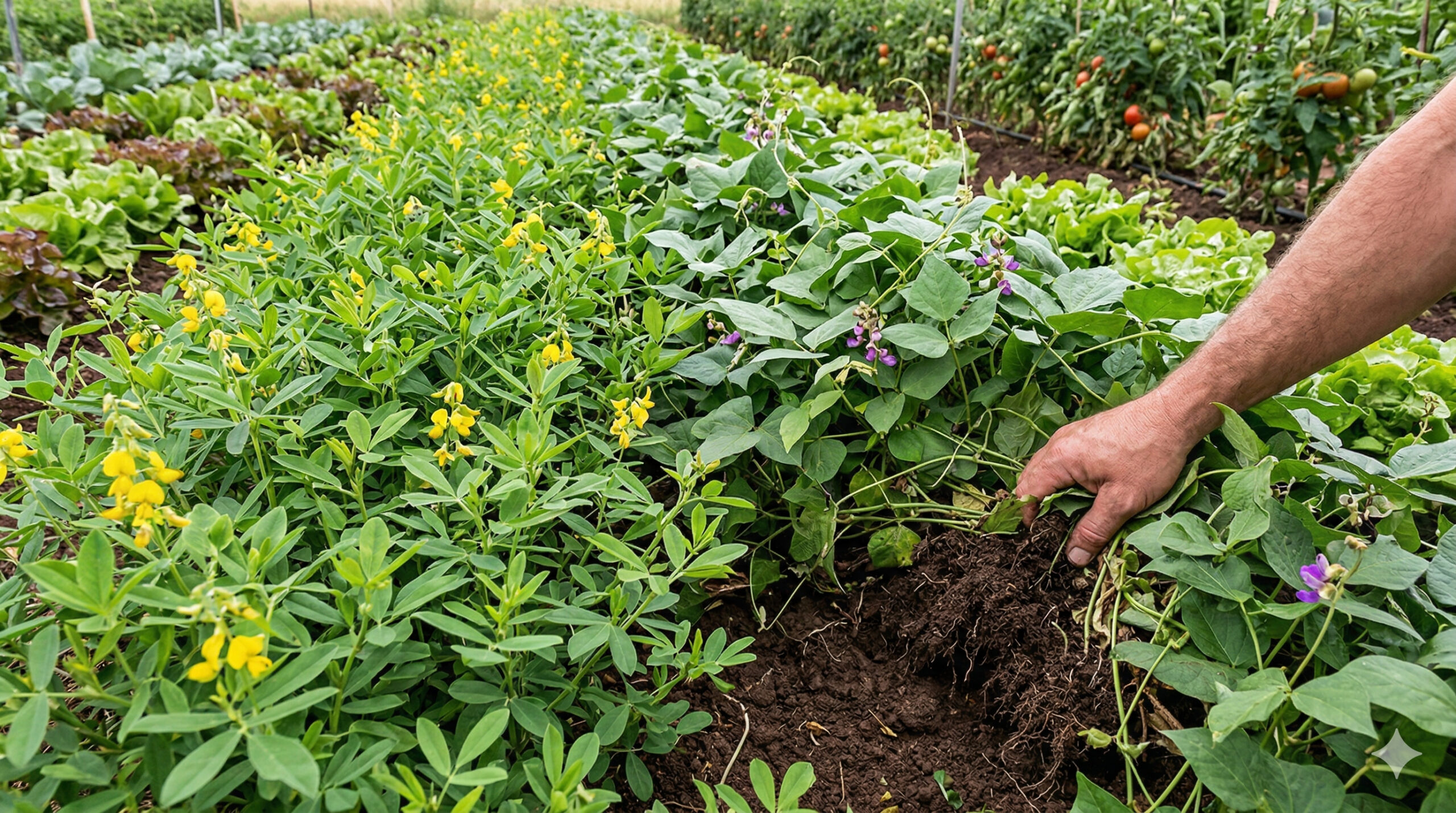
Crotalaria, mucuna, and other cover crops stop being “weeds” between harvests and become central to agriculture by improving the soil, adding biomass, and enhancing green fertilization in vegetable production.
-
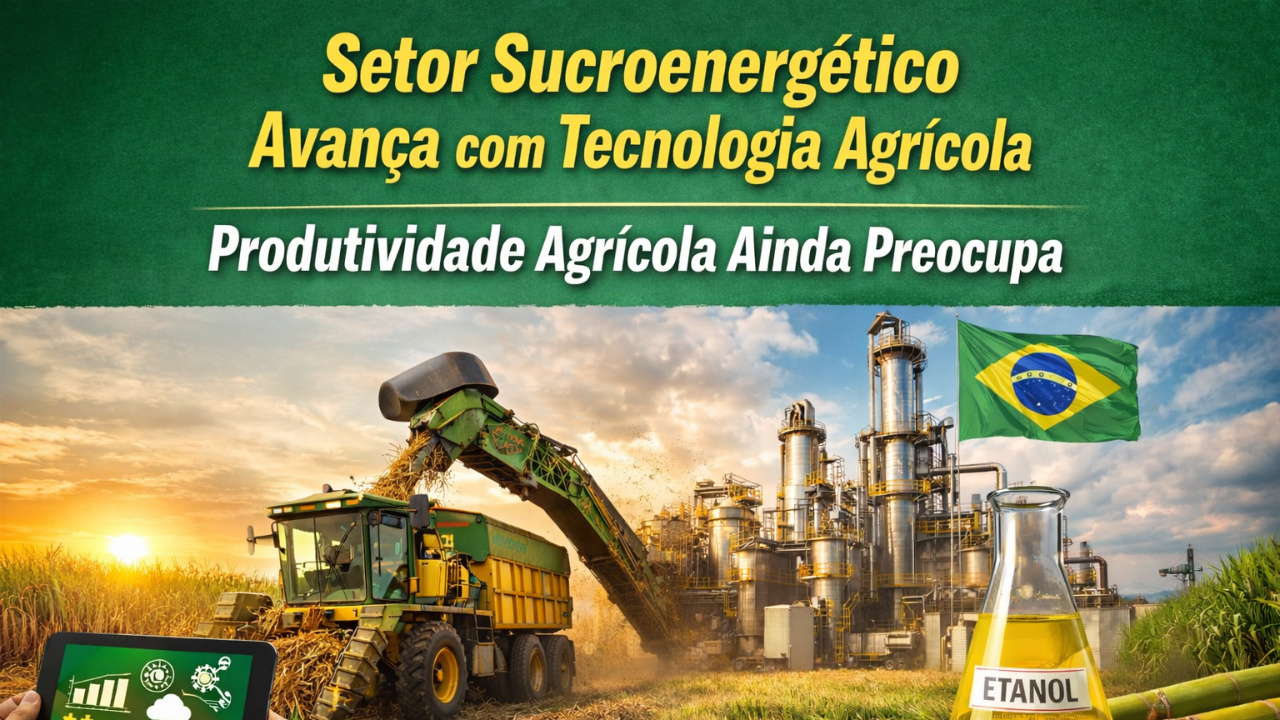
Coruripe Mill secures international financing of R$ 530 million and boosts the sugar-energy sector.

Nitrogen is one of the primary macronutrients required by agricultural crops. It is involved in the formation of chlorophyll, vegetative growth, and leaf production. On the other hand, phosphorus contributes to root development, flowering, and fruiting.

By burying this material near the root zone, gradual nutrient release occurs within the soil profile. Unlike soluble chemical fertilizers, which act immediately, the release happens slowly and progressively.
In addition, the presence of calcium and micronutrients helps maintain the nutritional balance of plants, strengthening the root system.
Historical Basis of Fertilization with Organic Protein Inputs
Historical accounts indicate that traditional peoples of North America used natural protein sources buried at the bottom of the hole before sowing corn. The principle was simple: utilize locally available resources to enrich poor soils.
The strategy also appears in records of traditional agriculture in coastal regions, where food by-products were reintegrated into the soil as a form of natural fertilization.
This practice demonstrates that organic fertilization has always been linked to the intelligent reuse of resources.
How Decomposition Occurs in the Soil
After burial, the organic material undergoes biological decomposition. Bacteria and fungi present in the soil degrade the protein-rich tissue, converting organic compounds into ammonium and subsequently into nitrate, which is the form absorbed by plants.
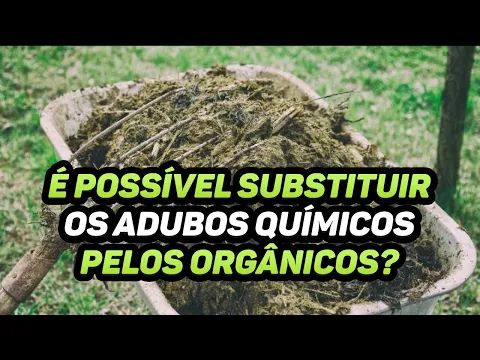

During this process, there is a temporary increase in microbial activity around the application point. The introduction of organic matter can also improve soil structure, contributing to greater water retention.
The speed of nutrient release depends on temperature and moisture. In cold or excessively dry environments, decomposition tends to be slower.
Practical Application in Fruit Trees and Vegetables
In small-scale agricultural systems, the application usually follows simple steps.
First, a hole is dug next to the seedling or mature plant. Then, the organic material is placed at a sufficient depth to avoid exposure. Finally, it is completely covered with soil.
The appropriate depth reduces odors and minimizes any external interference. The method is more suitable for plants with higher nutritional demands, such as fruit trees and demanding vegetables.
Agronomic Advantages of the Practice
Among the main benefits reported by producers are:
- Natural supply of nitrogen and phosphorus
- Gradual release of nutrients
- Utilization of organic by-products
- Partial reduction of dependence on chemical fertilizers
Decomposition also contributes to increased organic matter in the soil, favoring water retention and biological activity.
Difference Between Raw Input and Processed Flour
In commercial agriculture, flour made from protein sources is widely used as processed organic fertilizer. It offers greater control over composition, dosage, and application.
On the other hand, the use of raw input is a more artisanal practice, associated with family farms and agroecological systems.
Both share the same principle: utilize the nutritional value of organic matter rich in proteins to enrich the soil.
Necessary Technical Care
Despite the benefits, the application requires technical attention. The material must be buried deeply to avoid:
- Bad odors
- Insect proliferation
- Undesired surface exposure
Excessive use can cause temporary nitrogen imbalance in the soil, especially if decomposition is too concentrated in a single point. It is also crucial to use fresh material and avoid any type of contamination.
Limitations of the Agricultural Practice
The method does not fully replace a structured fertilization plan, especially in large-scale commercial crops.
The amount of nutrients released depends on the volume and composition of the applied material, making control less precise than industrially formulated fertilizers.
In large areas, manual application becomes logistically unfeasible.
Impact on Soil Microbiota
The introduction of organic matter rich in proteins strongly stimulates the activity of decomposer microorganisms. This increase can improve the biological dynamics of the soil and favor natural nutrient cycles.
However, excessive applications may lead to temporary imbalances, which is why use should be targeted and planned.
Sustainability and Reuse of Organic Inputs
The use of this type of input exemplifies the reuse of food by-products. By reintegrating nutrients into the soil, a biological cycle is closed locally and sustainably.
This model reduces improper waste disposal and contributes to agricultural practices with lower environmental impact.
Burying organic matter rich in proteins next to fruit trees is a practice with solid historical and agronomic basis. The method provides essential nutrients like nitrogen and phosphorus gradually, potentially strengthening plant growth when applied correctly.

However, it should be used with technical planning, respecting appropriate depth and moderate quantity. In intensive commercial systems, it is considered organic complement and not a complete substitute for a structured nutritional management.
The technique demonstrates how organic inputs can be converted into agricultural resources, integrating tradition and the principles of soil science.






-

Uma pessoa reagiu a isso.