





 Portuguese
  English
  Spanish
  4 min of reading
  0 comments


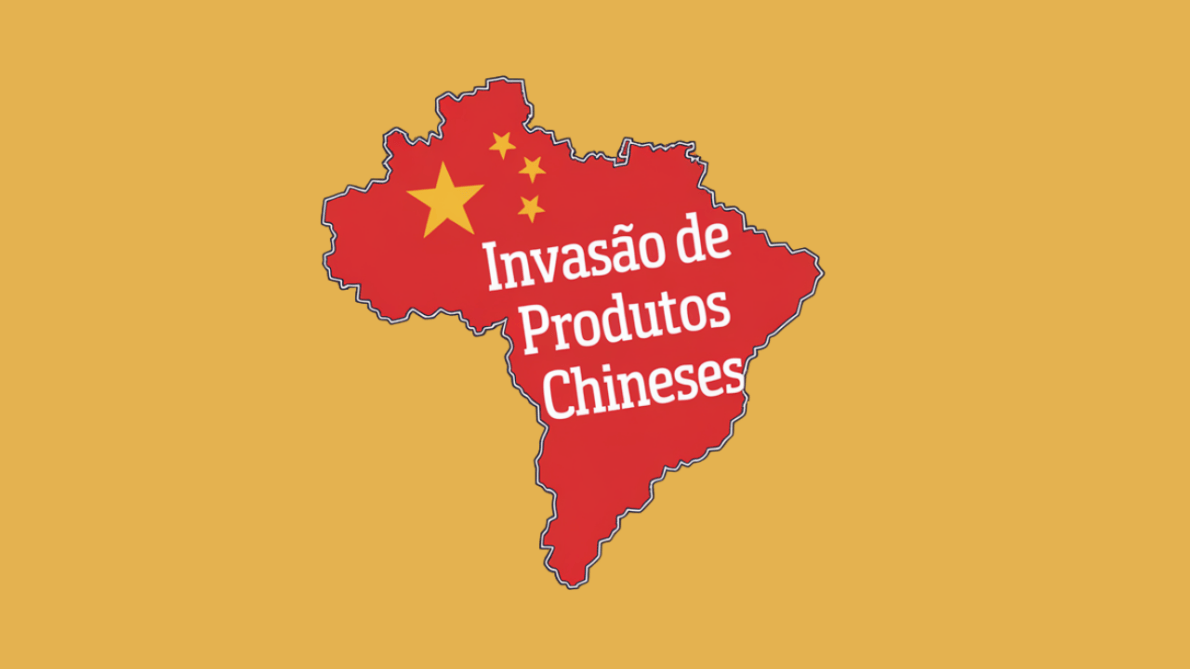
High Production Capacity, Low Prices and Strategic Approach to Brazil Mark New Phase of International Trade. Experts Indicate That the Country Needs to Prepare for the Mass Arrival of Chinese Products.
The intensification of the tariff war between China and the United States is causing a reconfiguration in international trade, and Brazil is emerging as one of the main targets for the expansion of Chinese products.
With the imposition of new tariffs by the U.S. on imported items from China, Chinese companies are accelerating their search for new markets, and Brazil is appearing as a strategic destination.
Experts warn that, in light of this scenario, the country needs to prepare to absorb this movement, ensuring competitiveness and innovation to avoid harm to the domestic industry.
-
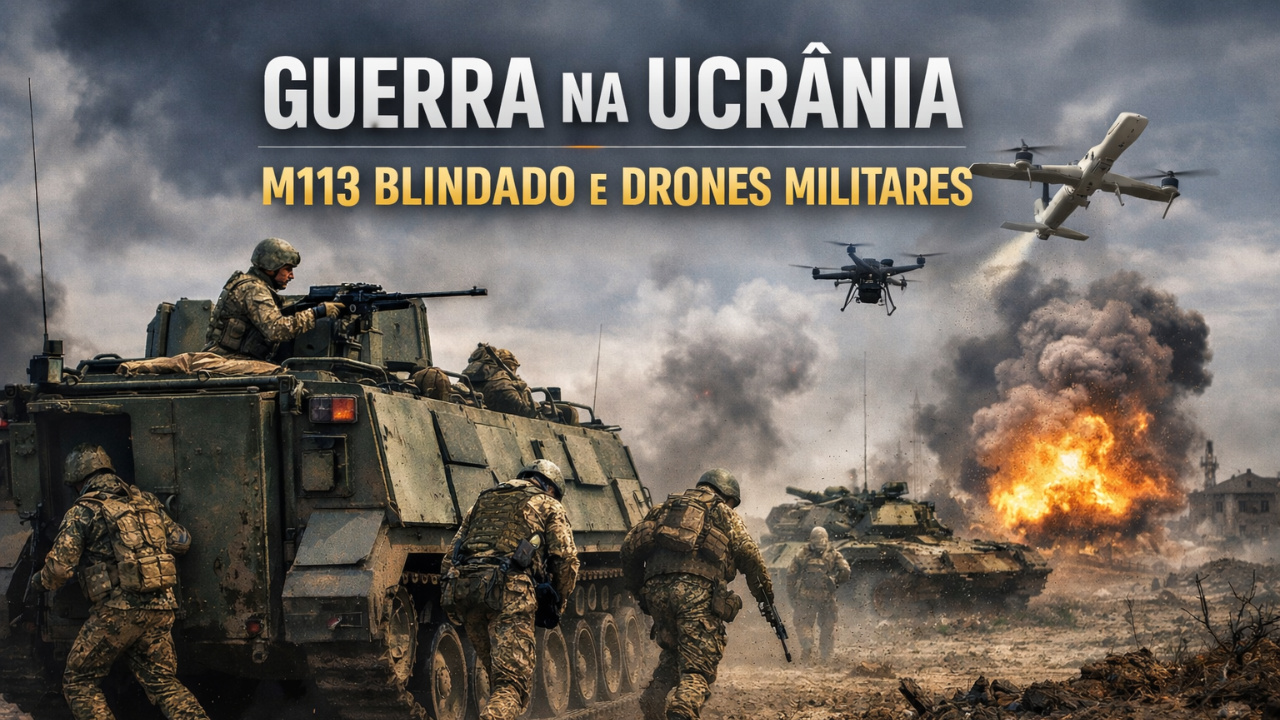
The Ukraine war exposes the strength of the M113 armored vehicle amid modern warfare with military drones.
-
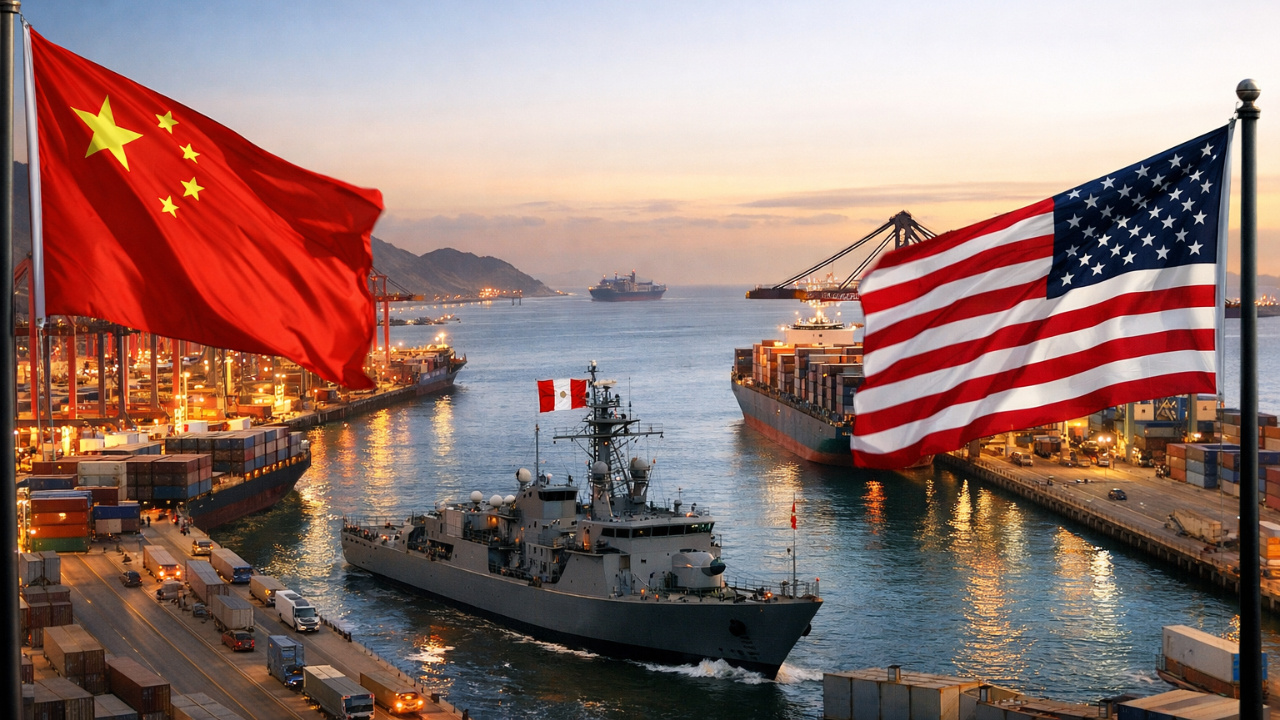
Maritime geopolitics: China and the USA compete for strategic ports in Peru.
-
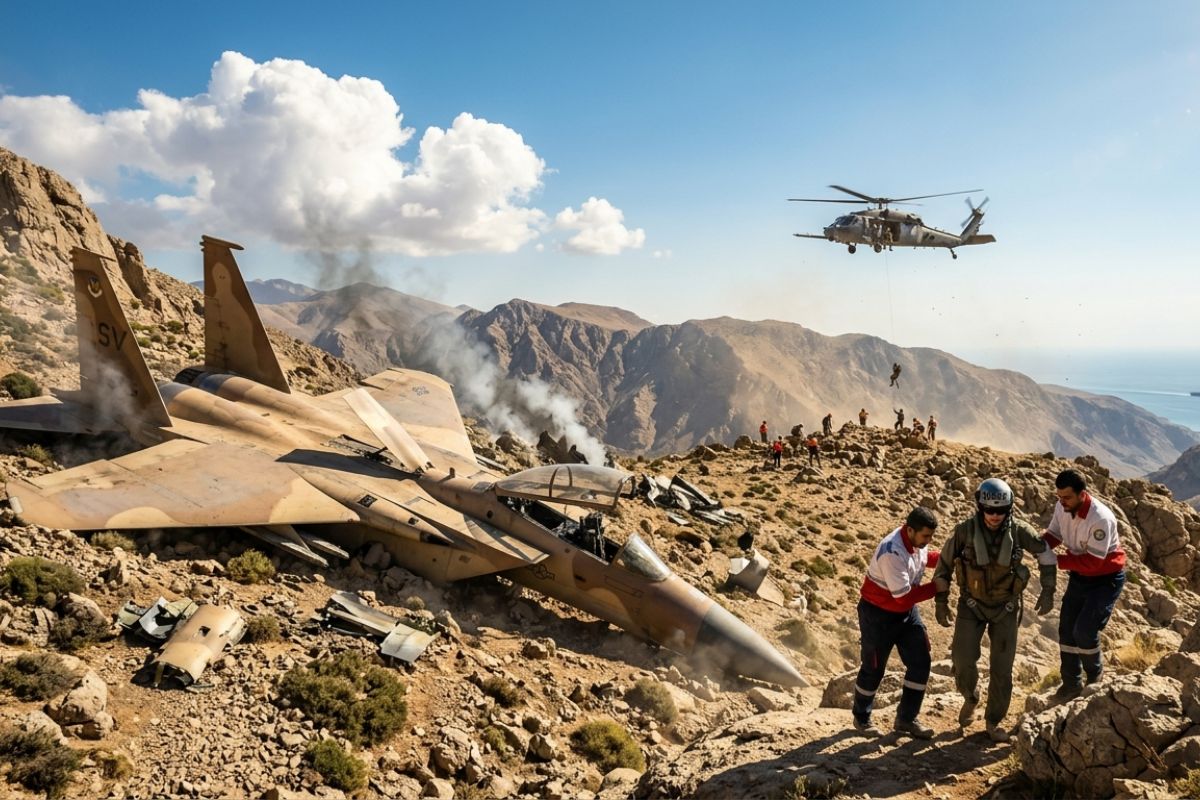
Iran shoots down two US aircraft: F-15 fighter crashes in mountainous area, one crew member is rescued and another is still missing; second crash in the Persian Gulf exposes still active air defense, says US intelligence.
-
USA and China compete for Brazil over resources that could be worth trillions — rare earths put the country at the center of a global dispute


China Sets Sights on Brazil With Increased Attention
Brazil has been viewed with great interest by China, not only for being a traditional trading partner but also because of its market potential.
With over 200 million inhabitants and continental dimensions, the country is seen as an opportunity for the entry of value-added products — mainly in sectors where China has high technological competitiveness.
According to Vitor Moura, an expert from the Observa China network and founder of the consultancy Lantau Business Answers, the tariff pressure from the U.S. has only accelerated a movement that was already underway.
Chinese companies were already looking outward, especially due to the slow recovery of domestic consumption post-Covid. The trade war has only reinforced this strategy, Moura says.
Focus on Higher Value-Added Products
Unlike what happened previously, when trade between Brazil and China was dominated by commodities and low-cost electronics, the new focus of Chinese companies is on final products with higher value added.
This includes technological items, appliances, and even industrial equipment.
What we are seeing is a very strong movement of medium-sized Chinese companies wanting to enter the Brazilian market, Moura explains. These are companies that previously relied almost exclusively on the United States and are now diversifying.
This new profile of imports requires special attention from Brazilian authorities, as the impact can be significant for sectors that still face challenges in productivity and innovation.
Obstacles and Challenges for the Brazilian Industry
Although the arrival of Chinese products brings advantages such as diversity of supply and lower prices for the end consumer, the movement also poses a challenge for the domestic industry.
The Chinese production model, highly competitive and with significant investment in cost reduction, makes direct competition challenging.
Jesse Guimarães, vice president of Bracham (Brazilian Companies Association in China for Industry, Trade, and Technology), emphasizes that action must be strategic. Brazil needs to use this movement as an opportunity for adaptation. It is not possible to compete directly on cost and scale, but we can invest in partnerships, innovation, and the tropicalization of technologies, he suggests.
Market Opening and Innovation as a Pathway
For experts, the key for Brazil not to fall behind lies in stimulating innovation and being open to strategic partnerships. Instead of treating the entry of Chinese products as a direct threat, it is possible to transform the scenario into a pathway for industrial and technological development.
This is the time to create public policies that encourage startups, small industries, and research centers. We need to prepare for a more globalized and competitive market, Moura reinforces.
Furthermore, access to foreign trade should be facilitated for Brazilian companies of all sizes, balancing the scales and allowing the country to also become an exporter of value-added products.
New Landscape of International Trade
The tariff war between the two largest economic powers in the world may be far from over, and its effects will continue to be felt in various countries.
In the case of Brazil, the mass arrival of Chinese products can represent both a threat and an opportunity, depending on how the country positions itself.
With the strengthening of trade relations with China and the arrival of new players in the national market, the scenario demands increased attention, assertive policies, and a development plan that places Brazil at the center of the new global trade route.







Seja o primeiro a reagir!