





 Portuguese
  English
  Spanish
  3 min of reading


COP26 Recently Took Place in Glasgow and Several New Innovative Projects Emerged. Among Them Is One That Aims to Transform CO2 into Synthetic Fuels Using Solar Energy, Reducing Pollutant Emissions by Up to 90%
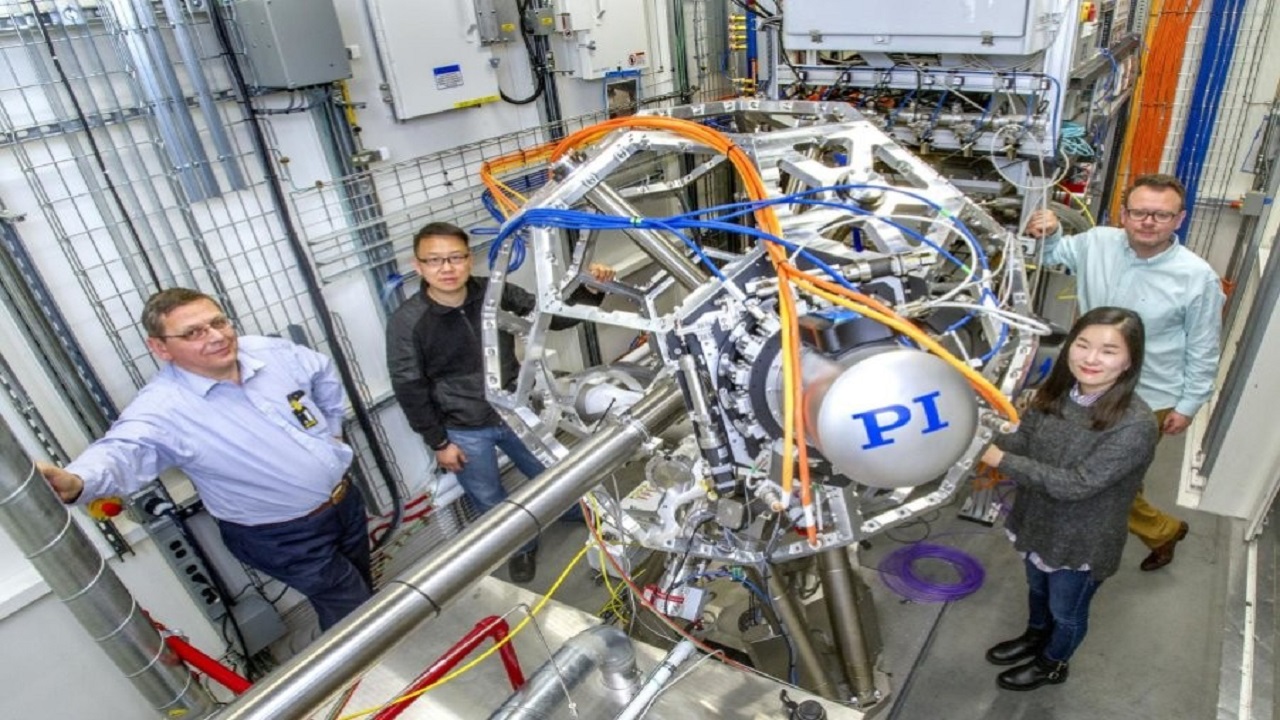
Since 1999, the Energy Globe World Award has been organized by the Austrian Energy Foundation to select the best environmental project of the year. This year, the winning project was presented during COP26 in Glasgow, winning the competition among projects submitted from 182 countries. One of the winners in the Fire category was Spain, with a project that utilizes the CO2 emitted into the air and converts it into synthetic fuels using only solar energy. The project presented at COP26 estimates a reduction in CO2 emissions of over 90%.
Read Also
Understand the Details Behind the Project That Promises to Generate Synthetic Fuel Through Solar Energy


The project allows the result of the process that uses solar energy to be converted into synthetic fuels such as kerosene and methanol, being, by the principle of its processing into fuel, neutral in regards to CO2 emissions.
The fuel generated by the solar energy project presented at COP26 can be applied in aviation and also in ships, eliminating the need for polluting fuels. The great advantage is that it takes advantage of the CO2 emission, which contributes to global warming, and replaces fossil fuels with synthetic fuels. The system consists of two reactors and a solar energy center.
-
The Sol do Agreste Photovoltaic Complex begins operations in Pernambuco and accelerates the expansion of solar energy in Brazil, directly impacting the reduction of emissions and strengthening the sustainable energy matrix.
-
Renewable energy advances over protected areas in Brazil, and a survey by the Energy Transition Observatory reveals silent impacts that challenge environmental conservation and pressure sensitive traditional territories.

-
The Economist states that Brazil has a “secret weapon” against expensive oil and highlights how the country can reduce economic impacts even in international scenarios of high volatility.

-
Rio Grande do Sul accelerates energy transition: State invests in renewable technologies and consolidates decarbonization strategies and pathways to attract billions in new industrial investments.


One reactor captures the CO2 present in the air and water vapor, which are taken to the second reactor. At this stage, the captured materials go through a conversion phase into hydrogen and carbon monoxide, generating a gas called Syngas.
This gas is sent to a chamber that generates a reaction through a copper catalyst, converting it into synthetic fuels such as methanol or kerosene.
Engineers from Switzerland Create Aviation Kerosene Using Solar Energy
Engineers from Switzerland also developed a similar project using solar energy, but this time focused solely on aviation. The researchers’ plant is also used for the production of synthetic fuels.
In this process, the CO2 and water extracted from the air are broken down by solar energy, generating kerosene, methanol, and hydrocarbons. The solar plant’s tests began in 2019, and the team has now completed the evaluation of production costs and technical verification.
Discover Other Projects Approved at COP26
In total, the edition featured over 3,000 projects from 187 countries, with only 25 finalists being highlighted. The projects are already being implemented and offer solutions to existing everyday challenges.
The award is given in five different categories: Earth, Air, Fire, Water, and Youth. Check out the winners from this year below:
- Youth – “Plastic Waste Recycling in Hau Giang” Project from Vietnam
- Air – “Be Hydro Hydrogen Dual-Fuel Engine” Project
- – Belgium “Norsepower Rotor Sails” Project
- – Finland. Earth – “ECO Food Dehydrator” Project
- – Egypt. Fire – “Future Energy System – Electric Thermal Energy Storage” Project
- – Germany “SUN-to-LIQUID” Project
- – Spain “UniWave200 King Island Wave Energy Project”
- – Australia Water – “Watershared Bank: Financing the Conservation of Water Factories in the Tropical Andes” Project









Seja o primeiro a reagir!