





 Português
  Inglês
  Espanhol
  4 min de leitura
  15 comentários


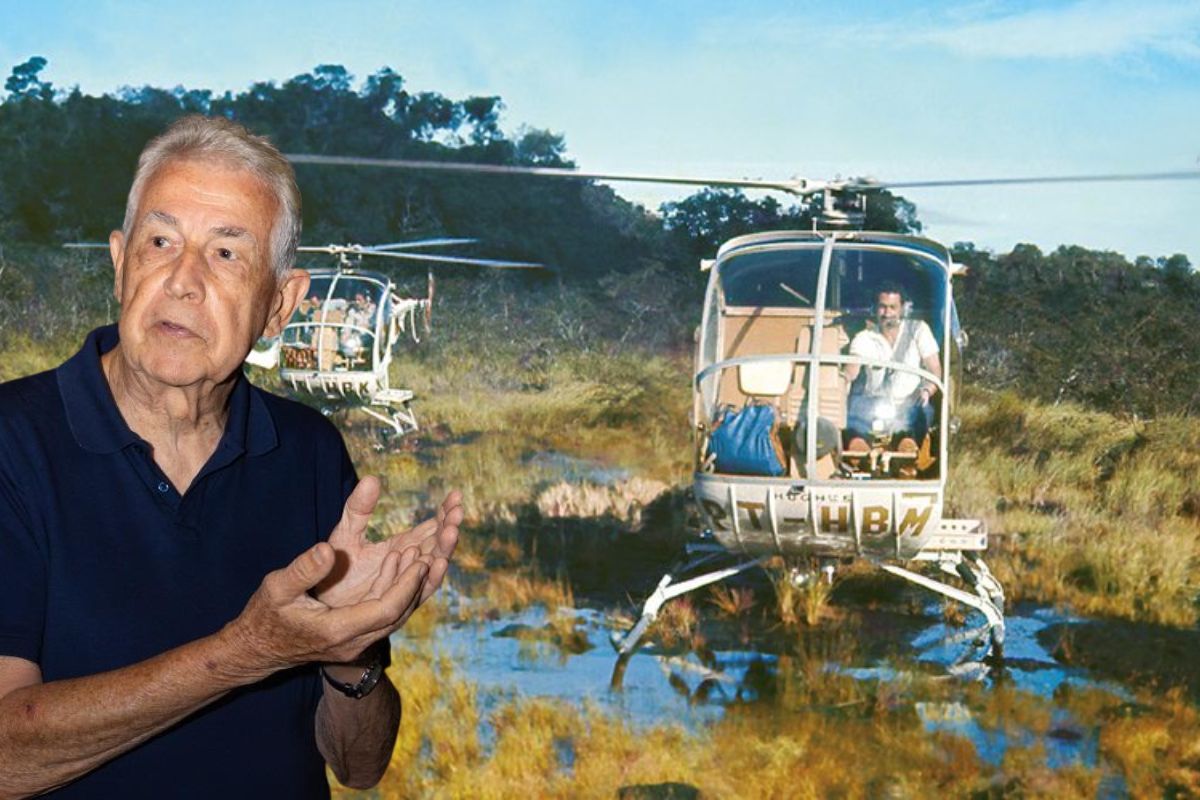


Accidental Discovery in 1967 Revealed Immense Mineral Wealth in the Amazon, Leading to the Carajás Project, a Landmark of Mining and Infrastructure in Brazil.
Can you imagine a planned village in the middle of the Amazon Rainforest? Its story is linked to the discovery of unimaginable mineral wealth: the Carajás Project. It all began in 1967 when a team was searching for manganese in the region and stumbled, almost by chance, upon the largest iron mine in the world.
The Search for Manganese and the Unexpected Discovery of Iron
In 1967, US Steel initiated a project for exploration in the Amazon. The goal was to find manganese for its steel mills in the US. The team was led by American geologist Bennie Tolbert and included Brazilian geologists like Breno dos Santos. They explored the dense and little-known Amazon rainforest.
The team noticed large clearings in the vegetation. On July 31, 1967, during a landing to refuel the helicopter at Serra Arqueada, Breno dos Santos decided to investigate. Upon striking a rock, he noticed the reddish dust (hematite) indicated it was high-quality iron ore, not manganese.
-
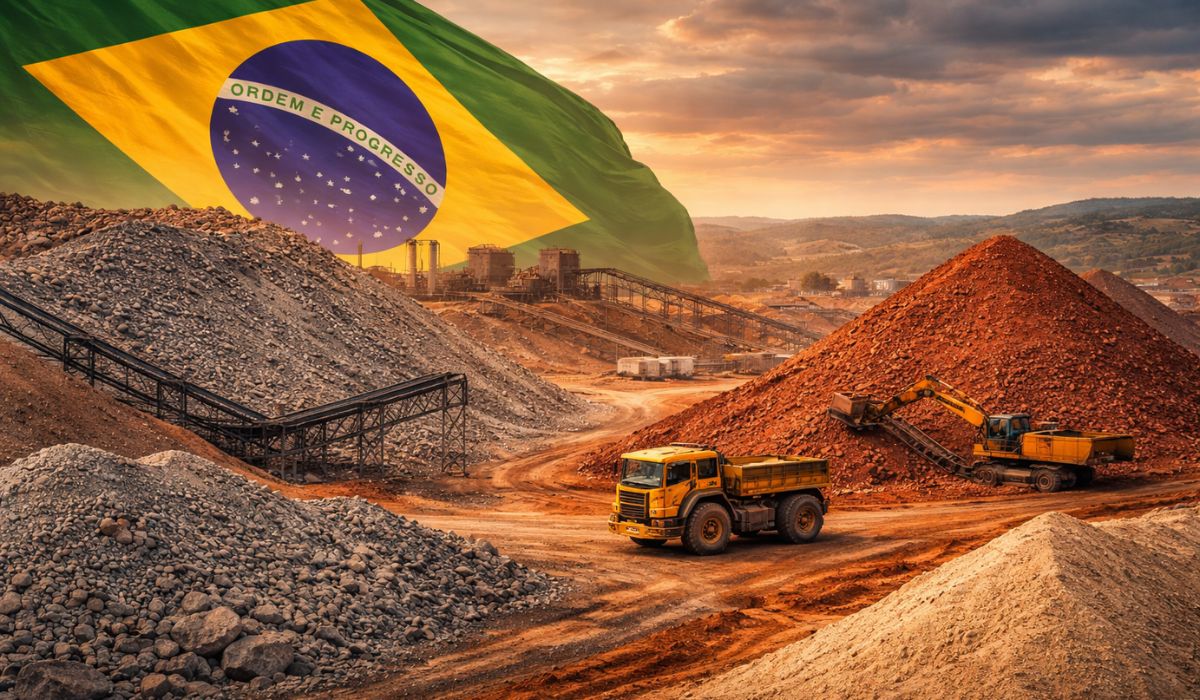
Brazil extracts 26.3 million tons of ore from what was previously treated as waste, transforming residues into wealth, producing over 3 million tons of sand, and demonstrating how national mining is relearning to generate value.
-
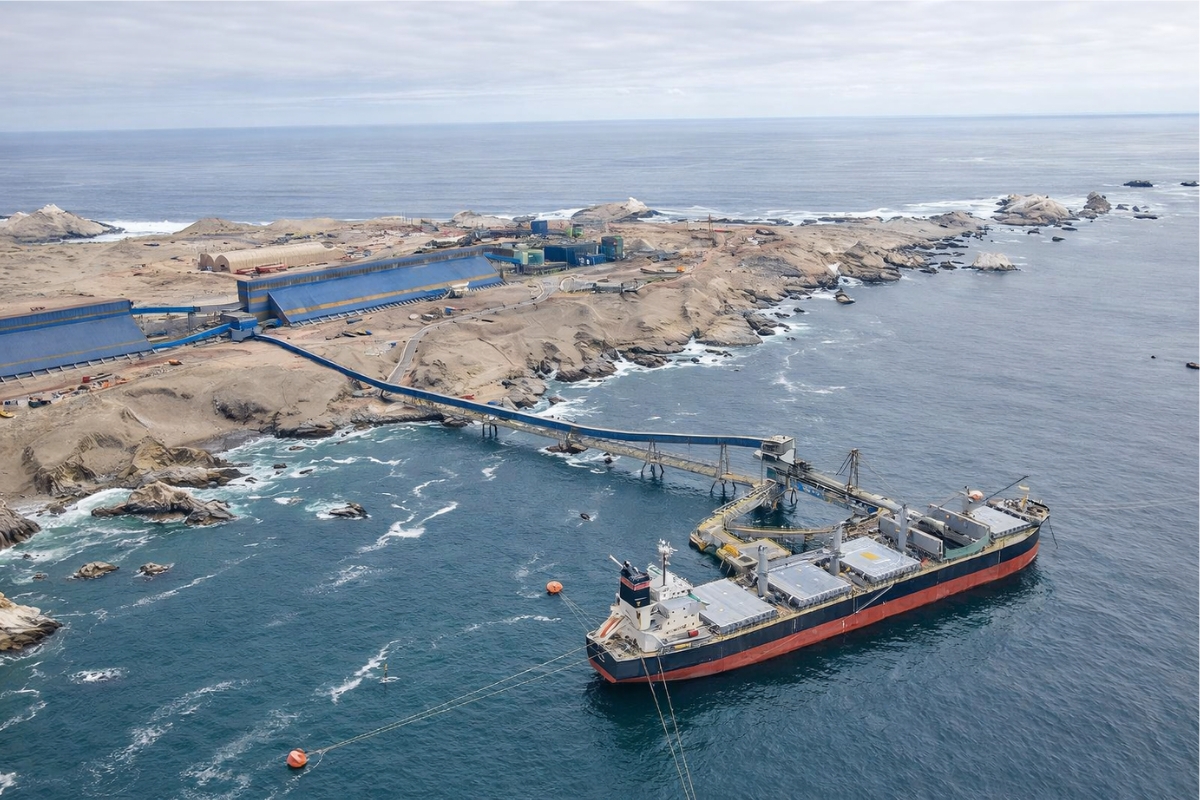
A $3.5 billion megaproject in Latin America pumps desalinated seawater at 1,050 liters per second over 194 km to keep a copper supermine in the Andes operational for another 20 years.
-
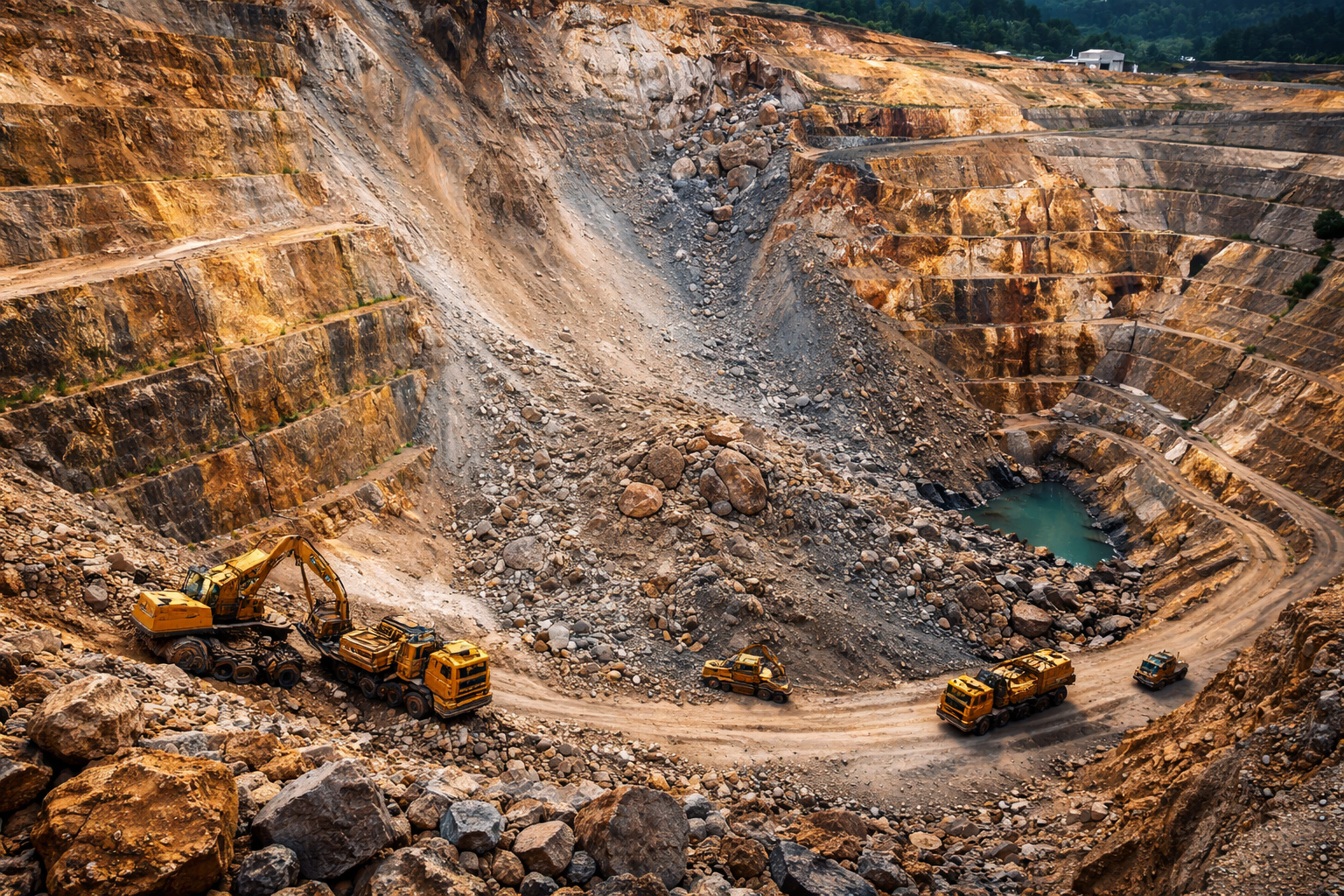
A hidden mine in the Andes valued at nearly R$ 1 trillion is starting to attract global attention, containing copper, gold, and silver, and raises an intriguing question: why do Argentina and Chile need to act together to exploit this gigantic wealth?
-
A silent discovery in the interior of Bahia could change the future of energy in Brazil: a uranium reserve in Lagoa Real has an estimated capacity to produce 400 tons per year and is already attracting the attention of energy sector specialists.
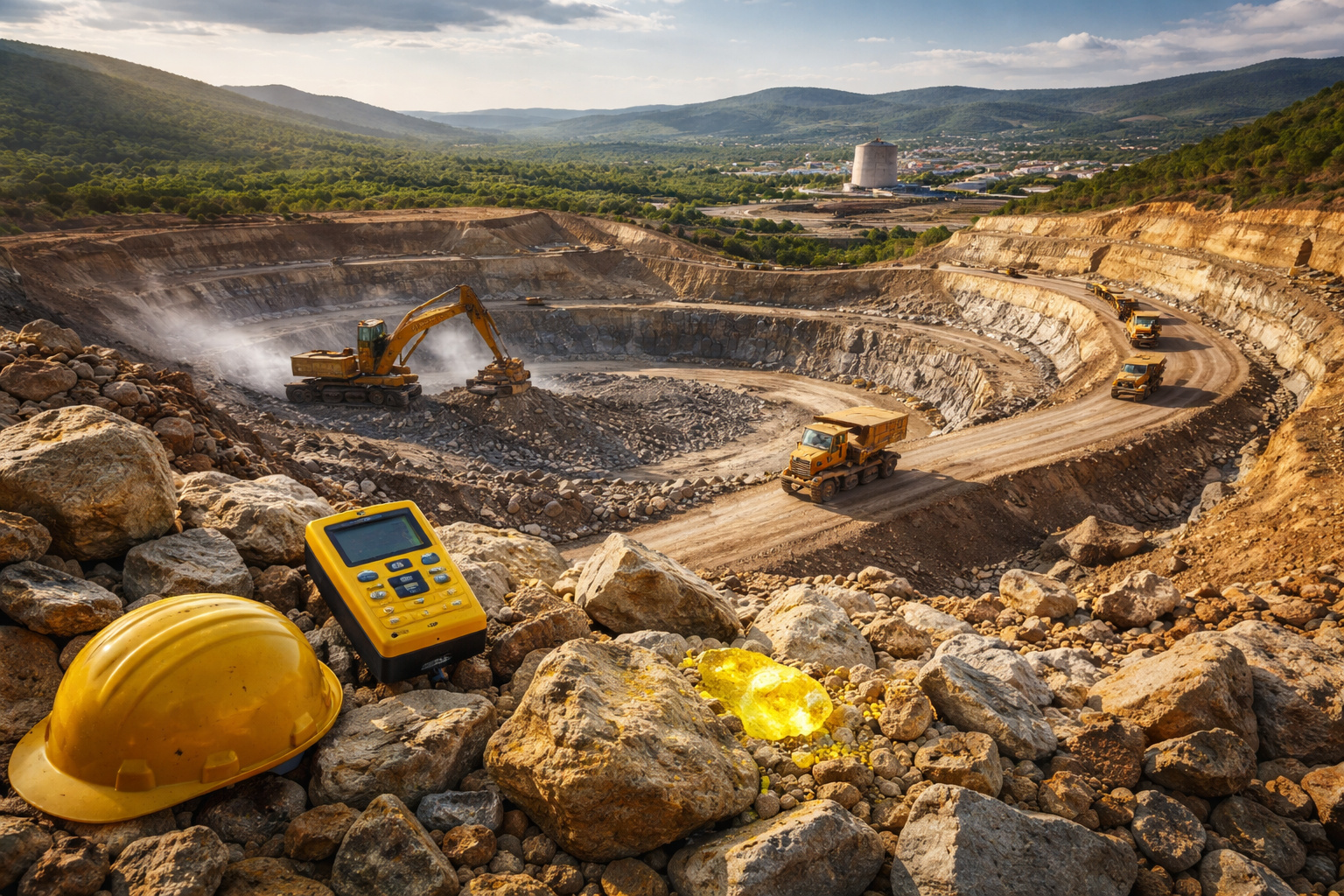

The Dimension of Wealth: Far Beyond Iron
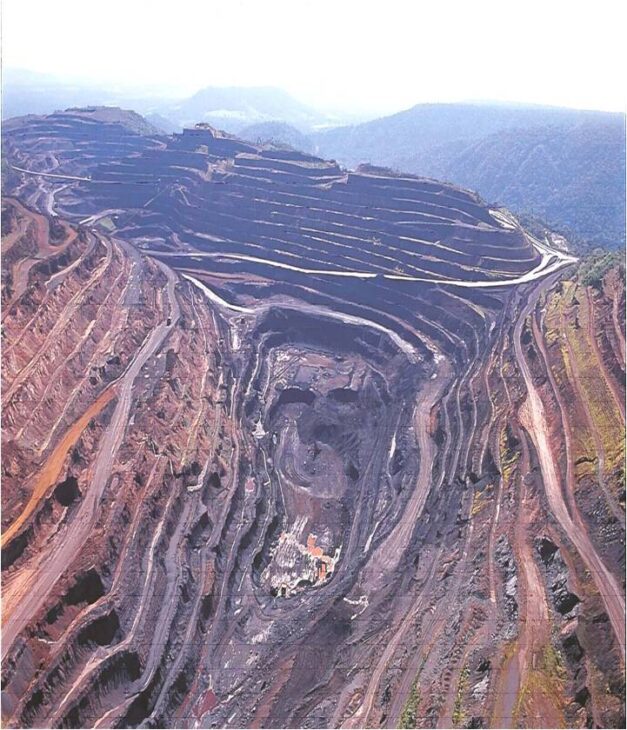
The initial discovery generated a dream: what other clearings also contain iron ore? The following month, the team confirmed it. The North and South mountains of Carajás held vast reserves. Leader Bennie Tolbert felt exhilarated but then tense upon realizing the magnitude of the discovery. He commented that his company (US Steel) would not have the political capacity to control something so large on its own.
In September 1967, manganese was also found in the Serra de Buritirama. Subsequent research confirmed the existence of bauxite, copper, nickel, and gold, establishing Carajás as one of the richest mineral provinces on the planet.
The Race for the Concession and the Vale-US Steel Partnership
After the discovery, a race began to secure exploration rights. Meridional, a subsidiary of US Steel, filed requirements with DNPM (National Department of Mineral Production). To cover a vast area of nearly 200 thousand hectares, it obtained 31 individuals (fronts), since the limit was 5 thousand hectares per person.
The DNPM director witnessed a maneuver and envied auditors, including a geologist from the state-owned Companhia Vale do Rio Doce (CVRD, now Vale). This led to the creation, on April 15, 1970, of Amazônia Mineração SA (AMSA). It was a joint venture between Vale (with 51% of the shares) and US Steel (with 49%). (In 1977, Vale would buy US Steel’s stake, becoming the sole owner).
Research and Implementation of the Carajás Project
An intensive research phase occurred between 1970 and 1973. A pioneering camp (N1), dubbed the “first capital of Carajás,” was set up for over 200 men. The final report, more than 1500 pages long, details the wealth of the province. With the confirmed data, the implementation of the Carajás Project began. This involved building massive infrastructure in the middle of the jungle.
A temporary village (N5) was erected to support the works. The Carajás Railway (EFC), about 900 km long connecting the mine to the port in Maranhão, was inaugurated in 1985. The Urban Core of Carajás, a town designed for workers and their families, was completed in 1986.
Life in the Carajás Project and the Royal Visit
The life of the pioneers in the Carajás Project was challenging but structured. The N1 camp is now reclaimed by nature. The N5 village served as a base during construction. The Urban Core provided housing, schools, a club (Clube Doce Norte), a hospital, a movie theater, and a shopping center. Children grew up in contact with the Amazonian nature.
In 1991, the Carajás Project received a high-profile visit: Prince Charles and Princess Diana of the United Kingdom. They toured the facilities, the school, and the zoo-botanical park, and planted a chestnut tree as a marker of the visit, highlighting the project’s environmental preservation efforts.
Carajás Project: The Legacy of a Transformative Discovery
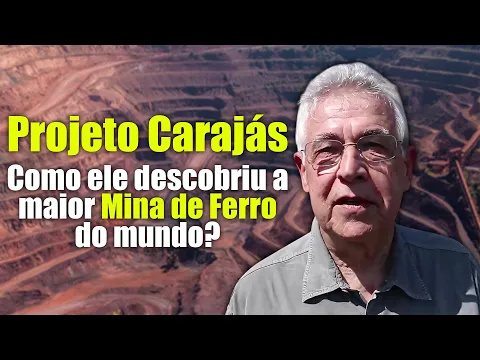

The Carajás Project transformed the region and Brazilian mining. The accidental discovery led to the exploration of one of the largest and most diverse mineral reserves in the world. The infrastructure created, such as the Carajás Railway, remains vital for the evacuation of production. The Urban Core of Carajás stands as a town in the heart of the Amazon. The project left a legacy of economic development but also continuous environmental and social challenges in the region.








Meu pai trabalhou no inicio do projeto, instalando transportadores de minério, conta histórias desses acampamentos…
H
G