





 Portuguese
  English
  Spanish
  3 min of reading
  1 comment


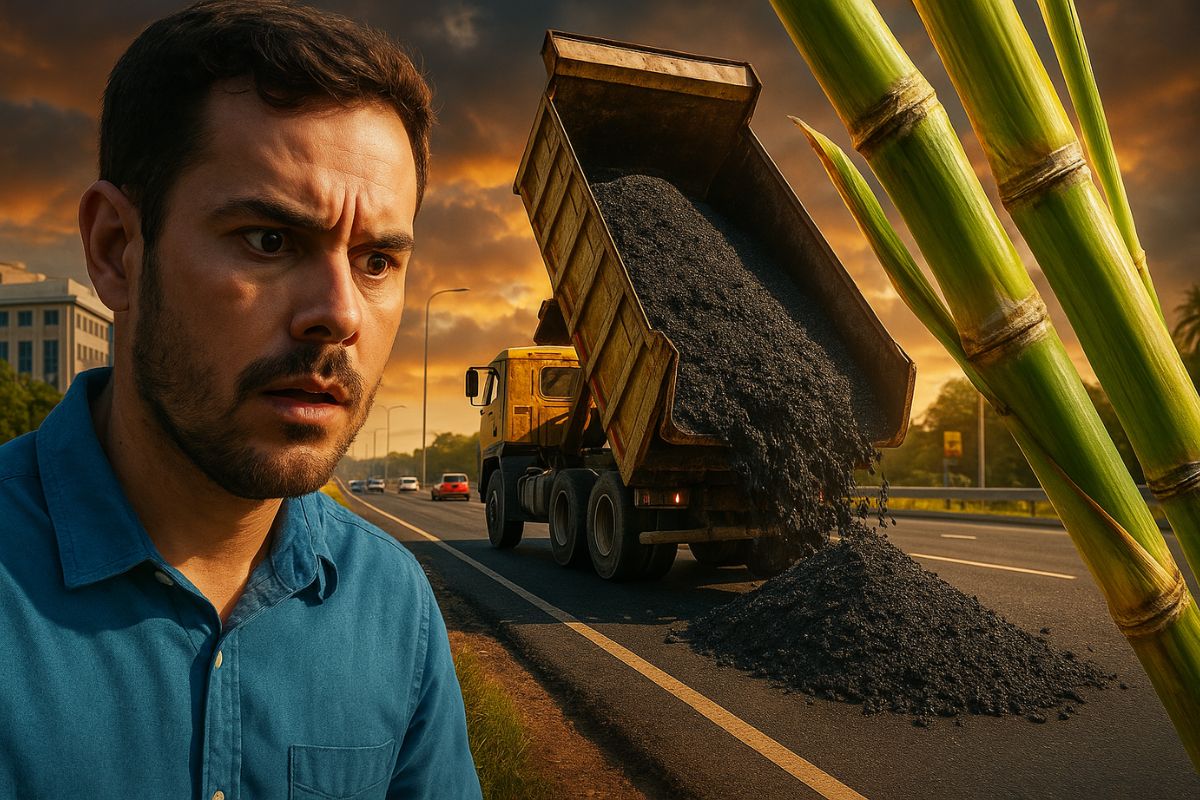


New Technology Uses Plant Bagasse to Reduce Environmental Impacts and Increase Highway Durability
The sugarcane asphalt is starting to gain space as a viable and strategic alternative for the infrastructure sector in Brazil. Based on a report from the Terra portal, the innovation uses plant bagasse as a stabilizing additive, replacing cellulose fiber derived from wood.
Besides being a more sustainable solution, the material has demonstrated high performance in practical tests, focusing on areas of heavy traffic. The use of bagasse, a byproduct of the sugar and ethanol industry, paves the way for economic and environmental gains, utilizing an abundant raw material in the country.
What Is Sugarcane Asphalt and How Does It Work
The sugarcane asphalt consists of a mixture of traditional asphalt with bagasse from sugarcane used as an additive. This component acts as a stabilizer in the composition of the SMA (Stone Matrix Asphalt) type, a pavement designed to withstand intense wear.
-
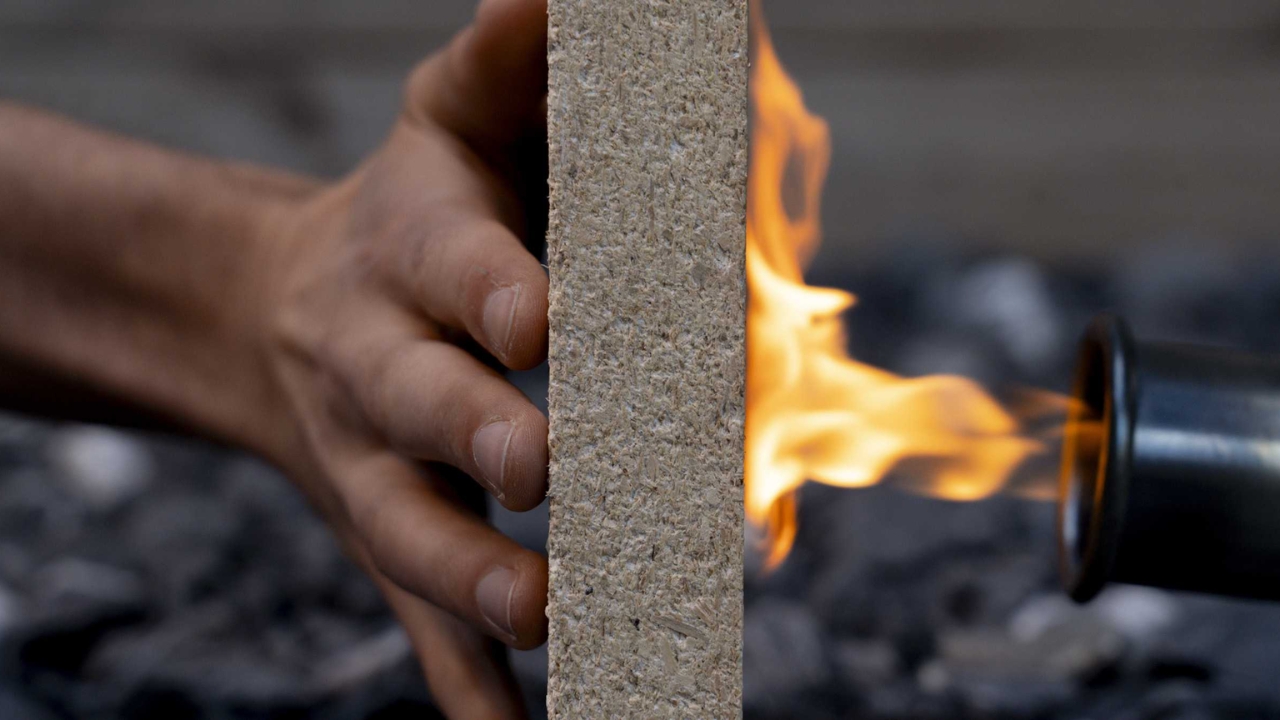
Scientists transform sawdust into fire-resistant panels, stabilize the compound with an enzyme extracted from watermelon seeds, and turn waste into promising material for construction.
-
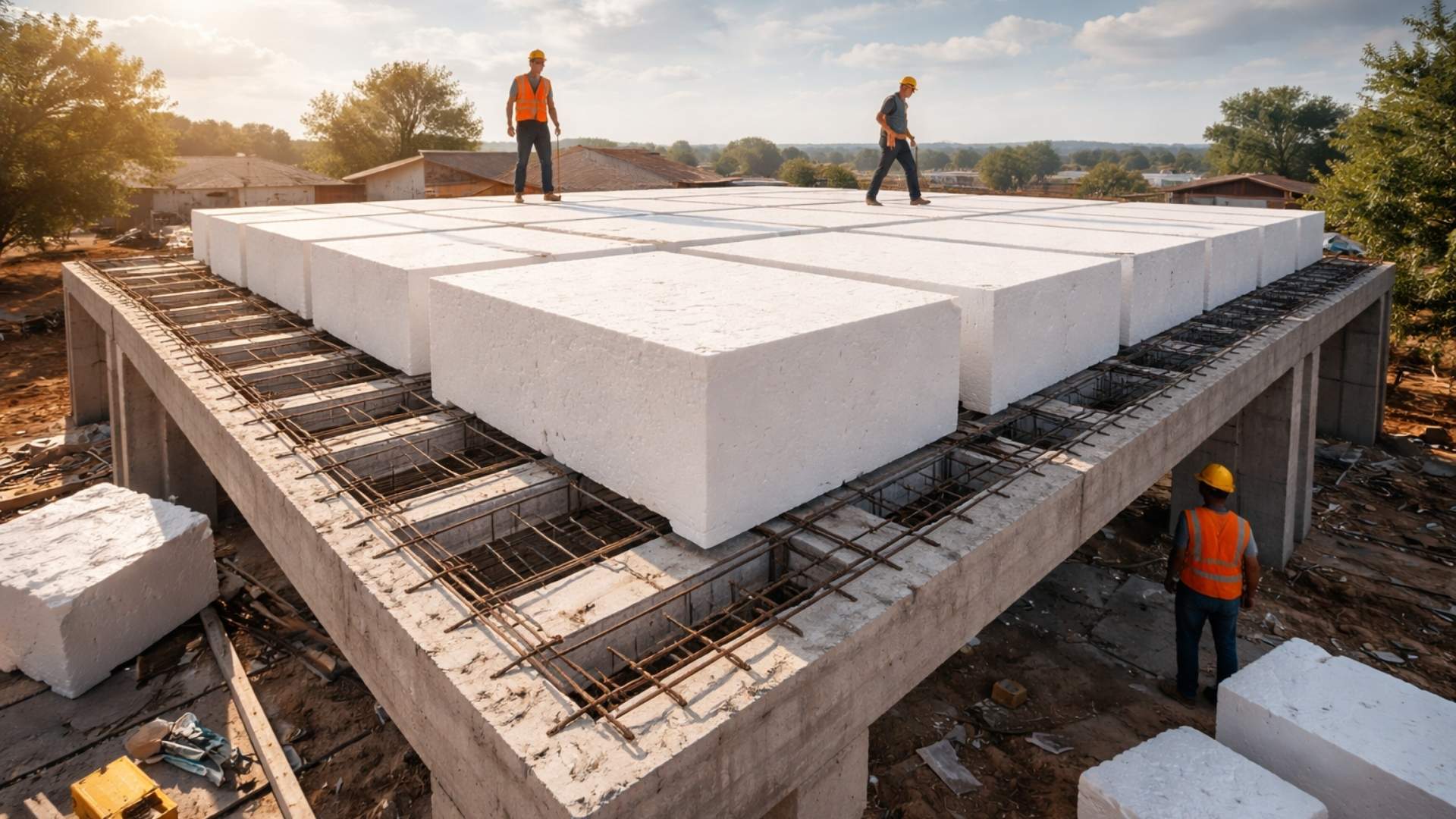
Forget concrete: architects are replacing tons of concrete with giant blocks of expanded polystyrene to build the roofs of houses and reduce structural weight by up to 50%, cut costs, improve thermal insulation, and speed up construction.
-
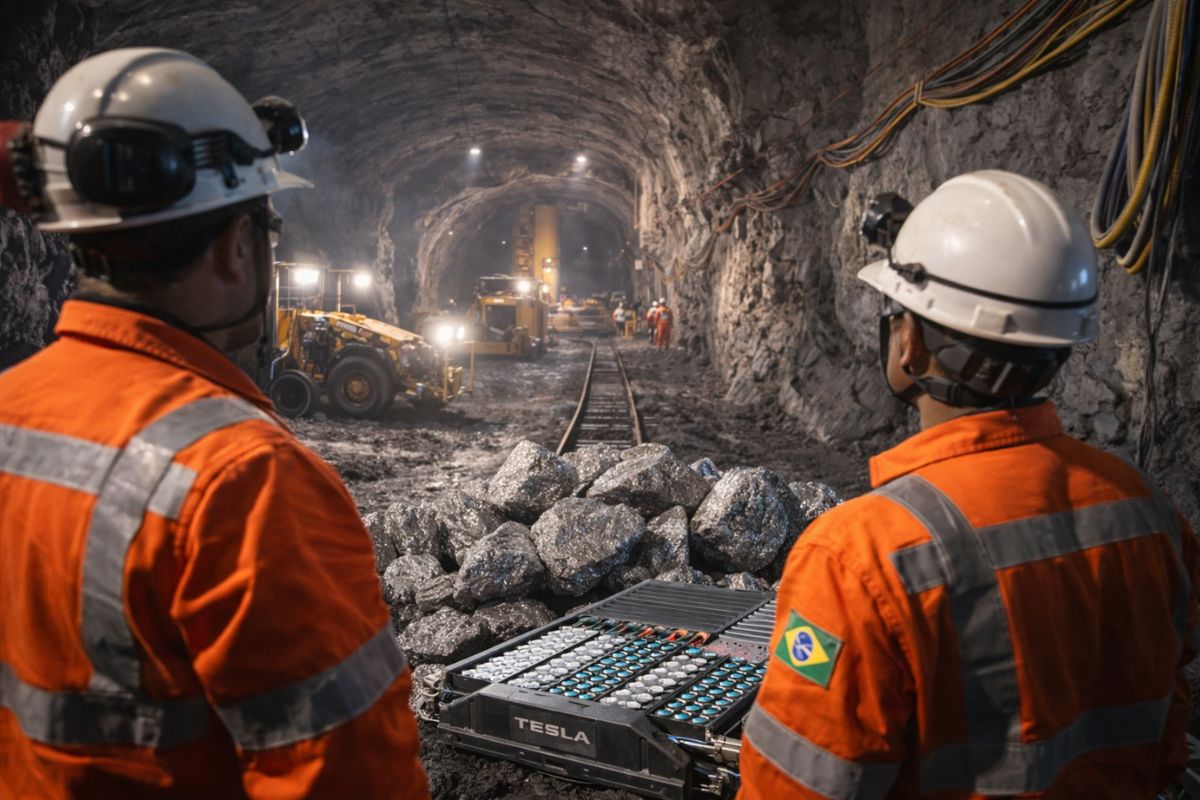
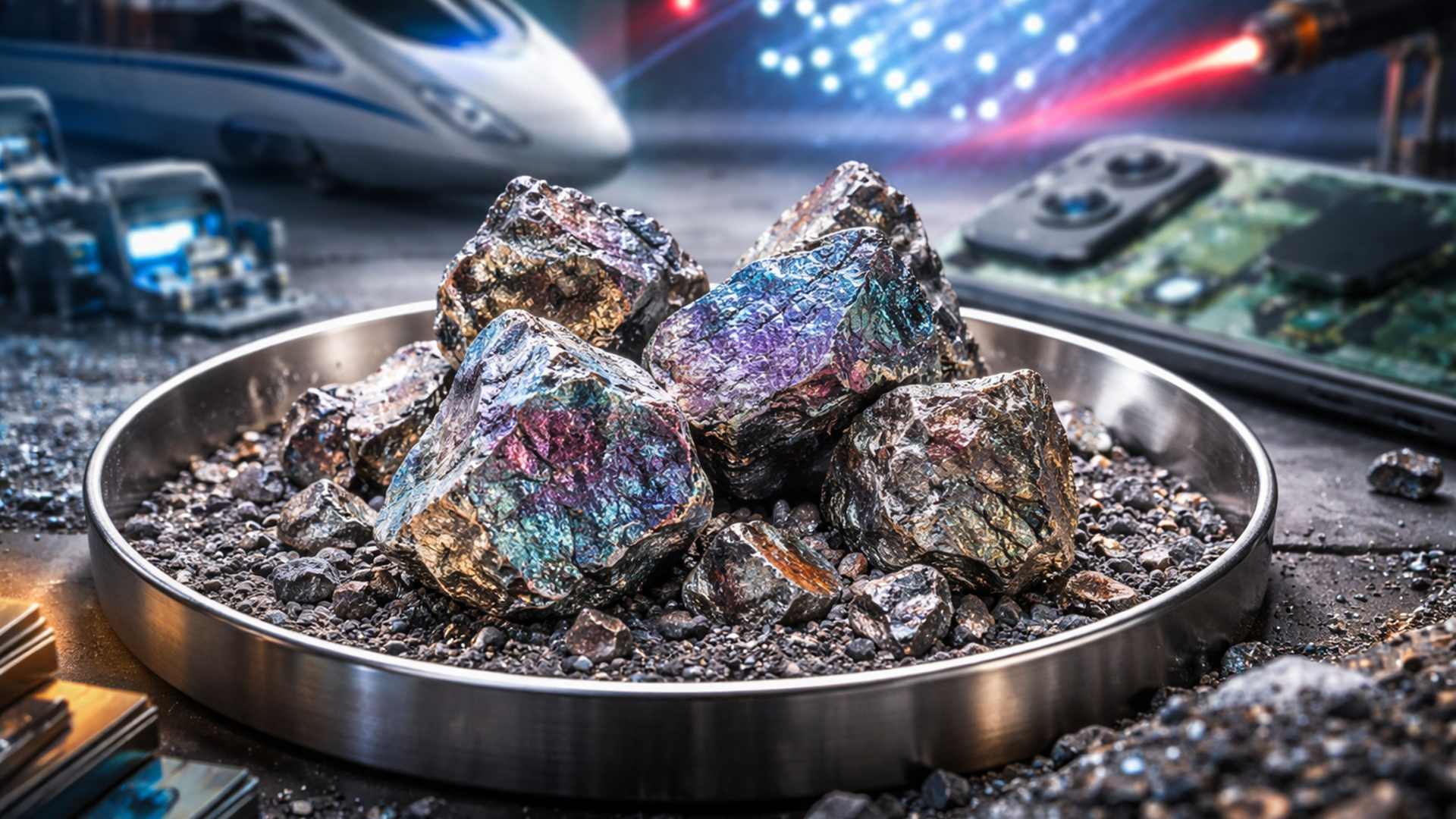
The Brazilian state enters the center of the global race for critical minerals by starting the construction of the largest underground nickel mine in Latin America, a mineral essential for electric car batteries that the entire world is competing for at this moment.
-
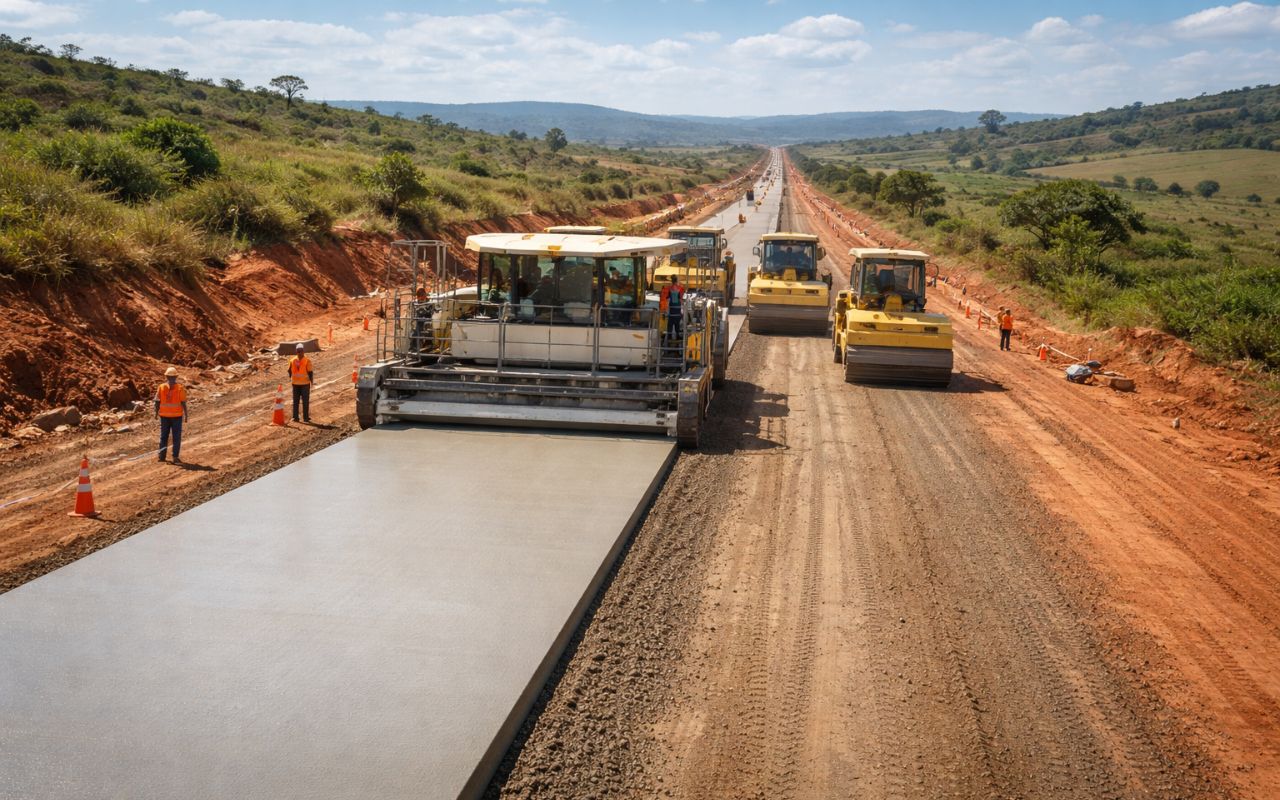
New CCR concrete paving technology promises roads up to 3x more durable, less maintenance, and cost reduction in Brazil.

This represents a technical replacement for wood cellulose fiber, with gains in sustainability and accessibility. The innovation is applicable to heavy traffic roads, airport runways, and racetracks—locations that require high structural performance.
Sustainability Is the Main Differential of Sugarcane Asphalt
The proposal to use waste from sugar and ethanol production directly addresses an environmental problem: the excess disposal of sugarcane bagasse. With this new function, the material gains value and reduces dependence on wood extraction, which positively impacts ecosystems.
By incorporating bagasse into asphalt, Brazil not only optimizes its productive chain but also advances the use of circular solutions. The sugarcane asphalt thus becomes a strategic ally in the transition to cleaner and more efficient infrastructure.
Tests Show That Sugarcane Asphalt Is Viable in Practice
In a pilot project on BR-356, in Rio de Janeiro, a 50-meter stretch was paved with the new mixture. The tests conducted in this segment assess mechanical resistance and structural stability over six months of monitoring.
The initial results indicate superior performance compared to conventional asphalt, especially in durability. This reinforces the potential of sugarcane asphalt as a technical solution for the challenges of the Brazilian road network.
Economic Opportunities and Challenges for Large-Scale Adoption
Brazil, the world’s largest producer of sugarcane, has the logistical and industrial capacity to scale the use of this new type of asphalt. The application of bagasse as an additive creates a new market front and reduces costs with imported or environmentally harmful extracted inputs.
Nevertheless, large-scale implementation requires regulatory adjustments, technical validation by infrastructure agencies, and strategies to integrate producers, construction companies, and governments. The sugarcane asphalt promises, but depends on coordination among sectors to transform innovation into a standard.
Do you believe that sugarcane asphalt could be the solution to improve Brazilian roads sustainably? Do you know regions where this would already be necessary? Share your opinion with us.







Minas Gerais e o estado do ES estão em movimentação para pavimentação de uma estrada que circula o Paque Naconal do Caparaó chamada Estrada Parque , e, este produto tendo a durabikidadeviguslnou maior do que o asfalto, seria ecologicamente ideal para o projeto. Eu participo como representante da sociedade civil junto a outras instituições civis e governamentais com apoio dos Sebraes de ambos os estados destrd movimento.