





 Portuguese
  English
  Spanish
 6 min of reading
  0 comments


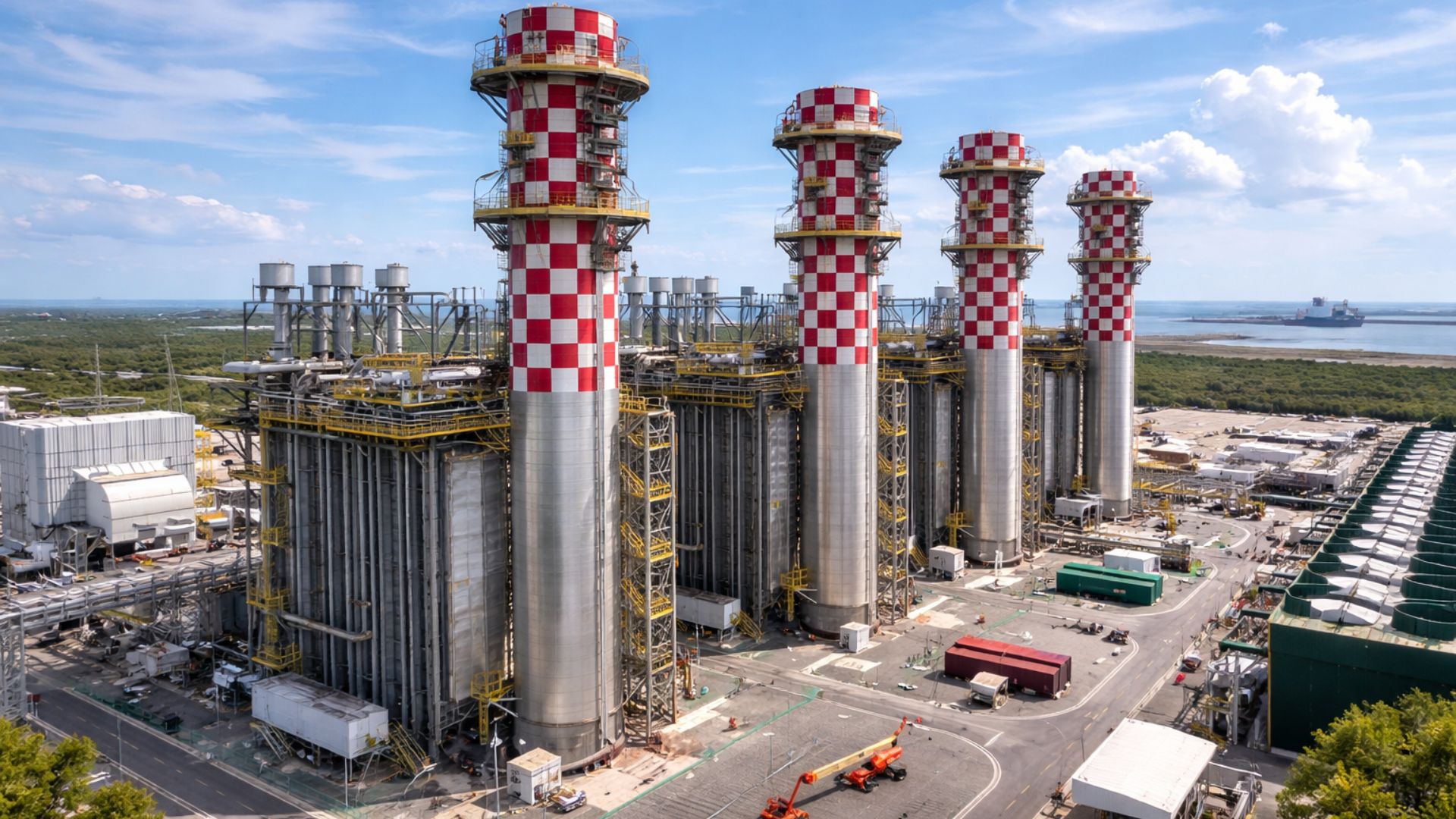
Investment of R$ 14.3 Million by GNA Invests in Innovation to Optimize GNL Logistics and Develop Hydrogen Production Using Solar Energy and Seawater, Creating a More Efficient and Sustainable Model for Thermoelectric Operations in Brazil.
The modernization of energy infrastructure in Brazil increasingly involves the integration of technological innovation, strategic fuels, and low-carbon solutions. In this context, the project developed by GNA (Gás Natural Açu) emerges as an example of how different technologies can be combined to increase efficiency, reduce costs, and prepare the energy sector for the challenges of the energy transition.
According to an article published by Cenário Energia on March 9, the company announced investments of R$ 14.3 million in Research, Development, and Innovation (PD&I) projects aimed at optimizing operations and reducing operational costs at the thermoelectric complex located at Porto do Açu, in the state of Rio de Janeiro. The initiatives are carried out in partnership with Jordão Energia and are part of a program regulated by the National Electric Energy Agency.
The projects involve two main technological fronts. The first is the development of the GNOMO software, which aims to optimize the logistics of GNL used in thermoelectric plants. The second involves an innovative system that uses solar energy and seawater to enable the production of hydrogen and other essential chemical inputs for the operation of the plant.
-
Renewable energy advances over protected areas in Brazil, and a survey by the Energy Transition Observatory reveals silent impacts that challenge environmental conservation and pressure sensitive traditional territories.

-
Rio Grande do Sul accelerates energy transition: State invests in renewable technologies and consolidates decarbonization strategies and pathways to attract billions in new industrial investments.

-
With 160,000 m² of collectors, an area larger than 20 football fields, Silkeborg, in Denmark, hosts a solar thermal plant that heats 19,500 homes and could become the largest solar heating plant in the world.

-
A study reveals the expansion of renewable energy procurement in Brazil and shows how companies are taking advantage of opportunities to reduce expenses, ensure energy efficiency, and strengthen strategic environmental commitments.


GNA Invests in Technological Innovation to Optimize GNL Logistics
The first initiative of GNA’s innovation program is the development of GNOMO (Gas Nomination Model), a software created to enhance the logistics management of the GNL used at the Porto do Açu thermoelectric complex. Liquefied natural gas is one of the most important fuels to ensure stability in the Brazilian electric system.
In this scenario, efficiency in managing GNL becomes crucial. The GNOMO software was developed in partnership with PSR consulting and allows integrated modeling between the thermoelectric plants and the existing regasification terminal at the complex. The digital platform assists in the nomination of GNL loads, an essential stage in the fuel’s logistics chain. This phase involves decisions about contracting, delivery scheduling, and gas usage at the plants.
The system incorporates operational variables and uncertainties in the energy system, allowing for scenario simulations and supporting strategic decisions. As a result, GNA gains a broader perspective on fuel operation over time.
The project received an investment of R$ 4.5 million and was officially completed in January 2026. However, the software has already been in use since 2024 in a real operational environment by the company’s technical team, which allowed for system enhancements before the project’s conclusion. Among recent advancements, the tool began to incorporate more robust long-term simulations, increasing the company’s analytical capacity to evaluate future investment and operational scenarios.
Hydrogen Production with Solar Energy Creates a New Model of Industrial Self-Sufficiency
Another strategic project by GNA involves the development of an innovative system aimed at hydrogen production and essential chemical inputs for the operation of the plant.
Internally known as Project Hypochlorite, the initiative seeks to develop a system based on seawater electrolysis, a process that uses electricity to separate the chemical elements present in water.
The innovation of the project lies in the energy source used for this process. The entire system was designed to operate solely with solar energy, through a dedicated photovoltaic plant.
This model creates an integrated productive cycle within the thermoelectric plant itself. Seawater is used as raw material, while the electricity generated by solar energy powers the electrolysis process.
During the process, hydrogen production occurs, which can be used in different industrial systems of the plant, in addition to generating other important inputs for the energy complex’s operation.
Among the products generated are:
- Sodium hypochlorite, used in the sanitization of cooling tower water;
- Ammonia, used in pH control of boiler water;
- Nitrogen, employed in preserving industrial equipment.
The hydrogen obtained in the process can also be used for cooling the steam turbine generator, a common application in thermoelectric systems.
The project involves an investment of R$ 9.8 million and is expected to be executed by September 2026. Currently, the main equipment needed for the system, including the electrochlorinators, is in the final stages of manufacturing.


Integration Between GNL, Hydrogen Production, and Solar Energy Strengthens Energy Efficiency
The strategy of GNA goes beyond the isolated implementation of technologies. The project’s differential lies precisely in the integration of different energy solutions within the same industrial operation.
On one hand, the GNOMO software enhances GNL management, making the logistics of the fuel that supplies thermoelectric plants more efficient. On the other hand, the solar-powered hydrogen production system creates a sustainable alternative for generating essential chemical inputs for the operation.
This combination reduces dependence on external suppliers and increases the operational predictability of the plant. By producing some inputs used in the plant’s operations internally, the company lowers logistical costs and supply risks. At the same time, the use of solar energy in industrial processes helps reduce indirect emissions and advance corporate sustainability strategies.
According to Luiz Rodrigues, General Manager of Innovation and Strategy at GNA, projects like GNOMO and the autonomous input production system demonstrate the company’s commitment to integrating digital technologies and low-carbon solutions into its operations. The initiative shows how electric sector companies can leverage innovation to increase operational efficiency without compromising energy security.
Technological Innovation Gains Space in Brazilian Thermoelectric Operations
Investment in research and development projects carried out by GNA reflects a growing trend in the Brazilian energy sector. Increasingly, companies in the electric sector seek to integrate digitalization, automation, and new energy technologies into their operations.
Regulated PD&I programs by ANEEL have played an important role in this process. These programs allow utilities and companies in the sector to invest in innovative projects that can generate operational and technological improvements for the national electric system.
In the case of GNA, the digitalization of GNL logistics and the development of internal solutions for hydrogen production demonstrate how these programs can yield concrete results for the sector. In addition to improving the efficiency of existing plants, such initiatives contribute to modernizing Brazil’s energy infrastructure.
The combination of digital technologies, transition energy fuels, and renewable sources, such as solar energy, has been highlighted by experts as one of the main strategies to ensure energy security and reduce environmental impacts in the long term.
GNA’s Initiative Brings a New Paradigm for Operational Efficiency in the Energy Sector
The project by GNA represents an important step in the evolution of energy operations in Brazil. By integrating advanced GNL management, hydrogen production, and strategic use of solar energy, the company demonstrates that innovation can profoundly transform how large energy complexes operate.
Investments of R$ 14.3 million in innovation show that the pursuit of efficiency is not limited to energy generation but also extends to fuel management, process digitalization, and sustainable industrial input production.
This integrated model is likely to gain relevance in the coming years, especially in a scenario where companies need to balance energy security, economic competitiveness, and environmental sustainability.
If the expected results are confirmed, initiatives like these could serve as a reference for other projects in the Brazilian electric sector, consolidating a new standard of operational efficiency based on technology, energy integration, and industrial innovation.






-

Uma pessoa reagiu a isso.