





 Portuguese
  English
  Spanish
  3 min of reading
  0 comments


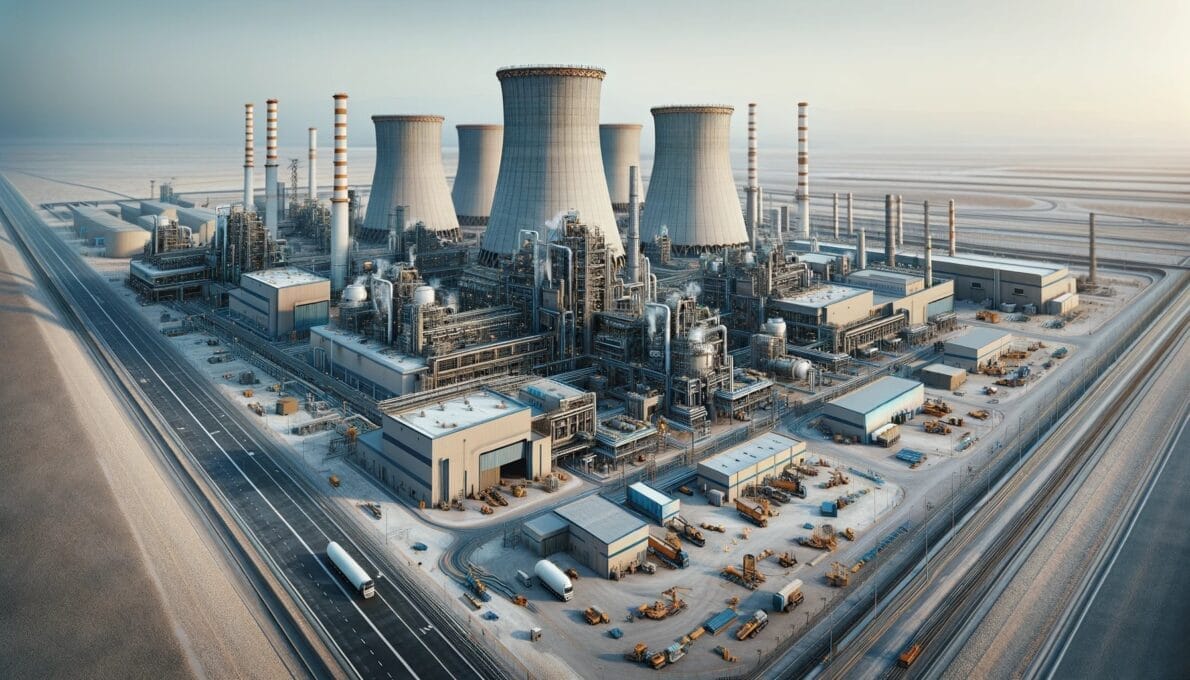
The Largest Uranium Plant In Brazil Recently Received The Location License, Allowing Construction To Begin Soon. However, This Project Is Generating A Heated Debate Among Specialists, Environmentalists, And The Local Population.
In recent days, the project for the construction of the largest uranium plant in Brazil received the location license. The National Commission of Nuclear Energy (CNEN) authorized the installation of the plant in Santa Quitéria, Ceará, approximately 220 km from Fortaleza. However, this proposal has generated controversies and divided opinions. While some advocate for the economic benefits and energy generation that the plant will bring, others express concerns about environmental impacts, radiation risks, and high water resource consumption. Understand the different viewpoints on this controversial project and its implications for the local community and the future of energy in Brazil.
Understand The Discussions Involving The Largest Uranium Plant In Brazil
Now, the next step is for studies to be conducted to ensure the nuclear and radiological safety of the construction, and this is one of the main concerns surrounding the project. The region already has a radiation level above average, precisely due to the presence of uranium reserves.


The concern is that this will increase further, potentially causing health problems for residents. Additionally, the use of large amounts of water in the facility raises discussions. The largest uranium plant in Brazil is to be operated by Nuclear Industry of Brazil (INB) and Galvani Fertilizers, which together form the Santa Quitéria consortium.
-
Archaeologists find an intact tomb over 2,500 years old, with more than 100 preserved objects, weapons, jewelry, and human remains never touched.
-
Volcanic lava transforms into threads as fine as human hair that travel over 30 kilometers by wind and fall like cutting rain on roofs and backyards in Hawaii and Iceland.
-
NASA issues a warning for the feared Godzilla El Niño that could change the planet’s climate in 2026 with extreme warming of the Pacific capable of causing devastating droughts in some regions and historic floods in others simultaneously.

-
Archaeologists discover a 100-meter ship graveyard in a submerged Greek city, and what has appeared on the seabed of Libya could change what was known about this ancient port.


The entrepreneurs state that there are no risks and that the project is safe. Currently, uranium exploration in the country only occurs in Caetité, Bahia. The proposal aims to explore the 4,042-hectare area of the Itatiaia farm for two decades.
The region has a reserve of 8.9 million tons of phosphate with 80 thousand tons of uranium. The total investment is expected to be R$ 2.3 billion.
Ibama Comments On The Construction Of The New Uranium Plant
According to the National Commission of Nuclear Energy, the grant was made after evaluating the Local Report by the technical staff of the CNEN on various aspects, including geographical, hydrological, geological, hydrogeological, geotechnical, seismological, meteorological, operational processes, waste management, and environmental radiological protection.
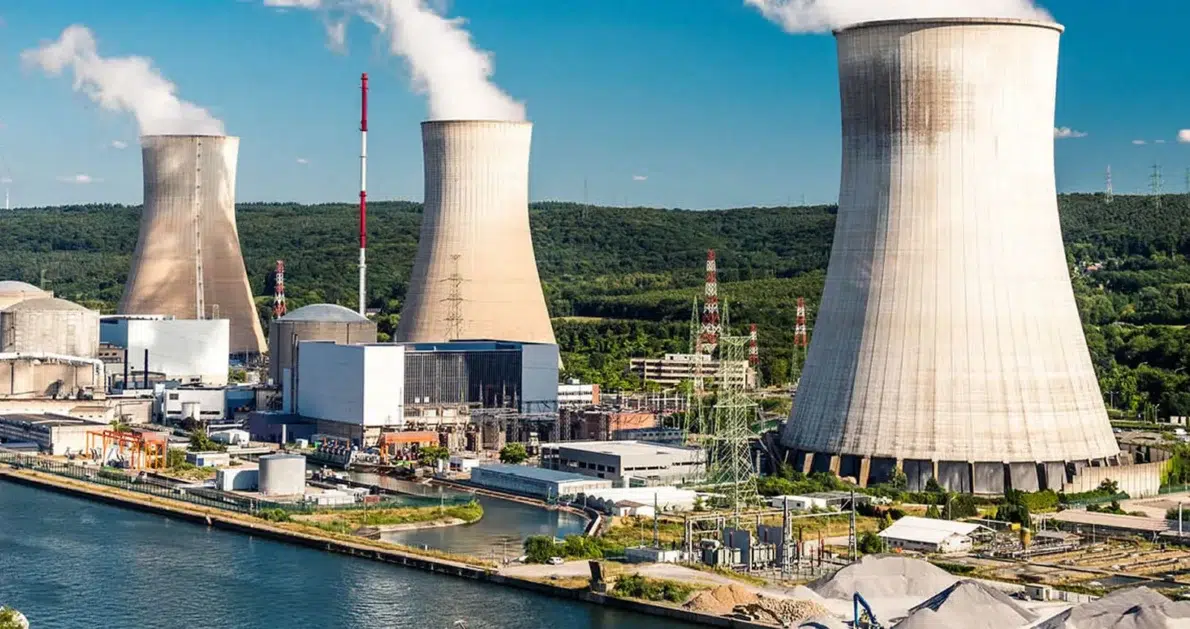
The CNEN considered that the Applicant satisfactorily met the requirements at this first stage. Family farmers and small ranchers producing food and raising animals in the region were interviewed by journalists.
Another issue in the construction of the largest uranium plant in Brazil is the historical water scarcity in the region. It is expected that the construction will be vetoed by Ibama. The agency, when approached, informed that the technical team “evaluates the compliance of the EIA/Rima (Environmental Impact Study/Environmental Impact Report) of the project.”
This analysis is conducted parallel and independently of the emission of the CNEN license for the project. Once the environmental study is received, Ibama will begin merit analysis of the EIA/Rima, following the licensing procedure according to what is established for the Preliminary License analysis phase.
Santa Quitéria Consortium Claims That The Largest Uranium Plant In Brazil Will Be Safe
In 2022, the National Council of Human Rights (CNDH) released a report pointing out problems and suggesting that licenses should not be granted. For the federal agency, there is a lack of clear data on radiation, citing as an example the prohibition of access to the three tunnels that were made back in the 1980s for exploration in the pilot project.
However, the Santa Quitéria Consortium assures that the largest uranium plant in Brazil will be safe and will not pose health risks to workers and residents of neighboring areas.
The companies stated that all possible environmental impacts were studied, and measures to mitigate and control them will be implemented. Regarding water use, it was noted that, in cases of scarcity, the law prioritizes supply for human and animal consumption.







Seja o primeiro a reagir!