





 Portuguese
  English
  Spanish
  3 min of reading
  0 comments


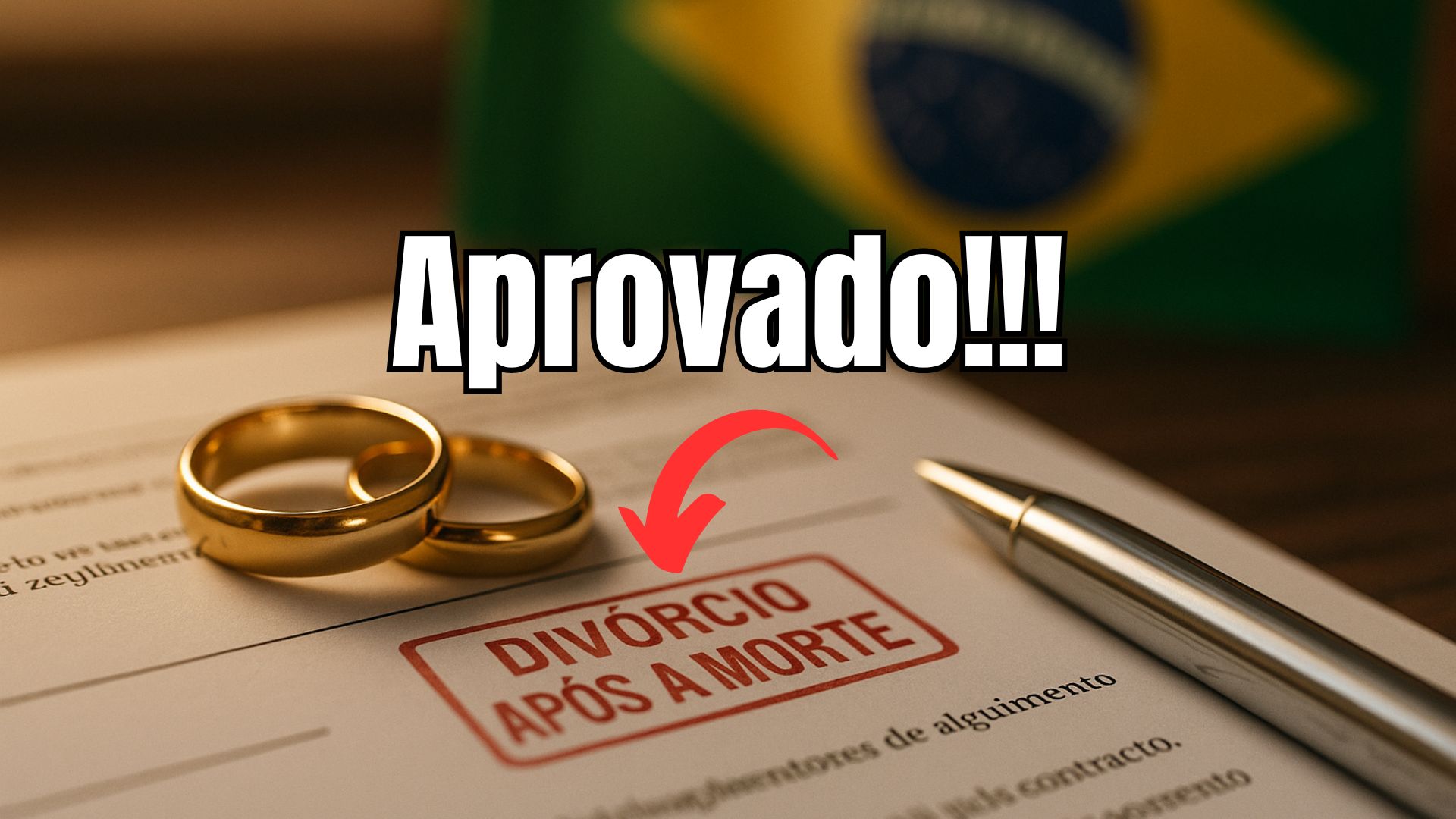
With Approval from the CCJ, the Proposal Goes to the Senate and Guarantees the Right to “Post Mortem” Divorce to Those Who Filed for Divorce Before Death, Protecting Heirs and Victims
The Constitution and Justice Commission (CCJ) of the Chamber of Deputies approved, on the afternoon of last Tuesday (7), the final text of a bill that includes the right to divorce after the death of one of the spouses in the Civil Code. The proposal, considered historic, prevents situations of injustice and redefines the legal understanding regarding the end of conjugal society.
The text, approved definitively, goes directly to the Federal Senate, without the need for a vote in plenary. The project is authored by Deputy Laura Carneiro (PSD-RJ) and received a favorable opinion from reporter Maria Arraes (Solidariedade-PE), who highlighted the progress in the protection of rights for those who formalized their separation before death.
What Changes with “Post Mortem” Divorce
Currently, Article 1,571 of the Civil Code establishes that conjugal society ends “upon the death of one of the spouses.” However, recent decisions from the Superior Court of Justice (STJ) have signaled that death does not necessarily end the divorce action, as long as the request was made before the death.
-
The Senate approves a bill that criminalizes misogyny, hatred, or aversion towards women, and includes the crime in the Racism Law with a penalty of up to 5 years.

-
Chamber Approves Bill That Allows Pepper Spray for Women Over 16 and Imposes Strict Rules for Purchase, Possession, and Use as Self-Defense

-
Chamber Approves Law to Combat Leucaena, Fast-Growing Plant That Dominates Land and Threatens Native Species in Various Regions of the Country

-
Asset Division: Know What Cannot Be Divided in Case of Divorce


In 2024, a case judged by the Fourth Panel of the STJ became a reference: a man had filed for divorce and asset division, but his wife died before the conclusion of the process. After her death, the husband attempted to withdraw from the separation. The ministers, however, decided to enable the heirs of the deceased to the process and recognize the posthumous divorce, consolidating an important legal precedent.


Protection Against Injustices and Legal Abuses
According to Laura Carneiro, the proposal seeks to correct legal distortions that unjustly favored the surviving spouse, even in cases of domestic violence or abandonment.
In her justification, the parliamentarian cited an emblematic example:
“Imagine a woman who, after years of violence, files for divorce and dies in an accident before the ruling. If the judge does not decree the ‘post mortem’ divorce, the aggressor will become a widower, with rights to social benefits and inheritance,” explained Carneiro.
The deputy argues that the measure should also be extended to stable unions, preventing the surviving partner from benefiting from succession rights when the relationship had already been formally terminated by a pending court decision.
Legal Impact and Next Steps
With the approval in the CCJ, the bill goes to the Senate, where it will be reviewed by the relevant committees before being voted on in plenary. If approved and sanctioned, the text will guarantee the recognition of divorce even after death, provided that the process was initiated in life by one of the spouses.
The information was disclosed by various media outlets, including O Fator and specialized legal portals, which highlight the advancement of the topic following the landmark decision of the STJ in 2024. Legal experts point out that the new understanding strengthens individual autonomy and prevents the strategic use of death to maintain unwanted financial ties.
The debate on posthumous divorce is also expected to influence future cases in the Supreme Federal Court (STF), which could solidify the thesis definitively in Brazilian law.
And you, how do you evaluate the approval of divorce after death in the new Civil Code? Do you believe that recognizing the “post mortem” right grants more justice to heirs and victims of domestic violence, or do you think that the measure may generate succession disputes and legal uncertainty in Brazilian families?









-

Uma pessoa reagiu a isso.