





 English
  Francês
  Alemão
  Italiano
  Japonês
  Norueguês
  Portuguese
  Spanish
 3 min of reading


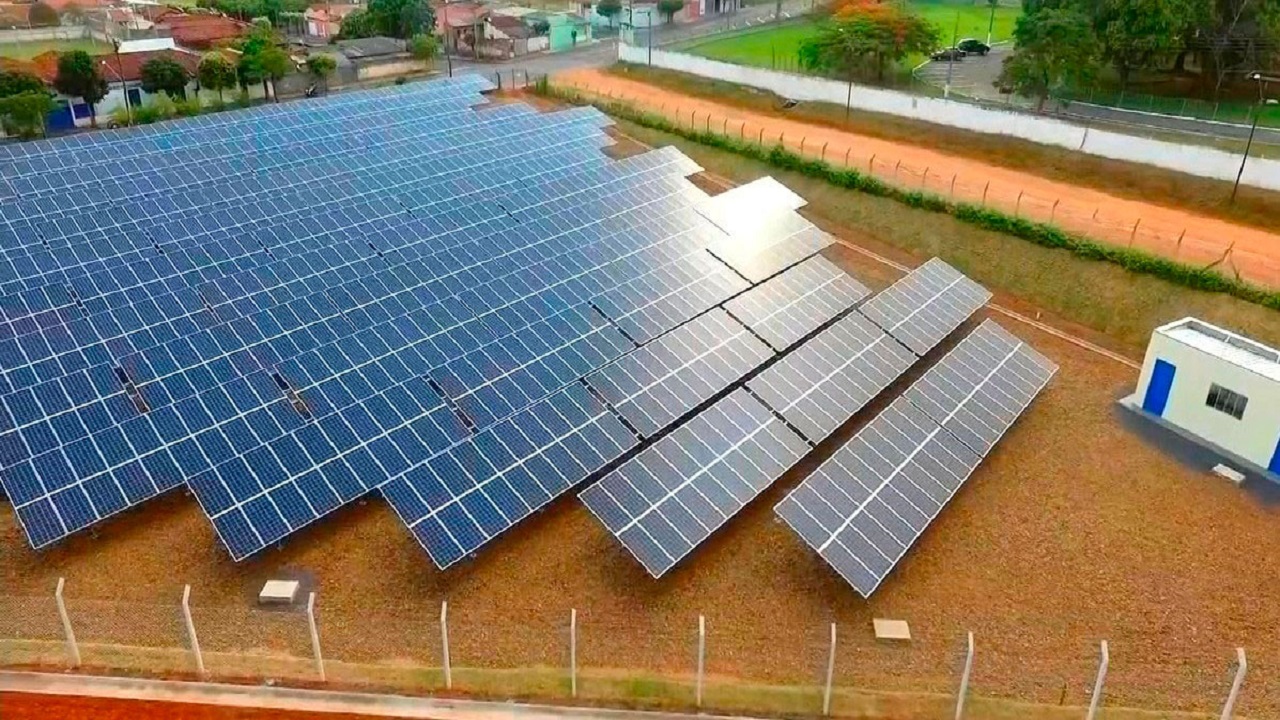
The Bill That Prohibits the State of Mato Grosso (MT) from Charging Taxes on Solar Energy Has Been Approved. The Old Text, Which Left Gaps for External Interpretations, Will Be Changed
In the second vote, the deputies approved the Bill that prohibits MT from charging taxes on solar energy. The session took place at the Legislative Assembly of Mato Grosso (ALMT) last Wednesday (26), and had 17 votes in favor.
Read Also
Understand Better the Bill That Prohibits Taxes
Authored by Deputy Faissal, the Bill amends the end of Art. 37 of the Complementary Law 631/2019 on exemption from solar energy taxes. According to Faissal Calil (PV), the current regulation has gaps that allow the State of MT to generate taxes on solar energy generation. It will now be established that until December 31, 2027, no ICMS taxes will be charged on solar energy in MT.
Consumers using solar energy plants and those who intend to switch to electricity from this source will have more legal security, with no taxes on their bills, Faissal stated.
-
Unemployment rises again to 5.8% at the beginning of 2026, raising alarms about the end of temporary positions and its impact on the Brazilian job market.

-
Document organization can cut invisible costs in small businesses, a simple step that prevents waste, rework, and losses in daily operations.

-
Renewable energy advances over protected areas in Brazil, and a survey by the Energy Transition Observatory reveals silent impacts that challenge environmental conservation and pressure sensitive traditional territories.

-
Rio Grande do Sul accelerates energy transition: State invests in renewable technologies and consolidates decarbonization strategies and pathways to attract billions in new industrial investments.


The First Vote on the Bill That Taxed Solar Energy
This April, the first vote for the repeal of the ICMS charge in MT was approved. In 2019, when the law was approved, there was an error in the text, leaving gaps that allowed dubious interpretations. In April, the MT government began taxing equipment used for solar energy, spurred on by Energisa.
Faissal stated that this is disorderly and the deputies of the ALMT cannot allow this to continue. The new text will correct and clarify the current one, preventing any other interpretations or benefits for a specific category.
The deputy also stated that if the MT government did not draft a new text, it would be understood that the entities approve the undue tax on solar energy.
MT Aims to Advance Further in the Solar Energy Sector
According to data from Portal Solar, the State of MT has a region with a high solar insolation rate, the Northeast of Mato Grosso accounts for only about 6.35% of GDP, having 22 municipalities and around 248,000 inhabitants, and an income of approximately R$ 3,700, a rate well below that of other states, but these disadvantages do not hold the state back in the renewable sources sector, especially solar energy.
Mato Grosso will be the second state favored by the federal government this year in investment volume, behind only Bahia, which will receive R$ 600 million. In total, there will be 17,794 new electric connections that will primarily benefit the municipalities in the North and Northeast regions of Mato Grosso, which daily suffer from energy scarcity, thus limiting their economic activities.







Seja o primeiro a reagir!