





 English
  Francês
  Alemão
  Italiano
  Japonês
  Norueguês
  Portuguese
  Spanish
  3 min of reading


Bill (PL) Under Discussion in Congress Plans to Reduce ICMS on Gasoline and Electricity, However, This Action May Generate Negative Impacts of Approximately R$ 19.2 Billion on Education.
According to data calculated by the movement All for Education, the Bill (PL) that aims to reduce the price of electricity and gasoline currently under discussion in Congress may generate impacts of nearly R$ 20 billion on resources allocated to education. This could occur due to the measure that foresees a reduction in the Tax on the Circulation of Goods and Services (ICMS), which applies to such products. It is important to highlight that the state tax is one of the main funders of the Fund for Maintenance and Development of Basic Education (Fundeb).
Understand the Bill to Reduce Electricity and Gasoline Better
The amount impacted on education is based on an estimate from the National Committee of State Secretaries of Finance, Revenue, Finance or Taxation of States and the Federal District (Comsefaz), which, in its calculations, states that revenue could be reduced by up to R$ 83.5 billion annually in municipalities and states due to the bill to reduce electricity and gasoline.
The two levels of government are responsible for approximately 80% of enrollments from the early years of Early Childhood Education to the final years of High School. The bill for ICMS reduction is considered strategic for the Federal Government, which seeks to recover its popularity in an election year and fights to lower the prices of directly affected products, consequently reducing inflation.
-
Chinese giant worth nearly R$ 4 billion that manufactures cables for electric cars, solar energy, and robotics wants to open a factory in SC.
-
Many employers do not know, but the law guarantees domestic workers a 25% increase in salary during trips, 50% for overtime, 20% for night shifts, and 17 additional benefits that can lead to labor lawsuits if not paid.

-
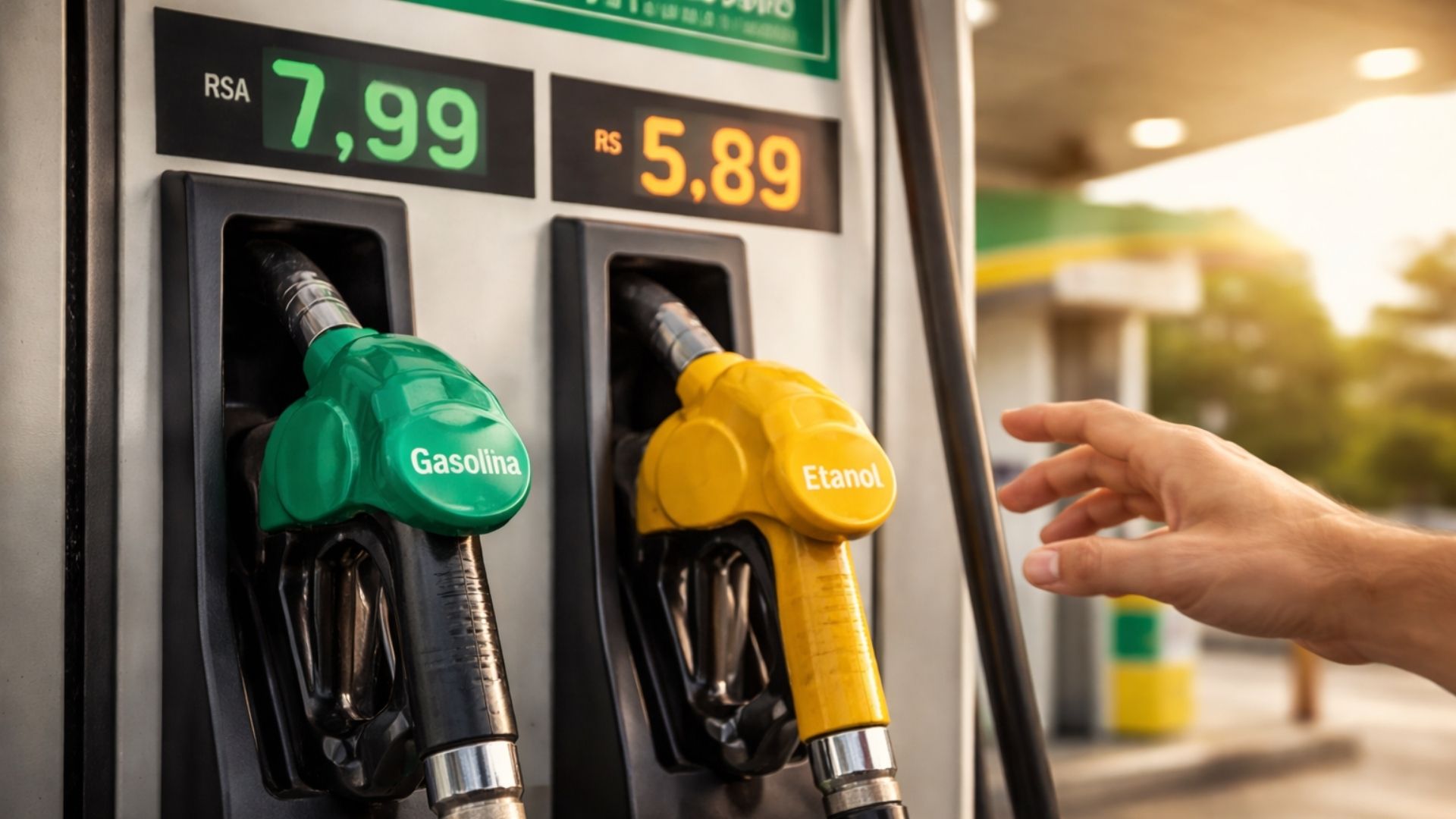
Gasoline prices soar and the question arises: is ethanol more advantageous? The 70% rule reveals the limit with gasoline.
-
The government has made a decision and is starting a test with more ethanol in gasoline, anticipating a mixture of up to 35%, diesel with 25% biodiesel, and a study to assess the impacts on engines.

The effectiveness of this “method,” however, is questioned, especially regarding gasoline, which has a pricing policy that follows international market trends. The measure, which may impact education, has already passed through the Chamber and is about to be addressed in the Senate.
PL May Result in Reduced Complementary Resources from the Union
According to the Constitution, at least 25% of tax revenue must be redirected to the development and maintenance of education, therefore, the drop generated by the bill to reduce gasoline and electricity should be of the same order in municipalities and states that do not complement the amount.
The impact on Fundeb should be 20%, considering that the Constitution establishes this mandatory percentage for transferring tax revenue to the fund. It is important to note that, according to calculations from All for Education, there will be a reduction of R$ 2.5 billion in the Union’s complementary resources. All these factors together result in losses of nearly R$ 20 billion, almost 8% of current resources.
According to the technical note from the movement, the reduction in ICMS revenue generated by the bill aimed at reducing gasoline and electricity may create severe difficulties in honoring the payment of professionals working in education planned for this year. Works in schools and educational contracts that have undergone price adjustments to reflect the cost inflation may also be impacted.
Understand How the Process of a Bill Works
A bill can be presented by any deputy or senator, the President of the Republic, and even by citizens. They begin to go through the Chamber, except for those presented by senators, which start in the Senate, which serves as a reviewing house for projects initiated in the Chamber and vice versa.
Shortly after, the projects are distributed to commissions according to the topics they address. There is a special commission, conclusive analysis in commissions, and an urgency commission.
Ordinary bills are approved with a majority of votes as long as a majority of deputies are present in the Plenary. Shortly after, they are sanctioned or vetoed by the President of the Republic.








Seja o primeiro a reagir!