





 English
  Francês
  Alemão
  Italiano
  Japonês
  Norueguês
  Portuguese
  Spanish
  3 min of reading


Author And Rapporteur Of The Bill Estimate That, If Approved, The Consumer Will Pay Less For Gasoline And Petrobras Will Maintain Its Standard Profit
The bill 1.472/2021, authored by Rogério Carvalho (PT/SE) and reported by Senator Jean Paul Prates (PT-RN), is currently under consideration in the Senate, where various changes to Petrobras’ gasoline, diesel, and cooking gas (GLP) guidelines are being proposed. The feared and controversial topic will still generate a series of debates and “confusions” in Brasília.
Read Other Related News
Debate On The Price Of Gasoline, Diesel, And Cooking Gas Comes To The Fore
It is expected that the Committee on Economic Affairs will vote on the bill very soon. During the week, the subject was debated several times by the committee, with the aim of creating space for modifying the international price parity policy applied by Petrobras.
The author and the rapporteur of the bill reported that, if approved as is, the price of common gasoline could be passed on to the final consumer at an average price of R$ 5. Currently, the liter of the main fuel used by Brazilians costs on average R$ 7.
-
Chinese giant worth nearly R$ 4 billion that manufactures cables for electric cars, solar energy, and robotics wants to open a factory in SC.

-
Many employers do not know, but the law guarantees domestic workers a 25% increase in salary during trips, 50% for overtime, 20% for night shifts, and 17 additional benefits that can lead to labor lawsuits if not paid.

-
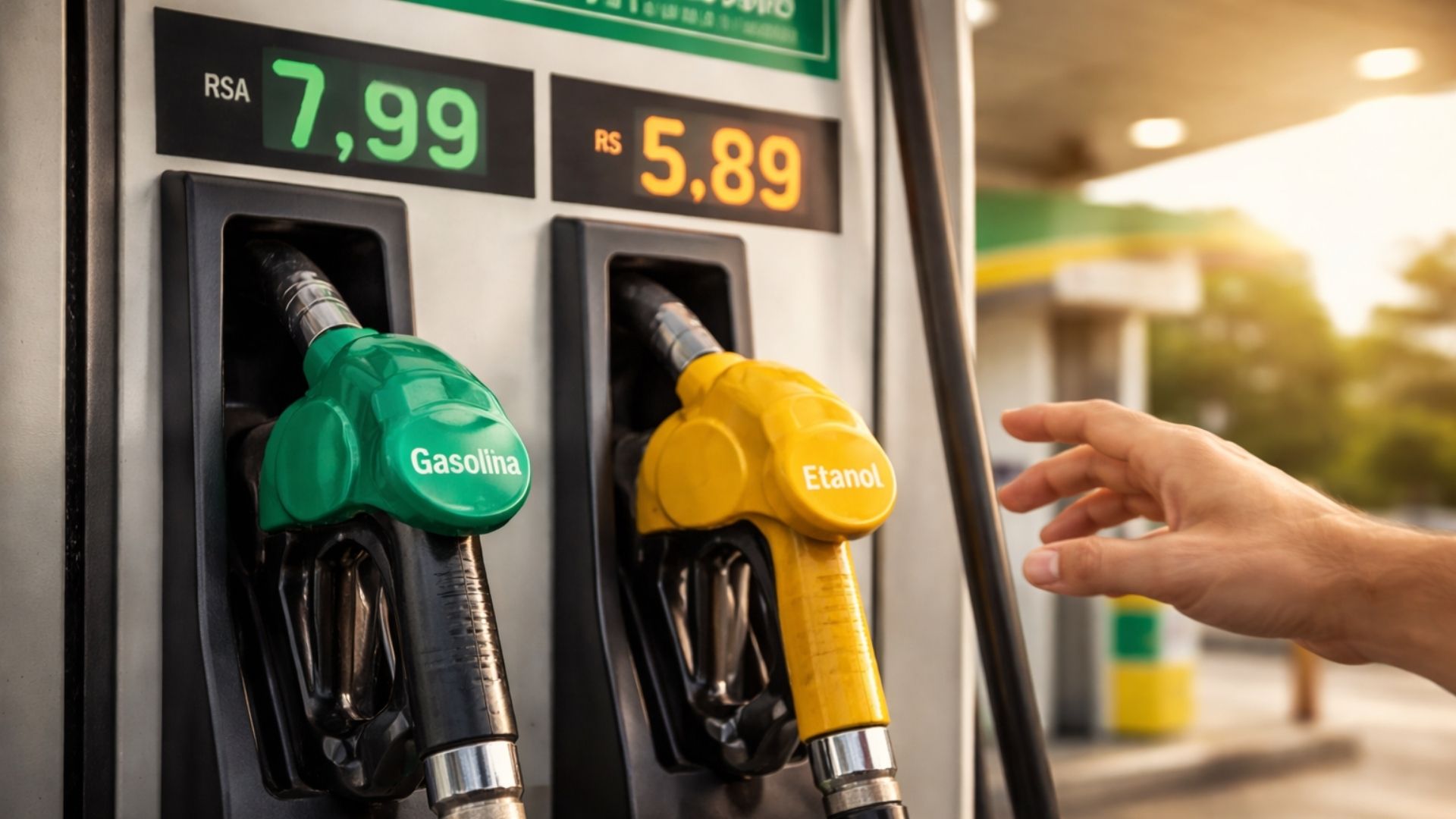
Gasoline prices soar and the question arises: is ethanol more advantageous? The 70% rule reveals the limit with gasoline.
-
The government has made a decision and is starting a test with more ethanol in gasoline, anticipating a mixture of up to 35%, diesel with 25% biodiesel, and a study to assess the impacts on engines.
Senate Bill Plans To Create A Price Stabilization Fund For Gasoline, Diesel, Ethanol, And Cooking Gas (GLP)
According to the author and rapporteur of the Senate bill, new guidelines regarding fuel sale prices will be established, protecting consumer interests. It will also prioritize that the prices of petroleum-derived fuels are set according to the average international market price quotations, as well as internal production costs and import costs.
A band regime will be established for the prices of petroleum-derived fuels, with a predefined basic frequency for adjustments and compensation mechanisms. There will also be the implementation of progressive export tax rates, applicable to crude oil, with a value starting from US$ 40 per barrel.
A Price Stabilization Fund Will Be Created For Gasoline, Diesel, Ethanol, And Cooking Gas (GLP), which should be supplied with resources from the export tax and/or the price variation related to the band. The rapporteur and the author conclude by stating that the use of budgets from other resources not connected to those listed above will not be allowed.
Benefits For All Involved
According to what was listed in the bill, the margin would be supported by an export tax on crude oil, following the quotations of the barrel in the international market.
The consumer would pay less, and Petrobras would maintain its profit margin at 50%. According to Senator Jean Paul, during a session in the House Committee this week, the perspective of an amendment is being worked on that could modify part of the original bill, structuring it with the guidelines and references of the petroleum-derived fuels policy and applying a price stabilization program for these derivatives.
The presented bill is already ready to be reviewed by the Senate Economic Affairs Committee. With the expectation of the author and rapporteur that the bill will proceed, it is estimated that it should be on the House floor and soon after sent to the Chamber of Deputies for a final decision through voting.










Seja o primeiro a reagir!