





 Portuguese
  English
  Spanish
  6 min of reading
  0 comments


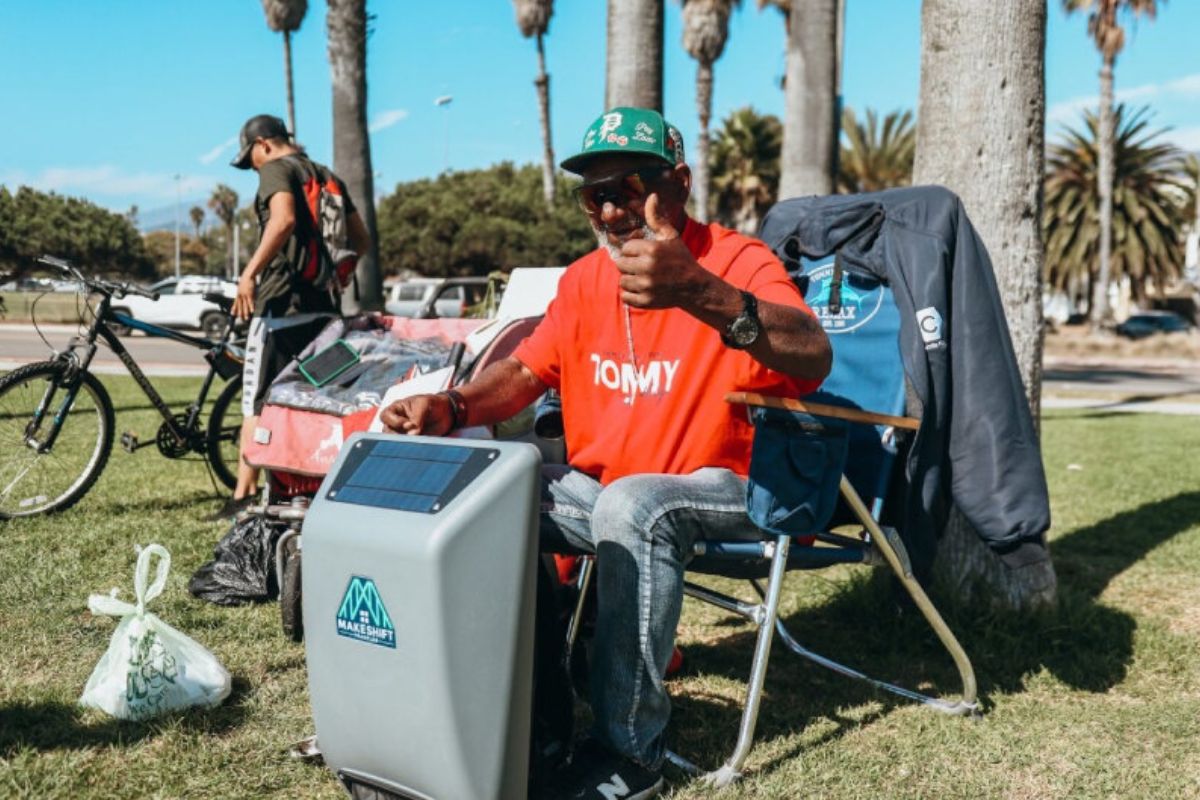
Developed by the HomeMore Project, the Makeshift Traveler solar backpack combines a solar panel, internal battery, USB port, sleeping bag, pillow, collapsible tent, hygiene kit, and rain cover for people experiencing homelessness, after 18 months of listening in Tenderloin and distributing 1,200 units across California.
The solar backpack created by the HomeMore Project emerged in California with a straightforward proposal: to gather portable shelter, energy, and immediate survival items in a single piece, designed for people experiencing homelessness while permanent housing is still on the way. Instead of treating the object merely as luggage, the team designed it as a mobile support point for those spending nights outdoors who need to protect belongings, rest, and charge devices.
The project took shape through field observation and listening conducted in the Tenderloin neighborhood of San Francisco, where the team spent 18 months gathering impressions and needs reported by those living on the streets. The central idea was not to create just another backpack, but to condense various functions into a portable product that, when separated, often weigh down, take up space, and fail just when a person most needs them.
When The Street Becomes The Starting Point For Product Design

The HomeMore Project developed the Makeshift Traveler through direct contact with people experiencing homelessness and the daily routines in the Tenderloin streets.
-
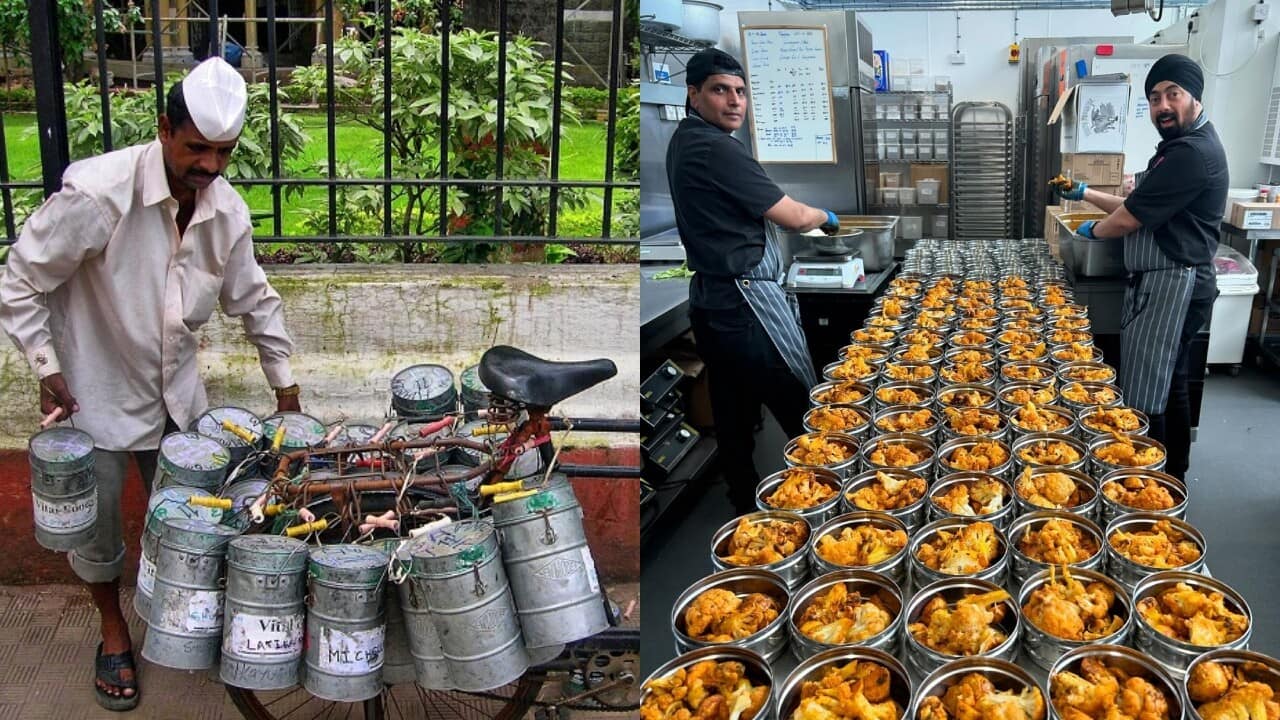
How 5,000 Indian dabbawalas manage to deliver around 200,000 lunchboxes a day in Mumbai for over 130 years using bicycles, crowded trains, and a manual system that continues to operate with impressive accuracy.
-
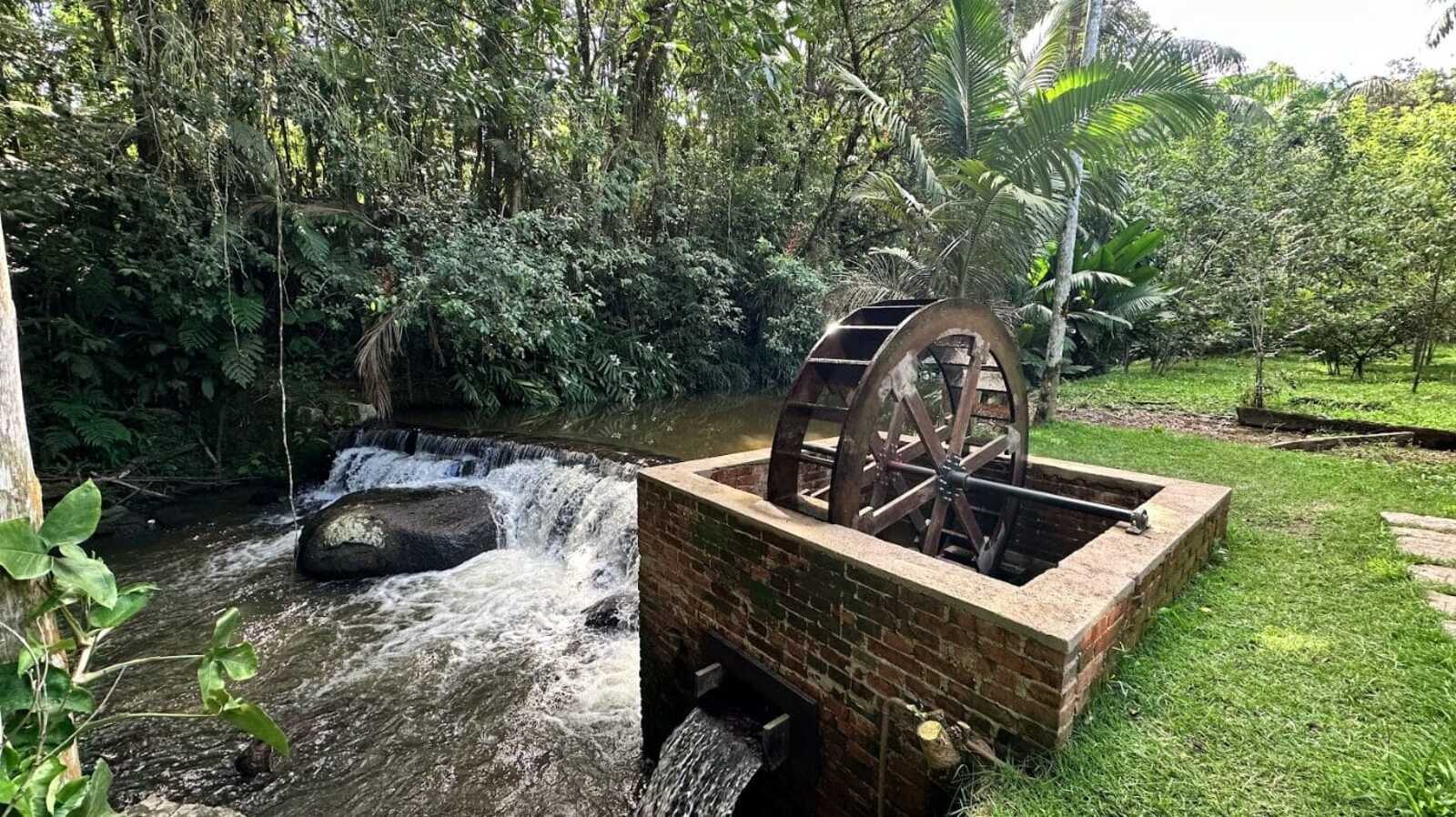
While restoring a historic mansion from 1910, a brick structure with an old turbine that generated energy from the Rio do Testo emerged, along with a hidden door and a rare floor concealed under layers of wax.
-
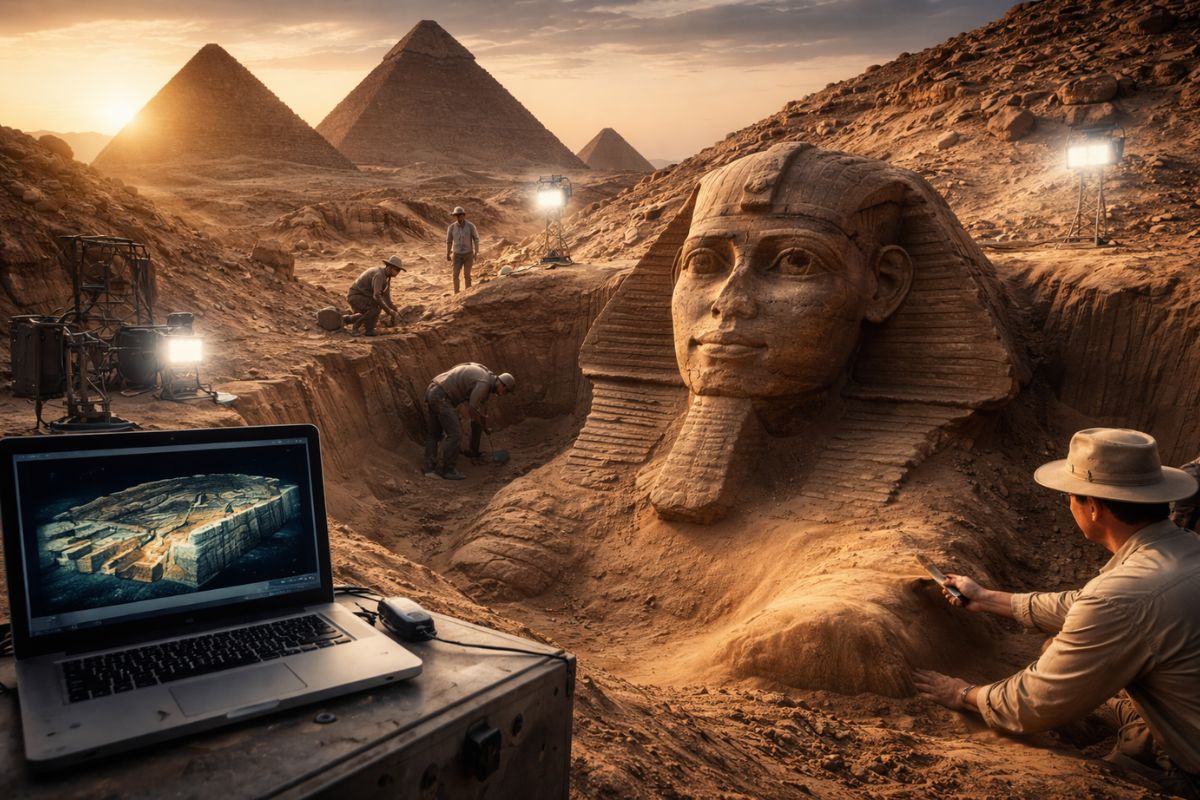
Italian researchers have detected what appears to be a second Sphinx buried under the sands of Egypt, and satellite scans reveal a gigantic underground megastructure hidden beneath the Giza Plateau for over 3,000 years.
-
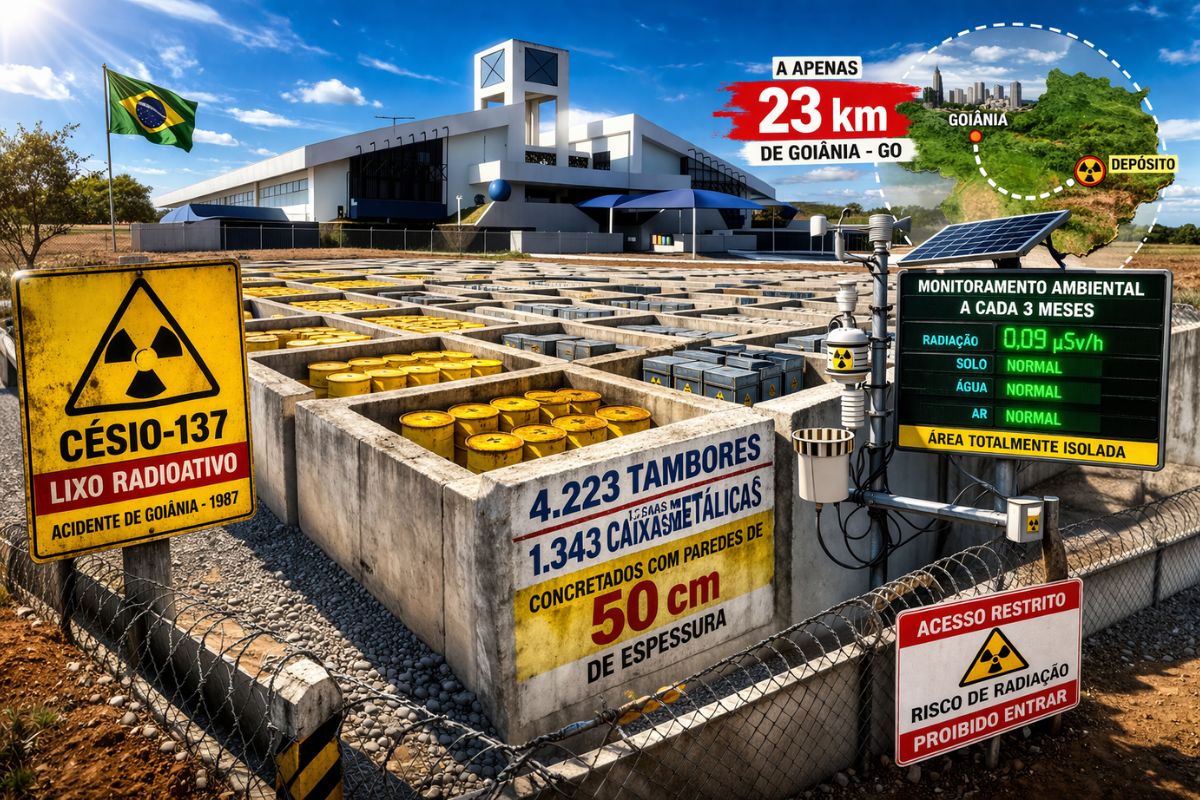
There are 4,223 drums and 1,343 metal boxes concreted with 50-centimeter walls that store the radioactive waste from Cesium-137 in the worst radiological accident in Brazil, just 23 kilometers from Goiânia, with environmental monitoring every three months.

This approach is significant because it shifts the origin of the project: the solar backpack does not stem from an abstract hypothesis about what would be useful, but from first-hand observation of climate, rest, belongings safety, and the need for access to energy.
This listening method helps explain why the solar backpack brings together such different functions in the same package.
Those living in continuous displacement do not deal with isolated problems, but rather with a chain of urgencies that includes sleeping, staying dry, securing belongings, charging phones, accessing information, and facing cold or rain without fixed structures around them.
The team also attributes symbolic value to the project. For the HomeMore Project, the Makeshift Traveler should be the last backpack carried on the user’s back, serving as a marker of transition between the street and permanent housing.
This perspective does not change the materiality of the product, but illustrates how the project aims to position itself: not as a definitive solution, but as support in the midst of a longer journey.
At the same time, the team’s discourse maintains a foot in operational reality.
The solar backpack is described as a resource for dealing with the situation more sustainably until permanent shelter becomes possible.
The support is immediate, but the problem it attempts to cushion is structural.
Rigid Structure, Stored Energy, And Attached Rest

In its physical design, the solar backpack combines a rigid and weather-resistant outer structure with a solar panel installed on top.
This panel powers an internal battery, allowing the user to charge devices through a USB port.
The system also includes cables for charging from a wall outlet when access to a conventional charger is available.
This detail changes the function of the piece in daily life. In many street contexts, keeping a phone charged means preserving contact, location, information, and some capacity for response.
The solar backpack does not offer housing but tries to prevent the person from losing connection, orientation, and basic autonomy at times when a lack of energy also becomes a vulnerability factor.
At the bottom, the Makeshift Traveler incorporates a nylon pillow coated with urethane.
This way, the user does not need to carry an extra piece for rest, and the compartment where this item is kept can be closed with a dual zipper, which helps to deter theft and protect personal belongings.
The project aims to solve, in the same gesture, minimum comfort and material security.
The layer of shelter is completed with a sleeping bag attached externally to the bottom of the solar backpack.
The item has a nylon exterior and a plush interior, designed to maintain warmth during the day and night. In extreme weather conditions, the team also includes a collapsible tent, extending the portable response beyond the body and creating a temporary protective microspace.
What Comes With The Backpack And Why Each Item Matters In Daily Life
The contents of the solar backpack go beyond the panel and the pillow.
According to the project, the kit includes an FM/AM radio with headphones, a rechargeable LED flashlight with three modes, a 700 ml water bottle, a rain cover with a pocket, a hygiene kit, a security lock, and a pair of thermal socks.
Instead of a single artifact, what is seen is an attempt to assemble a small immediate-use ecosystem.
This composition reveals a prioritization logic. Water, hygiene, light, information listening, protection from rain, and some resource against cold appear as layers of daily survival.
They are not luxury items, but items that prevent the rapid deterioration of daily life when a person depends on constant movement and does not control the surrounding environment.
The presence of the lock and the compartment with a dual zipper indicates another practical concern: the risk of theft.
For those living on the street, losing belongings means not only material loss but also loss of documents, clothing, medication, money, phone, and any trace of possible organization.
The solar backpack, therefore, attempts to function as a minimum barrier between the person and complete exposure.
The set also suggests an attempt to reduce volume and duplication of load.
If a pillow, sleeping bag, emergency shelter, energy, and basic utensils are already integrated, the weight of improvisation decreases.
In street contexts, reducing the number of loose pieces can mean gaining mobility without sacrificing protection.
From The Street To 25 Cities And The Bet On The Next Version
After 18 months of development, the HomeMore Project launched the solar backpack on October 1, 2022.
The initial distribution exceeded 1,200 units for people experiencing homelessness across 25 cities in California. This figure helps measure the project not just as an idea, but as a concrete operation for regional delivery.
The reach also shows that the team did not restrict its use to the neighborhood where they conducted initial listening.
Tenderloin served as a base for observation, but the circulation of the units advanced to different cities in the state.
This indicates an attempt to transform local experience into a replicable model, even though the needs of the street vary from place to place.
By 2025, the stated goal is to launch the fourth version of the Makeshift Traveler, with improved design, and deliver over 2,000 units just that year.
The existence of successive versions suggests that the project does not treat the product as closed but as an object under revision, which aligns with its origin based on feedback and direct observation.
The team also created a donation page to fund new deliveries.
This movement reinforces the hybrid character of the initiative: it operates simultaneously as a design project, social action, and distribution operation.
The solar backpack, in this case, becomes both a product and a strategy for immediate intervention.
The solar backpack developed in California condenses a series of functions that normally appear scattered in the lives of those experiencing homelessness: energy, protection against weather, rest, security of belongings, and basic hygiene and lighting items.
The difference lies less in the visual appeal and more in how the project combines field observation, portability, and practical response for those still waiting for permanent housing.
The question this initiative raises is less about technology and more about priority: if you had to define the most indispensable item in a portable shelter, would you choose energy, protection against rain and cold, security for belongings, or basic hygiene? And, looking at your city, what is most lacking in the immediate responses given to those living without shelter: a truly useful object or real listening before designing any solution?







Seja o primeiro a reagir!