





 Portuguese
  English
  Spanish
 3 min of reading


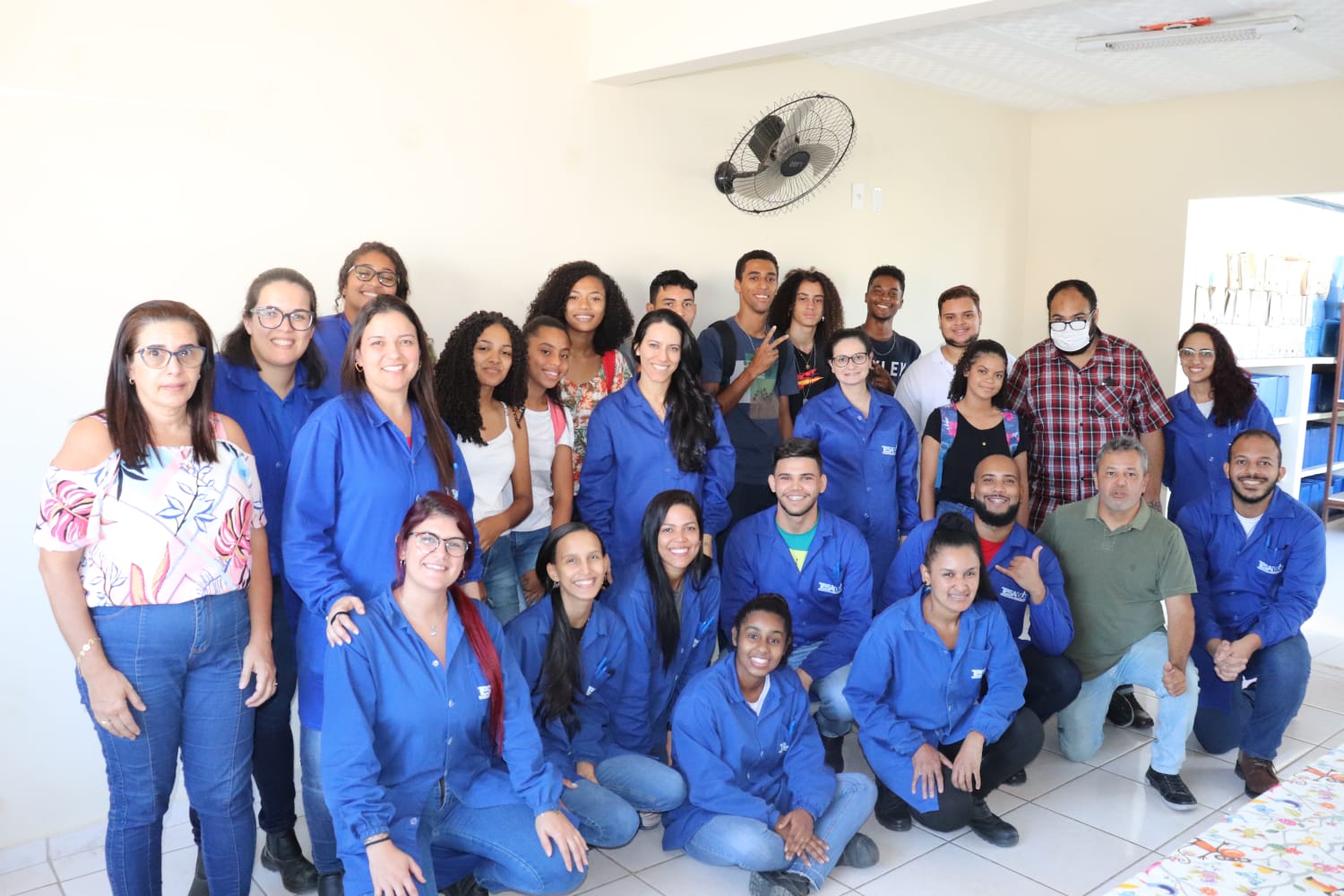
Initiative Serves Students From The Public State Schools Of Rio De Janeiro With Training On Topics Related To Electricity
The Project Thermal Power Plants in Schools is the result of a partnership between specialist teachers in electricity and entrepreneurs to promote information and training for students from the public education network in Rio de Janeiro. The initiative began in March of this year at the state school Visconde de Araújo, in Macaé, known as the national capital of oil. Starting in 2023, it is set to expand to the municipality of Campos dos Goytacazes, the first city to have public electricity supply in Latin America.
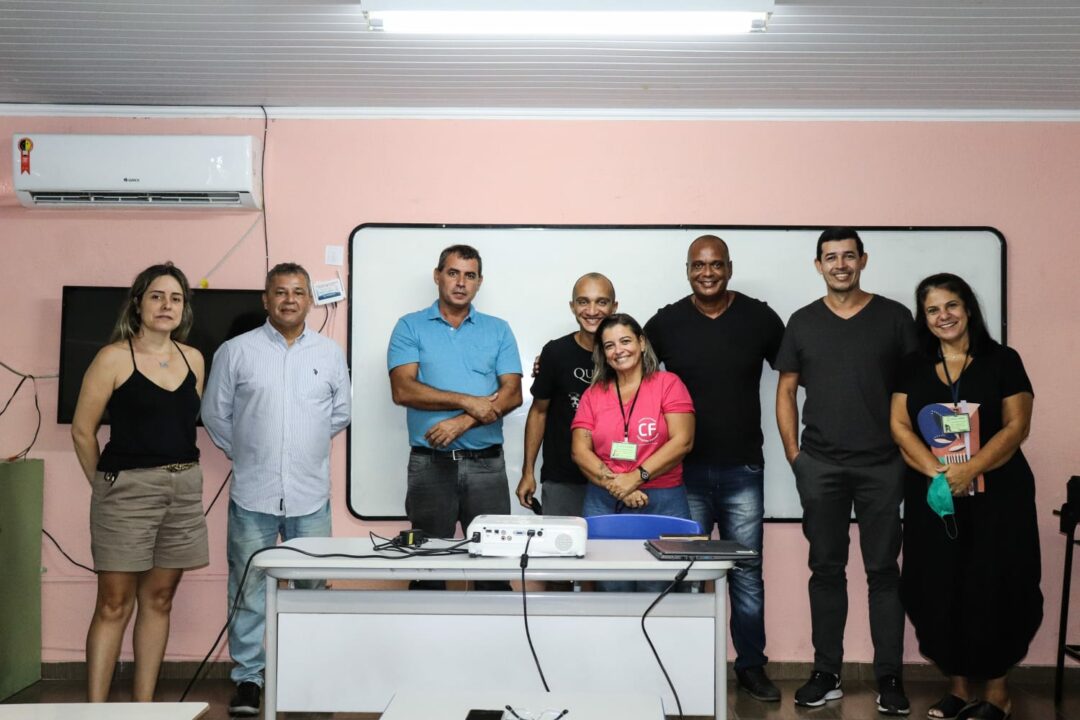
On April 4, representatives of the Thermal Power Plants in Schools project met with teachers and administrators from the Constantino Fernandes school in Campos dos Goytacazes. On that occasion, the project was presented and received with great enthusiasm. The coordination of the classes there will be managed by professor and one of the greatest supporters of the project, Luiz Fernando Rosa Mendes, from the Instituto Federal Fluminense campus Guarus.
Present at the meeting, one of the creators of Thermal Power Plants in Schools, Pedro Costa, expressed his happiness with the expansion of the project. “I was very happy with the reception from the teachers and the management of Constantino Fernandes State School in embracing the project. They understood the purpose of our project regarding electricity,” he says.
-
USP opens 10,000 spots in a free 100% online course lasting 110 hours in areas such as nutrition and health, with registrations until April 15 and classes on diabetes, obesity, and educational public policies.

-
Excel dominates job openings even in the era of artificial intelligence: analysis reveals high demand and highlights 5 courses to move beyond the basics and advance in the job market.

-
Senai launches free technology courses in Amapá and creates a strategic opportunity for those seeking quick qualification, entry into the job market, and professional growth in areas with high digital demand.

-
Take a free course at the Federal University: UFPR calls 200 candidates for intensive preparation for master’s and doctoral programs.


The first public lighting service in Brazil – and in South America – was inaugurated by Dom Pedro II in Campos dos Goytacazes, four years after electricity arrived in the country. At that time, electricity was generated by steam from wood-fired boilers.
How The Thermal Power Plants Project Works
The Thermal Power Plants in Schools project includes lectures/classes in four modules and the distribution of handouts, along with videos that contribute to the lessons, technical visits, so that students have an immersive experience about energy generation in Brazil.
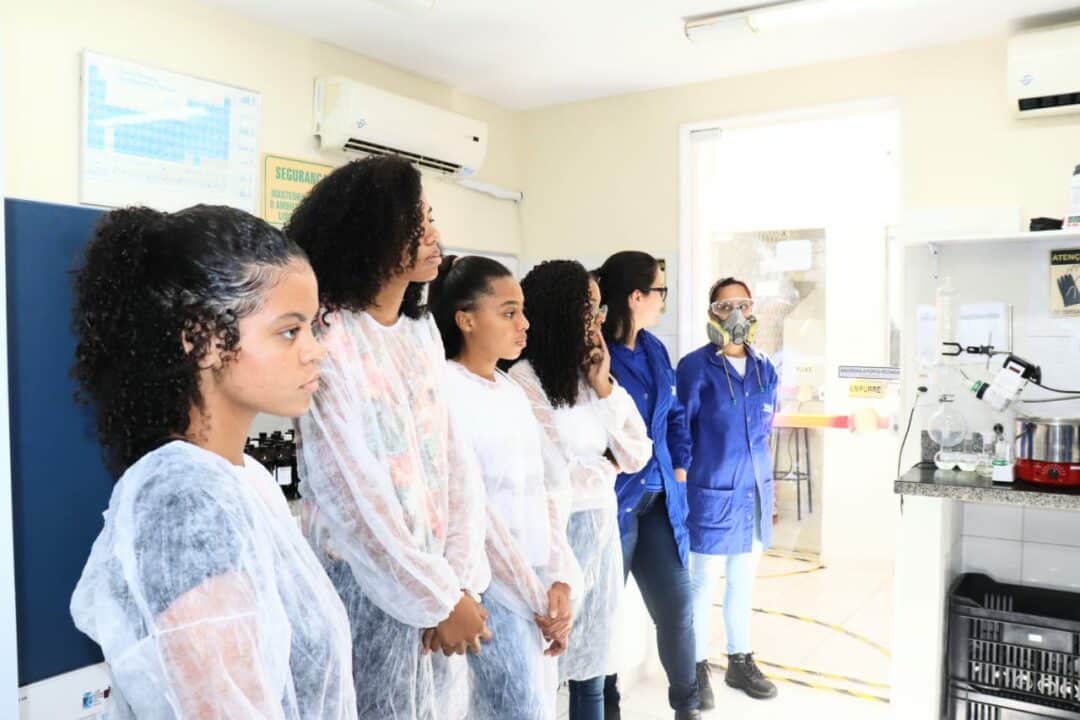
This Thursday (28), the students visited the Tesalab laboratory, which conducts analyses of water and effluents from offshore and onshore companies in the Macaé region. The visit was coordinated by Pedro Costa, Danilo Galvão and accompanied by teacher Margareth Ramos. On that occasion, it was possible to understand how microbiology analyses, oil analyzer (TOG), sanitary effluents, hardness, and alkalinity are performed.
“In most state schools, there are no chemistry laboratories, making it even more difficult for poorer students to learn,”
Pedro Costa – one of the creators of the Thermal Power Plants in Schools project
After completing the modules, students take a test on citizenship and other topics related to electricity covered in the lessons. The students also create a project on alternative electricity, such as wind and solar energy, encouraging them to understand the concept of clean energy and its importance for a sustainable society.
In addition to the state school Visconde de Araújo, the Thermal Power Plants in Schools project is currently taking place at the Télio Barreto and Raquel Reide teaching units in Macaé. Four other cities are also interested. They are: Carapebus, Cabo Frio, Itaburaí, and Petrópolis.








Seja o primeiro a reagir!