Portuguese
  Spanish



Agreement Between CCEE and Ministry of Mines and Energy Provides for Software and Applications for the Modernization of Brazil’s Electric Sector
Published in the Official Gazette of the Union on April 20, Wednesday, the Ministry of Mines and Energy (MME) and the Electric Energy Trading Chamber (CCEE) reached an agreement that includes an investment of 33.6 million reais for conducting studies and research in the electric energy segment of Brazil, an area that has attracted investors.
According to the Ministry of Mines and Energy, the agreement plans to carry out four projects, which involve studies, consulting, and technical work aimed at increasing monitoring capacity and control in the area of electric energy in Brazil. Thus, these services will occur through the so-called Project Meta.
Get to Know Project Meta
In this sense, according to the article by Wilian Miron for the virtual news outlet Broadcast, Project Meta depends on a loan from the Ministry of Mines and Energy with the International Bank for Reconstruction and Development (IBRD), with a total amount equivalent to US$ 38 million in investments. This initiative reinforces the coordinating role of the Ministry of Mines and Energy, considering that participants, such as the CCEE, do not incur financial counterparts and operate in conjunction with the MME to ensure the electricity project succeeds across Brazil.
-
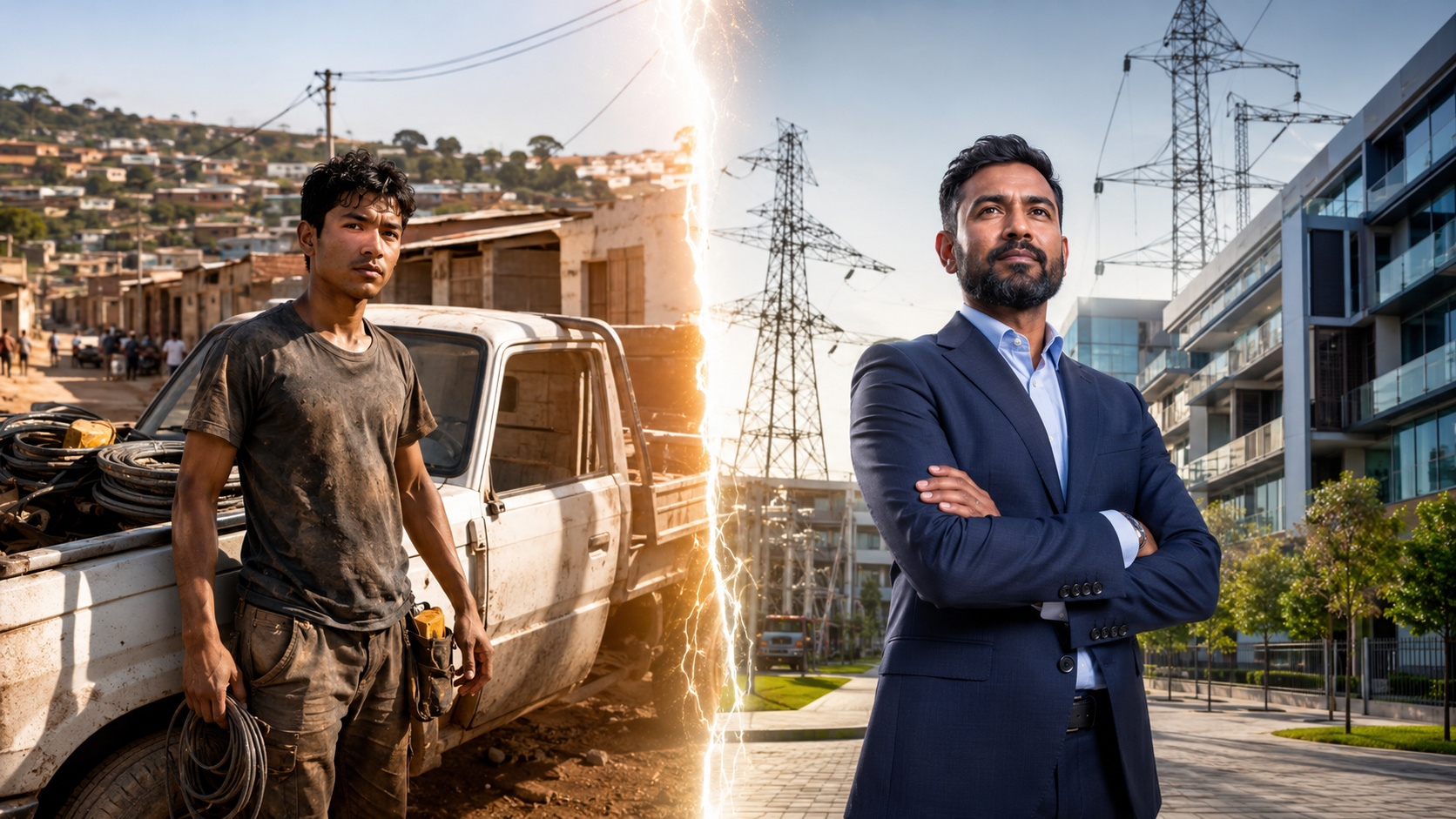
At 14 years old, she worked in a factory in Hong Kong, studied economics abroad, and then entered the Chinese real estate market, which helped change the landscape of Beijing.

-
Fired during apartheid and with a little borrowed money, an electrician started with a borrowed truck and transformed electrical services into a group connected to energy, real estate, and infrastructure in South Africa.
-
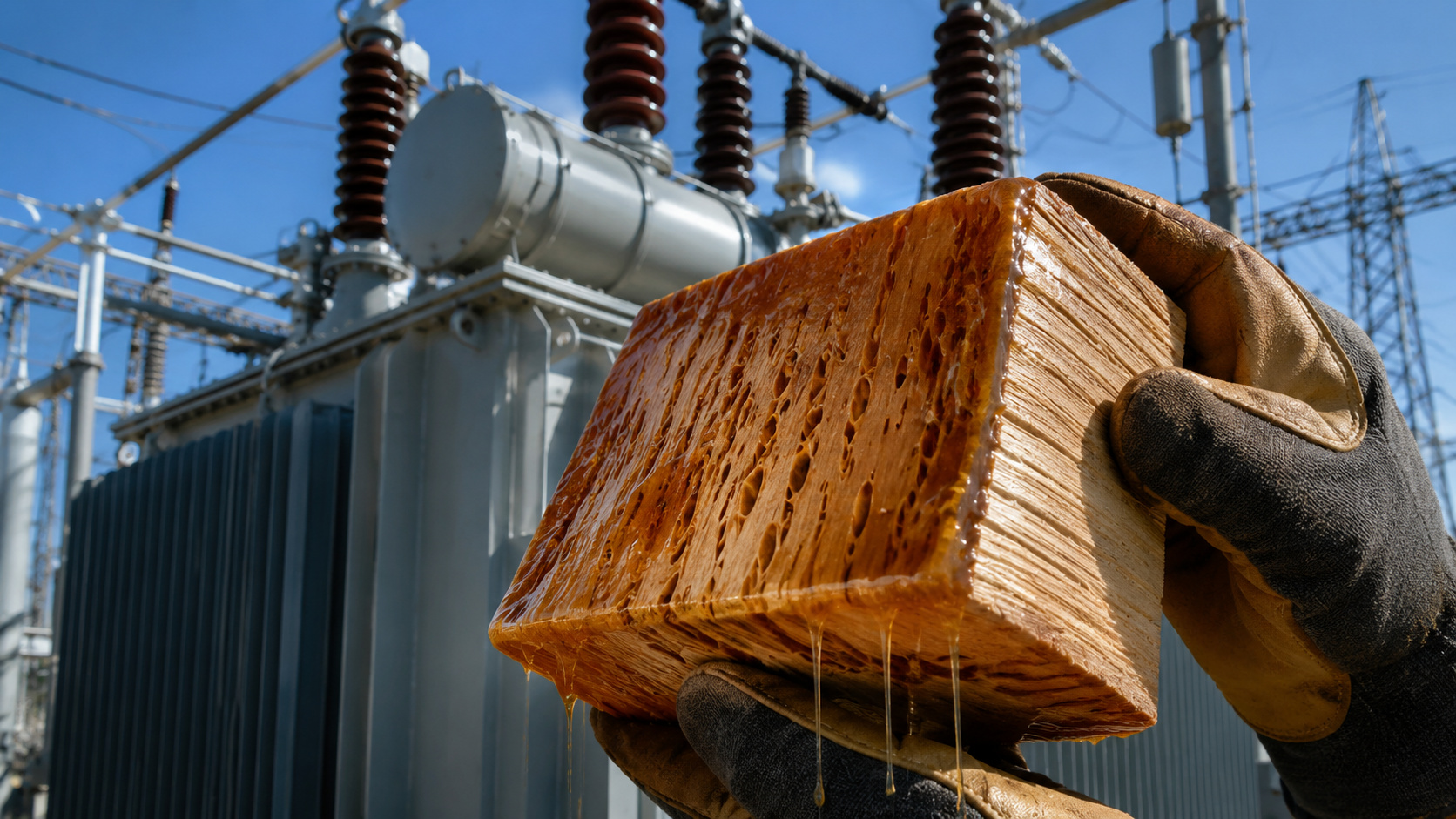
Wood has ceased to be just a construction material in Yale research and has become insulation for electrical transformers that face intense heat, aging, and increasing pressure from the renewable energy-powered grid.
-
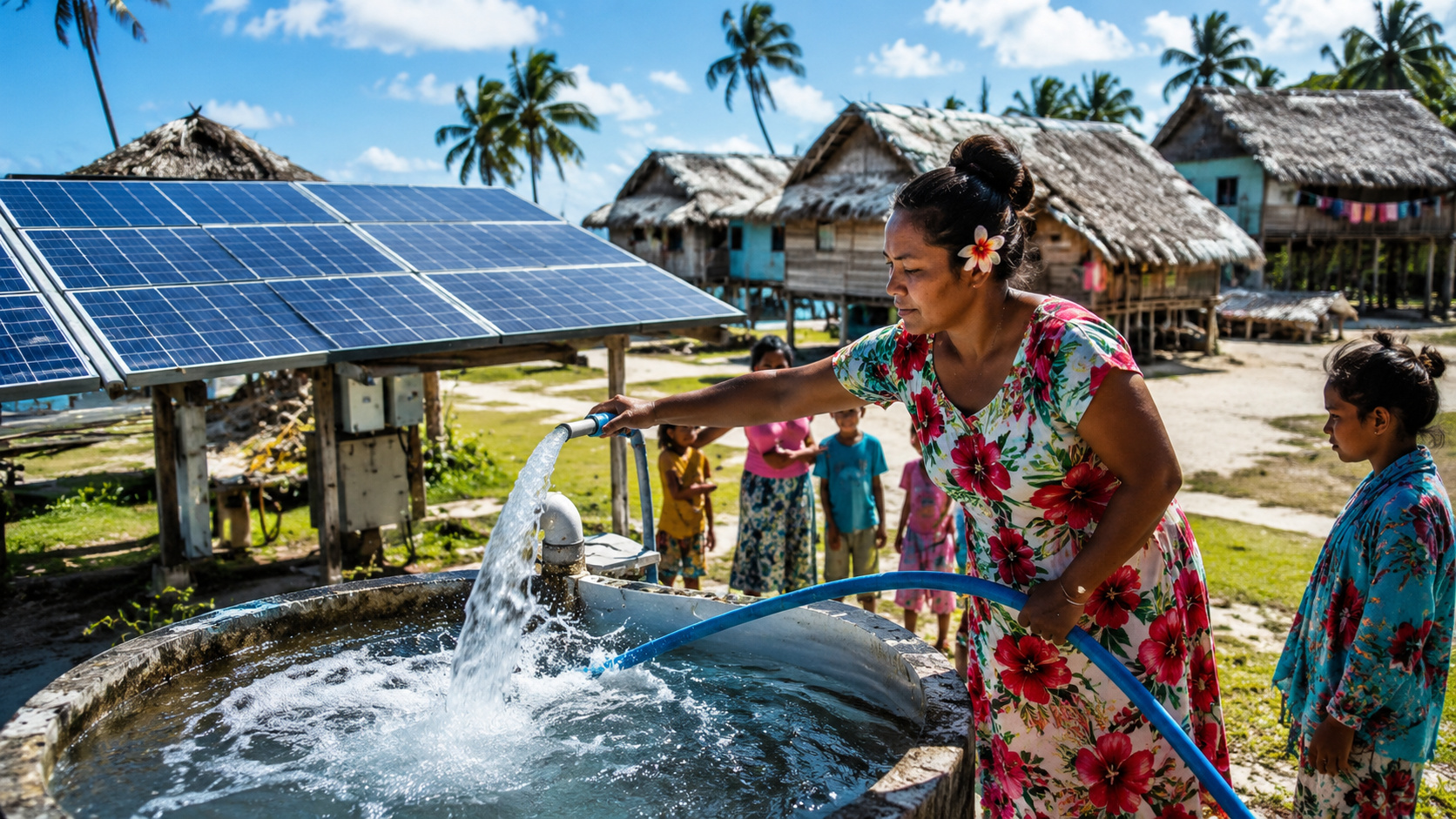
More than 1,000 residents of a remote island in Kiribati now have clean water and electricity with solar systems operated by the community itself.

Moreover, the Project aims to contribute to expanding and consolidating innovations in the electric energy and mining sectors, encouraging competitiveness and sustainable economic development in Brazil, as well as the institutional modernization of these segments.
Dênis Soares, the project coordinator, emphasizes the benefits of the agreement for the energy sector. According to the coordinator, the project’s studies will promote technology in the Accounting and Settlement Systems of the Brazilian Electric Sector, as well as assess the formation of short-term electric energy value.
Finally, the Ministry of Mines and Energy intends to, through collaboration with the Electric Energy Trading Chamber, create applications and software that enhance performance and integrate electric energy systems. Additionally, the implementation of a simulator for calculations and analyses regarding the operation of light bill values in Brazil is also anticipated.
U.S. Scientists Developed Solar Panels That Generate Energy at Night
Scientists have discovered that it is possible to generate energy from solar panels with the help of a photovoltaic cell at night through the temperature difference during the night, when the air is cooler. The research was conducted by scientists from Stanford University in the United States.
Essentially, solar energy is generated when the sun’s energy is irradiated to a solar panel at a lower temperature. Subsequently, the solar cells of the panel, made with layers of a semiconductor material, generate a flow of electricity.
The difference with the solar panel created by the Stanford scientists is the presence of a device capable of incorporating a thermoelectric generator that draws electricity from the temperature difference between the environment and the photovoltaic cell of the panel. To learn more, check out the full article by clicking here.