





 Portuguese
  English
  Spanish
 4 min of reading
  0 comments


The Great Integration Bridge: The Four-Decade Wait That Is More Than Just Another Concrete and Steel Structure!
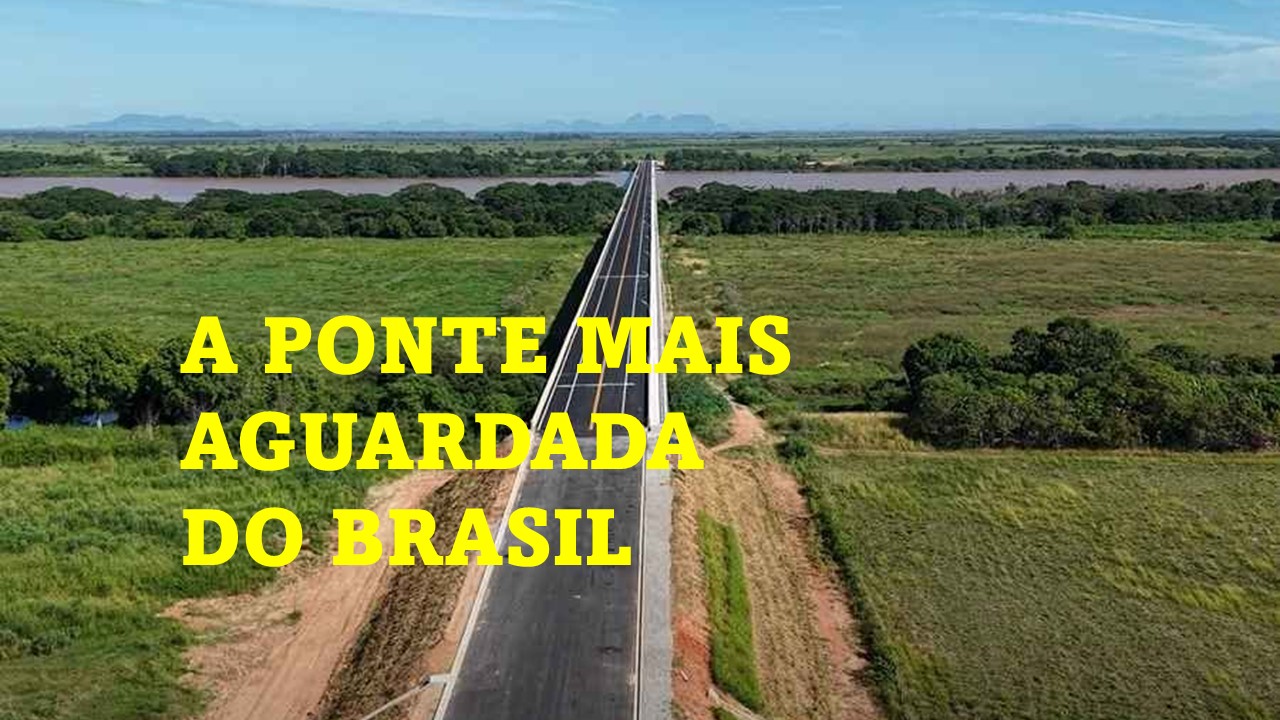
Imagine having to wait over 40 years for a vital link between two municipalities, separated by one of the most important rivers in southeastern Brazil. This is the reality for many who have experienced unfulfilled political promises and unfinished projects. But, finally, this wait has come to an end with the inauguration of the Deputado João Peixoto Integration Bridge. This is not just another concrete and steel structure; it is a symbol of overcoming, patience, and transformation for the northern Fluminense region.
Located between São João da Barra and São Francisco de Itabapuana, the bridge spans over 1.3 kilometers across the majestic Paraíba do Sul River. It represents the realization of a collective dream and the end of an isolation that stifled local development. In this article, we will explore the grandeur of the Integration Bridge, its strategic importance, the long and tumultuous history of its construction, and the impacts that are already being felt across the region.
What Is Worse? 1 Hour by Ferry or 87 km by Car?
The Paraíba do Sul is one of the main rivers in the state of Rio de Janeiro, essential for water supply and for the economy of the basin. Before the construction of the bridge, those needing to cross this river faced two inefficient options. The first was to use ferries, a system that proved slow and unstable. The crossing could take up to an hour, considering the waiting time and weather conditions. On days of bad weather or river flooding, the service was suspended, isolating entire communities.
-
These living root bridges and ladders are over 700 years old and help indigenous people survive in one of the rainiest regions in the world.

-
From sertanejo star to international investor: Ana Castela invests millions in a mansion in the USA, creates a themed accommodation in Orlando, and shows that the “boiadeira” also wants to grow away from the stage.

-
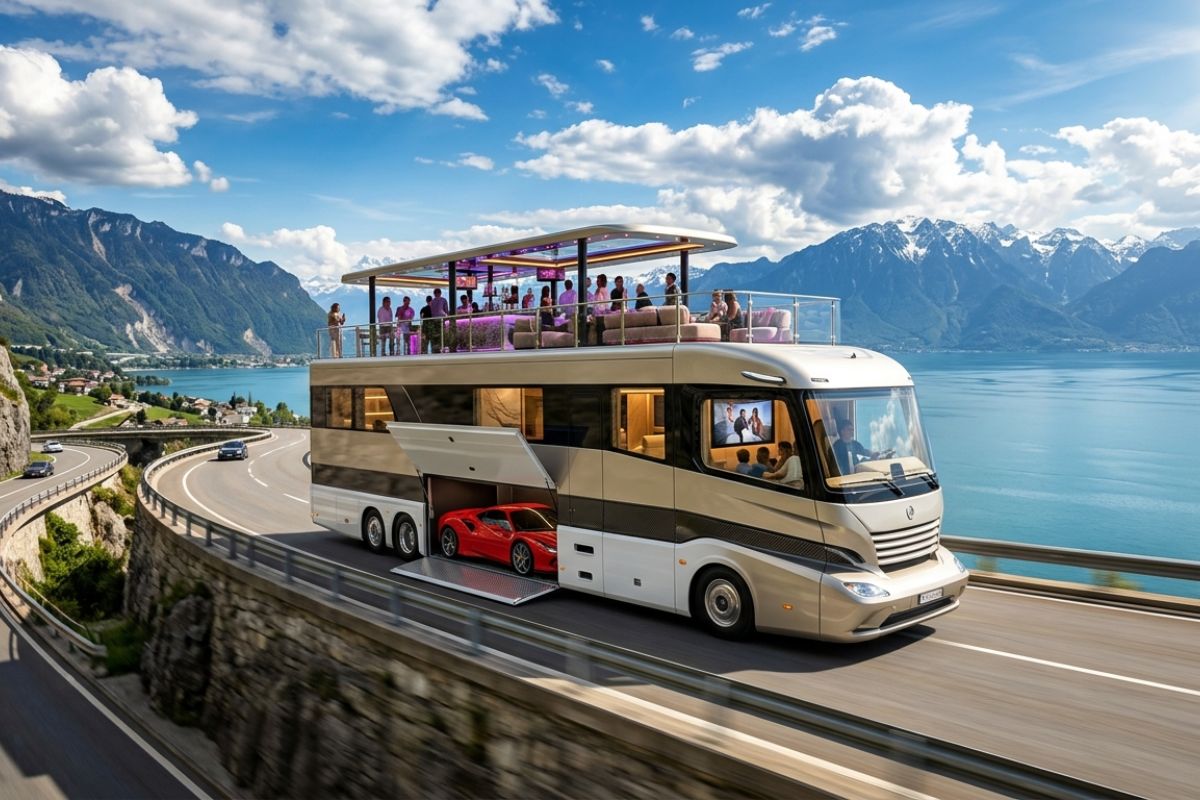
The 10 most stunning motorhomes in the world: a $3 million trailer with a rooftop nightclub and garage for a Ferrari, “palaces on wheels” with Italian marble, private cinema, and five-star hotel luxury for billionaires.
-
Trump wanted to spend $400 million on the White House, but the courts prohibited the million-dollar construction.


The second alternative was even more exhausting: traveling 87 kilometers by land, passing through Campos dos Goitacazes before returning to São Francisco. This route took about an hour and forty minutes, consuming more fuel and increasing vehicle wear. The construction of the bridge not only eliminates these problematic options but also transforms mobility in the region.

With the Integration Bridge, the distance has been reduced to just 57 kilometers, cutting about 30 kilometers from the previous route and decreasing travel time to just over 30 minutes. This reduction has a direct impact on logistics, economy, and mobility. Trucks, ambulances, students, and workers can now cross the river efficiently and predictably — something unthinkable just a few years ago.
Piles of 25 m Deep, 1,300 Meters Long, and 16 Meters Wide: A Breathtaking Structure!
The Deputado João Peixoto Integration Bridge is 1,344 meters long and 16.2 meters wide, divided into two lanes in each direction, with wide shoulders and lateral walkways for pedestrians. This robust structure is supported by 34 spans, anchored on pillars with deep foundations to ensure the necessary safety and stability.
The construction involved a series of technical and operational challenges. The alluvial soil, characteristic of the region, required innovative solutions in civil engineering. Piles driven over 25 meters deep were used to ensure that the bridge was safe and durable. Each pillar was molded with high-strength concrete, and the assembly of the deck required specialized equipment and precise coordination.
In addition to the bridge itself, the project included the modernization of the RJ-196 and RJ-194 highways, adding over 36 kilometers of new lanes, drainage, and complete signage. This interconnection with the BR-101 and the Porto do Açu transforms the bridge into a new vital logistics axis for the northern and northwestern Fluminense.
A Story of Waiting and Overcoming
The story of the Deputado João Peixoto Integration Bridge is marked by decades of unfulfilled promises and political challenges. The project emerged in the 1980s, during the military government of President João Figueiredo, and while some pillars were erected, the project was abandoned before being completed. For years, what remained was a monument to broken promises.
Several governments attempted to resume construction, but the project was halted due to political obstacles, contractual disputes, and budgetary issues. In 2014, the project was restarted, but was again paralyzed in 2016. Real progress occurred in 2021 when Governor Cláudio Castro decided to prioritize the completion of the bridge, coordinating resources and technical reassessments.
Unfortunately, the project’s advocate, Deputy João Peixoto, passed away in 2020 due to COVID-19, without seeing his realization. However, his name is now a symbol of perseverance and commitment to the region’s development.

Comparisons and Impacts
Although the Integration Bridge is not the largest in Brazil, its social and logistical impact places it on a high level. Compared to structures like the Rio-Niterói Bridge, which has a length of 13.2 kilometers, or the bridge over the Madeira River, the new Fluminense bridge may seem modest in size, but what it represents for northern Fluminense is transformative.
The savings of 30 kilometers on the direct route between the two municipalities equates to thousands of liters of fuel saved each month, as well as significantly reducing travel time. This is comparable to the impact that the transposition of the São Francisco River had on the water supply in the Northeast.
The Integration Bridge is already changing the dynamics of the region. The benefits are not limited to vehicle traffic; the improvement in logistics is also fostering economic growth, creating new opportunities, and facilitating the transport of agricultural and industrial products.
And what do you think about this transformation? Leave your comments and share your opinions on the new Integration Bridge!







Seja o primeiro a reagir!