





 Portuguese
  English
  Spanish
  4 min of reading
  2 comments


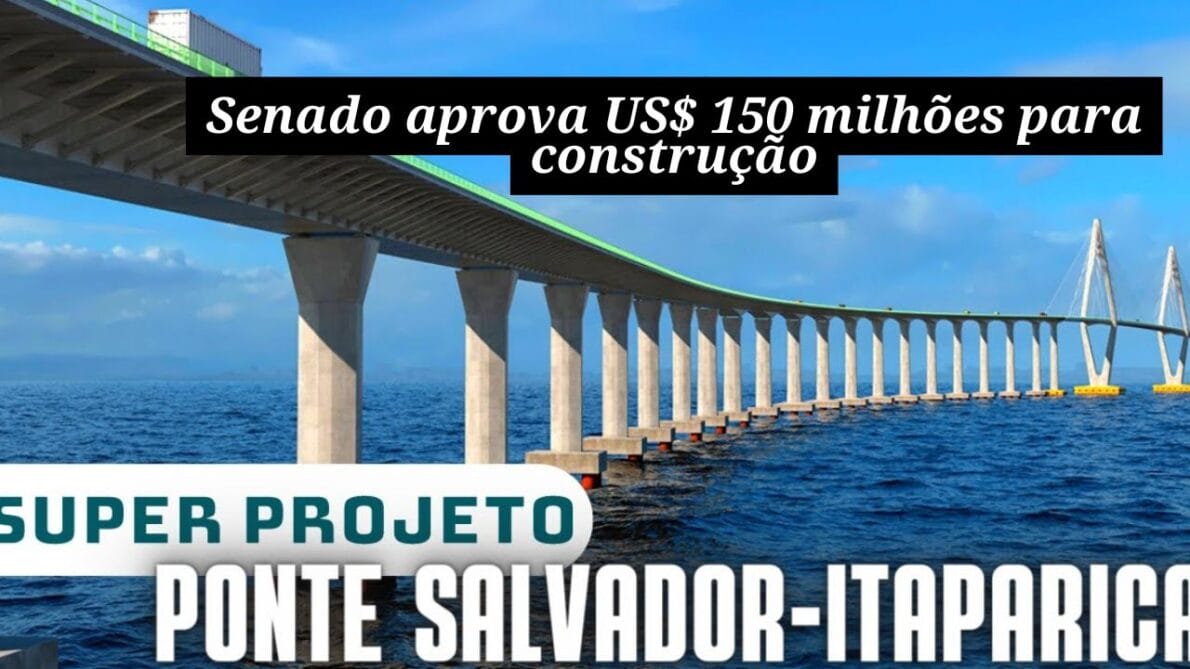

Senate Approves US$ 150 Million For Construction Of Salvador-Itaparica Bridge: Dream Getting Closer!
The Committee on Economic Affairs (CAE) of the Federal Senate approved, on Tuesday (8), a loan of US$ 150 million (about R$ 800 million) from the Andean Development Corporation (CAF) for the construction of the Salvador-Itaparica Bridge.
The committee also approved an additional US$ 150 million from the Inter-American Development Bank (IDB), intended for the construction of Basic Health Units (UBS), Psychosocial Care Centers, Specialized Rehabilitation Centers, and a laboratory. In other words, investments that go far beyond the bridge, positively impacting the entire region!
Advances In The Construction Of The Salvador-Itaparica Bridge
With the start of the earthworks, the support site for drilling is already in full operation on Engineer Oscar Pontes Avenue, in the Calçada area of Salvador. The seaside location has over 20 modules housing high-tech laboratories, a cafeteria, and administrative offices where 50 people work.
-
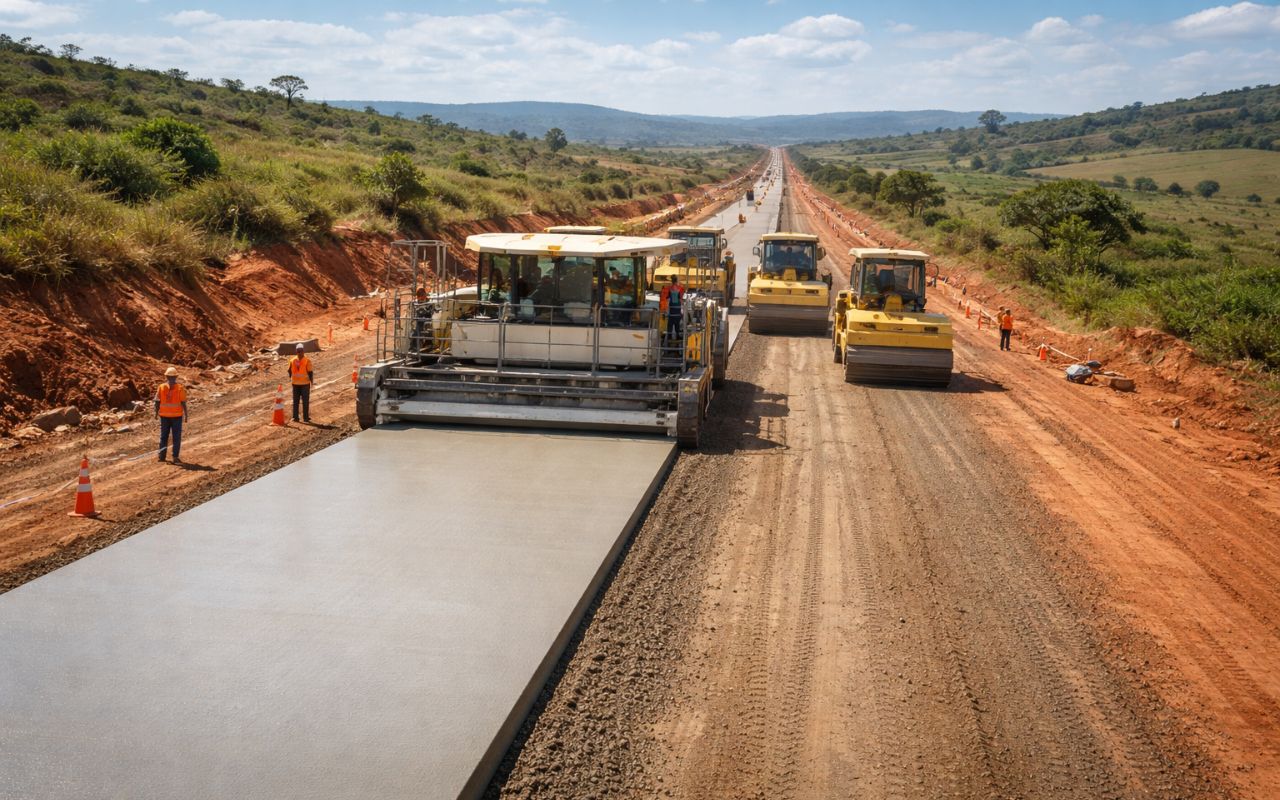
New CCR concrete paving technology promises roads up to 3x more durable, less maintenance, and cost reduction in Brazil.
-
Made from recycled plastic, plastic wood is gaining space in the construction industry because it does not rot, resists moisture, and reduces maintenance costs over the years.

-
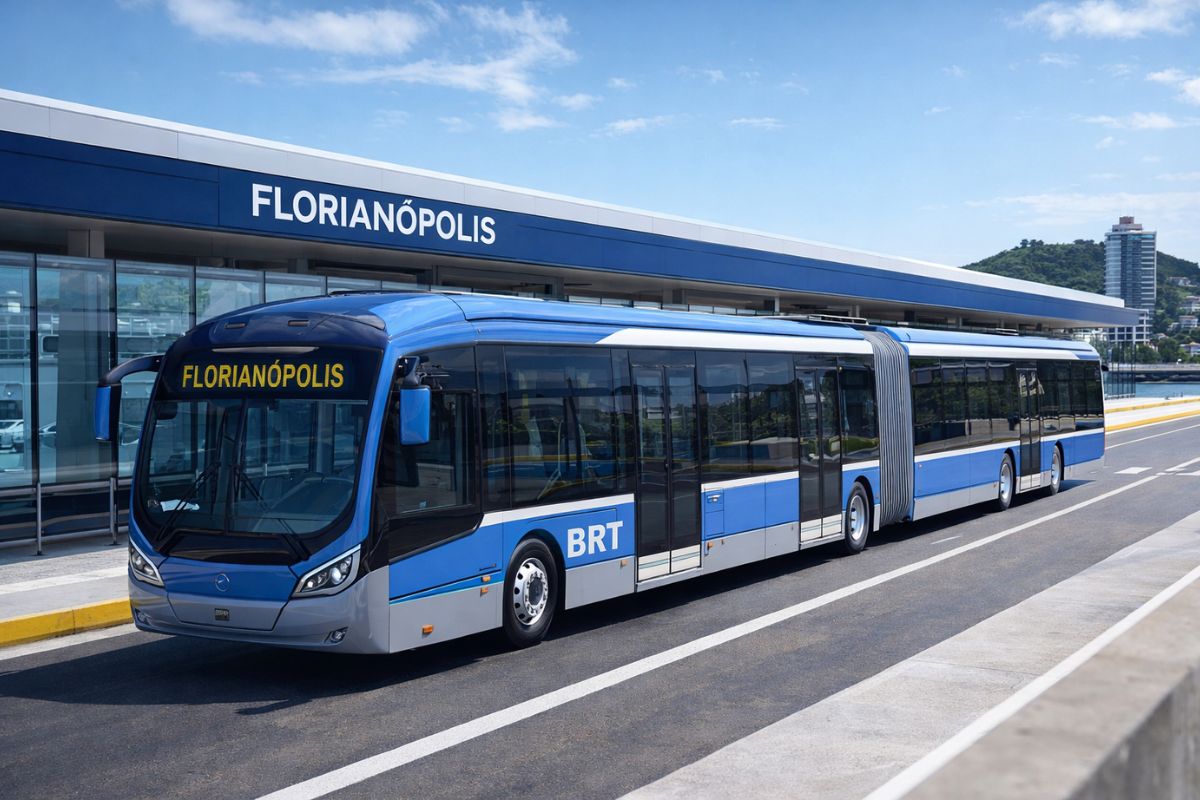
Florianópolis will receive a million-dollar BRT that will begin construction in 2026 with nearly 400 million in funding from the federal government and the Inter-American Development Bank, and the map already shows the routes for the exclusive bus corridors.
-
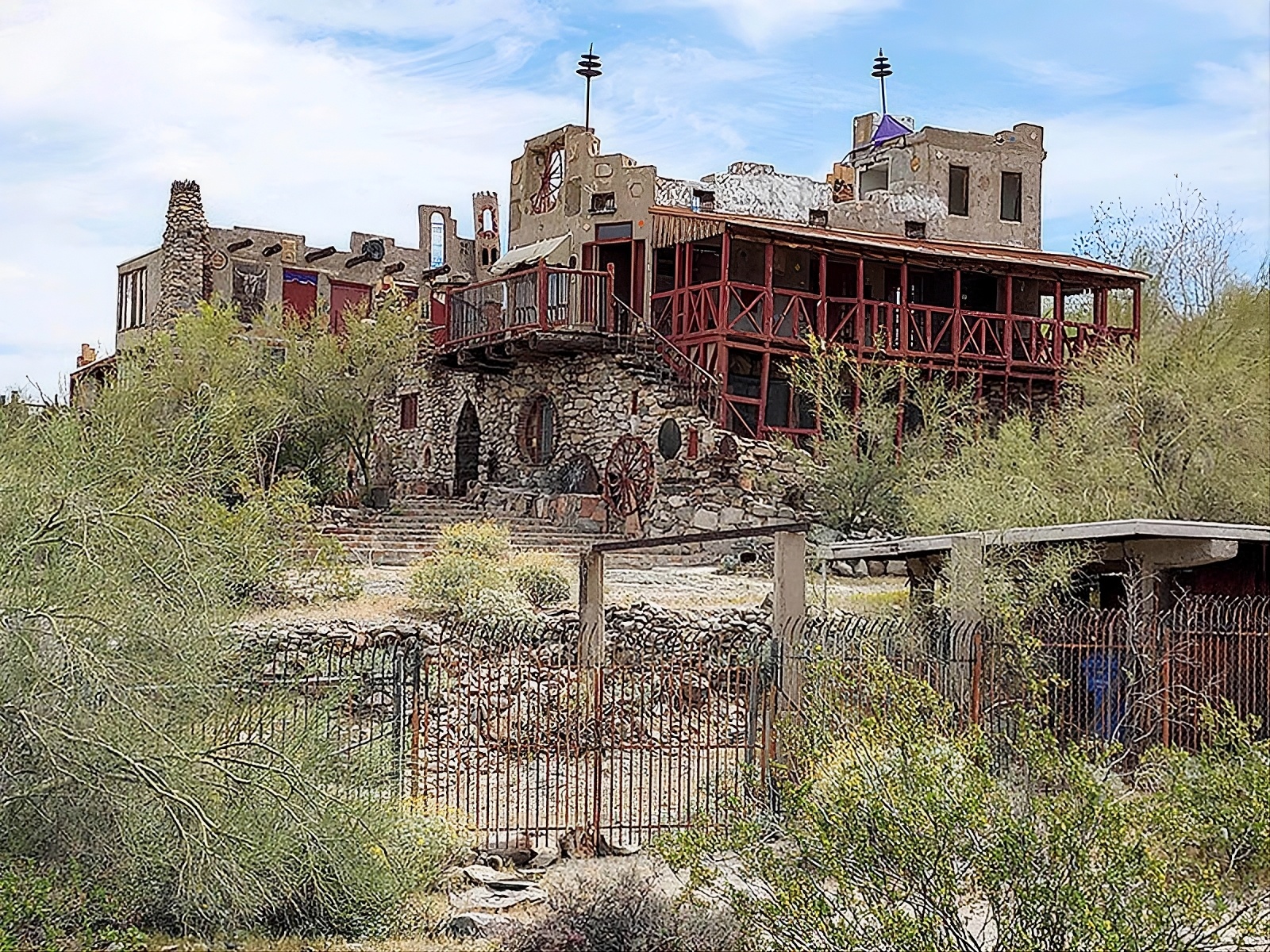
Without a blueprint, without an engineer, and using scrap from the dump, a father spends 15 years building an 18-room castle for his daughter, featuring tram tracks, 13 fireplaces, and over 700 m², which may now be demolished.
According to the concessionaire that manages the bridge, these laboratories specialize in soil and rock sample tests, using equipment that came from China exclusively for this activity. Detailed analyses of grain size, moisture, liquidity limits, and plasticity, as well as compression tests, are performed on soil collected from the bottom of the All Saints Bay.
The Proximity Of Laboratories To The Collection Site Is Strategic
In the rock samples, aspects such as point load, bulk density, and tensile strength are meticulously studied. According to Claudio Villas Boas, CEO of the Salvador-Itaparica Concessionaire, the proximity of the laboratories to the collection site is strategic, speeding up the entire process.
The drilling phase involves obtaining samples from the seabed at 102 points where the bridge’s pillars will be constructed. This phase is crucial for understanding the land’s characteristics and defining the structure’s foundation, ensuring safety and durability for the Salvador-Itaparica Bridge.
Since the onset of land operations in January this year in Vera Cruz, 17 Bahia companies have been contracted, and 300 direct and indirect jobs have already been generated just from the drilling, which represents an investment of R$ 160 million.
Tax Benefits Boost The Construction
The project received an important federal incentive. The Salvador-Itaparica Concessionaire was authorized by the Federal Revenue Service to be part of the Special Tax Incentives Regime For Infrastructure Development (Reidi). In practice, this means that the concessionaire will not have to bear the tax burdens of PIS/Pasep and Cofins, exempting the implementation of this strategic project.
The understanding is that the Salvador-Itaparica Road System will improve traffic in the Metropolitan Region of Salvador, Recôncavo, and Baixo Sul, in addition to connecting important highways such as BR-101, BR-116, and BR-242. This will facilitate transportation, attract investments, and stimulate the region’s economic development.
FIEB Visit Reinforces The Importance Of The Work
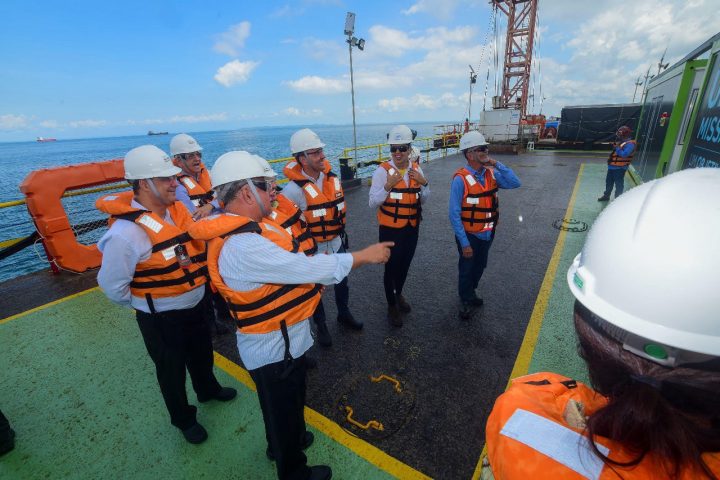
The president of the Federation of Industries of the State of Bahia (FIEB), Carlos Henrique Passos, and other representatives of the entity visited the drilling barge of the Salvador-Itaparica Bridge. Guided by the project’s CEO, Claudio Villas Boas, they learned about the vessel equipped with a drilling machine capable of operating even in adverse weather conditions.
With 75 meters in length and a deck area of approximately two thousand square meters, the new barge reinforces the drilling of the Salvador-Itaparica Road System. After the visit, the delegation visited the support site for drilling in Calçada, where the material collection analysis laboratories are located.
“It is very important for FIEB to closely monitor the progress of the bridge works, which is one of the largest infrastructure projects in Brazil. This is an opportunity to further develop the industry in our state, generating more jobs and income in Bahia. We already know that out of the 20 companies contracted for drilling, 17 are from Bahia,” highlighted Passos.
The Future Approaching The Construction Of The Salvador-Itaparica Bridge
With the loan approved and drilling work in full swing, the construction of the Salvador-Itaparica Bridge is getting closer to becoming a reality. This project will not only transform mobility between Salvador and Itaparica but also boost the economic, social, and tourist development of the entire region.
Are you excited to cross the Salvador-Itaparica Bridge and witness this transformation up close? Leave your opinion in the comments!







ESSA PONTE E UM SONHO DOS BAIANOS, VAI TRAZER UM GRANDE DESENVOLVIMENTO PARA A BAHIA, E UMA OBRA GRANDIOSA, ESTAMOS TORCENDO
Que venha essa grande realização!!!