





 Portuguese
  English
  Spanish
  3 min of reading
  0 comments


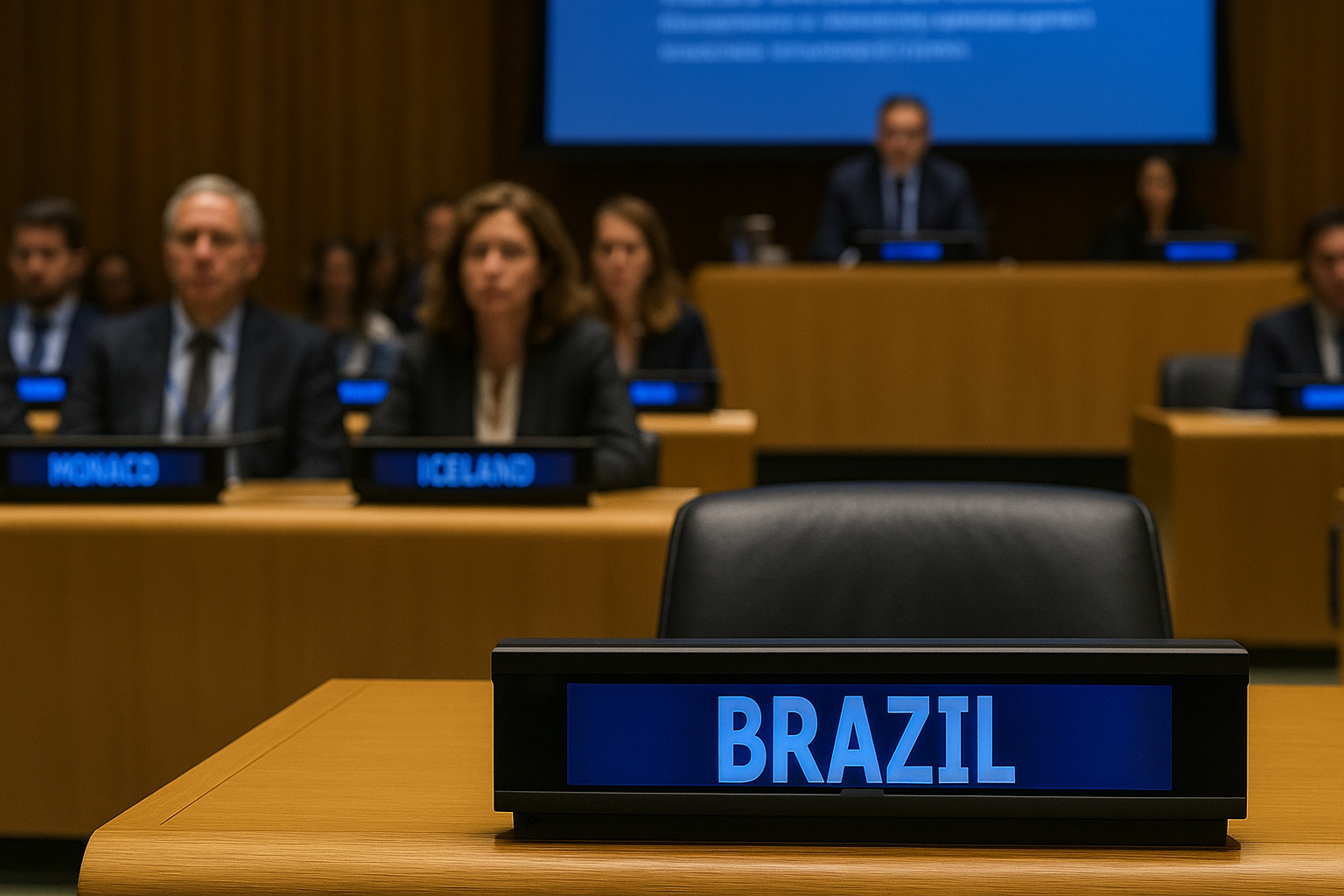
Delay In Approval Of The Environmental Treaty In Brasília Prevents Active Participation Of The Country In High-Level Event In New York
The Brazil was left out of a decisive meeting in New York on September 24, 2024, during the UN General Assembly. The meeting gathered only the countries that have already ratified the High Seas Treaty, an agreement considered a milestone for the protection of marine biodiversity.
Promise Made At The Ocean Conference In France
In June 2024, President Luiz Inácio Lula da Silva attended the Ocean Conference in Nice, France, and promised that Brazil would ratify the treaty. The agreement provides for the creation of large conservation zones in international waters, covering almost half of the planet’s surface.
However, by September, the promise had not been fulfilled. Thus, Brazil could not participate as a protagonist in the meeting in New York and ended up restricted to attending as a guest, without decision-making power.
-
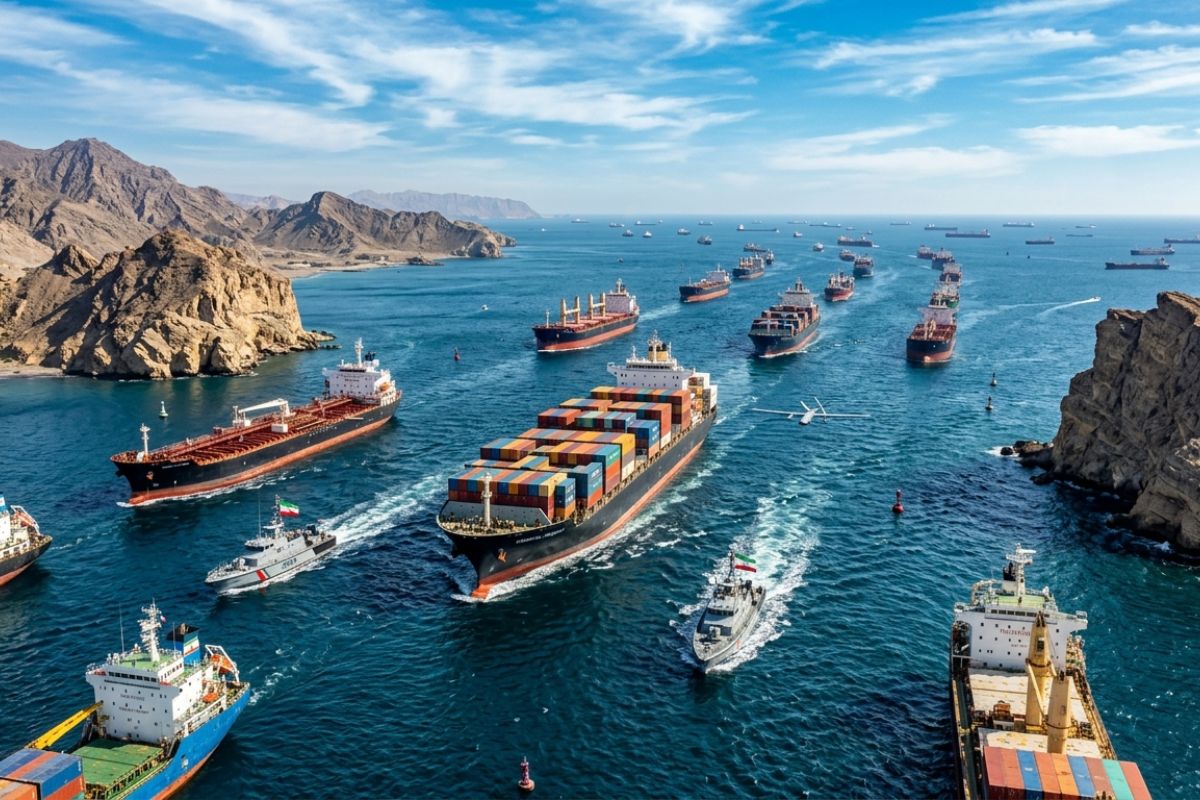
Iran authorizes the passage of ships with essential goods in the Strait of Hormuz, requires coordination and protocols; UN postpones resolution to reopen the oil route, while China, France, and Russia reject the use of force.
-
The Ukraine war exposes the strength of the M113 armored vehicle amid modern warfare with military drones.

-
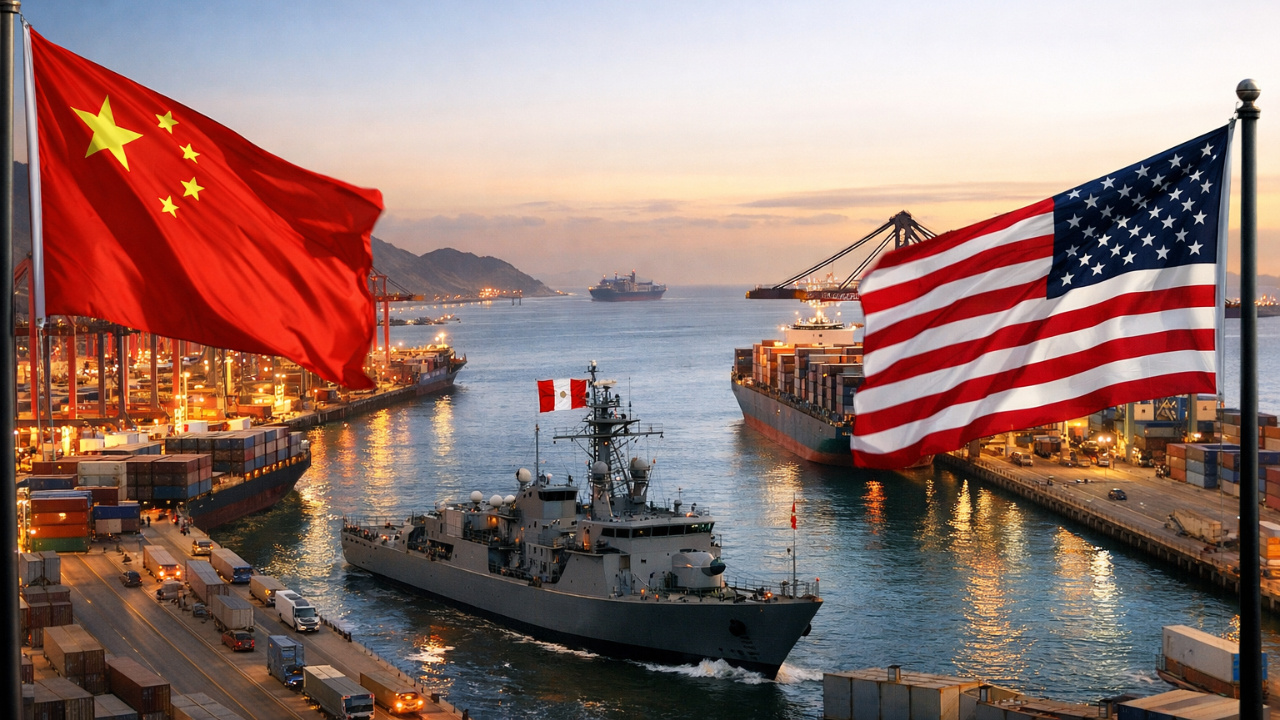
Maritime geopolitics: China and the USA compete for strategic ports in Peru.
-
Iran shoots down two US aircraft: F-15 fighter crashes in mountainous area, one crew member is rescued and another is still missing; second crash in the Persian Gulf exposes still active air defense, says US intelligence.

International Agreement Already In Effect With 61 Adherences
The treaty reached its 60th ratification on September 19, 2024, a milestone that ensured its entry into force. Just a few days later, on September 23, there were already 61 adhering countries. Therefore, while the world advanced, Brazil had not yet completed its adhesion.
As a result, experts and environmentalists pointed out that the delay represented a loss of space and international leadership. Additionally, they stated that the government “waited too long” by not accelerating the legislative process, wasting a strategic moment.
French Diplomatic Pressure Had No Effect
The Embassy of France sent a letter on September 10, 2024, to Senator Davi Alcolumbre, requesting urgency in the processing of the treaty in Congress. For the French, Brazilian participation as an active member would be a clear signal of leadership and environmental commitment.
However, even with the alert, only at the beginning of September was the draft legislative decree approved by the Chamber of Deputies. Then, the text moved to the Federal Senate, where it began to be processed by the Foreign Relations Committee (CRE).
The rapporteur of the process, Senator Humberto Costa (PT-PE), completed the report and, therefore, the expectation was that it would be voted on Thursday, September 26, 2024, before moving to the plenary.
Next Chance: COP30 In Belém
Although the country lost ground in New York, experts believe that Brazil may regain prominence if it ratifies the treaty by COP30, scheduled for 2025 in Belém (PA).
Furthermore, environmental entities emphasize that this will be the ideal time to show the world that the country remains committed to global ocean governance and international sustainability.
By missing the UN meeting, Brazil let slip an opportunity to reinforce its international leadership in ocean protection.
However, COP30 in Belém represents a new chance to regain space and reaffirm environmental commitments. The question remains: will the country be able to reverse this scenario in time?










-

-

-

6 pessoas reagiram a isso.