





 Portuguese
  English
  Spanish
  3 min of reading
  0 comments


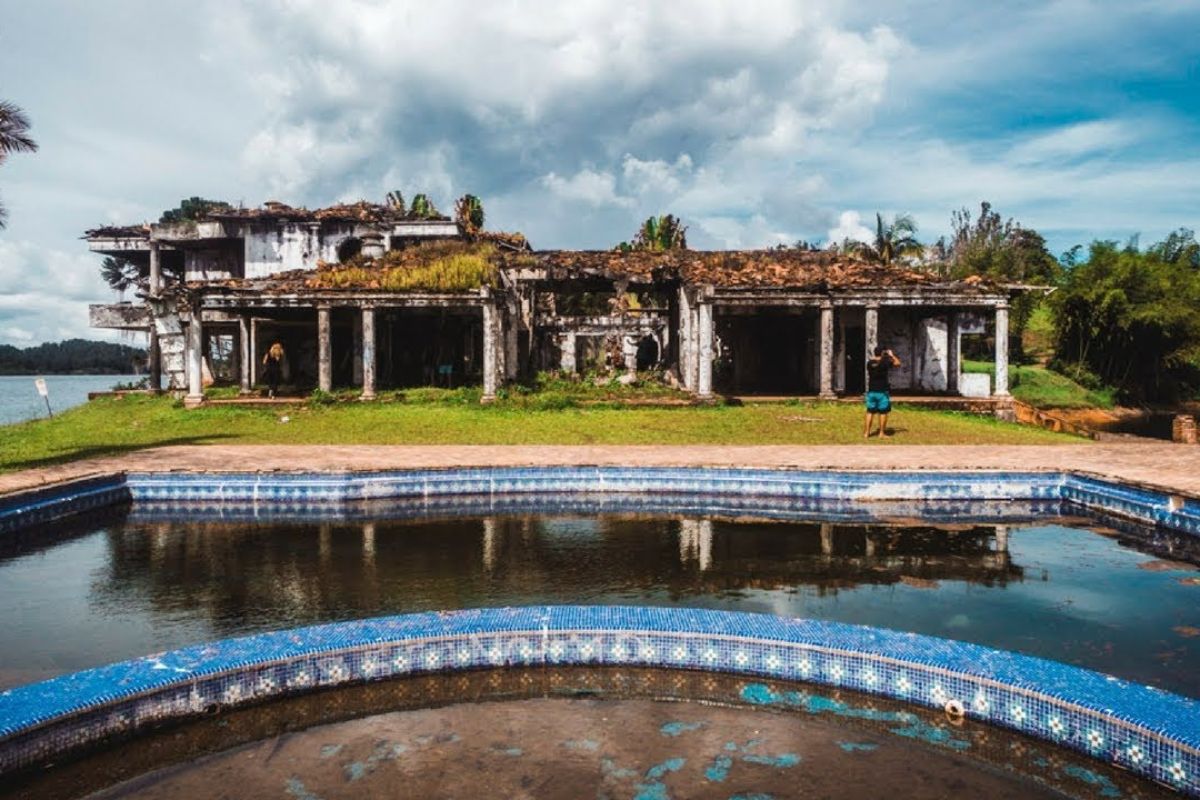
After Decades Abandoned, Pablo Escobar’s Property On The Shore Of The Artificial Lake Of Guatapé Was Sold At A Public Auction For About R$ 110 Million, The Mansion La Manuela, Marked By Explosions From 1993, Remains In Ruins And Has Become A Tourist Attraction With Structures And Pool Useless Due To Contamination.
Pablo Escobar’s property that Symbolized The Height Of The Medellín Cartel Was Sold At A Public Auction Even In Ruins, After Years Abandoned And Taken Over By Vegetation.
Named La Manuela, In Honor Of The Drug Dealer’s Daughter, The Mansion Is Located In Guatapé, East Of Medellín, On The Banks Of An Artificial Lake, And Was Once Surrounded By A Security Scheme Estimated At Around 120 Armed Men.
Auction Sale And Value
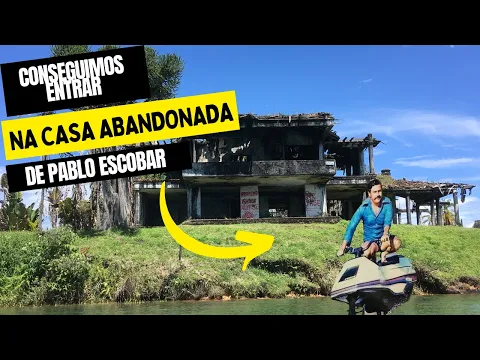

Even Abandoned Since The 1990s, The Mansion Was Auctioned For Approximately R$ 110 Million.
-
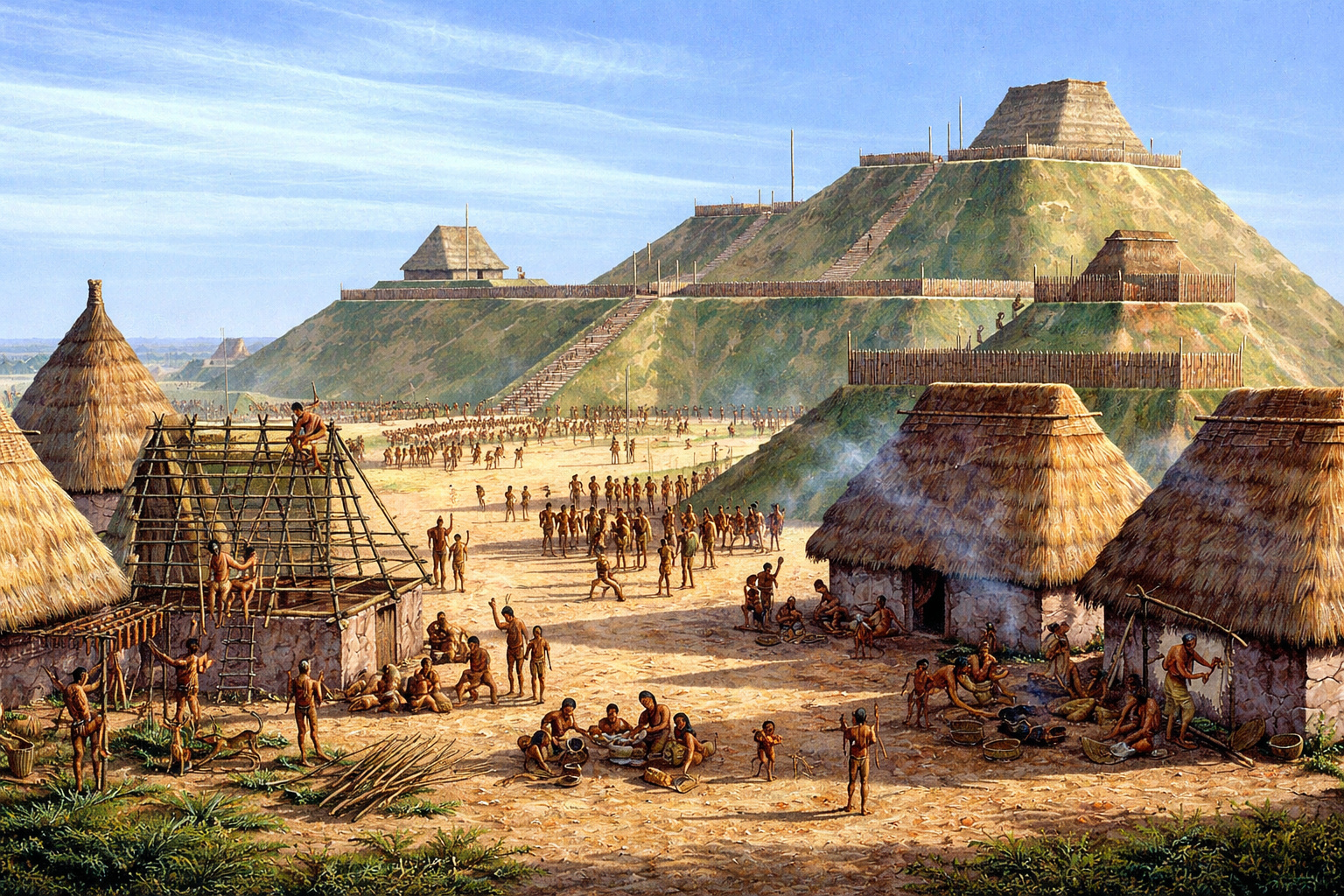
With over 14 million baskets of earth moved, an ancient North American metropolis built a monumental pyramid of 30 meters and established a city with 20,000 inhabitants nearly a thousand years ago.
-
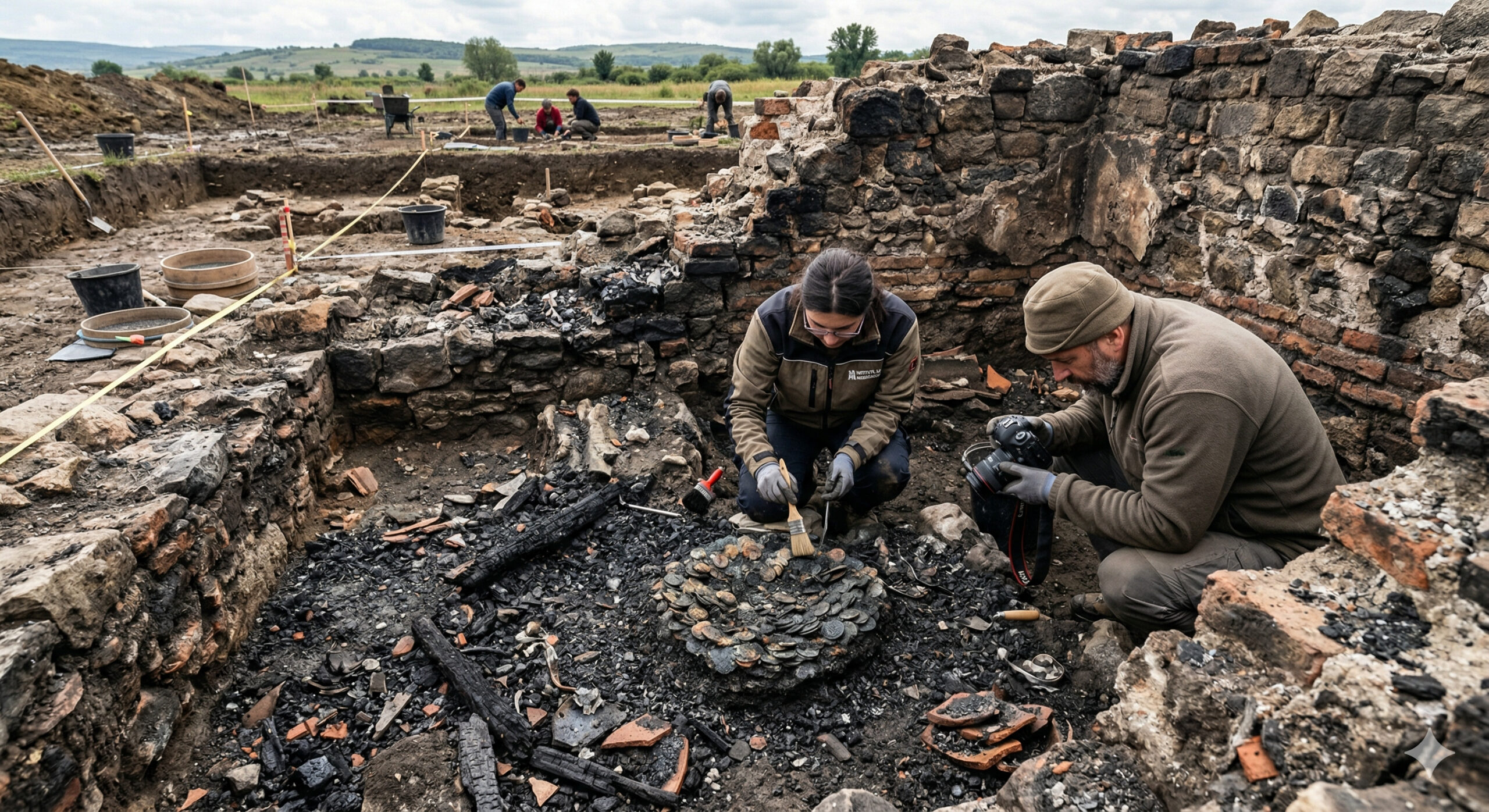
A 1,900-year-old treasure emerges from a Roman house destroyed by fire and sealed since antiquity in Romania, with coins and metals fused among the ashes.
-
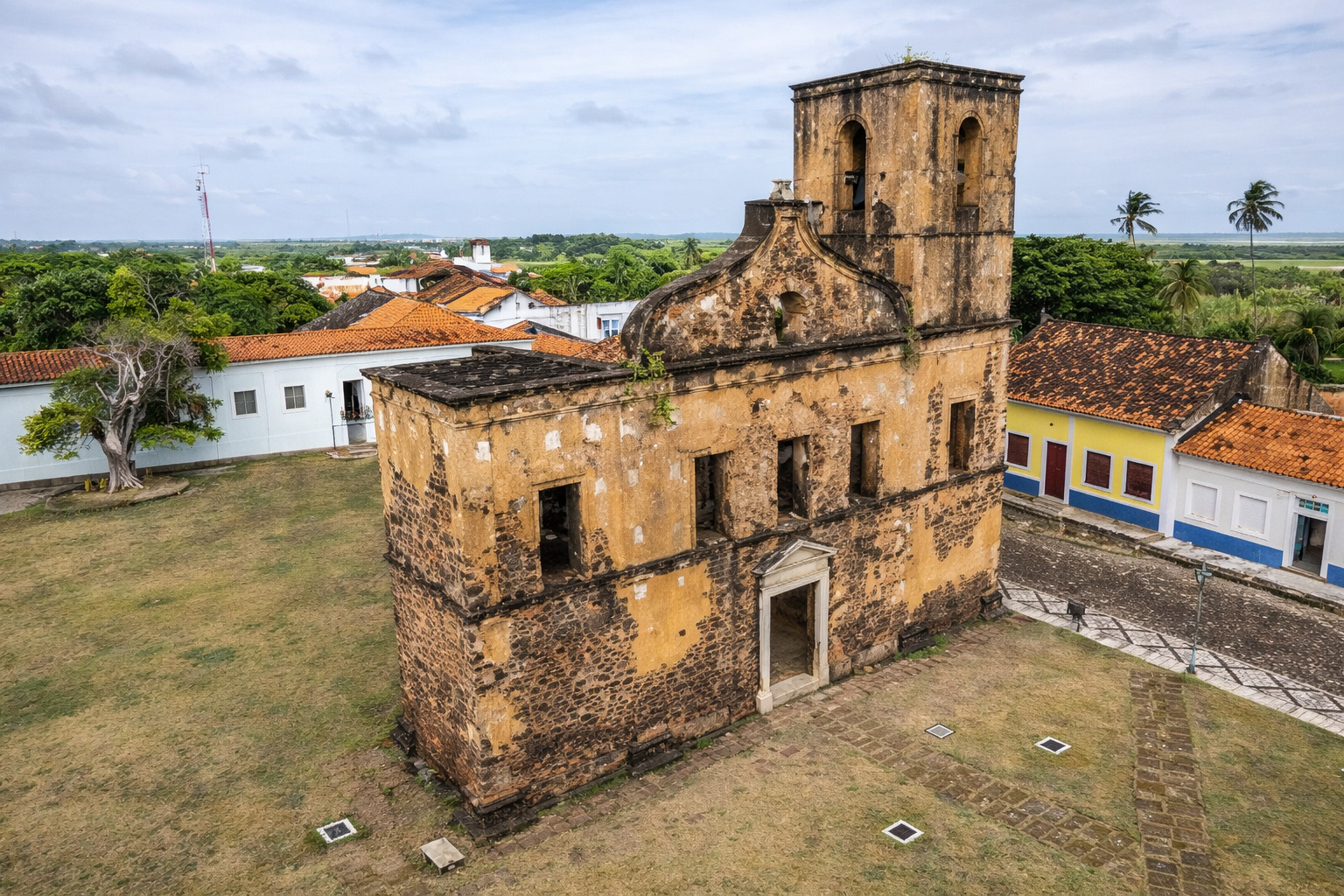
The Brazilian colonial city that stopped in time and shares territory with a rocket launch base.
-
79-year-old woman challenges limits, visits 193 countries in the world after 56 years of planning and reveals the behind-the-scenes of a global journey that few have managed to accomplish.


The Starting Bid Was Just Over 11 Million Pounds, And The Deal Concluded A Wait That Had Dragged On For Decades.
Pablo Escobar’s Property Changes Hands With Its Physical State Still Critical: Part Of The Structure Is Destroyed And The Rest Shows Signs Of Deterioration.
Guatapé And The Design Of A Private Fortress
Located In Guatapé, East Of Medellín, The Mansion La Manuela Was Built In The Late 1980s, On The Edge Of An Artificial Lake.
At Its Peak, The Location Was Treated As A Fortress, With Surveillance Assigned To About 120 Armed Men.
Reports About The Property Point To Double Walls Designed To Hide Large Quantities Of Money And Cocaine, A Trademark Of The Period When Drug Trafficking Operated With Logistics And Paranoia.
Explosives In 1993 And The Beginning Of The Ruins
In 1993, Shortly Before Escobar’s Death, The Mansion Was Partially Destroyed By Explosives.
The Attack Was Attributed To The Group Los Pepes, Formed By Former Allies Of The Trafficker And Funded By The Rival Cali Cartel.
About 200 Kilograms Of TNT Were Detonated On The Property, And The Ruins Became A Defining Feature Of The Landscape. Since Then, The Area Has Remained Abandoned, Without Structural Recovery.
Tourism, Remaining Structures And The Useless Pool
Even In Ruins, The Address Continued Attracting Millions Of Curious Tourists Over The Decades.
Some Structures Withstood The Destruction, Such As A Soccer Field That Also Served As A Helipad, The Butler’s House, And A Building Used As A Bar And Restaurant.
The Pool, However, Became Useless Due To Deterioration And Water Contamination, Reinforcing The Contrast Between The Ostentatious Past And The Present Of Abandonment.
State Administration And The End Of A Cycle
The Sale Was Confirmed By The Special Assets Society, An Agency Of The Colombian Government Responsible For Managing Seized Assets From Organized Crime.
The Public Auction Was The Chosen Path To Transfer Ownership Of The Property.
After Escobar’s Death, The Land Was Cared For By Gardener William Duque For About 30 Years, Who Left The Location In 2019.
Since Then, The Vegetation Has Advanced And The Mansion Has Lost Even More Of Its Original Structure.
The Numbers Of Drug Trafficking That Stuck To The Mansion
Escobar Led An Organization Described As Responsible For Smuggling Over 80% Of The Cocaine Consumed In The United States.
At Its Peak, He Was Even Reported As The Seventh Richest Man In The World, With Estimated Earnings Of About US$ 500 Million Per Week.
Estimates Cited In The Context Of The Period Associate Approximately 5 Thousand Murders With The Drug Dealer’s Operation, Which Helps Explain Why Pablo Escobar’s Property Remains An Uncomfortable Symbol In Colombian Memory.
The Sale Repositions Pablo Escobar’s Property Between Tourist Curiosity And The Need For Public Management, As The Mansion Remains In Ruins, With Marks Of Explosives, Contamination, And Accumulated Wear Over The Decades.
What Do You Think Should Happen To Pablo Escobar’s Property In Guatapé Now That The Auction Is Over?







Seja o primeiro a reagir!