





 Portuguese
  English
  Spanish
 4 min of reading
  0 comments



The Digital Protocol in the Mining Sector Turns Six and Marks Advancements in Transparency, Online Services, and Administrative Efficiency, Strengthening the Digital Transformation at the National Mining Agency
The Digital Protocol in the Mining Sector emerged in 2019 and last Tuesday, September 30, completed six years of operation, according to a report published.
It was created to put an end to in-person queues, reduce travel, and speed up the services of the National Mining Agency (ANM).
The idea was simple: to offer a fully online platform for companies, officials, and citizens to have practical and secure access to protocols, documents, and processes without having to leave home.
-
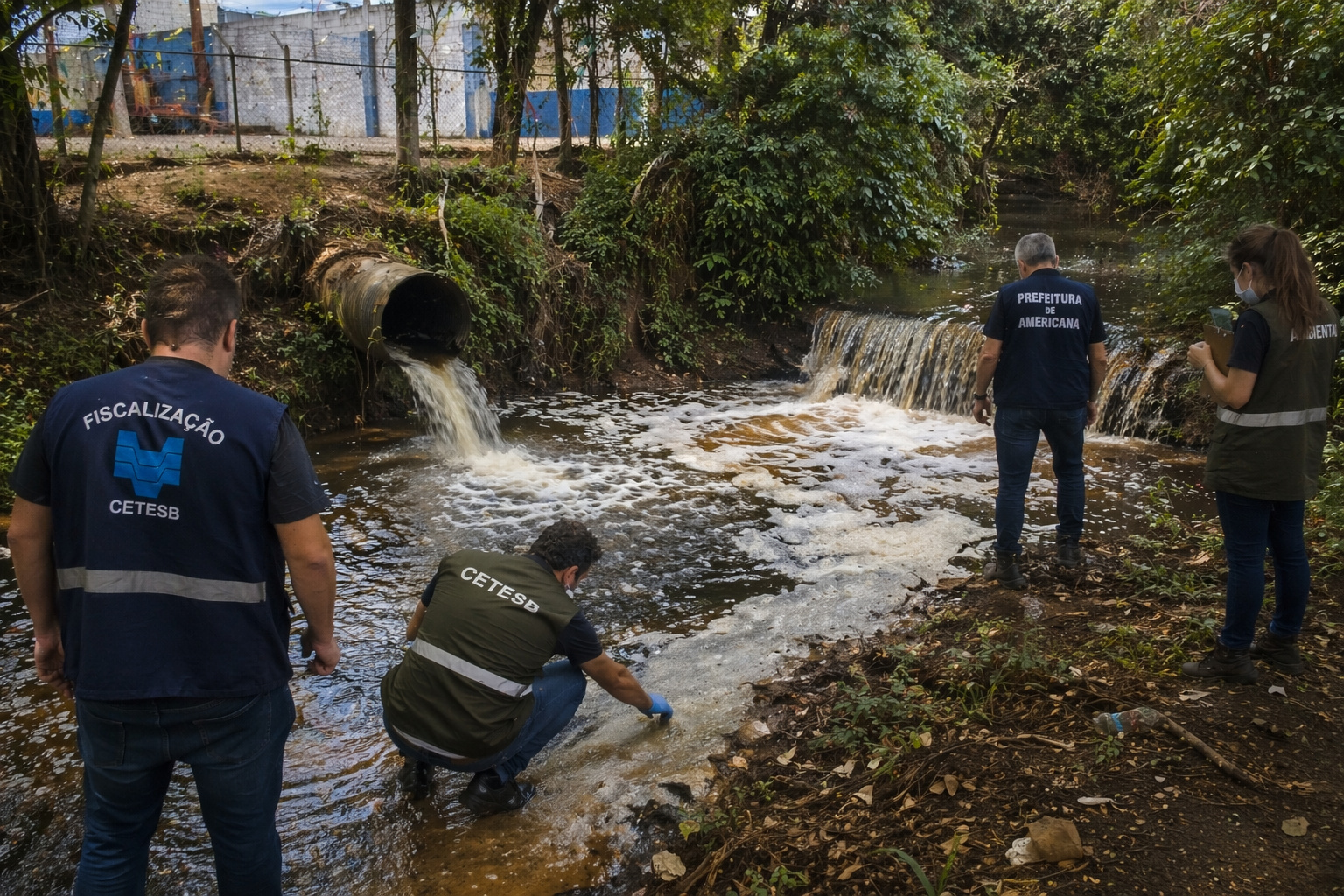
A fine of R$ 115 thousand puts Goodyear at the center of an environmental case in Americana after oil and grease appeared in a stream and the company was forced to act quickly.
-
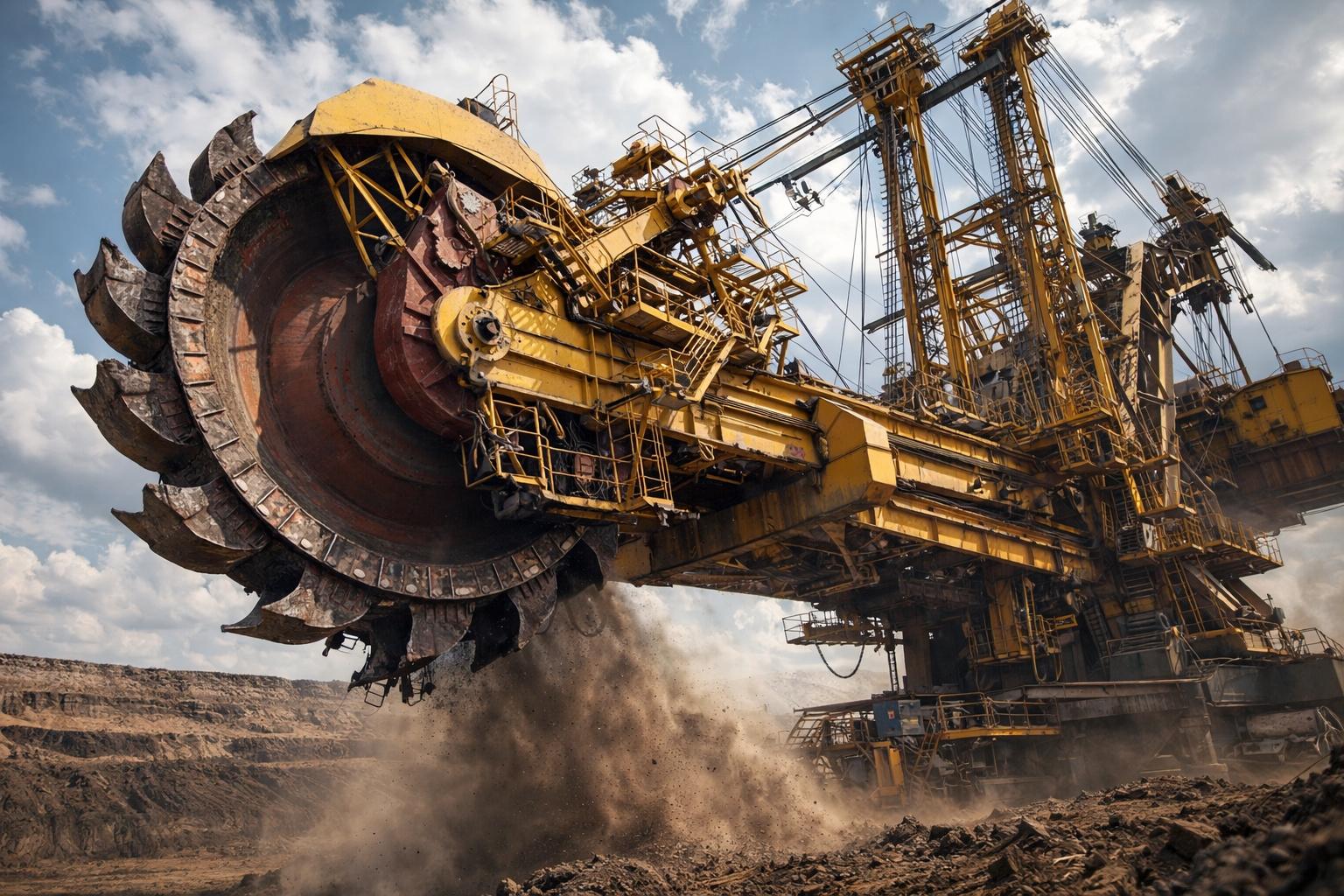
A machine capable of removing up to 12,000 cubic meters of earth per hour helps to feed part of the European energy matrix, and this mining colossus almost never appears when discussing the real cost of electricity.
-
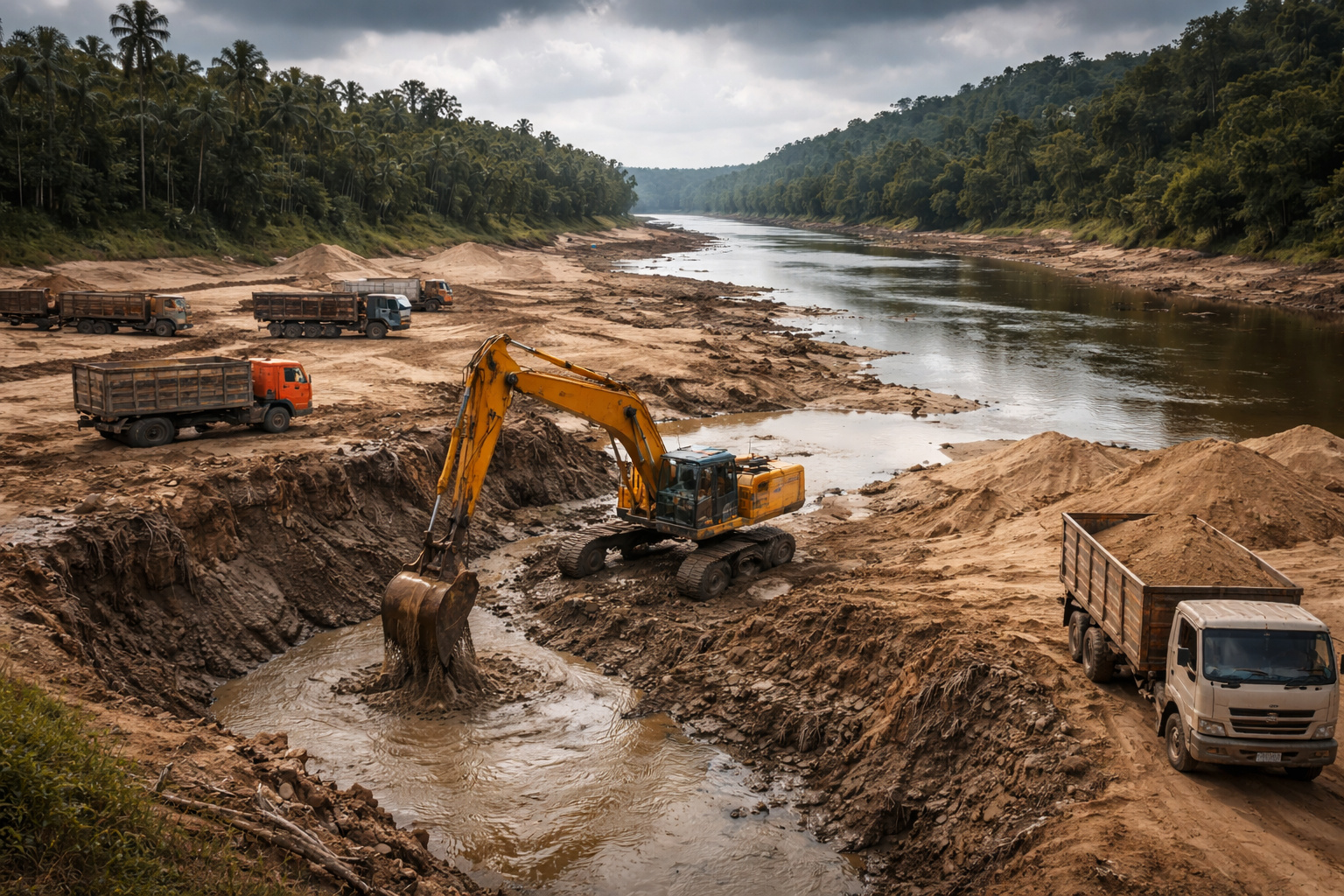
In Kerala, India, known as “the land of God,” dredging machines are extracting sand from rivers 40 times faster than nature can replenish it, riverbeds have already dropped nearly 2 meters, rivers have begun to dry up, and scientists who investigated the floods of 2018 discovered that decades of uncontrolled mining have weakened the rivers to the point where they can no longer contain the water.
-
Lack of workers and an aging population: Japan bets on AI robots in factories, logistics, and infrastructure to keep the economy and essential services active.

Over this period, the tool has become a symbol of the digital transformation within the ANM, bringing transparency and accessibility to an area that historically depended on in-person service.
Even with occasional moments of instability, the system has established itself as essential for document governance and a reference for other public institutions.
The six-year milestone shows how digitalization has definitively changed the administrative routine of the mineral sector in Brazil.
Online Services in the Mining Sector: More Accessibility and Less Bureaucracy
With the Digital Protocol in the Mining Sector, services that previously required long trips to regional units can now be performed in just a few clicks.
This movement has strengthened online services, allowing both large companies and small entrepreneurs or ordinary citizens to protocol documents, track processes, and access information from the ANM without geographic barriers.
According to Carla Castilhos, Manager of Data Governance, Document Management, and Memory, the system represents “a turning point in how the Agency interacts with society.”
This is because it ensures traceability and integrity of processes, offering more trust for those who need to deal with demands in the sector.
Moreover, this transformation has created a digital environment that reduces costs, saves time, and makes the relationship between government and society clearer.
Public Transparency as a Mark of Modernization
Another central point in these six years of the Digital Protocol in the Mining Sector is public transparency.
Before digitalization, document management was done in person and was less accessible to the general public.
Now, any registered protocol comes with traceable information, which strengthens governance and trust in the processes conducted by the ANM.
The statement from Júlio Rodrigues, Superintendent of Planning and Strategy, reinforces this view: for him, digitalization is one of the pillars of the Agency’s institutional transformation, demonstrating the commitment of the officials to deliver a system that truly brings society closer to public services.
This clarity in the relationship between the state and the citizen makes the model seen as a reference and encourages other agencies to follow the same path.
Administrative Efficiency and the Role of Digital Transformation
The arrival of the Digital Protocol in the Mining Sector has also directly impacted the administrative efficiency of the ANM.
Processes that were once slow have gained speed, communication between areas has been simplified, and document management has become more modernized.
Digitalization has also helped reduce operational costs and allowed the Agency to advance to new stages of its digital transformation.
Even in the face of challenges such as lack of resources, the ANM has consolidated a solid foundation that ensures the continuity of this project.
The success of the initiative, the result of the joint work of managers and staff, shows how it is possible to modernize public institutions and meet societal demands with more agility and social control.
An Example of Institutional Modernization for the Public Sector
Throughout its six years of existence, the Digital Protocol in the Mining Sector has not only transformed how the ANM operates, but has also become an example of institutional modernization for other agencies.
The experience demonstrates that digitalization is not limited to simplifying processes: it creates new standards of relationship between government and society, expands document governance, and strengthens the credibility of public administration.
This milestone represents an important step in building a mineral sector more aligned with current needs for innovation and transparency, showing that digital transformation is a one-way path for the public sector.







Seja o primeiro a reagir!